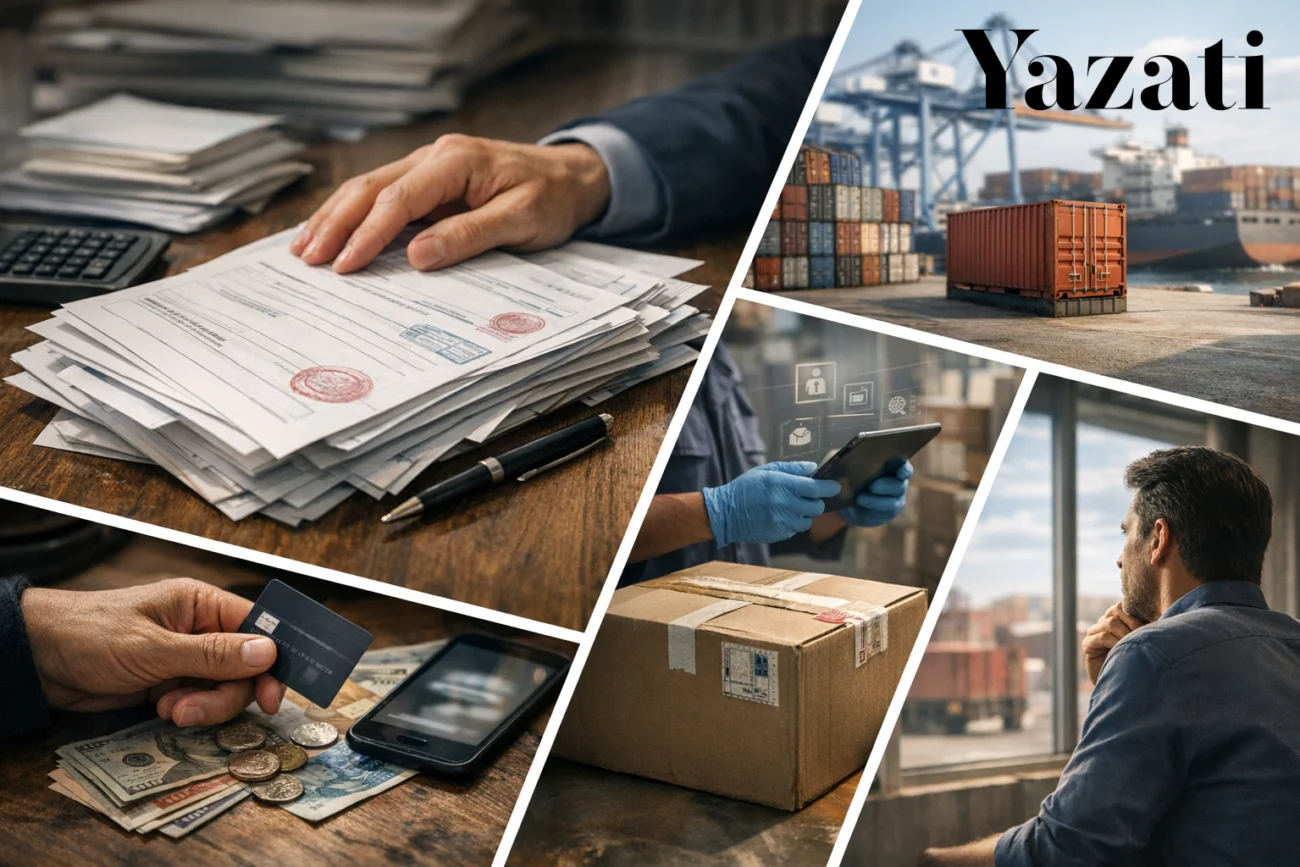
5 Hidden Costs Every Exporter Should Be Aware Of
International trade offers enormous growth opportunities, but it also comes with financial complexities that are not always obvious at first glance. Many exporters focus on visible expenses such as manufacturing, freight rates, and customs duties. However, some of the most damaging costs are the ones that remain unnoticed until profits start shrinking. Understanding the 5 Hidden Costs Every Exporter Should Be Aware Of is essential for protecting margins and building a sustainable export business.
Hidden export costs often accumulate slowly. Individually, they may seem insignificant, but together they can erode profitability, disrupt cash flow, and weaken competitiveness. Exporters who proactively identify and manage these expenses are far better positioned for long-term success.
Introduction: Why Hidden Export Costs Are Often Overlooked
The Profit Illusion in International Trade
At the beginning of an export venture, profit margins often look attractive. Orders are larger, unit prices seem favorable, and new markets appear promising. Yet, as operations scale, exporters frequently discover that actual profits are much lower than projected. This gap is usually caused by hidden costs that were not factored into initial calculations.
Why Export Margins Shrink Over Time
Exporting involves multiple stakeholders, long supply chains, and regulatory environments that differ by country. Small inefficiencies or mistakes at any stage can trigger additional costs. Without careful monitoring, these expenses become embedded in operations and quietly reduce margins over time.
Hidden Cost #1: Inefficient Logistics and Container Utilization
Underutilized Container Space
One of the most common yet overlooked costs in exporting is poor container utilization. When containers are not packed efficiently, exporters end up paying for unused space. Freight charges are typically calculated per container or per volume, not per unit sold. This means half-filled containers significantly increase the cost per product.
Inefficient loading also increases the number of containers required for the same shipment volume. Over time, this leads to higher freight bills, port handling fees, and storage costs.
Unexpected Inland Transportation Expenses
Exporters often focus on international freight rates while overlooking inland transportation costs. Delays, route changes, fuel surcharges, and poor coordination between warehouses and ports can add unexpected expenses. These costs may not appear clearly on invoices but accumulate across shipments.
Hidden Cost #2: Compliance, Documentation, and Regulatory Errors
Incorrect or Incomplete Export Documents
Export documentation errors are a major source of hidden costs. Mistakes in invoices, packing lists, certificates, or declarations can result in shipment delays, inspections, penalties, or even cargo rejection. Each delay adds storage charges, demurrage fees, and administrative expenses.
Even experienced exporters are vulnerable, as documentation requirements vary by country and product category.
Changing International Regulations
Trade regulations are constantly evolving. New compliance rules, labeling requirements, or safety standards can be introduced with little notice. Exporters who fail to stay updated may incur fines, re-packaging costs, or forced re-exports, all of which directly impact profitability.
Hidden Cost #3: Currency Fluctuations and Payment Delays
Exchange Rate Volatility
Currency fluctuations are one of the most underestimated risks in exporting. A favorable exchange rate at the time of pricing can change significantly by the time payment is received. Even small currency movements can wipe out margins, especially in high-volume or low-margin contracts.
Exporters who do not actively manage foreign exchange risk often discover losses only after transactions are completed.
Cash Flow Disruptions and Delayed Payments
International payments frequently take longer than domestic transactions. Delays caused by banking processes, buyer disputes, or documentation mismatches can disrupt cash flow. Exporters may need to rely on short-term financing, incurring interest costs that were not initially planned.
Hidden Cost #4: Product Damage, Returns, and Insurance Gaps
Poor Packaging and Handling Losses
Damage during transit is a hidden cost that affects both finances and reputation. Inadequate packaging, improper loading, or rough handling can lead to broken, spoiled, or unsellable goods. The cost goes beyond replacement—it includes return shipping, disposal, and potential loss of future orders.
These losses are often absorbed silently as part of “doing business,” but they significantly reduce net profit.
Insurance Limitations and Claims Challenges
Many exporters assume insurance will cover all losses, but policies often have exclusions, deductibles, and strict claim requirements. If documentation is incomplete or timelines are missed, claims may be denied. The uncovered loss then becomes an unexpected expense.
Hidden Cost #5: Operational Inefficiencies and Poor Planning
Last-Minute Changes and Rush Fees
Poor planning leads to last-minute decisions, such as expedited shipping, emergency packaging, or overtime labor. These rush fees are rarely budgeted but can be substantial, especially during peak seasons.
Repeated reliance on urgent solutions indicates systemic inefficiencies that increase operating costs over time.
Lack of Export Process Standardization
Without standardized procedures, each shipment becomes a custom project. This increases the likelihood of errors, delays, and duplicated work. Staff spend more time resolving issues instead of focusing on value-adding activities, raising labor and administrative costs.
How Hidden Export Costs Affect Long-Term Growth
Reduced Competitiveness in Global Markets
Hidden costs force exporters to either absorb losses or raise prices. Higher prices make products less competitive, while absorbing losses limits reinvestment in growth, marketing, and innovation.
Impact on Buyer Trust and Relationships
Delays, damaged goods, and inconsistent pricing harm buyer confidence. Over time, this can lead to reduced order volumes or lost contracts, creating indirect costs that are difficult to measure but deeply damaging.
Practical Strategies to Identify and Reduce Hidden Export Costs
Cost Audits and Process Reviews
Regular cost audits help uncover inefficiencies across logistics, documentation, finance, and operations. Reviewing each step of the export process allows exporters to identify where money is being lost unnoticed.
Leveraging Expertise and Technology
Using specialized export professionals, standardized procedures, and digital tools improves accuracy, efficiency, and visibility. Better planning and data analysis reduce surprises and improve cost control.
FAQs About Hidden Export Costs
1. What are hidden export costs?
They are indirect or overlooked expenses that reduce profitability, such as delays, inefficiencies, and financial risks.
2. Why don’t exporters notice these costs early?
They are often small per shipment and spread across operations, making them difficult to detect without detailed analysis.
3. Which hidden cost impacts exporters the most?
Logistics inefficiencies and compliance errors are among the most financially damaging.
4. Can small exporters manage hidden costs effectively?
Yes. Awareness, planning, and standardized processes significantly reduce exposure.
5. How often should exporters review their costs?
At least quarterly, or whenever entering new markets or scaling operations.
6. Do hidden costs affect long-term business growth?
Yes. They reduce margins, competitiveness, and reinvestment capacity.
Conclusion: Awareness Is the First Step to Export Profitability
Understanding the 5 Hidden Costs Every Exporter Should Be Aware Of is essential for sustainable international trade. These costs do not appear clearly on invoices, yet they steadily erode profits and limit growth. Exporters who proactively identify, measure, and manage hidden expenses gain better control over their operations and protect long-term profitability.
In global trade, success is not only about selling more—it is about managing smarter. By addressing hidden costs, exporters can build resilient, competitive, and profitable international businesses.
✨ Discover Global Sourcing Excellence with Netyex ✨
Netyex is your trusted B2B sourcing partner, connecting international buyers with India’s finest manufacturers and curated product lines—from handicrafts and home décor to kitchenware, textiles, hospitality essentials, and more. With verified suppliers and end-to-end support, we make global procurement seamless, reliable, and efficient.
👉 Elevate your sourcing experience—explore Netyex today.
📦 Bulk orders & customisation | 🌍 Worldwide delivery | 🤝 Trusted by global buyers
Visit Netyex to source premium Indian products with confidence.