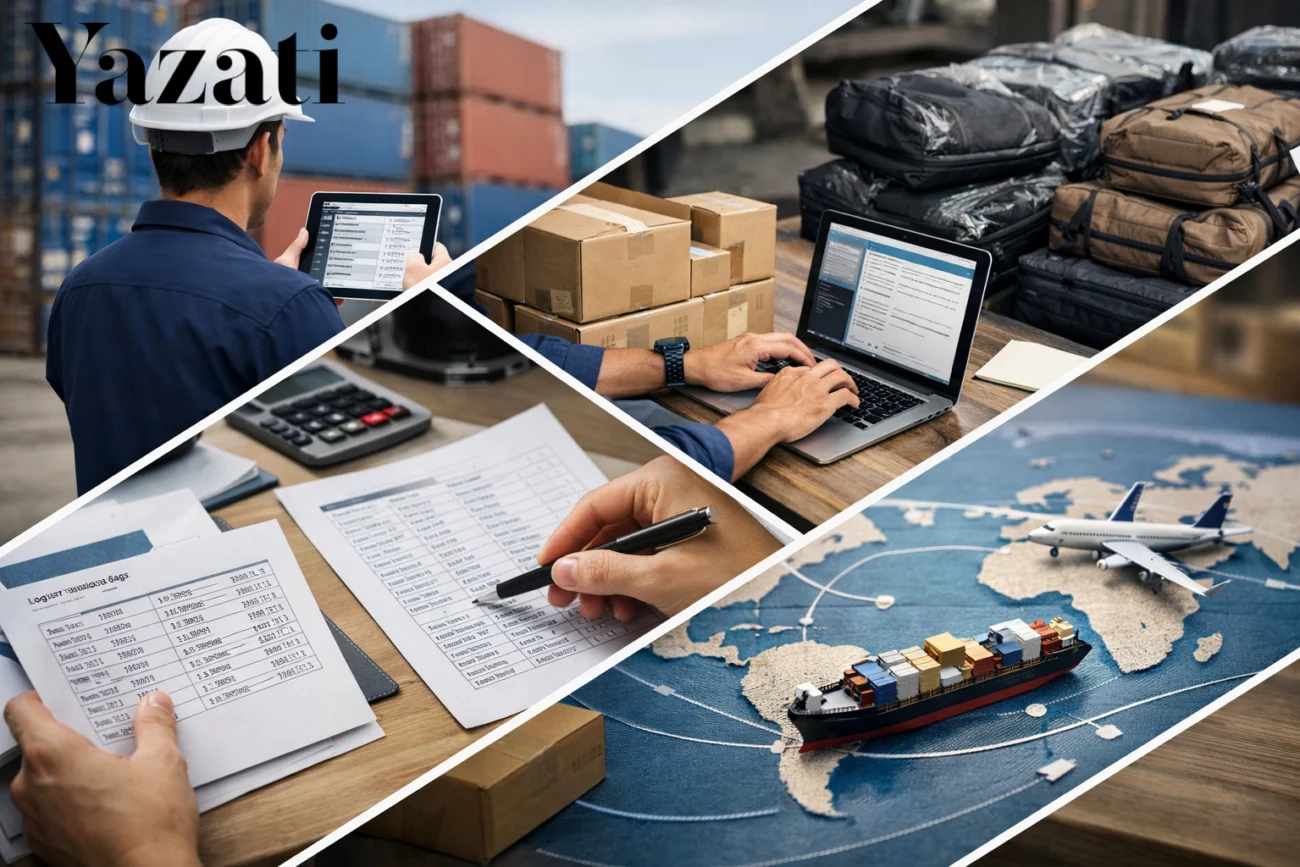
Introduction to 5 Ways Importers Can Reduce Duty Costs on Bag Imports
Importing bags can be highly profitable — but only if duty costs are managed wisely. Whether you’re importing handbags, backpacks, travel luggage, or promotional totes, customs duties can significantly reduce your profit margins. That’s why understanding the 5 Ways Importers Can Reduce Duty Costs on Bag Imports is not just helpful — it’s essential.
Many importers unknowingly overpay duties due to misclassification, lack of planning, or missing trade opportunities. The good news? There are completely legal and strategic methods to lower these costs while staying compliant with customs regulations.
In this guide, we’ll explore proven strategies that experienced importers use to minimize duty expenses, protect profit margins, and avoid costly penalties. If you’re serious about scaling your bag import business, this is where you start.
Understanding Import Duties on Bags
Before you can reduce duty costs, you need to understand what determines them. Import duties on bags depend on three major factors:
How Tariff Classifications Affect Duty Rates
Every imported product is assigned a Harmonized System (HS) code. Bags fall under Chapter 42 in most customs systems. However, the exact classification depends on:
- Material composition
- Intended use
- Structure
- Value
Even a slight classification difference can mean a 5%–20% duty variation. Misclassification often leads to overpayment or penalties.
Material-Based Duty Variations
Duty rates vary significantly based on materials such as:
- Leather
- Synthetic materials
- Textile fabrics
- Plastic
- Straw or natural fibers
For example, leather handbags often carry higher duties than textile-based ones. Understanding these distinctions is critical.
Country of Origin Impact
The country where the bag is manufactured affects duty rates. Some countries qualify for reduced rates under trade agreements, while others may face higher tariffs due to trade policies.
Now that you understand the basics, let’s move into the five powerful strategies.
Way #1: Proper Tariff Classification Strategy
One of the most effective of the 5 Ways Importers Can Reduce Duty Costs on Bag Imports is mastering tariff classification.
Using HS Codes Correctly
Choosing the correct HS code is crucial. A small difference in product description can change the duty rate dramatically.
For example:
- Travel sports bag vs fashion handbag
- Plastic-coated textile vs pure textile
- Leather outer surface vs synthetic outer surface
Careful review of material breakdown and product function ensures correct classification.
Avoiding Misclassification Penalties
Incorrect classification can lead to:
- Back duties
- Fines
- Shipment delays
- Customs audits
Working closely with your broker and maintaining detailed product specifications prevents costly mistakes.
Way #2: Leverage Free Trade Agreements (FTAs)
Free Trade Agreements can significantly reduce or eliminate duties if you qualify.
Rules of Origin Requirements
To benefit from FTAs, products must meet specific rules of origin. This usually involves:
- Local content percentage
- Substantial transformation
- Manufacturing location verification
If your supplier sources materials from multiple countries, compliance becomes more complex.
Documentation Best Practices
To claim reduced duties, you need:
- Certificate of origin
- Supplier declarations
- Accurate commercial invoices
- Bill of materials
Failure to maintain proper documentation can result in denied claims during audits.
Way #3: Strategic Material and Product Design Choices
Product design impacts duty rates more than many importers realize.
Reengineering for Lower Duty Brackets
Small design changes can legally shift a product into a lower-duty category. For example:
- Switching outer material from leather to textile
- Adjusting lining material composition
- Modifying product use classification
This approach requires planning before production begins.
Blended Materials and Duty Optimization
Some duty rates depend on the “essential character” of the bag. Strategic material blending can sometimes reduce overall duty impact.
However, changes must be genuine and commercially reasonable — not artificial modifications intended solely to avoid duties.
Way #4: Utilize Duty Drawback Programs
Duty drawback allows importers to reclaim duties paid on goods that are later exported.
How Duty Drawback Works
If you import bags and later:
- Re-export them
- Use them in finished goods that are exported
- Return unsold inventory abroad
You may qualify for refunds of previously paid duties.
Eligibility Criteria and Filing Process
Requirements include:
- Proof of export
- Matching import documentation
- Timely filing (usually within 3–5 years depending on jurisdiction)
Although paperwork-intensive, drawback programs can significantly improve cash flow.
Way #5: Work with Trade Compliance Experts
Professional guidance is often the smartest investment.
Customs Brokers vs Trade Consultants
Customs brokers handle:
- Entry filings
- Documentation processing
- Communication with customs
Trade consultants focus on:
- Long-term duty reduction strategy
- Audit preparation
- Tariff engineering
Both play different roles in reducing costs.
Internal Compliance Programs
Large importers benefit from:
- Written compliance manuals
- Staff training
- Regular internal audits
- Classification databases
Strong compliance prevents overpayment and reduces audit risk.
Additional Cost-Reduction Strategies
Beyond the core 5 Ways Importers Can Reduce Duty Costs on Bag Imports, consider these advanced methods.
Bonded Warehouses
Goods stored in bonded warehouses defer duty payment until goods enter domestic commerce. If re-exported, duties may be avoided entirely.
First Sale Rule
In some jurisdictions, importers can declare the first sale price (manufacturer to middleman) instead of the final sale price — reducing declared customs value.
Foreign Trade Zones
Foreign Trade Zones allow companies to:
- Defer duties
- Reduce duties on re-exports
- Pay lower rates on finished goods
This is especially useful for high-volume bag importers.
Common Mistakes That Increase Duty Costs
Avoid these pitfalls:
- Accepting supplier HS codes without verification
- Ignoring material composition breakdown
- Missing FTA qualification opportunities
- Poor recordkeeping
- Delayed drawback filings
Even small oversights can result in thousands in unnecessary duty payments.
Risk Management and Audit Preparedness
Customs authorities conduct audits regularly. Being prepared protects your business.
Best practices include:
- Maintaining 5+ years of records
- Conducting internal mock audits
- Keeping material certifications on file
- Reviewing classification annually
Proactive compliance ensures your cost-reduction strategies remain safe and legal.
Frequently Asked Questions
1. What is the average duty rate on imported bags?
Duty rates typically range from 5% to 20%, depending on material, classification, and country of origin.
2. Can I legally change product materials to reduce duty?
Yes, as long as changes are genuine and compliant with regulations.
3. What happens if I misclassify my bags?
You may face penalties, back duties, interest charges, or customs audits.
4. Are Free Trade Agreements difficult to qualify for?
They require proper documentation and compliance with rules of origin but can provide major savings.
5. How long does duty drawback take?
Processing times vary, but refunds may take several months after filing.
6. Is hiring a trade consultant worth it?
For medium to large importers, professional guidance often pays for itself through savings and risk reduction.
Conclusion
Managing import duties is not just about paying what customs demands — it’s about paying the correct amount, no more and no less. By applying the 5 Ways Importers Can Reduce Duty Costs on Bag Imports, businesses can dramatically improve profit margins while staying fully compliant.
From accurate tariff classification to leveraging trade agreements and redesigning products strategically, these methods offer real, measurable financial impact. Combine them with professional guidance and strong compliance systems, and you’ll transform duty management from a cost burden into a competitive advantage.
Smart importers don’t just ship products — they ship strategically.
✨ Discover Global Sourcing Excellence with Netyex ✨
Netyex is your trusted B2B sourcing partner, connecting international buyers with India’s finest manufacturers and curated product lines—from handicrafts and home décor to kitchenware, textiles, hospitality essentials, and more. With verified suppliers and end-to-end support, we make global procurement seamless, reliable, and efficient.
👉 Elevate your sourcing experience—explore Netyex today.
📦 Bulk orders & customisation | 🌍 Worldwide delivery | 🤝 Trusted by global buyers
Visit Netyex to source premium Indian products with confidence.