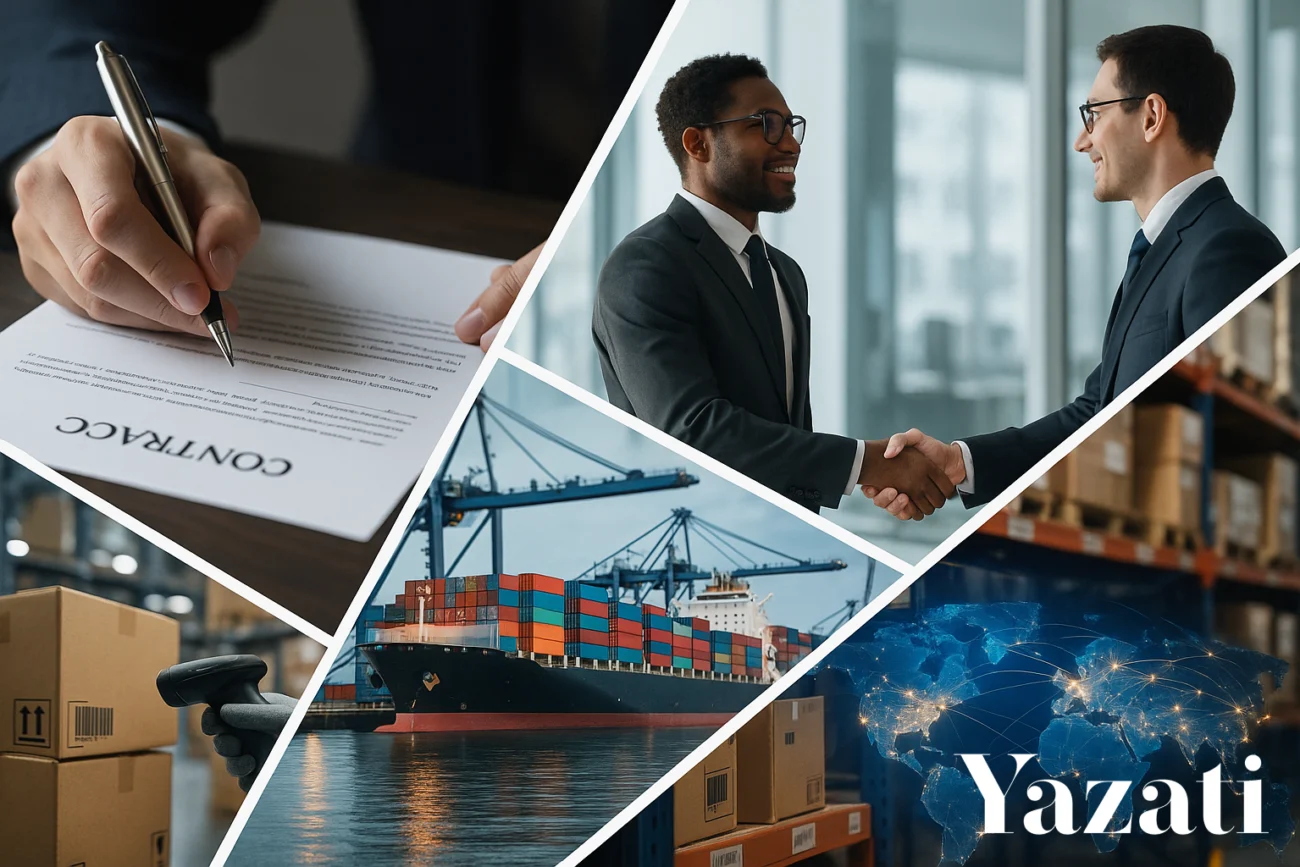
International trade offers vast opportunities for business growth, but it also carries significant risks. Many importers jump into partnerships with exporters without conducting proper due diligence — only to face issues like product delays, poor quality, or financial loss later.
This guide explores 7 critical questions every importer should ask before partnering with an exporter, helping you make informed, confident, and profitable trade decisions.
Understanding the Import-Export Relationship
The import-export ecosystem is a delicate balance of trust, compliance, and communication. Importers act as the gateway to local markets, while exporters provide the goods and logistical expertise to bridge international demand.
However, these relationships thrive only when both parties share transparency and reliability. The importer must vet potential exporters for credibility, legal compliance, and operational efficiency before entering into any formal agreement.
Why Asking the Right Questions Matters
When money, reputation, and timelines are on the line, asking the right questions is your best defense against costly mistakes. A simple oversight — such as unclear payment terms or unverified compliance — can lead to customs seizures or even lawsuits.
By systematically evaluating potential exporters, you ensure:
- Regulatory compliance with international trade laws
- On-time delivery through structured agreements
- Product quality assurance and consistent standards
- Financial security via secure transaction methods
Question 1 – What Is the Exporter’s Track Record?
Your first step should always be to examine the exporter’s history. A credible exporter will have:
- Verified trade licenses
- Positive testimonials from past importers
- A consistent record of timely deliveries
How to Verify an Exporter’s Reputation
- Check platforms like Alibaba Verified Supplier or Global Sources
- Request certificates of origin and ISO compliance documents
- Conduct a quick background check via international trade directories
Reputation is not built overnight — it’s earned through reliability, communication, and performance.
Question 2 – What Are the Exporter’s Quality Control Measures?
Quality control defines whether your imported goods meet both your standards and legal requirements. Ask exporters:
- Do they follow any specific quality assurance protocols?
- Are there in-house inspection teams or third-party audits?
Role of Third-Party Inspections
Engaging neutral inspectors like SGS, Bureau Veritas, or Intertek can prevent disputes and ensure goods meet agreed-upon standards before shipping. Independent checks are especially vital when importing from new or unfamiliar suppliers.
Question 3 – What Are the Payment Terms and Conditions?
Understanding payment terms prevents financial surprises. Common global trade payment methods include:
- Letter of Credit (LC): Secure but bureaucratic
- Telegraphic Transfer (TT): Quick but riskier
- Documents Against Payment (DP) and Documents Against Acceptance (DA)
How to Protect Against Payment Risks
- Use escrow services for high-value orders
- Rely on trade credit insurance from institutions like Coface or Euler Hermes
- Clearly outline payment milestones in your contract
Question 4 – What Are the Shipping and Delivery Terms (Incoterms)?
Incoterms define who bears the cost and risk of transportation. For example:
- FOB (Free on Board): Exporter covers shipping until goods are loaded
- CIF (Cost, Insurance & Freight): Exporter handles cost, insurance, and transport
- DDP (Delivered Duty Paid): Exporter delivers directly to importer’s location
Avoiding Hidden Shipping Costs
Hidden expenses often appear in freight forwarding, customs, or documentation fees. To prevent these, clarify:
- Who arranges freight and insurance
- Which party handles customs clearance
- Expected delivery time and buffer days
Question 5 – Is the Exporter Compliant with Trade Laws and Regulations?
Legal compliance is non-negotiable. Ensure your exporter holds:
- Valid export licenses
- Certificates of conformity
- Environmental and labor compliance documentation
Country-Specific Compliance Checks
For example:
- U.S. Importers must adhere to FDA and CBP regulations.
- European Importers need CE-certified goods.
- Asian Markets often require local testing or certification.
Question 6 – What Is the Communication and Support Process?
Timely and transparent communication ensures smooth operations. Ask exporters how they handle:
- Order updates
- Documentation support
- Post-delivery issues
Managing Time Zone and Cultural Differences
Cultural gaps can cause misunderstandings. Schedule overlapping communication hours, use clear written confirmations, and rely on platforms like Slack or Microsoft Teams for coordination.
Question 7 – What Happens If Things Go Wrong? (Dispute Resolution)
No matter how careful you are, disputes can arise. Ensure your contract defines:
- The jurisdiction for legal disputes
- Preferred arbitration body (e.g., ICC, SIAC)
- Penalties for delayed or defective deliveries
How to Draft a Strong Export Contract
Include:
- Product specifications
- Warranty terms
- Payment timelines
- Mediation clauses
This not only protects both parties but also builds long-term trust.
Key Red Flags When Choosing an Export Partner
Be cautious if you notice:
- Unrealistic prices
- Poor communication
- Reluctance to provide documentation
- Frequent changes in payment details
Best Practices for Safe Global Trade Partnerships
- Conduct on-site inspections when possible
- Maintain written agreements for every transaction
- Use verified trade platforms for initial deals
- Keep a clear audit trail for all financial transactions
Frequently Asked Questions (FAQs)
1. How do I verify if an exporter is legitimate?
Check their registration number, certifications, and online trade history on trusted directories.
2. What documents should an exporter provide?
Proforma invoice, bill of lading, certificate of origin, and quality inspection reports.
3. How do Incoterms affect my import costs?
They determine who pays for shipping, insurance, and customs duties — directly impacting total landed cost.
4. Can I change payment terms after the contract is signed?
Only through mutual consent and written amendment signed by both parties.
5. How can I protect myself from fraud?
Work with verified exporters, use secure payment methods, and request references.
6. What’s the safest way to resolve disputes internationally?
Include an arbitration clause specifying a neutral location and governing law.
Conclusion: Building Strong and Trustworthy Export Partnerships
A successful importer-exporter relationship is built on mutual transparency, compliance, and trust. By asking these 7 vital questions, importers can safeguard their investments, ensure product quality, and establish partnerships that last.
Remember: a good exporter doesn’t just deliver goods — they deliver confidence.
✨ Discover Global Sourcing Excellence with Netyex ✨
Netyex is your trusted B2B sourcing partner, connecting international buyers with India’s finest manufacturers and curated product lines—from handicrafts and home décor to kitchenware, textiles, hospitality essentials, and more. With verified suppliers and end-to-end support, we make global procurement seamless, reliable, and efficient.
👉 Elevate your sourcing experience—explore Netyex today.
📦 Bulk orders & customisation | 🌍 Worldwide delivery | 🤝 Trusted by global buyers
Visit Netyex to source premium Indian products with confidence.