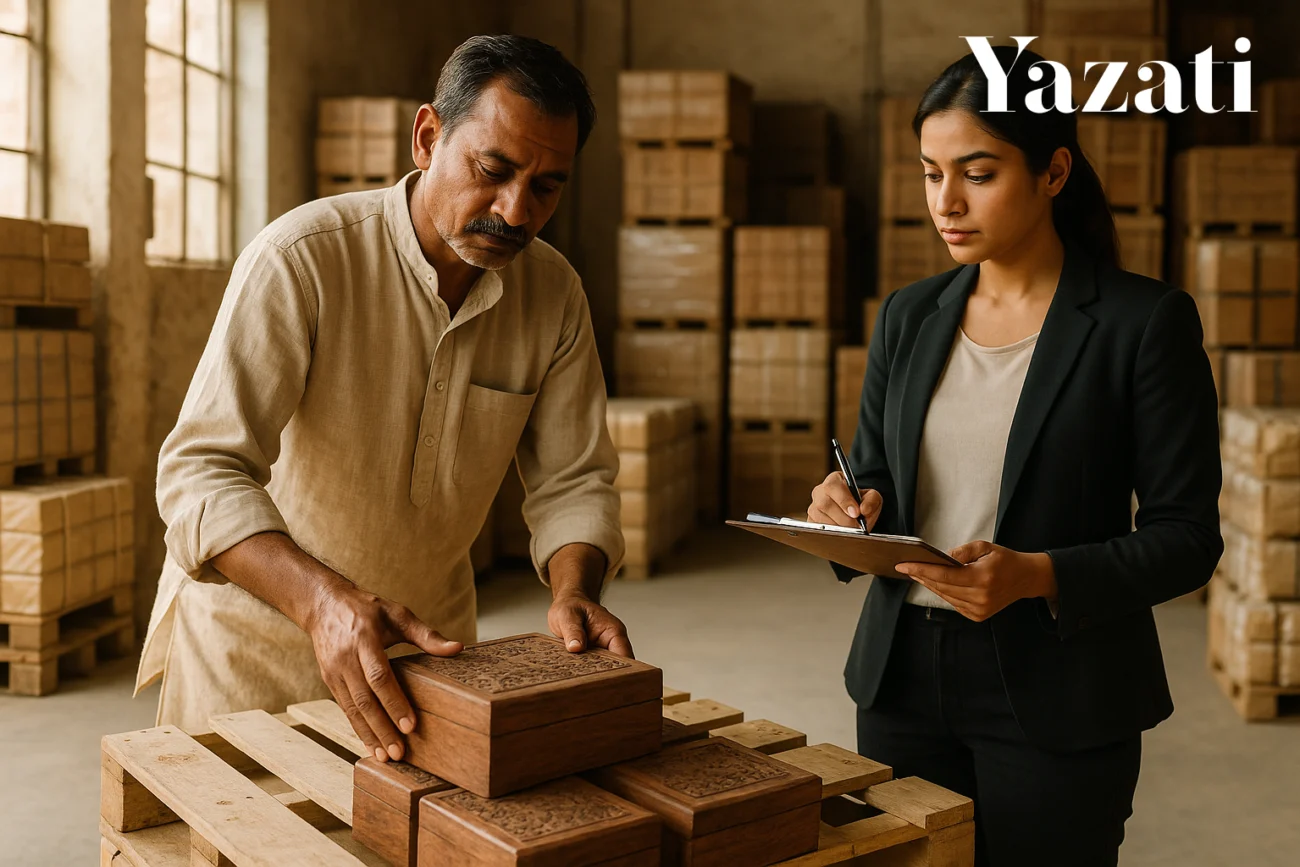
India, a land of artistic heritage and timeless craftsmanship, has long been recognized as one of the world’s leading exporters of handicrafts. From intricately carved wooden figurines to vibrant handwoven textiles, Indian artisans have kept centuries-old traditions alive through their craft. However, navigating the export process for Indian handicrafts can seem complex for new entrepreneurs and artisans. This article simplifies the entire journey—from registration to global shipping—so that anyone can confidently start exporting Indian handicrafts.
Introduction to Indian Handicrafts Export Industry
India’s handicraft industry is one of the oldest and most diverse in the world. It represents not only cultural legacy but also a significant economic contributor. The sector provides livelihoods to over 7 million artisans, most of whom work in rural areas, passing down traditional skills through generations.
According to the Export Promotion Council for Handicrafts (EPCH), India exports handicrafts worth billions annually, with key markets like the United States, the United Kingdom, Germany, and the UAE driving demand. These exports include textiles, carpets, pottery, jewelry, and eco-friendly decorative items—all admired for their authenticity and craftsmanship.
Importance of Handicrafts in India’s Economy
Handicrafts play a crucial role in uplifting rural artisans, promoting sustainable livelihoods, and earning valuable foreign exchange. Each export not only represents economic value but also acts as an ambassador of India’s cultural identity on the global stage.
Key Global Markets for Indian Handicrafts
Indian handicrafts have strong demand in Western and Middle Eastern countries. Buyers in the USA and Europe particularly appreciate handmade and eco-conscious products. The growing global trend toward sustainable and ethically sourced goods has opened new opportunities for Indian exporters.
Understanding the Indian Handicrafts Export Ecosystem
Before exporting, it’s essential to understand how the system works.
Role of Export Promotion Council for Handicrafts (EPCH)
The EPCH is the apex government body responsible for promoting and facilitating the export of Indian handicrafts. Exporters can register with EPCH to access trade fairs, buyer databases, training programs, and export incentives.
Types of Handicrafts Exported from India
India’s diversity reflects in its crafts:
- Textile-based crafts: Embroidered fabrics, shawls, rugs
- Metalware: Brass, copper, and aluminum decor
- Wooden handicrafts: Carved furniture, toys, and sculptures
- Jewelry and accessories: Beaded, silver, and tribal designs
- Pottery and ceramics: Terracotta and blue pottery
- Eco-friendly crafts: Jute, bamboo, and cane items
Step-by-Step Export Process for Indian Handicrafts
Let’s simplify the entire export process into practical steps:
Step 1 – Obtaining an Import Export Code (IEC)
Every exporter must have an IEC issued by the Directorate General of Foreign Trade (DGFT). It’s a 10-digit code required for international trade. Applying online is quick and inexpensive.
Step 2 – Selecting the Right Product and Market
Market research is vital. Analyze which handicrafts are trending globally and identify countries where demand is highest. Use platforms like IndiaMart, Alibaba, and TradeIndia to explore buyer interests.
Step 3 – Product Development and Pricing Strategy
Your product should meet international tastes and quality expectations. Focus on:
- Innovative design
- Eco-friendly materials
- Competitive pricing with shipping included
Step 4 – Registration with EPCH and Export Documentation
Membership with EPCH enhances credibility. Common documents include:
- Commercial invoice
- Packing list
- Bill of lading
- Certificate of origin
- Shipping bill
Step 5 – Finding International Buyers
Connect with buyers via:
- EPCH-organized trade fairs
- B2B portals
- Social media and e-commerce sites
- Virtual export meets
Step 6 – Negotiation, Contract, and Payment Terms
Always use secure payment methods like Letter of Credit (LC) or Advance Payment to avoid risk. Clearly define delivery terms (Incoterms) in contracts.
Step 7 – Quality Control and Packaging Standards
Ensure that each piece meets international quality norms. Attractive and safe packaging can enhance product appeal and protect items during shipping.
Step 8 – Shipping and Customs Clearance
Work with reliable freight forwarders and custom brokers to manage logistics, export duty, and documentation. Choose air or sea freight depending on product size and urgency.
Step 9 – Post-Shipment Documentation and Follow-up
After shipment, maintain buyer communication for feedback and repeat orders. Submit all necessary documents to claim export incentives and duty drawbacks.
Common Challenges in Handicraft Exporting
Despite its potential, exporters face hurdles like inconsistent quality, shipping delays, and intense competition. However, these can be overcome with planning and technology integration.
Quality Consistency and Certification Issues
Obtain quality certifications like ISO, Fair Trade, or Craftmark to assure buyers of product authenticity.
Delays in Logistics and Customs
Work with experienced shipping partners and understand documentation requirements thoroughly.
Competition and Market Saturation
Stand out through storytelling—emphasize the heritage, eco-friendliness, and craftsmanship behind each product.
Government Schemes and Incentives for Handicraft Exporters
Market Access Initiative (MAI) and Market Development Assistance (MDA)
These programs offer financial help to exporters attending trade fairs or conducting overseas marketing.
Financial Assistance from DC (Handicrafts)
The Development Commissioner (Handicrafts) provides design training, marketing support, and subsidies for exporters.
Best Practices for Successful Handicraft Exporters
- Register with EPCH and DGFT early.
- Participate in international exhibitions.
- Use e-commerce platforms for direct-to-consumer sales.
- Invest in sustainable materials and fair trade certifications.
Future Trends in Indian Handicraft Export Market
Sustainability, digital transformation, and personalized products will shape the future of handicraft exports. The rise of e-commerce has made it easier for small artisans to connect with global customers directly.
FAQs About Exporting Indian Handicrafts
Q1. Do I need a business license to export handicrafts?
Yes, you must register your business and obtain an Import Export Code (IEC).
Q2. Can small artisans export directly?
Yes, with EPCH support, artisans can directly export to buyers or through cooperatives.
Q3. What documents are required for exporting handicrafts?
Essential documents include a commercial invoice, packing list, bill of lading, and certificate of origin.
Q4. How can I find international buyers?
Participate in trade fairs, list products on B2B portals, and leverage social media marketing.
Q5. Are there government subsidies for handicraft exporters?
Yes, through MAI, MDA, and DC (Handicrafts) initiatives.
Q6. What are the most demanded Indian handicrafts globally?
Textiles, jewelry, metal crafts, and eco-friendly décor items lead global demand.
Conclusion – Simplifying the Handicraft Export Journey
Exporting Indian handicrafts is not just about business—it’s about sharing India’s cultural soul with the world. With proper planning, documentation, and marketing, even small artisans can enter the global market confidently. By following these steps and leveraging government schemes, the dream of taking Indian craftsmanship international can become a reality.
🌐 External Link:
Learn more about official export procedures at the Export Promotion Council for Handicrafts (EPCH).
✨ Discover Timeless Elegance with Yazati ✨
At Yazati, we bring you a world of handcrafted luxury—from exquisite brass, copper, and wooden decor to artisanal kitchenware, elegant rugs, and premium hospitality essentials. Whether you’re an interior designer, wellness enthusiast, or retail buyer, our curated collections are crafted to inspire and impress.
👉 Elevate your space or gift with grace—explore Yazati today.
📦 Bulk customization available | 🌍 Worldwide shipping | 🛍️ B2B & B2C Friendly