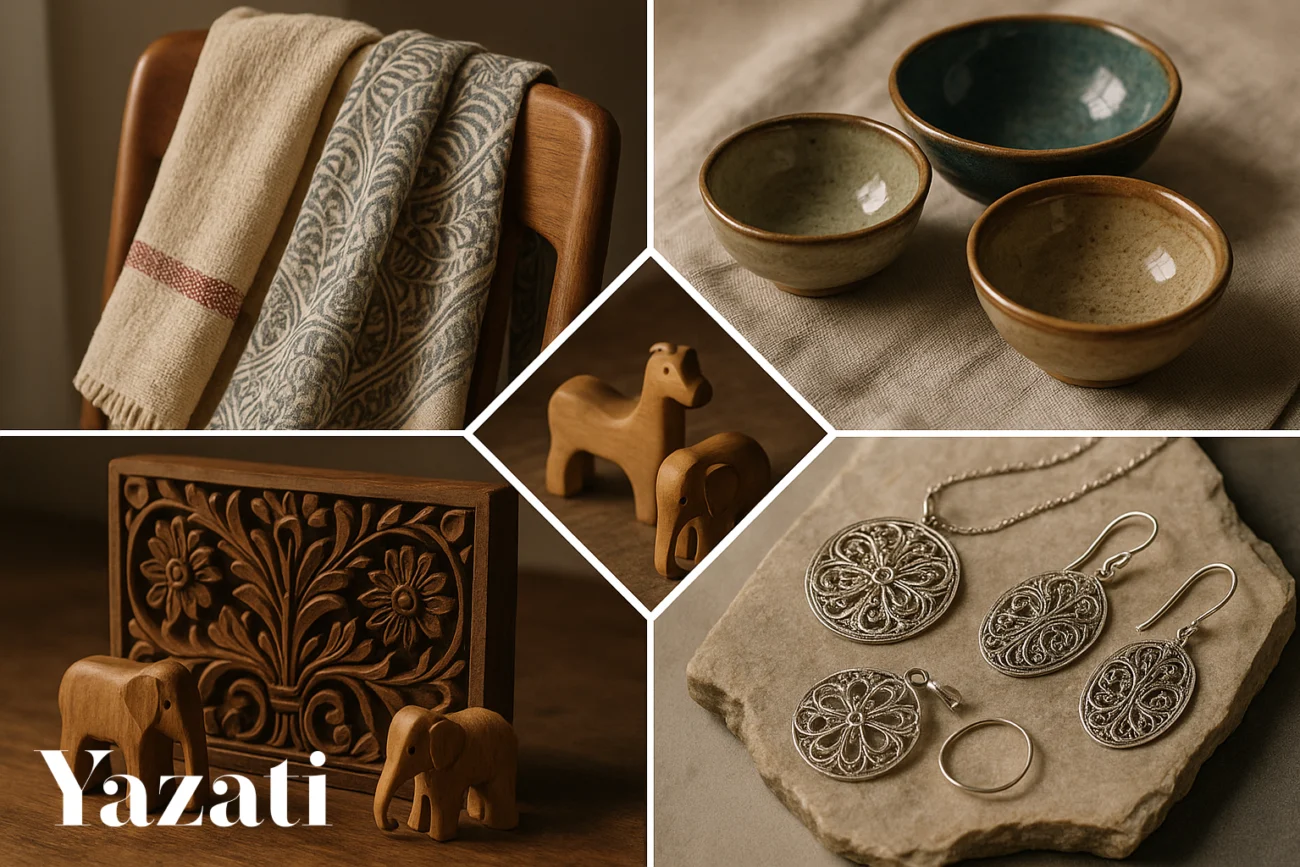
Introduction: The Booming Global Handicraft Industry
Handicrafts have always been more than just objects—they represent tradition, creativity, and the cultural soul of a nation. In 2025, the global handicraft market continues to flourish, driven by growing consumer appreciation for authentic, handmade, and sustainable products. According to recent industry analyses, the global handicraft market is projected to surpass $1.5 trillion by 2030, growing steadily as consumers shift from mass-produced goods to meaningful, artisan-made alternatives.
The Rising Global Demand for Handmade Goods
From handmade jewelry to eco-friendly furniture, global buyers now prioritize authentic craftsmanship over generic designs. This shift is powered by e-commerce platforms, global trade fairs, and a renewed focus on ethical sourcing.
Why Handicrafts Represent Cultural Identity and Economic Growth
Handicrafts are vital for local economies, particularly in developing countries where they provide livelihoods for millions of artisans. Beyond economics, they preserve heritage, promote cultural diversity, and foster sustainable development.
Overview of Handicraft Exports in 2025
Global Handicraft Export Statistics and Market Value
The handicraft export industry has seen an annual growth rate of over 12% in the last decade, thanks to increased online visibility and cross-border e-commerce. India, China, Indonesia, and Mexico are among the top exporters.
Emerging Markets and Trends in Handicraft Trade
Europe and North America remain strong importers, but regions like the Middle East and East Asia are rapidly expanding. Consumers now prefer eco-friendly, recycled, and culturally inspired items—making it a golden era for authentic artisans.
Top 5 Handicraft Categories with the Highest Export Potential
1️⃣ Textiles & Embroidered Fabrics
Textiles hold the largest share in the global handicraft export market. From handwoven scarves and embroidered garments to eco-dyed fabrics, these products captivate international buyers.
Export Data and Key Importing Countries
The United States, the UK, Germany, and Japan lead as top importers. The demand for handcrafted textiles is expected to rise by 8% annually, with growing interest in sustainable fabrics.
Why Textiles Remain a Global Favorite
Cultural appeal, vibrant designs, and craftsmanship make textile exports timeless. Countries like India and Peru are leading suppliers due to their rich tradition in weaving and embroidery.
2️⃣ Handmade Jewelry and Accessories
Jewelry is among the most profitable handicraft exports, blending tradition with fashion.
Rising Global Demand for Ethical Jewelry
Buyers now prioritize ethically sourced materials, artisanal techniques, and sustainable packaging. Handmade jewelry from Asia and Africa is gaining massive traction in the luxury segment.
Best Markets for Artisanal Jewelry Exports
The USA, France, Italy, and UAE are top importers. With the rise of boho and vintage styles, handmade jewelry exports are predicted to reach $60 billion by 2030.
3️⃣ Wooden Handicrafts and Furniture
Wooden crafts—such as carved furniture, home décor, and kitchenware—dominate the eco-conscious market.
Top Destinations for Wooden Craft Exports
Countries like Germany, the Netherlands, and Australia import high-quality wooden handicrafts, especially those made from sustainably sourced wood.
Sustainability and Eco-Friendly Appeal
Eco-certified and FSC-approved products are in high demand. Artisans combining traditional techniques with modern design are reaping the most success.
4️⃣ Pottery and Ceramic Crafts
Pottery reflects artistry and cultural heritage, making it one of the most aesthetic export categories.
Cultural Significance and Design Trends
Modern consumers are drawn to hand-glazed pottery, ceramic planters, and artisan dinnerware. These items are particularly popular in Europe and Japan.
Key Players and Export Markets
India, Thailand, and Morocco are top exporters. Their hand-painted and handmade pottery resonates with global consumers seeking authenticity.
5️⃣ Metal and Brass Handicrafts
Metal crafts combine durability with intricate artistry, making them timeless exports.
Timeless Beauty and Export Opportunities
From brass lamps to metal décor and sculptures, these crafts enjoy consistent demand in both luxury and retail markets.
Countries Driving Metal Craft Imports
The USA, UAE, and France dominate imports. The growing home décor industry is fueling demand for handcrafted metallic goods.
How to Identify High-Potential Handicraft Categories
To identify export-worthy crafts, artisans should:
- Analyze market demand and trend reports.
- Explore online marketplaces like Etsy, Amazon Handmade, and Alibaba.
- Attend international trade fairs for direct buyer insights.
Challenges in Handicraft Exports and How to Overcome Them
Common challenges include inconsistent quality, logistics, and limited branding. Exporters can overcome these by:
- Implementing strict quality control.
- Partnering with export promotion councils.
- Leveraging digital marketing and storytelling to showcase cultural value.
Government Support and Export Promotion Initiatives
Governments worldwide promote handicraft exports through:
- Skill development programs.
- Financial incentives and subsidies.
- Trade fairs like IHGF Delhi Fair and Ambiente Germany, which attract global buyers.
Sustainability and Ethical Production in Handicrafts
Sustainability is now a core export criterion. Artisans using recycled materials, natural dyes, and fair-trade practices gain a strong competitive edge.
Case Studies: Successful Handicraft Export Stories
India’s Handicraft Export Success Story
India’s handicraft exports crossed $4 billion in 2024, led by wooden crafts and textiles. Digital platforms and international collaborations have boosted reach.
Lessons from Southeast Asian Exporters
Countries like Vietnam and Indonesia succeeded by blending modern design with traditional craftsmanship, meeting global market trends effectively.
Frequently Asked Questions (FAQs)
Q1. Which country exports the most handicrafts globally?
India is currently one of the top handicraft exporters worldwide.
Q2. Which handicraft category has the highest export demand?
Textiles and jewelry dominate the global handicraft export market.
Q3. Are handicraft exports profitable for small businesses?
Yes, with proper marketing and quality assurance, handicraft exports can be highly profitable.
Q4. What are the best markets for handmade crafts?
The USA, Germany, France, and Japan remain the largest consumers of handmade crafts.
Q5. How can artisans promote their products internationally?
By joining trade fairs, online marketplaces, and export councils.
Q6. How does sustainability impact export success?
Sustainable and ethically made crafts attract eco-conscious buyers, boosting long-term profitability.
Conclusion: The Future of Global Handicraft Exports
The future of handicraft exports is bright and boundless. As global consumers embrace handmade, sustainable, and culturally rich products, artisans have a golden opportunity to expand internationally. By focusing on quality, innovation, and authenticity, exporters can tap into an ever-growing global market.
🌐 External Link: World Trade Organization – Handicraft Export Trends
✨ Discover Timeless Elegance with Yazati ✨
At Yazati, we bring you a world of handcrafted luxury—from exquisite brass, copper, and wooden decor to artisanal kitchenware, elegant rugs, and premium hospitality essentials. Whether you’re an interior designer, wellness enthusiast, or retail buyer, our curated collections are crafted to inspire and impress.
👉 Elevate your space or gift with grace—explore Yazati today.
📦 Bulk customization available | 🌍 Worldwide shipping | 🛍️ B2B & B2C Friendly