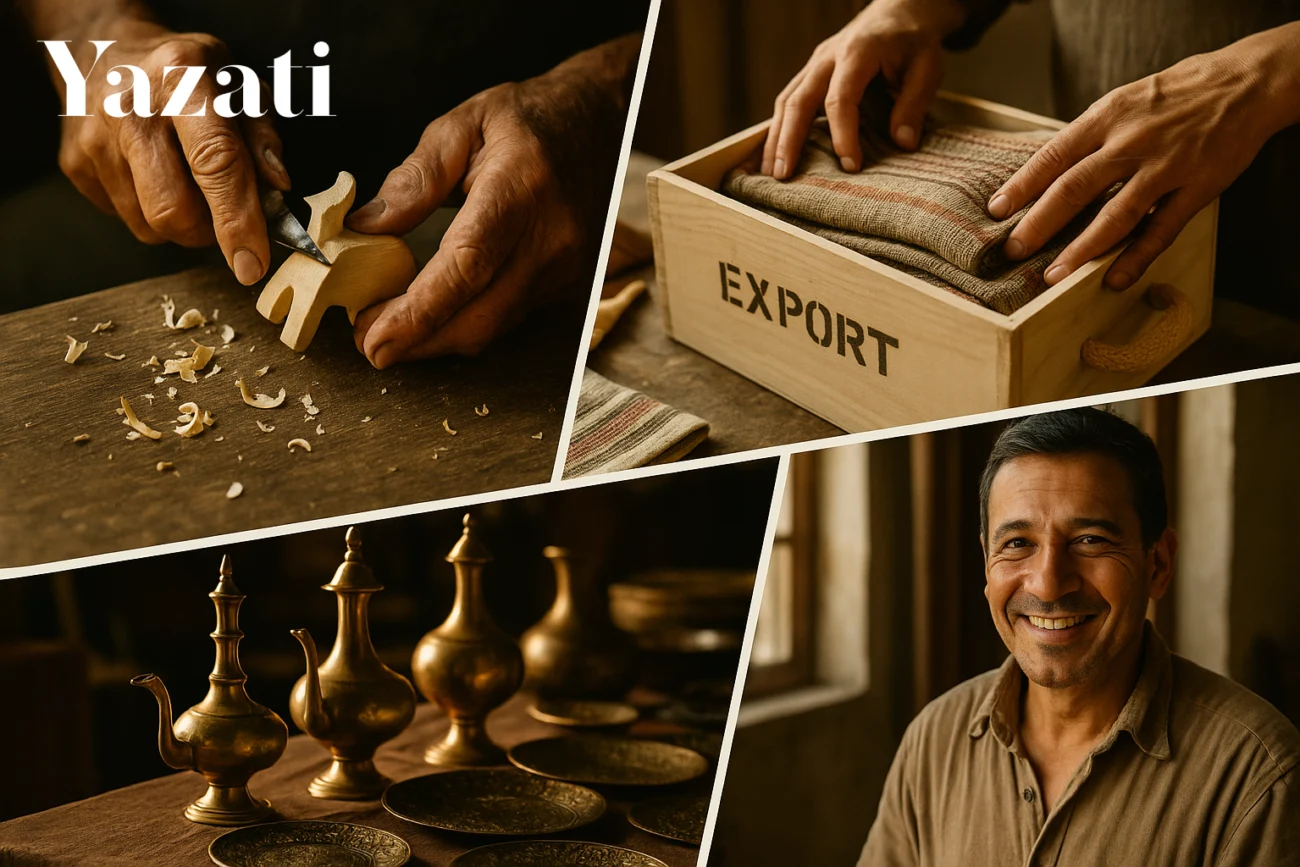
Introduction: The Soul of India Lies in Its Handicrafts
India’s heritage is intricately woven into the threads, textures, and colors of its handicrafts. From the marble inlay work of Agra to the delicate embroidery of Kutch, every piece tells a story — a story of tradition, craftsmanship, and timeless artistry. Handicrafts are not just objects; they are the living expression of India’s cultural DNA.
In today’s era of globalization, the global export of Indian handicrafts has become more than an economic activity — it’s a form of cultural preservation. Each exported artifact acts as a messenger of India’s history, bridging generations and geographies. As demand grows in global markets, India finds itself at the heart of a cultural renaissance, preserving its legacy while thriving in the modern economy.
The Historical Significance of Indian Handicrafts
Crafts That Define India’s Identity
India’s handicrafts reflect the diversity of its 28 states and 8 union territories, each offering a unique artistic expression. From Kashmir’s Pashmina shawls and Rajasthan’s blue pottery, to Odisha’s Pattachitra paintings, every region contributes a vibrant hue to the nation’s cultural palette. These crafts evolved through royal patronage, local traditions, and religious influences, making them deeply rooted in India’s identity.
Evolution of Craftsmanship: From Royal Courts to Global Platforms
Historically, Indian artisans produced exquisite pieces for kings and temples, showcasing unmatched craftsmanship. With time, these crafts transitioned from royal courts to global trade fairs, finding admirers across Europe, America, and Asia. This evolution signifies not a loss of tradition but a creative adaptation — where ancient art meets contemporary design to appeal to global sensibilities.
Economic and Cultural Value of Handicraft Exports
Handicraft exports form a vital segment of India’s non-traditional exports, contributing significantly to foreign exchange and employment. According to the Export Promotion Council for Handicrafts (EPCH), the sector employs over seven million artisans, most of whom belong to rural and semi-urban areas.
Contribution to Rural Livelihoods and Women Empowerment
Global handicraft exports have transformed villages into thriving art hubs. Women artisans, in particular, have gained financial independence through weaving, pottery, and embroidery. This empowerment not only uplifts households but also preserves fading traditions passed through generations.
Boosting India’s Soft Power Through Cultural Diplomacy
Every handcrafted product exported abroad enhances India’s soft power. Indian handicrafts act as cultural ambassadors, promoting diversity, creativity, and sustainable living. From international exhibitions to diplomatic gifting, these creations help strengthen India’s global image as a nation rich in art and heritage.
Global Demand for Indian Handicrafts
As global consumers shift toward ethical and eco-friendly products, Indian handicrafts have found renewed appreciation. Countries like the USA, UK, Germany, and Japan remain the top importers, drawn by the authenticity and sustainable nature of Indian handmade goods.
Top Importing Nations and Market Preferences
European nations prefer handwoven textiles, bamboo crafts, and jewelry, while North America values eco-conscious and fair-trade-certified products. Each market segment reflects a growing demand for authenticity over mass production.
Sustainable and Ethical Craftsmanship Trends
The new age of conscious consumerism favors products that are handmade, biodegradable, and ethically produced. Indian artisans, with their deep respect for nature and tradition, are perfectly positioned to lead this global shift toward sustainability.
Challenges Facing Indian Handicraft Exporters
Despite global demand, Indian exporters face challenges that hinder consistent growth.
Competition, Pricing, and Quality Issues
Machine-made replicas and low-cost alternatives from other countries dilute the market. Maintaining quality consistency, while keeping prices competitive, remains a major challenge for small-scale artisans.
Digital Divide and Lack of Global Marketing Skills
Many artisans lack access to digital tools and online marketing expertise. Bridging this gap is essential to ensure rural craftspeople can directly reach international buyers without intermediaries.
Government Initiatives Supporting Handicraft Exports
India’s government plays a pivotal role in nurturing and promoting handicrafts globally.
Export Promotion Council for Handicrafts (EPCH)
The EPCH organizes international fairs, offers export assistance, and connects artisans with global buyers. It also helps artisans achieve certifications required for global trade.
Make in India and ODOP (One District One Product)
Initiatives like Make in India and ODOP promote region-specific crafts, encouraging districts to specialize and globalize their local heritage. These programs provide visibility, funding, and export facilitation for traditional products.
Role of E-Commerce and Digital Platforms in Global Reach
Digital platforms have revolutionized the way artisans connect with international markets.
Etsy, Amazon, and Global Online Craft Markets
Platforms like Etsy, Amazon Handmade, and IndiaMart enable artisans to showcase their creations globally. Many small craft clusters in India now sell directly to customers in the US and Europe through these channels.
Social Media Storytelling and Brand Building
Instagram and Facebook have become digital galleries for artisans. By sharing the stories behind each product — from the weaver’s loom to the buyer’s living room — artisans create emotional connections that drive global demand.
Preservation of Cultural Integrity Amid Globalization
The Risk of Commercialization and Cultural Dilution
As handicrafts gain commercial value, there’s a risk of losing cultural depth. Over-commercialization can lead to mass production and artistic compromise. Protecting authenticity through Geographical Indication (GI) tags and quality certification is key.
Reviving Lost Crafts Through Global Appreciation
Interestingly, globalization also revives endangered crafts. When international buyers support handmade products, they breathe new life into dying traditions like Toda embroidery or Bidriware.
The Future of Indian Handicraft Exports
Integrating AI, Blockchain, and Craft Authentication
Future technologies like Blockchain will verify product authenticity, ensuring buyers receive genuine handmade goods. AI can assist in demand forecasting and global trend analysis.
Youth Engagement and Skill Development
With government and NGO initiatives, younger generations are embracing traditional crafts as sustainable careers. This fusion of tradition and innovation promises a bright future for Indian handicrafts.
FAQs on Preserving India’s Heritage Through Global Handicraft Exports
- What are the top exported Indian handicrafts?
Textiles, jewelry, ceramics, woodwork, and carpets are among the top exports. - How do handicrafts preserve India’s cultural heritage?
They keep ancestral techniques, symbols, and stories alive, linking modern India to its roots. - Which countries import the most Indian handicrafts?
The USA, UK, Germany, and UAE are leading importers. - How is the government supporting artisans?
Through EPCH, ODOP, and export subsidies, artisans receive training and international exposure. - Are Indian handicrafts sustainable?
Yes, most are handmade using natural materials, promoting eco-friendly production. - Can e-commerce help small artisans?
Absolutely. Digital platforms allow artisans to reach global buyers directly without middlemen.
Conclusion: Keeping India’s Heritage Alive Across Borders
Preserving India’s heritage through global handicraft exports is not just about trade — it’s about storytelling, sustainability, and pride. Each handcrafted item crossing borders carries centuries of history, culture, and creativity. As technology, government, and global consumers unite to support this movement, India’s artisans are poised to shape a future where tradition and innovation coexist harmoniously.
External Source:
Visit EPCH India for authentic information about Indian handicraft export policies and initiatives.
✨ Discover Timeless Elegance with Yazati ✨
At Yazati, we bring you a world of handcrafted luxury—from exquisite brass, copper, and wooden decor to artisanal kitchenware, elegant rugs, and premium hospitality essentials. Whether you’re an interior designer, wellness enthusiast, or retail buyer, our curated collections are crafted to inspire and impress.
👉 Elevate your space or gift with grace—explore Yazati today.
📦 Bulk customization available | 🌍 Worldwide shipping | 🛍️ B2B & B2C Friendly