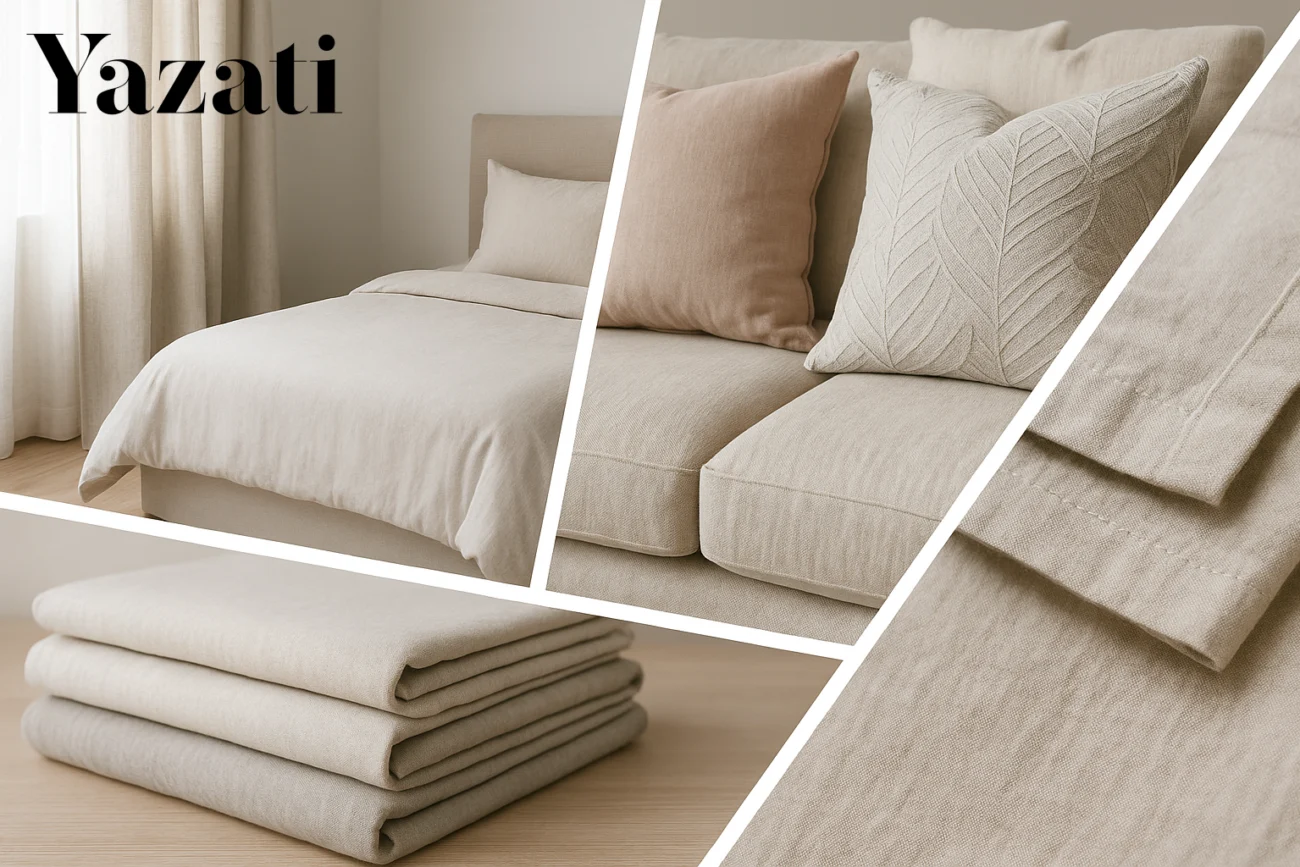
Introduction to the Global Home Textile Export Market
The global home textile industry has witnessed an incredible transformation over the past decade. With the rise of online retail and an increasing appreciation for artisanal craftsmanship, products like curtains, cushions, and linen have evolved from mere home essentials into expressions of lifestyle and identity. Countries such as India, Turkey, and China dominate this market, exporting billions worth of decorative fabrics and home furnishings annually.
Yet, among these giants stands a rising name — Yazati — a brand redefining how home textile exports are managed, designed, and delivered. The Yazati Model represents a blueprint for sustainable, ethical, and profitable export operations that balance art, technology, and commerce.
The Growing Demand for Curtains, Cushions, and Linen
Consumers across Europe, the Middle East, and North America are increasingly drawn to soft furnishings that combine cultural flair with modern functionality. Curtains no longer serve as simple window covers; they represent elegance and design identity. Cushions, once accessories, are now statement pieces, and linen—long prized for its durability—is celebrated for its eco-friendly nature.
As this demand grows, exporters face pressure to deliver high-quality, eco-conscious, and customizable products. This is where The Yazati Model steps in, offering a structured, value-driven approach to production and trade.
Key Challenges Faced by Textile Exporters
Despite lucrative opportunities, textile exporters grapple with:
- Rising production costs due to labor and material expenses.
- Supply chain disruptions post-pandemic.
- Stringent sustainability regulations in Western markets.
- High competition from low-cost manufacturers.
The Yazati Model addresses these challenges through a balanced mix of innovation, technology, and ethical sourcing, ensuring profitability without compromise.
Understanding The Yazati Model of Export Excellence
The Origins of Yazati: A Vision Rooted in Craftsmanship
Founded with a deep respect for India’s textile heritage, Yazati began as a small artisan-led brand. Its founders envisioned global recognition for locally made décor products, emphasizing quality over quantity. What started as a boutique operation evolved into a globally recognized exporter of curtains, cushions, and linen.
Core Principles Behind The Yazati Model
At the heart of the Yazati Model lie three pillars:
- Sustainability – Eco-friendly dyes, organic fabrics, and waste reduction.
- Innovation – Smart fabrics, digital design, and trend forecasting.
- Cultural Authenticity – Designs that celebrate traditional artistry.
How Yazati Balances Tradition with Innovation
Yazati merges handwoven techniques with advanced textile technologies, ensuring each product carries both the soul of craftsmanship and the precision of modern production.
Product Focus: Curtains, Cushions, and Linen in Global Trade
Exporting Curtains: Blending Functionality and Aesthetics
Curtains are one of Yazati’s flagship exports. They combine energy-efficient materials with elegant patterns, meeting both decorative and functional needs. The brand’s blackout and thermal designs are particularly favored in European markets.
Exporting Cushions: Comfort, Culture, and Customization
Yazati’s cushions tell stories — from embroidered Indian motifs to minimalist Scandinavian patterns. Customization options allow clients to choose fabrics, fills, and finishes, creating unique collections for every region.
Exporting Linen: Sustainability and Luxury Combined
Linen remains Yazati’s signature material, sourced from eco-certified farms. It’s lightweight, breathable, and entirely biodegradable — aligning with the global push for sustainable luxury.
The Yazati Supply Chain: From Design to Delivery
Ethical Sourcing and Eco-Friendly Materials
Yazati partners with certified suppliers to ensure all materials meet environmental standards. Organic cotton, hemp, and flax form the foundation of their collections.
Manufacturing Efficiency and Quality Control
The brand invests in lean manufacturing techniques to reduce waste and energy consumption. Each product undergoes rigorous testing before export.
Global Distribution and Logistics Strategy
Yazati operates an agile logistics model, integrating smart inventory systems and real-time tracking for transparency with clients worldwide.
Market Expansion Strategies: The Yazati Way
Identifying Key International Markets
Yazati strategically targets markets like Germany, the UAE, and the USA — regions known for premium décor demand and appreciation for handcrafted quality.
Leveraging Digital Platforms and E-commerce
Through platforms like Alibaba, Etsy, and Amazon Handmade, Yazati connects directly with B2B and B2C clients, bypassing traditional intermediaries.
Building Long-Term Client Relationships
Their personalized service model ensures consistency, reliability, and trust — key ingredients for sustainable growth in exports.
Sustainability in Home Textile Exports
Yazati’s Green Manufacturing Initiatives
The company employs solar-powered facilities, recycles water, and minimizes chemical usage, contributing to a smaller carbon footprint.
The Role of Certifications and Transparency
Yazati proudly holds GOTS (Global Organic Textile Standard) and OEKO-TEX certifications — ensuring clients that every product is ethically made and safe.
Financial Insights: Profit Margins and Export Pricing Models
Managing Costs Without Compromising Quality
Through smart sourcing and efficient logistics, Yazati keeps prices competitive without sacrificing craftsmanship.
Pricing Strategies for Competitive Global Markets
The brand adopts a value-based pricing model, where clients pay for quality, authenticity, and sustainability rather than volume.
The Yazati Brand Identity and Global Recognition
Storytelling in Branding and Marketing
Yazati’s marketing focuses on storytelling — showcasing artisans, their techniques, and the cultural heritage behind each product.
Showcasing Indian Craftsmanship on a Global Scale
Through global trade fairs and collaborations, Yazati highlights India’s textile excellence, reinforcing its position as a global design ambassador.
Lessons from The Yazati Model for Emerging Exporters
Innovation, Adaptability, and Customer-Centric Design
New exporters can learn from Yazati’s approach — understanding evolving trends and integrating feedback-driven design development.
Building an Ethical and Scalable Business Model
By prioritizing fair wages, sustainable sourcing, and community empowerment, Yazati demonstrates that profitability and ethics can coexist.
Future Outlook: The Evolving Landscape of Home Textile Exports
Trends Shaping the Next Decade
Expect growth in smart fabrics, eco-textiles, and digital customization. The next generation of home décor will be sustainable, sensory, and story-driven.
How Yazati Plans to Stay Ahead
Yazati invests in R&D and global collaborations to remain at the forefront of innovation, expanding its digital and physical presence globally.
FAQs About Exporting Home Textiles
1. What makes The Yazati Model unique?
Its combination of sustainability, design innovation, and ethical trade practices sets it apart.
2. How can small exporters emulate Yazati’s success?
By focusing on niche markets, storytelling, and quality-driven growth.
3. Which markets are best for exporting home textiles?
Europe, North America, and the Middle East are top-performing markets.
4. What certifications are essential for textile exports?
GOTS, OEKO-TEX, and Fair Trade certifications enhance trust and compliance.
5. How does Yazati ensure eco-friendly production?
Through renewable energy, sustainable sourcing, and waste minimization.
6. Is there a growing trend toward customized home décor exports?
Yes — personalization is a key differentiator in modern home textile exports.
Conclusion: The Yazati Model — A Blueprint for Global Success
The Yazati Model isn’t just a business framework; it’s a philosophy. By merging ethical craftsmanship with modern innovation, Yazati has become a shining example of how exporting curtains, cushions, and linen can drive both global growth and social impact. It’s a reminder that sustainability and profitability are not opposites — they’re partners in progress.
✨ Discover Global Sourcing Excellence with Netyex ✨
Netyex is your trusted B2B sourcing partner, connecting international buyers with India’s finest manufacturers and curated product lines—from handicrafts and home décor to kitchenware, textiles, hospitality essentials, and more. With verified suppliers and end-to-end support, we make global procurement seamless, reliable, and efficient.
👉 Elevate your sourcing experience—explore Netyex today.
📦 Bulk orders & customisation | 🌍 Worldwide delivery | 🤝 Trusted by global buyers
Visit Netyex to source premium Indian products with confidence.