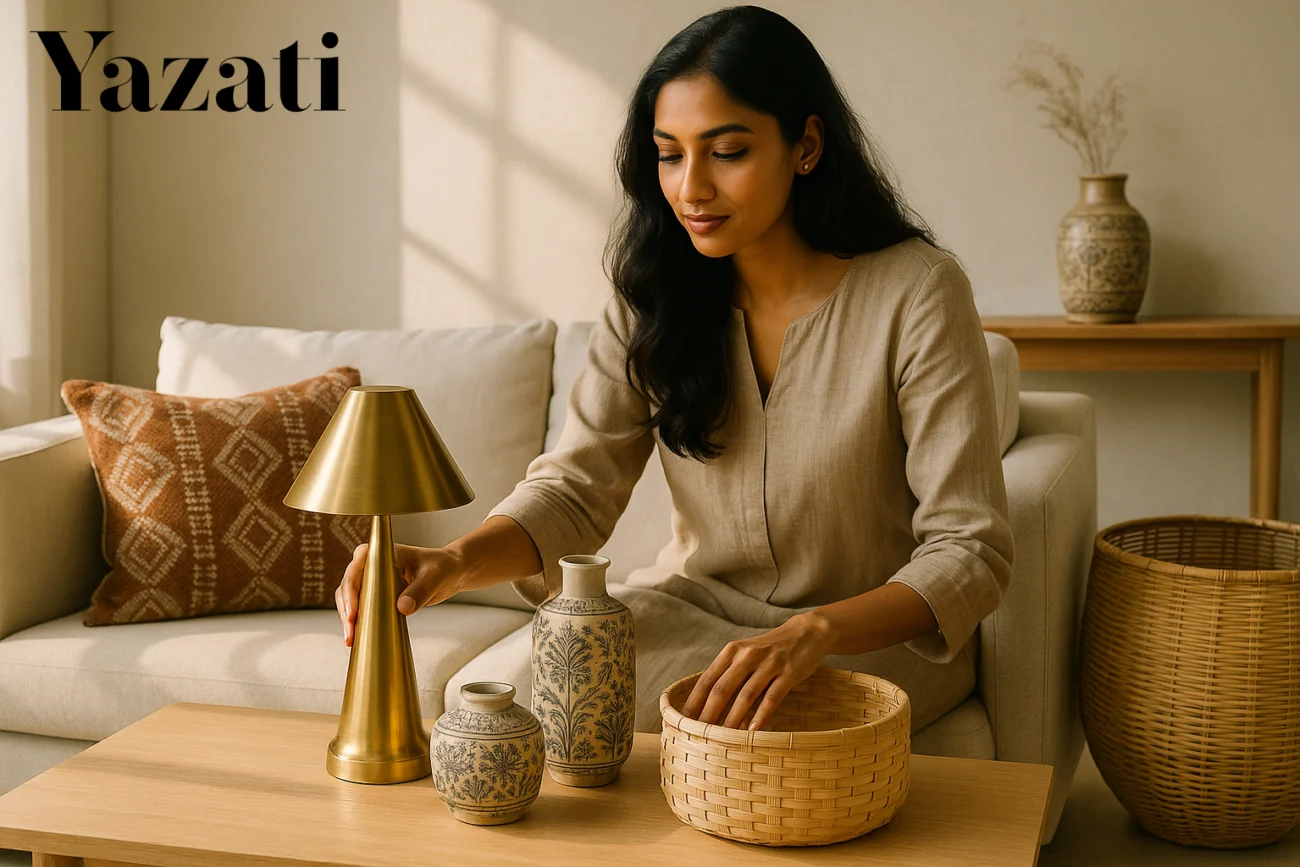
Introduction: The Global Love for Indian Home Aesthetics
Over the past decade, Indian home accessories have moved from local bazaars to international showrooms, becoming a symbol of artistry, heritage, and sustainable living. From New York penthouses to Parisian studios, consumers are increasingly embracing the warm, handcrafted charm of Indian décor. This global trend isn’t just about design — it’s about storytelling, authenticity, and the soul that each handmade product carries.
Global buyers are now seeking items that have meaning — not just mass appeal. Indian home accessories deliver exactly that: a blend of beauty, tradition, and eco-conscious craftsmanship that feels both timeless and modern.
A Glimpse into India’s Rich Craft Heritage
The Cultural Tapestry Behind Indian Craftsmanship
India’s craft traditions are deeply rooted in its 5,000-year-old civilization. Every region of India has a distinctive craft — from Rajasthani mirror work to Kashmiri papier-mâché and South Indian brass art. These crafts tell stories of dynasties, festivals, and local folklore.
How Traditional Skills Are Passed Down Through Generations
Unlike factory-made products, Indian home accessories are crafted by artisans who inherit their skills through generations. In villages, families often collaborate, with elders shaping, painting, and weaving while the younger generation experiments with design and color palettes inspired by global trends.
The Rise of Indian Home Décor in Global Markets
Export Boom: From Local Artisans to Global Retail Giants
According to India’s Export Promotion Council for Handicrafts, the country’s handicraft exports have grown steadily in the last few years. Major retailers like IKEA, West Elm, and Anthropologie now feature Indian collections, bridging local artistry with international markets.
E-commerce and Social Media as Catalysts for Growth
Digital platforms have revolutionized access. Websites like Etsy, Amazon Handmade, and global trade fairs have made it possible for small artisans to reach audiences across continents. Social media influencers, particularly in the home décor niche, have also played a key role in highlighting the authenticity and beauty of Indian craftsmanship.
Why Indian Home Accessories Stand Out
Uniqueness in Design and Symbolism
Each Indian décor item carries deep symbolism — elephants representing prosperity, lotus motifs symbolizing purity, or mandala patterns depicting harmony. This unique blend of art and meaning gives Indian accessories emotional value beyond aesthetics.
Use of Sustainable and Natural Materials
Indian artisans often use eco-friendly materials like jute, bamboo, terracotta, cotton, and recycled metals. These materials not only reduce carbon footprints but also align with the global shift toward sustainable consumption.
Affordable Luxury and Artisanal Appeal
Indian décor finds the sweet spot between luxury and affordability. Handcrafted brass lamps or embroidered cushions can look boutique-level elegant without an extravagant price tag — appealing to the conscious global buyer.
Categories of Indian Home Accessories Winning International Hearts
Handcrafted Textiles and Embroidered Cushions
India’s textile tradition is unmatched — think block-printed bed linens from Jaipur or handwoven throws from Bengal. Each piece adds warmth and color, transforming minimalist spaces into cozy sanctuaries.
Brassware, Copper Décor, and Traditional Lamps
Metal artistry from Moradabad and Kerala has become a global favorite. Their antique finish and intricate designs blend well with both modern and traditional interiors.
Eco-Friendly Baskets, Rugs, and Wall Hangings
With the sustainability wave, woven baskets, macramé hangings, and jute rugs have become must-have décor staples. Their earthy tones and natural textures appeal to the minimalist yet nature-loving aesthetic.
How Modern Designers Are Reimagining Indian Tradition
Fusion of Contemporary Design with Traditional Motifs
Modern Indian designers have mastered the art of blending tradition with innovation. While the soul of Indian décor remains rooted in cultural motifs, today’s creations often feature minimalist shapes, pastel tones, and clean lines to suit contemporary tastes. This East-meets-West aesthetic makes Indian home accessories universally appealing.
For instance, a traditional brass diya (lamp) may now come in geometric forms or matte finishes, fitting perfectly into Scandinavian or modern boho interiors. This ability to evolve without losing authenticity has made Indian craftsmanship relevant in the global design conversation.
Collaborations Between Indian Artisans and Global Brands
Collaborations have brought new life to traditional crafts. Major design houses and retailers such as IKEA, West Elm, and Anthropologie frequently partner with Indian artisan communities to co-create limited-edition collections. These collaborations not only elevate the visibility of Indian craft but also ensure fair wages, global exposure, and cultural exchange.
Such partnerships demonstrate that traditional craftsmanship can coexist with modern production systems — creating décor that’s meaningful, ethical, and timeless.
The Role of Sustainability and Ethical Production
Fair Trade Practices Empowering Rural Artisans
The global décor market is shifting toward conscious consumerism. Buyers are not just interested in how products look, but how they’re made. Many Indian home accessory brands now operate under Fair Trade certifications, ensuring artisans are paid fairly and work in safe conditions.
Organizations like Dastkar and Crafts Council of India have been instrumental in linking rural artisans to international markets, helping preserve endangered crafts while providing sustainable livelihoods.
Eco-conscious Manufacturing and Zero Waste Crafting
From upcycled fabric cushions to bamboo lighting, Indian creators are leading the way in eco-conscious décor. Many studios adopt a zero-waste philosophy, using leftover materials to create smaller items like coasters or wall hangings. This practice not only reduces waste but enhances the storytelling aspect of each item — every product has a purpose and history.
Global Consumer Trends Favoring Indian Décor
The Shift Toward Mindful and Meaningful Purchases
Post-pandemic, global consumers are drawn to objects that evoke comfort, meaning, and authenticity. Indian décor offers exactly that — handcrafted warmth in a world dominated by machine-made perfection. Consumers now want their homes to tell stories, to reflect cultural diversity and individuality.
Rise of Cultural Appreciation Over Mass Production
There’s also a growing respect for cultural authenticity. Instead of cultural appropriation, buyers are now actively seeking to appreciate and support the original creators of traditional designs. This shift aligns perfectly with Indian handicrafts, which carry centuries of cultural narratives embedded in every weave, paint stroke, or carving.
Case Studies: Indian Brands Creating International Buzz
Good Earth: Blending Heritage with Modernity
Good Earth has become synonymous with luxury Indian living. Known for its hand-painted ceramics, silk cushions, and Mughal-inspired patterns, the brand has successfully positioned itself as an icon of contemporary Indian heritage. Its products have graced homes from Mumbai to Milan, reflecting how tradition and elegance can transcend borders.
Chumbak and Nicobar: Playful Yet Premium Indian Designs
While Good Earth champions luxury, Chumbak and Nicobar appeal to younger, urban audiences with quirky, modernized takes on Indian motifs. Their collections — from animal-themed planters to vibrant tableware — show how Indian design can be both globally relevant and fun. These brands have mastered the art of storytelling through design, making them favorites among millennials and expats alike.
The Role of Social Media Influencers and Home Stylists
Instagram and Pinterest Driving Décor Inspiration
Social media has become the new showroom for Indian home accessories. Influencers and interior stylists regularly showcase Indian pieces — whether it’s a Jaipur rug in a London loft or a Kerala brass lamp in a New York living room. Hashtags like #EthicalHomeDecor and #IndianCraftRevival have helped spread awareness and admiration for Indian artistry.
Celebrity Homes Featuring Indian Art and Textiles
From Priyanka Chopra’s Los Angeles residence to Gigi Hadid’s Indian-inspired New York apartment, celebrity endorsements have also fueled the trend. High-profile designers and global celebrities embracing Indian décor have normalized the fusion of traditional and modern styles in global interior design.
Challenges in Scaling Indian Handicraft Exports
Quality Control and Consistency Issues
While global demand is rising, scaling production without compromising quality remains a key challenge. Handcrafted products inherently vary in texture, color, and finish — traits that make them beautiful but harder to standardize for export. Training artisans in quality control and packaging standards is essential to maintain trust in global markets.
Competing with Machine-Made Global Décor
Indian artisans face competition from low-cost, mass-produced alternatives from other countries. However, their unique value lies in craftsmanship and storytelling — qualities machines can’t replicate. Many exporters now emphasize limited-edition collections and artisanal exclusivity to differentiate from generic décor products.
The Future of Indian Home Accessories in Global Retail
Potential Growth in Western and Asian Markets
Experts predict exponential growth in Western markets, particularly in the U.S., U.K., and Japan — where sustainable and handcrafted products are gaining traction. As consumers prioritize authenticity and eco-conscious living, Indian décor brands are expected to occupy an even larger share of the global home goods market.
The Digital Future: Virtual Craft Fairs and AR Shopping
Technology will further revolutionize how Indian home accessories reach consumers. Virtual reality (VR) and augmented reality (AR) tools allow buyers to visualize products in their spaces before purchasing. Digital craft fairs and virtual showrooms are opening doors for thousands of artisans to connect directly with international customers — without middlemen.
Conclusion: India’s Global Design Revolution
The rise of Indian home accessories in global markets isn’t just a trend — it’s a cultural renaissance. By blending heritage with innovation, Indian artisans are reshaping global design narratives, proving that authenticity, sustainability, and artistry will always have a place in modern homes.
As the world seeks décor that tells stories and connects cultures, India stands at the forefront — not just as a supplier, but as a source of inspiration and creative excellence.
FAQs
1. Why are Indian home accessories so popular internationally?
Because they offer a perfect mix of tradition, craftsmanship, and sustainability — adding warmth and character to modern homes.
2. Which Indian home décor products sell best globally?
Textiles, brassware, ceramics, jute baskets, and hand-painted furniture are among the top-selling categories worldwide.
3. How does sustainability play a role in their success?
Eco-friendly materials like jute, bamboo, and recycled metals align with global demand for sustainable products, making Indian décor highly desirable.
4. Are Indian artisans benefiting from global sales?
Yes. Fair Trade programs and ethical export models ensure artisans receive fair compensation and international exposure.
5. How do brands maintain authenticity while scaling?
By preserving traditional techniques while adapting designs for global appeal, ensuring cultural integrity and market relevance.
6. What is the future of Indian décor in international markets?
The future is bright — digital exports, global collaborations, and cultural appreciation are driving continued growth for Indian home accessories.
✨ Discover Global Sourcing Excellence with Netyex ✨
Netyex is your trusted B2B sourcing partner, connecting international buyers with India’s finest manufacturers and curated product lines—from handicrafts and home décor to kitchenware, textiles, hospitality essentials, and more. With verified suppliers and end-to-end support, we make global procurement seamless, reliable, and efficient.
👉 Elevate your sourcing experience—explore Netyex today.
📦 Bulk orders & customisation | 🌍 Worldwide delivery | 🤝 Trusted by global buyers
Visit Netyex to source premium Indian products with confidence.