Introduction: The Rise of Handmade Home Décor
In recent years, handmade home décor has made a powerful comeback, attracting homeowners who crave authenticity and individuality. Unlike factory-made items churned out in massive quantities, handmade décor carries a personal touch—crafted by artisans who pour their creativity and emotion into every detail.
As people grow more conscious of their environmental footprint and long for unique interiors, the appeal of handmade craftsmanship continues to rise. But why exactly does handmade home décor offer better value than factory products? Let’s explore.
The Growing Appeal of Personalized Design
Mass-produced décor often lacks personality. Every item looks identical, stripped of originality. Handmade décor, on the other hand, reflects artistic diversity and tells a story. Each brushstroke, carving, or woven thread holds the artisan’s signature touch.
This sense of individuality transforms a house into a home—filled with warmth, meaning, and charm that can’t be replicated by machines.
Shift Toward Conscious Consumerism
Today’s consumers are rethinking their purchasing habits. Instead of prioritizing cheap, disposable décor, they’re choosing products that last longer and have a smaller environmental impact. Handmade décor fits perfectly into this mindset—it’s not just a product; it’s a statement of values.
Understanding Handmade Home Décor
What Qualifies as Handmade Home Décor
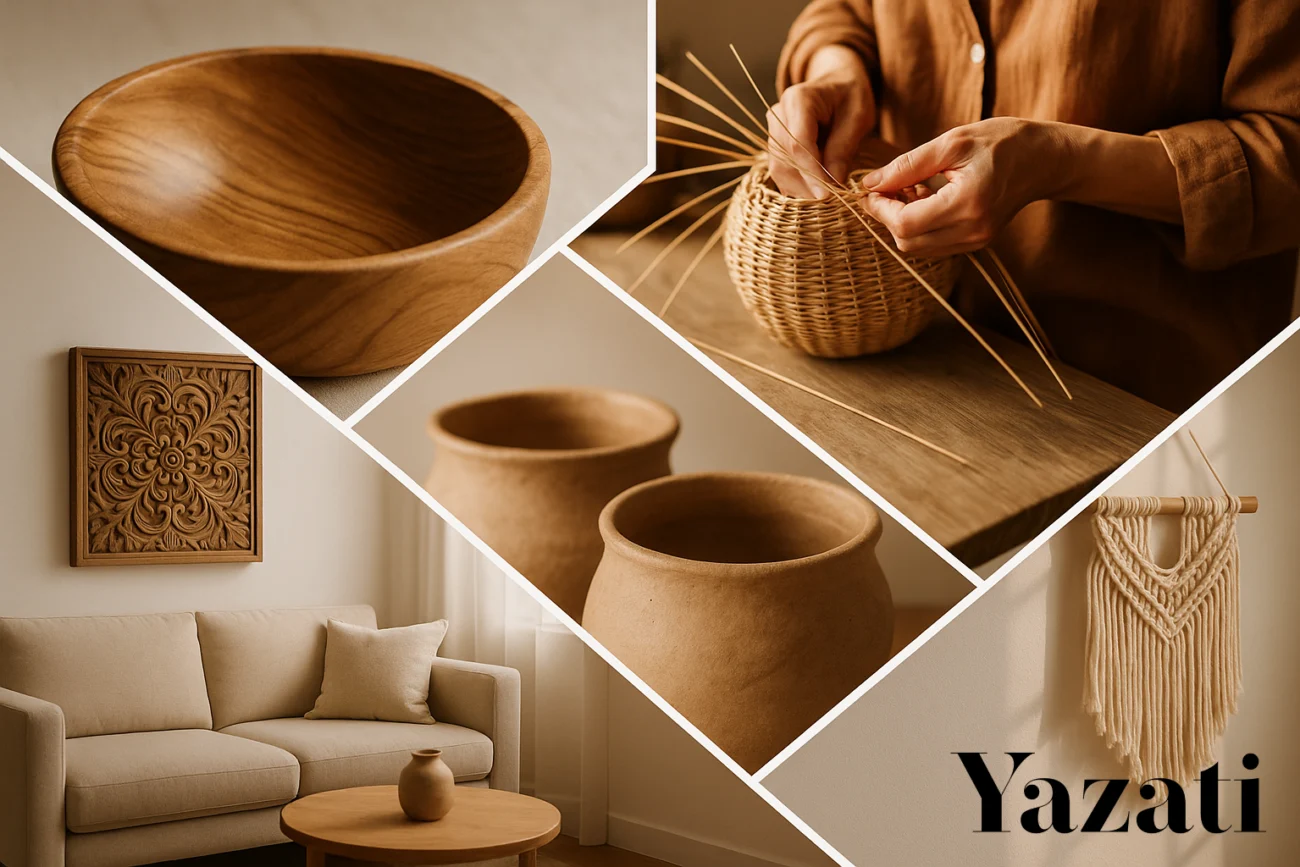
Handmade home décor includes any item created by skilled artisans without large-scale machinery. Examples include pottery, macramé wall hangings, handwoven rugs, ceramic vases, and wooden sculptures. Each piece undergoes a careful process that emphasizes creativity, time, and attention to detail.
Traditional Craftsmanship vs. Mass Production
Factory-made décor relies on automation to produce thousands of identical items quickly. Handmade craftsmanship, however, embraces imperfections as marks of authenticity. While machines focus on efficiency, artisans focus on expression.
This human element adds emotional and aesthetic depth that no factory can replicate.
Why Handmade Home Décor Offers Better Value
1. Uniqueness and Artistic Expression
Every handmade item is one-of-a-kind. The subtle differences in texture, color, and shape make each piece special. Factory products are mass-cloned; handmade creations are personalized works of art.
Owning handmade décor is like owning a piece of the artist’s soul—something that resonates beyond simple decoration.
2. Durability and Quality of Materials
Artisans typically use premium materials and time-tested techniques, ensuring long-lasting quality. Unlike synthetic factory alternatives, handmade items are crafted with durability in mind, using natural, sustainable resources such as reclaimed wood, organic cotton, or natural clay.
3. Ethical and Sustainable Production Practices
Factory production often involves exploitative labor and environmental pollution. In contrast, handmade décor supports ethical labor practices, fair wages, and eco-friendly production. Choosing handmade means supporting a cleaner, more equitable world.
4. Cultural Preservation and Storytelling
Handmade items often represent cultural heritage and traditional craftsmanship passed down through generations. By purchasing these pieces, you help preserve ancient techniques and local art forms that might otherwise disappear.
5. Customization and Personal Connection
Many artisans offer customization options, allowing you to request specific colors, patterns, or designs. This connection between maker and buyer fosters emotional attachment and satisfaction that factory products simply can’t offer.
Comparing Handmade vs. Factory-Made Décor
Price vs. Value: The True Cost of Mass Production
While factory-made décor might seem cheaper upfront, it often sacrifices quality and longevity. Handmade items, although initially more expensive, provide better long-term value. Think of it as an investment in artistry rather than an expense.
Longevity and Emotional Value Over Time
Handmade products age gracefully, often becoming family heirlooms. The more you use them, the more meaningful they become—something no machine can mass-produce.
Environmental Impact and Carbon Footprint
Factory production involves heavy machinery, toxic dyes, and long shipping distances. Handmade décor usually uses local materials, minimal packaging, and low-energy methods—making it a significantly greener choice.
Supporting Artisans and Local Communities
Economic Empowerment Through Craftsmanship
Buying handmade supports small businesses and local economies. Each purchase helps artisans sustain their livelihoods, fund their workshops, and train new generations.
The Social Impact of Buying Handmade
When you buy directly from makers, you foster community, connection, and appreciation for human creativity. Every purchase becomes a small act of positive change.
How to Identify Genuine Handmade Products
Red Flags for Mass-Produced “Handmade” Imitations
Be cautious of items labeled “handmade” but sold in bulk. True handmade products often show small imperfections and natural variations—proof of their authenticity.
Certifications and Artisan Associations
Look for certifications from recognized artisan organizations, fair-trade labels, or cultural heritage programs to ensure you’re purchasing from legitimate creators.
Styling Tips for Incorporating Handmade Décor at Home
Blending Handmade Pieces with Modern Interiors
Combine handmade ceramics, textiles, and wooden furniture with modern aesthetics to create a warm, inviting space. The blend of old and new brings depth and harmony to your décor.
Curating a Space That Reflects Your Story
Each handmade item tells a story—combine them thoughtfully to create an interior that reflects your personality, travels, and experiences.
FAQs
1. Is handmade home décor more expensive than factory products?
Generally, yes—but you’re paying for quality, craftsmanship, and durability. Handmade décor is a long-term investment rather than a short-term purchase.
2. How do I know if an item is genuinely handmade?
Authentic handmade items will have slight imperfections, natural textures, and direct artisan attribution. Avoid sellers who offer identical “handmade” items in bulk.
3. Why is handmade décor considered more sustainable?
Because it uses natural materials, local resources, and minimal machinery—reducing carbon emissions and waste.
4. Are handmade items durable enough for everyday use?
Absolutely. Most artisans prioritize high-quality craftsmanship and materials designed to last for decades.
5. Can handmade décor increase the value of my home?
Yes. Unique pieces add character and distinction to your home, making it stand out to buyers and guests alike.
6. Where can I find authentic handmade home décor?
Explore local artisan markets, certified online craft stores, and fair-trade websites like Etsy.
Conclusion: Investing in Meaning Over Mass Production
In the end, handmade home décor offers more than just aesthetic appeal—it offers authenticity, sustainability, and soul. Every handmade piece carries a human touch, a story, and a purpose.
Choosing handmade isn’t just about decorating your home—it’s about valuing craftsmanship, supporting communities, and embracing a more mindful way of living.
✨ Discover Global Sourcing Excellence with Netyex ✨
Netyex is your trusted B2B sourcing partner, connecting international buyers with India’s finest manufacturers and curated product lines—from handicrafts and home décor to kitchenware, textiles, hospitality essentials, and more. With verified suppliers and end-to-end support, we make global procurement seamless, reliable, and efficient.
👉 Elevate your sourcing experience—explore Netyex today.
📦 Bulk orders & customisation | 🌍 Worldwide delivery | 🤝 Trusted by global buyers
Visit Netyex to source premium Indian products with confidence.