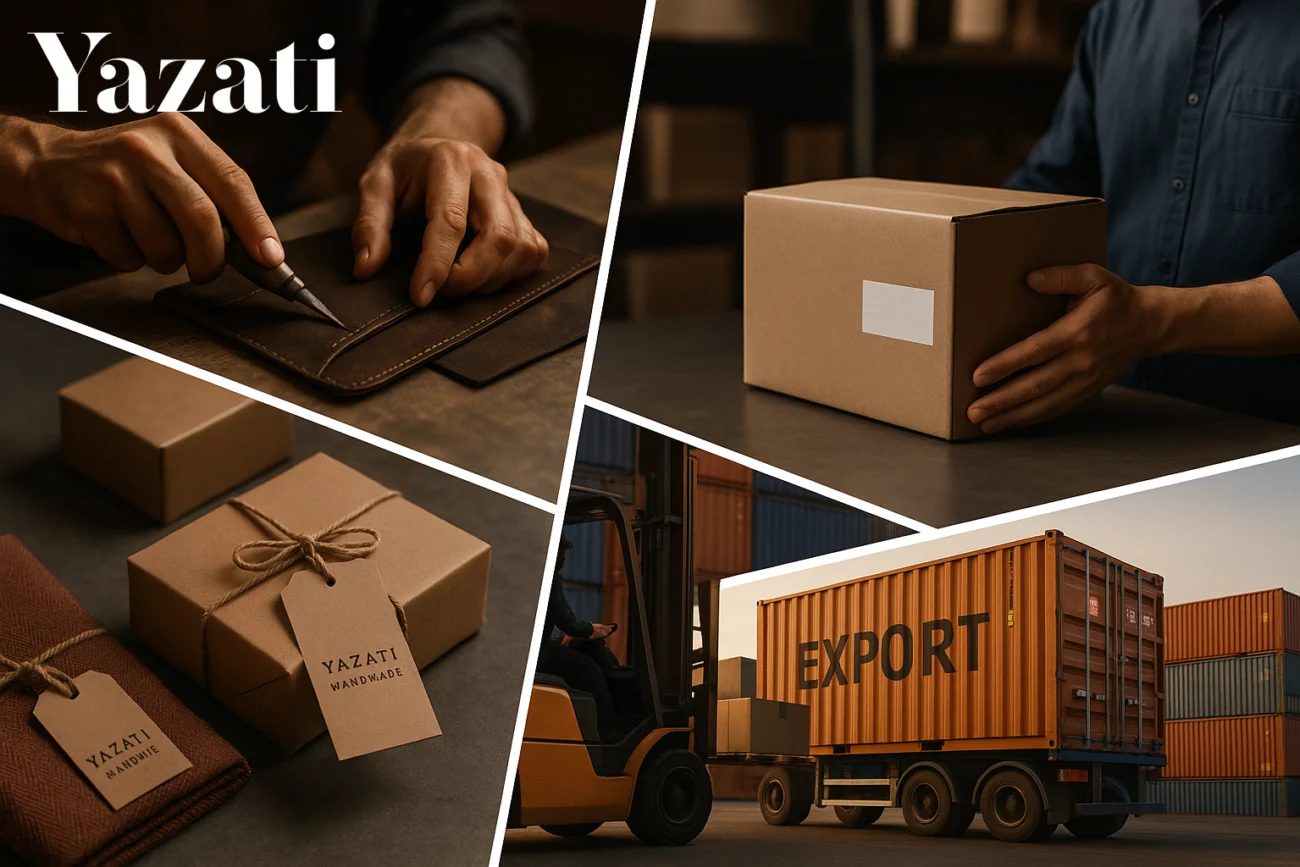
Introduction: The Art and Ambition Behind Yazati Exports
In a world where mass production dominates, Yazati stands as a symbol of timeless craftsmanship and cultural pride. Each Yazati product—be it a handwoven textile, intricately carved decor, or artisanal jewelry—tells a story of tradition, skill, and dedication. But behind every masterpiece lies an incredible export journey, one that bridges local artistry with global demand.
The phrase “From Craft to Cargo” perfectly captures this transformation. It’s not just about transporting goods; it’s about carrying heritage, emotion, and authenticity across borders.
Understanding Yazati: A Legacy of Craftsmanship
Origins and Philosophy of the Yazati Brand
The Yazati name traces its roots to ancient traditions of handcrafted excellence. Established with a mission to preserve artistry while empowering local craftsmen, the brand has evolved into a symbol of sustainable luxury. Its products reflect deep respect for nature, community, and cultural heritage.
The Cultural Essence Embedded in Each Product
Every Yazati creation embodies cultural symbolism—patterns inspired by ancient art, natural dyes from local flora, and crafting techniques passed down for generations. These products aren’t merely commodities; they’re cultural ambassadors representing centuries of skill and spirituality.
Stage 1: The Creative Genesis – Designing a Yazati Masterpiece
Traditional Techniques Meet Modern Design
The creation of a Yazati product begins with design sketches inspired by folklore and nature. The brand’s design teams collaborate with artisans to merge traditional aesthetics with contemporary trends, ensuring global appeal without losing authenticity.
Quality Materials and Ethical Sourcing
Sustainability begins at the source. Yazati prioritizes locally sourced, eco-friendly materials—organic cotton, ethically mined stones, and natural dyes. The brand’s commitment to ethical procurement ensures both environmental protection and fair compensation for suppliers.
Stage 2: Crafting with Precision – From Vision to Reality
The Artisans Behind the Magic
Each Yazati product passes through skilled hands that have mastered their craft over decades. From weaving and embroidery to metalwork and woodcarving, these artisans infuse passion and precision into every detail.
Quality Control and Brand Standards
Before any item is prepared for export, it undergoes a rigorous quality assurance process. Yazati enforces strict inspection protocols to maintain consistency in texture, color, and durability. Only those pieces meeting international quality standards proceed to the next stage—packaging and shipment.
Stage 3: Preparing for Export – The Packaging and Preservation Process
Sustainable Packaging Choices
Yazati’s packaging strategy mirrors its environmental ethos. Products are wrapped in biodegradable materials, reusable boxes, and eco-inks that reduce waste. Beyond aesthetics, packaging also plays a vital role in protecting delicate items during transit.
Product Labeling and Compliance Standards
Every Yazati export must comply with international labeling norms—origin details, material composition, and sustainability certifications. This transparency builds trust among global buyers and aligns with international trade ethics.
Stage 4: Navigating Export Logistics – From Local Workshop to Global Market
Documentation and Customs Regulations
Exporting artisanal products involves detailed documentation—commercial invoices, certificates of origin, export licenses, and customs declarations. Yazati’s logistics team ensures compliance with both domestic and foreign trade regulations, streamlining the clearance process.
Freight, Insurance, and Handling Protocols
Once approved, products are carefully shipped via air or sea freight, depending on destination and urgency. Comprehensive insurance policies protect against loss or damage, safeguarding the artisans’ hard work during international transport.
Stage 5: Arrival and Distribution – Landing Yazati in Global Stores
Importer Partnerships and Distribution Channels
Upon arrival, Yazati collaborates with trusted importers, boutiques, and luxury retailers worldwide. These partnerships ensure the brand reaches discerning customers who value authenticity and craftsmanship.
Branding and Retail Placement Strategies
From online platforms to premium showrooms, Yazati curates every customer touchpoint to reflect its brand story. Elegant displays, storytelling labels, and social campaigns emphasize the “craft to cargo” journey—making each purchase emotionally resonant.
The Impact of Globalization on Yazati’s Craft Identity
Balancing Authenticity with Scale
Global demand often pressures artisanal brands to scale rapidly. Yazati maintains equilibrium by investing in artisan training, ethical sourcing, and controlled production volumes, ensuring authenticity remains at the heart of expansion.
The Role of Technology in Modern Exports
Digital platforms, AI-driven inventory systems, and blockchain traceability help Yazati streamline logistics while preserving product transparency. Technology empowers traditional crafts to compete in global e-commerce ecosystems.
Challenges in Exporting Artisanal Products
Regulatory, Logistical, and Cultural Barriers
Different import laws, shipping costs, and consumer expectations pose challenges for small-scale exporters. Yazati’s experience in adapting packaging, certifications, and storytelling per market ensures smoother entry into diverse regions.
Maintaining Product Integrity Across Borders
Climate variations, handling conditions, and long-distance transport can affect product quality. Yazati uses advanced preservation techniques and eco-safe desiccants to ensure items arrive in pristine condition.
Sustainability and Ethical Trade Practices in Yazati Exports
Fair Trade and Community Empowerment
By adhering to fair-trade principles, Yazati uplifts artisan communities with stable income, skill development, and equal opportunities. Every purchase contributes directly to local livelihoods.
Green Supply Chain Initiatives
From solar-powered workshops to carbon-neutral shipping, Yazati’s sustainability initiatives reduce environmental impact while setting new benchmarks for responsible luxury.
Success Stories: Yazati Products in the International Market
Case Studies from Europe, Asia, and the Middle East
In Europe, Yazati textiles have become staples in boutique stores. In the Middle East, handcrafted jewelry has gained popularity for its symbolism and purity. Each market highlights Yazati’s universal appeal—rooted in tradition yet adaptable to modern lifestyles.
Customer Response and Global Recognition
With increasing global appreciation for artisanal authenticity, Yazati has earned accolades in trade fairs, cultural exhibitions, and online marketplaces, solidifying its position as a global craft ambassador.
Future of Yazati Exports: Innovation, Expansion, and Legacy
Integrating Digital Marketplaces and AI in Exports
The next frontier for Yazati lies in expanding digital reach. E-commerce platforms, AI-powered marketing, and virtual trade expos are helping artisans connect directly with global buyers.
Building a Global Brand Identity Rooted in Tradition
Yazati’s future is guided by a simple yet powerful vision—celebrating heritage while embracing innovation. As global markets evolve, the brand continues to champion authenticity, artistry, and ethical excellence.
Frequently Asked Questions (FAQs)
1. What makes Yazati products unique for export?
Each Yazati item embodies authentic craftsmanship, ethical sourcing, and sustainable practices, making it distinct in the global market.
2. How does Yazati ensure product quality during export?
Through strict quality control, eco-friendly packaging, and insured logistics systems that maintain product integrity across borders.
3. Where are Yazati products primarily exported?
Major export destinations include Europe, the Middle East, North America, and select parts of Asia.
4. Are Yazati’s exports environmentally sustainable?
Yes. The brand employs biodegradable packaging, renewable energy, and carbon-neutral shipping initiatives.
5. How does Yazati support its artisans?
By ensuring fair wages, providing skill enhancement workshops, and maintaining long-term artisan partnerships.
6. Can consumers buy Yazati products directly online?
Absolutely. Yazati’s official website and verified e-commerce partners offer direct global shipping options.
Conclusion: The Global Odyssey of Yazati Craftsmanship
From humble workshops to high-end global stores, the journey of a Yazati product symbolizes more than export—it’s the voyage of culture, sustainability, and human creativity. Every shipment carries not just products but stories, connecting hands that craft with hearts that appreciate. Yazati’s success lies not only in trade but in its timeless mission to make the world a little more beautiful—one handcrafted masterpiece at a time.
✨ Discover Global Sourcing Excellence with Netyex ✨
Netyex is your trusted B2B sourcing partner, connecting international buyers with India’s finest manufacturers and curated product lines—from handicrafts and home décor to kitchenware, textiles, hospitality essentials, and more. With verified suppliers and end-to-end support, we make global procurement seamless, reliable, and efficient.
👉 Elevate your sourcing experience—explore Netyex today.
📦 Bulk orders & customisation | 🌍 Worldwide delivery | 🤝 Trusted by global buyers
Visit Netyex to source premium Indian products with confidence.