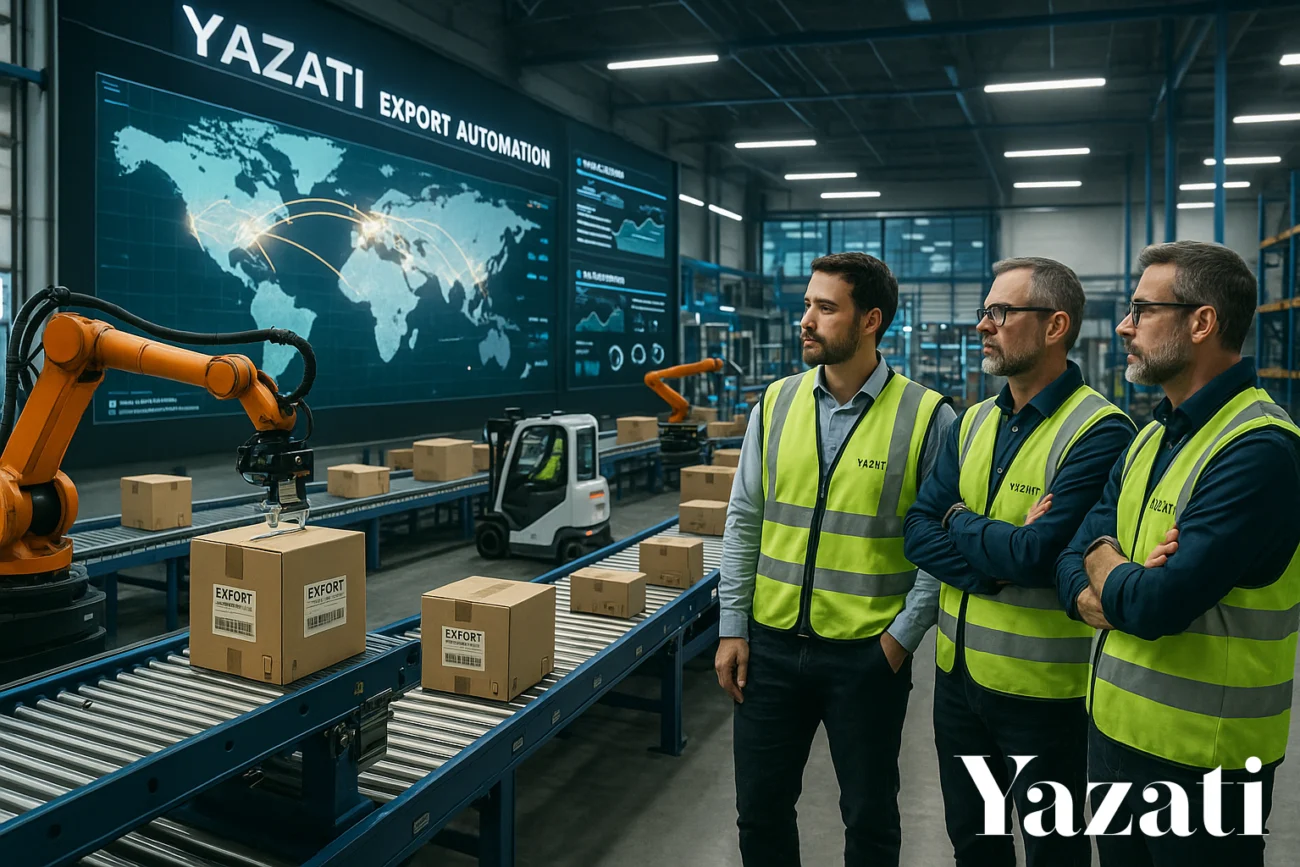
Introduction: The Global Shipping Revolution
Global trade has entered a new era — one defined by automation, data intelligence, and smart logistics systems. Companies that once relied on manual processes are now embracing advanced digital tools to optimize their export operations. At the heart of this transformation stands Yazati, a global shipping powerhouse that has successfully integrated export automation into its worldwide logistics network.
Export automation isn’t just a trend — it’s a strategic necessity in today’s fast-paced trade ecosystem. By digitizing customs paperwork, automating data entry, and implementing AI-driven analytics, Yazati has not only streamlined its export processes but also redefined the very concept of efficiency in international shipping.
Understanding Export Automation in Modern Logistics
What Is Export Automation?
Export automation refers to the use of technology-driven tools and systems to simplify, accelerate, and optimize export-related processes — from documentation and compliance checks to shipment tracking and delivery scheduling.
For instance, rather than manually entering export data into multiple systems, automation software can generate, verify, and transmit information in real-time, reducing processing time and human error.
The Evolution of Automation in International Trade
Automation in logistics isn’t new, but its scope and sophistication have evolved dramatically. Early systems focused on barcode scanning and document templates; today, AI, IoT, and blockchain drive global trade optimization.
Companies like Yazati have leveraged this evolution to gain a competitive advantage, enabling them to meet the rising demand for faster, more transparent, and cost-efficient exports.
Yazati: A Global Logistics Leader Embracing Innovation
The Story Behind Yazati’s Global Presence
Founded with a vision to simplify global trade, Yazati has expanded across continents, handling hundreds of export shipments daily. Its dedication to technology adoption has positioned it as a leader in automated logistics solutions.
Why Yazati Decided to Automate Its Export Operations
As international demand grew, Yazati faced challenges in managing complex compliance regulations, varied customs processes, and delayed documentation. The company turned to export automation as a way to enhance speed, reduce manual errors, and maintain consistency across its operations.
The Core Technologies Powering Yazati’s Export Automation
Artificial Intelligence and Machine Learning in Shipping
AI algorithms now predict shipping delays, optimize routes, and flag compliance anomalies. Yazati uses AI-driven analytics to forecast export trends, minimize downtime, and improve decision-making.
Internet of Things (IoT) and Smart Tracking Systems
IoT sensors attached to shipments provide real-time data on location, temperature, and handling conditions. Yazati’s centralized IoT platform allows clients to track goods from port to port with unparalleled accuracy.
Blockchain for Transparent Export Documentation
To combat document fraud and ensure transparency, Yazati adopted blockchain technology. This decentralized system ensures every export record is tamper-proof and verifiable, building trust among global stakeholders.
How Automation Has Transformed Yazati’s Export Workflow
Faster Documentation and Customs Clearance
Through automated form generation and electronic data interchange (EDI), Yazati now completes customs paperwork in minutes instead of hours. This efficiency reduces port delays and speeds up cross-border movement.
Reduced Human Error and Compliance Risks
Automation ensures accuracy by cross-checking shipment details against compliance databases, minimizing costly export violations.
Real-Time Visibility and Predictive Analytics
Yazati’s export teams leverage data-driven dashboards to monitor shipments, identify risks, and take corrective action — all before problems escalate.
The Benefits of Export Automation for Yazati’s Global Clients
Improved Delivery Times and Reliability
Automated scheduling and route optimization have helped Yazati achieve 98% on-time delivery, boosting client satisfaction and trust.
Cost Optimization and Resource Efficiency
With reduced paperwork and manual intervention, Yazati has saved millions in administrative costs annually, redirecting resources toward innovation.
Enhanced Customer Experience Through Data Insights
Yazati’s clients now enjoy customized reporting dashboards and predictive delivery insights, improving communication and transparency.
Overcoming Challenges in Automation Implementation
Even though Yazati’s export automation journey has been largely successful, it wasn’t without its challenges. Transitioning from traditional logistics systems to automated frameworks required strategic planning, extensive training, and technological foresight.
Integration with Legacy Systems
Yazati had decades of accumulated operational data stored in legacy systems that weren’t initially compatible with modern automation tools. The company needed to build customized API bridges to allow older databases to communicate with the new automation software.
By doing so, Yazati avoided data loss and ensured a smooth digital transition, maintaining full continuity in export operations.
Employee Training and Change Management
Automation doesn’t just transform systems—it transforms people and processes. Yazati recognized early that its workforce needed to adapt to new digital tools and mindsets. Through structured training programs, internal workshops, and a digital culture campaign, Yazati helped employees see automation as a career enhancement rather than a threat.
The result? Increased productivity, better morale, and a culture of innovation.
Cybersecurity and Data Protection Concerns
With more systems connected online, cybersecurity became a top priority. Yazati implemented advanced encryption protocols, multi-layer authentication, and AI-driven threat detection systems to secure sensitive export data. Compliance with global standards like GDPR and ISO 27001 further cemented its reputation as a trustworthy global logistics partner.
The Future of Export Automation at Yazati
Yazati views automation as an ongoing evolution rather than a one-time transformation. Its roadmap focuses on AI innovation, sustainability, and strategic global expansion.
Expanding AI Capabilities and Predictive Maintenance
Future plans include deeper integration of predictive maintenance systems, where AI will analyze equipment data to predict breakdowns before they happen. This proactive approach will minimize delays, ensuring zero downtime across global supply chains.
Sustainability and Green Shipping Goals
Automation also plays a crucial role in Yazati’s sustainability mission. By optimizing routes, reducing idle time, and eliminating redundant paperwork, Yazati is cutting both fuel consumption and carbon emissions.
The company’s goal by 2030 is to make 80% of its export operations carbon-neutral, aligning with the UN Sustainable Development Goals (SDGs) for responsible logistics.
Global Scalability and Smart Port Collaboration
Yazati is actively collaborating with smart ports and digital customs authorities worldwide. These partnerships enable real-time data exchange, smoother customs clearance, and integrated cargo tracking — all contributing to a faster, smarter, and more connected global export ecosystem.
How Other Exporters Can Learn from Yazati’s Automation Journey
Yazati’s story provides valuable insights for exporters worldwide aiming to modernize their operations and compete on a global scale.
Key Takeaways for Businesses Exploring Export Automation
- Start Small, Scale Fast: Begin with automating repetitive, high-volume tasks like documentation and invoicing before moving into advanced AI-driven logistics.
- Prioritize Integration: Ensure your new automation tools can integrate seamlessly with your existing ERP, CRM, and accounting systems.
- Invest in People: Empower employees with training and digital literacy. The best technology still needs skilled human operators.
- Measure Results: Track performance metrics—time saved, cost reduced, and errors eliminated—to justify ROI.
- Stay Agile: The logistics landscape evolves quickly. Regular updates and innovation cycles are key to long-term success.
Partnering with Technology Providers for Seamless Integration
Yazati’s success came in part from strategic collaborations with AI, IoT, and blockchain technology partners. Businesses that aim to replicate its model should consider forming partnerships with logistics tech providers that offer custom automation solutions, robust support, and compliance expertise.
For example, companies can explore platforms like TradeLens or SAP’s Global Trade Services to understand how digital trade ecosystems streamline operations globally.
FAQs About Export Automation and Yazati’s Global Shipping Transformation
1. What is export automation and why is it important for global logistics?
Export automation uses digital technologies like AI, IoT, and blockchain to streamline export processes. It’s essential because it reduces manual work, ensures compliance, and enhances shipment visibility—leading to faster, more accurate international trade.
2. How has Yazati benefited from adopting export automation?
Yazati has achieved faster documentation processing, reduced errors, improved transparency, and enhanced customer satisfaction. The company now delivers shipments more efficiently while cutting administrative costs.
3. What technologies does Yazati use in its automation system?
Yazati relies on AI for data analysis, IoT for real-time tracking, and blockchain for secure documentation. These technologies work together to create an integrated and transparent global logistics network.
4. Is export automation expensive to implement?
While initial setup costs can be significant, the long-term savings from reduced labor costs, faster operations, and fewer compliance errors far outweigh the investment. Many exporters see ROI within 12–18 months.
5. Can smaller exporters also adopt automation like Yazati?
Absolutely. Smaller exporters can start with cloud-based automation platforms that require minimal setup. Over time, these systems can scale to handle more complex export operations as the business grows.
6. How does automation support sustainable shipping practices?
Automation helps minimize waste, paper usage, and unnecessary transportation by optimizing routes and reducing idle time. Yazati’s automated export processes have already cut its carbon footprint significantly.
Conclusion: A Smarter, Faster, and More Sustainable Future
The journey of how export automation is changing the way Yazati ships worldwide illustrates the power of innovation in reshaping global trade. By embracing intelligent technologies, Yazati has proven that automation isn’t just about efficiency—it’s about creating a resilient, transparent, and sustainable export ecosystem.
In a world where speed, accuracy, and sustainability define competitiveness, Yazati stands as a blueprint for the future of international logistics. As automation continues to evolve, exporters who follow in Yazati’s footsteps will not only streamline operations but also set new global standards for excellence.
✨ Discover Global Sourcing Excellence with Netyex ✨
Netyex is your trusted B2B sourcing partner, connecting international buyers with India’s finest manufacturers and curated product lines—from handicrafts and home décor to kitchenware, textiles, hospitality essentials, and more. With verified suppliers and end-to-end support, we make global procurement seamless, reliable, and efficient.
👉 Elevate your sourcing experience—explore Netyex today.
📦 Bulk orders & customisation | 🌍 Worldwide delivery | 🤝 Trusted by global buyers
Visit Netyex to source premium Indian products with confidence.