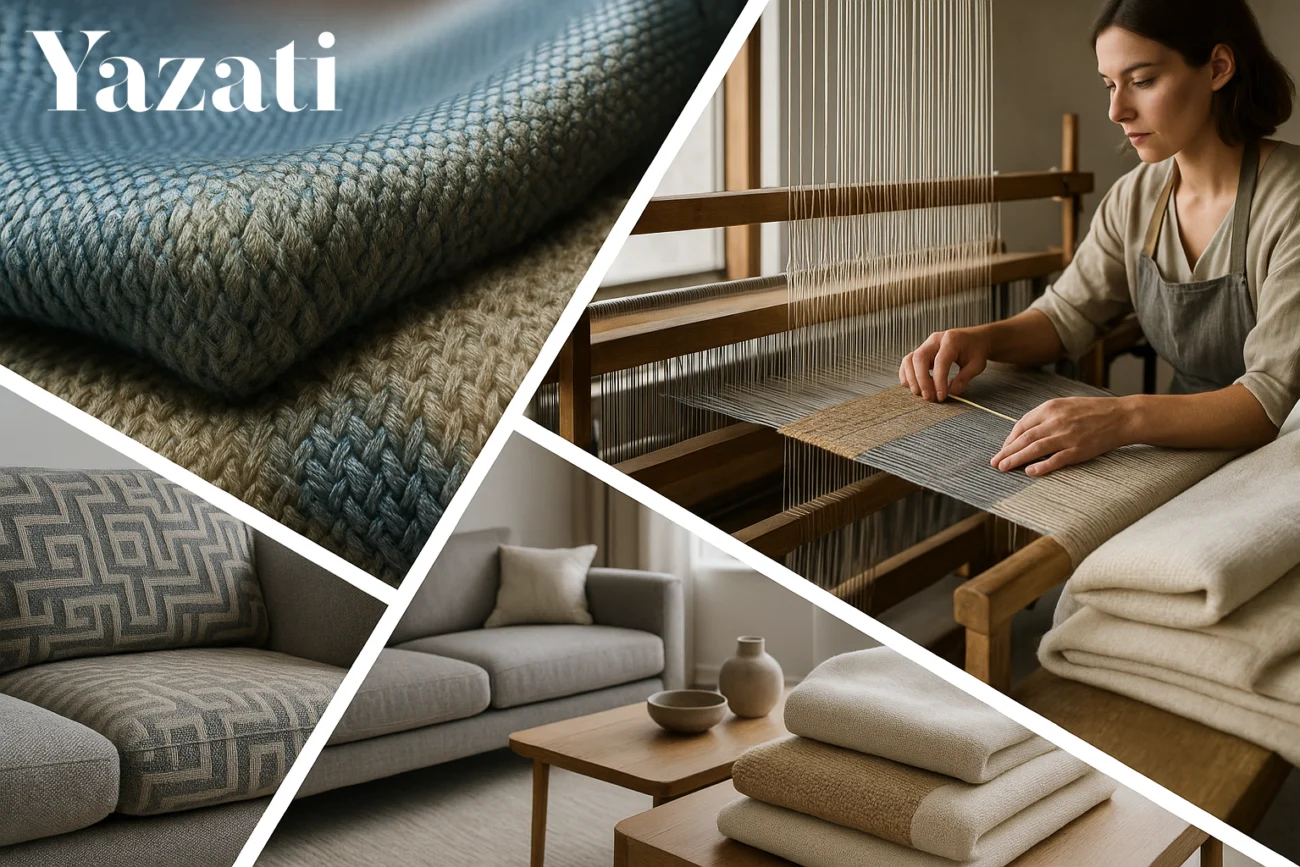
Introduction to Textile Design in 2026
The world of textile design is undergoing a breathtaking transformation as we enter 2026. From sustainability-driven materials to futuristic smart fabrics, global interiors are being redefined by innovation, cultural revival, and digital craftsmanship. In the coming year, designers are merging artistry with technology to create spaces that are not only aesthetically stunning but also environmentally conscious and emotionally resonant.
Interior textiles—once limited to color and pattern—now influence energy efficiency, mood, and even health. This fusion of design and science is fueling the next great era of global interiors, where fabrics tell stories of both tradition and transformation.
The Rise of Sustainable and Circular Textiles
Sustainability has evolved from a trend into a global design philosophy. As climate change awareness deepens, textile designers are embracing circular economies—where materials are sourced ethically, used efficiently, and repurposed responsibly.
Organic Fibers and Plant-Based Materials
Hemp, bamboo, and organic cotton are taking center stage in 2026. Their renewability and biodegradable nature make them perfect for eco-friendly interiors. Plant-based fibers such as banana silk and pineapple leather (Piñatex) are also revolutionizing upholstery and drapery design, combining luxury with conscience.
Zero-Waste and Closed-Loop Production Systems
Textile manufacturers are adopting cutting-edge zero-waste technologies, ensuring every fiber is repurposed. Brands like Kvadrat and Camira are leading this green revolution, using recycled plastics and regenerated wool to create high-performance, low-impact fabrics.
This commitment to sustainability signals a shift toward conscious design—where beauty and responsibility intertwine seamlessly.
Digital Fabric Printing and Smart Textiles Revolution
Technology has blurred the line between craftsmanship and coding. Designers now harness AI, 3D printing, and IoT (Internet of Things) to craft intelligent textiles that adapt, interact, and inspire.
Customization Through Digital Weaving
Advanced digital looms allow for unparalleled personalization. Interior designers can now order custom fabrics that reflect individual tastes—tailored to color palettes, motifs, and textures within hours. This democratization of design bridges creativity and technology in powerful ways.
Smart Textiles with Embedded Technology
In 2026, fabrics do more than look good—they think. From curtains that adjust opacity based on sunlight to upholstery that regulates temperature, smart textiles are turning homes into living, breathing ecosystems. The integration of conductive threads and micro-sensors makes interiors more responsive and efficient.
Revival of Heritage and Cultural Patterns
Amid the tech-driven surge, there’s a growing desire for authenticity. Designers are reconnecting with heritage—reviving ancestral patterns and regional craftsmanship.
Traditional Weaves in Modern Interiors
Art forms like Ikat, Shibori, and Suzani are being reinterpreted through modern color schemes and textures. They lend emotional depth and identity to global interiors while honoring their cultural roots.
Global Fusion Aesthetics
Cross-cultural fusion is the hallmark of 2026. Expect Moroccan tiles blended with Scandinavian linens, or Indian block prints juxtaposed with Japanese minimalism. This rich tapestry of influences mirrors our interconnected world, creating interiors that feel both local and global.
Maximalism and Bold Color Revival
After years of muted minimalism, 2026 marks the triumphant return of maximalism. Designers are embracing expressive colors, bold patterns, and textural abundance.
The Return of Retro Patterns
Retro-inspired motifs from the ’70s and ’80s—psychedelic swirls, geometric grids, and oversized florals—are back in vogue. They evoke nostalgia while infusing spaces with energy and personality.
Layered Textures for Visual Drama
Combining contrasting materials—like velvet with jute or silk with boucle—creates multidimensional spaces that invite touch and movement. The new design mantra? More is more, as long as it’s curated.
Biophilic Design and Natural Textures
Nature continues to be the muse for textile design in 2026. Fabrics inspired by biophilic design reconnect interiors with the organic world.
Earthy Palettes and Botanical Prints
Warm browns, moss greens, and sandy neutrals dominate interiors. Botanical and leaf-inspired prints help bring the serenity of the outdoors inside—fostering relaxation and wellness.
Technological Innovation in Fabric Performance
As design meets technology, 2026 ushers in a new era of high-performance textiles. Today’s fabrics are more than just beautiful—they’re functional, resilient, and smartly engineered to meet the evolving demands of global interiors.
Nanotech Fabrics and Stain Resistance
Nanotechnology is revolutionizing home textiles. Imagine sofas that resist wine spills, curtains that repel dust, or carpets that self-clean under UV light. These innovations are already moving from concept to reality. Nanoparticle coatings enhance durability, resist bacteria, and maintain fabric quality for years—making interiors both practical and pristine.
Adaptive Materials for Multifunctional Spaces
As urban living spaces shrink and hybrid environments emerge, the need for adaptive fabrics grows. Designers are experimenting with materials that can shift opacity, alter texture, or regulate temperature. For instance, textiles embedded with shape-memory polymers adjust softness based on ambient temperature—creating comfort that responds to human needs in real-time.
This fusion of science and design not only improves living conditions but also contributes to energy efficiency, sustainability, and long-term cost savings.
Minimalist Luxury and Soft Neutrals
While maximalism makes a loud statement, minimalist luxury whispers elegance. In 2026, the balance between opulence and simplicity defines sophisticated interiors.
Soft neutrals, such as ivory, champagne, and misty taupe, dominate luxury design palettes. These hues are paired with high-end materials like silk-wool blends, brushed linen, and cashmere-like synthetics. The emphasis is on tactile comfort and timeless beauty rather than overt extravagance.
This “quiet luxury” movement—popularized by brands like Hermès Home and Ralph Lauren Interiors—reflects a return to subtle refinement, where craftsmanship takes precedence over conspicuous design. Textiles in this trend embody calm, balance, and understated grandeur—perfect for serene, high-end interiors.
The Influence of Global Fashion on Interiors
The boundary between fashion and interior design continues to blur. What walks down the runway today often finds its way into living rooms tomorrow.
Couture-Inspired Upholstery and Drapery
Fashion houses are now collaborating with textile designers to introduce couture-level craftsmanship into interiors. Think embroidered velvets, pleated silks, and metallic jacquards reminiscent of haute couture gowns. The intersection of fashion and interiors results in luxurious spaces that feel as stylish as they look.
Runway trends—such as bold metallics, oversized florals, and denim-inspired weaves—are transforming furniture design and drapery aesthetics. In 2026, expect interiors that reflect individuality and self-expression through fabrics once reserved for fashion elites.
Future Forecast: Textile Trends Beyond 2026
As we look beyond 2026, the textile industry shows no signs of slowing its innovation. Designers are exploring bioengineered fabrics, color-changing materials, and even carbon-negative fibers that actively clean the air.
The next frontier will focus on:
- Regenerative textiles that restore rather than deplete natural resources.
- AI-driven design tools that predict consumer preferences and generate trend forecasts.
- Metaverse-inspired fabrics that incorporate digital aesthetics and AR-friendly textures.
These emerging trends signal a future where textiles not only enhance interiors but also shape healthier, more sustainable lifestyles. The design language of tomorrow is adaptive, conscious, and emotionally intelligent.
FAQs About Textile Design Trends in 2026
1. What are the top textile design trends for 2026?
The leading trends include sustainable materials, smart textiles, digital printing, maximalism, biophilic patterns, and minimalist luxury. Each reflects the balance between innovation and authenticity in global interiors.
2. How are smart textiles transforming interior spaces?
Smart textiles integrate sensors, conductive threads, and responsive technology to regulate temperature, light, and sound—creating living environments that adjust to user needs.
3. What sustainable fabrics are gaining popularity?
Organic cotton, bamboo, hemp, banana fiber, and recycled polyester are dominating eco-friendly design. These materials combine performance with planet-conscious production.
4. How is technology influencing textile aesthetics?
AI and digital weaving tools allow designers to customize patterns and textures with precision. Meanwhile, nanotechnology enhances fabric durability and stain resistance.
5. What colors and textures define 2026 interiors?
Expect earthy neutrals, jewel tones, and retro-inspired hues. Texture plays a major role—layering velvet, silk, jute, and boucle adds depth and dimension.
6. Will traditional patterns remain relevant in modern interiors?
Absolutely. Heritage motifs like Ikat, Shibori, and Moroccan designs are being reimagined with contemporary palettes, ensuring cultural artistry remains timeless.
Conclusion: Weaving the Future of Global Interiors
The 10 textile design trends transforming global interiors in 2026 mark a pivotal shift in how we experience our spaces. From eco-innovation and digital artistry to cultural revival and sensory luxury, textiles have evolved from background elements into narrative forces shaping how we live, feel, and connect.
As designers embrace sustainability and technology in equal measure, the interiors of 2026—and beyond—will reflect a new kind of beauty: one that’s smart, sustainable, and soulful. The threads of tomorrow’s textiles are already being woven today—crafting a global design story that’s as responsible as it is revolutionary.
✨ Discover Global Sourcing Excellence with Netyex ✨
Netyex is your trusted B2B sourcing partner, connecting international buyers with India’s finest manufacturers and curated product lines—from handicrafts and home décor to kitchenware, textiles, hospitality essentials, and more. With verified suppliers and end-to-end support, we make global procurement seamless, reliable, and efficient.
👉 Elevate your sourcing experience—explore Netyex today.
📦 Bulk orders & customisation | 🌍 Worldwide delivery | 🤝 Trusted by global buyers
Visit Netyex to source premium Indian products with confidence.