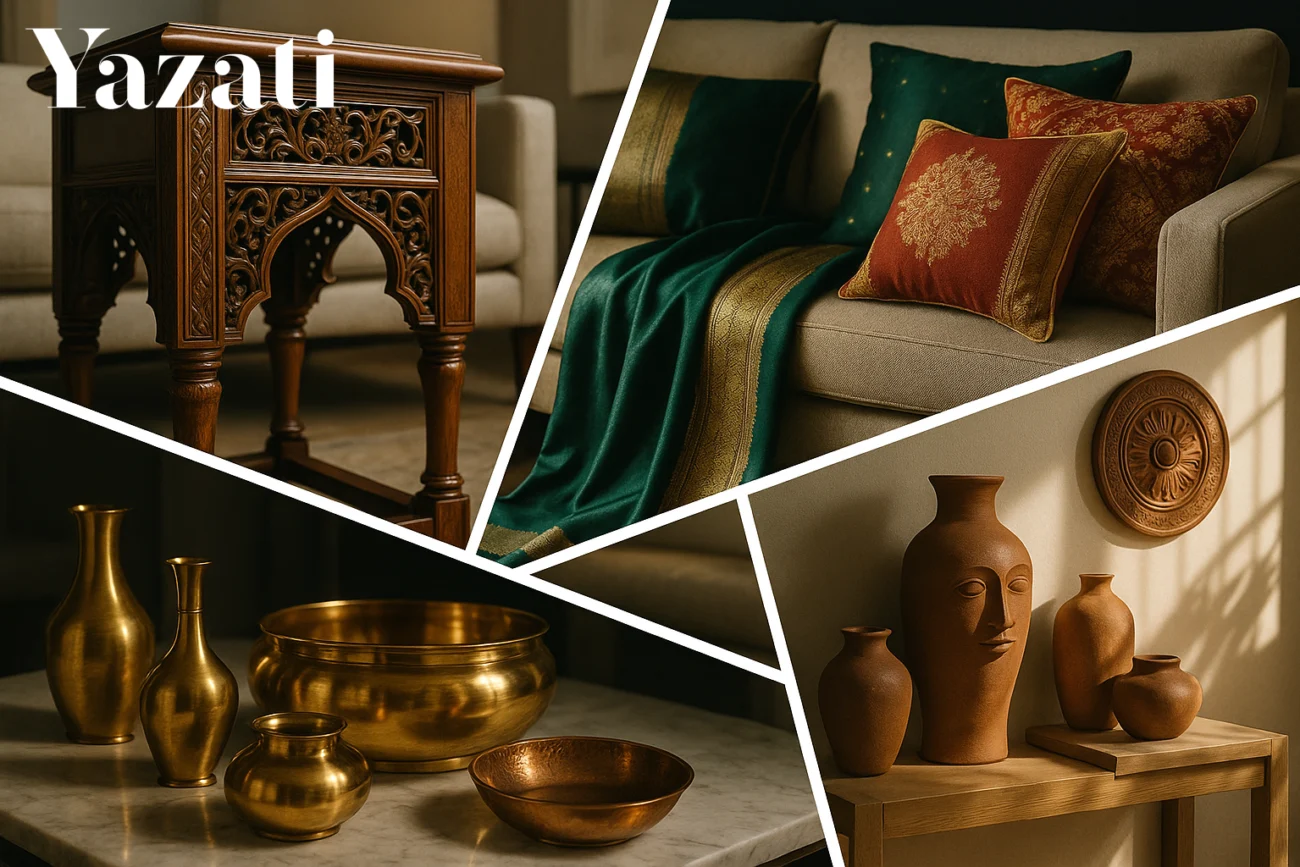
The Timeless Essence of Indian Handicrafts
India’s artistic traditions have long been a reflection of its rich culture, diversity, and creativity. From the intricate weaves of Banarasi silk to the delicate filigree work of Odisha, every handcrafted piece tells a story that transcends time. Today, these traditional crafts are no longer limited to rural markets or souvenir shops — they’ve gracefully entered the world of luxury living, redefining elegance and exclusivity.
As global consumers grow increasingly conscious about sustainability and authenticity, the demand for Indian handicrafts has surged. These pieces symbolize not just artistry but also a connection to heritage — a fusion of old-world charm and modern sophistication.
Historical Significance and Cultural Roots
For centuries, Indian artisans have mastered the art of transforming natural materials into masterpieces. The Mughal emperors commissioned elaborate inlay works for palaces, while Rajput royals adorned their homes with hand-painted murals and intricate textiles. Each region developed its own artistic identity — from Kashmiri Pashmina to Rajasthan’s blue pottery — making India a global hub for handicrafts.
These crafts have survived invasions, colonization, and industrialization, retaining their essence through generations of artisans. Their persistence reflects not just skill but a living cultural legacy — one that’s now being embraced by modern luxury connoisseurs.
Diversity in Indian Craftsmanship
Indian handicrafts are as varied as the country itself. The diversity ranges from:
- Textiles: Banarasi silk, Pashmina shawls, Kanchipuram sarees, and hand-block prints from Jaipur.
- Pottery & Ceramics: Terracotta from West Bengal, blue pottery from Jaipur, and black pottery from Manipur.
- Woodwork & Metalwork: Sandalwood carvings from Karnataka, brassware from Moradabad, and Dhokra art from Chhattisgarh.
- Jewelry: Meenakari, Kundan, and temple jewelry representing regal heritage.
This artistic range makes every creation unique — no two pieces are identical. That individuality is what today’s luxury buyers crave.
The Modern Luxury Consumer and the Rise of Conscious Living
Luxury has evolved from owning the most expensive to owning the most meaningful. The new generation of buyers, particularly millennials and Gen Z, are valuing craftsmanship, sustainability, and ethical sourcing. Indian handicrafts perfectly align with this new-age luxury ethos.
These products embody “slow living” — a contrast to mass-produced factory items. Whether it’s handwoven rugs or clay lamps, each piece carries the artisan’s personal touch, connecting the consumer emotionally to its creator.
Sustainability and Ethical Appeal of Handicrafts
In an era dominated by fast fashion and disposable goods, handcrafted items represent sustainability at its core. They use renewable materials, minimize carbon footprints, and often support rural livelihoods. Many artisans rely on time-tested eco-friendly techniques — vegetable dyes, handloom weaving, or recycled metal casting — ensuring zero waste.
Consumers who invest in these crafts are not just buying décor; they’re supporting a circular economy rooted in respect for the environment and human skill.
The Emotional Connection: Owning a Piece of Heritage
Luxury is increasingly about storytelling, and every Indian handicraft tells one. Buyers often describe owning a handcrafted piece as possessing “a fragment of India’s soul.” These items are not merely decorative; they symbolize continuity, heritage, and authenticity.
This emotional resonance transforms a handmade rug or carved figurine into a collectible piece of history, merging artistry with sentiment.
Handicrafts in Contemporary Interiors and Fashion
Luxury designers and architects across the world are integrating Indian art forms into modern aesthetics. Whether it’s a minimalist London home displaying Madhubani paintings or a Parisian boutique showcasing Indian embroidery, these crafts blend seamlessly with global décor.
In fashion, Indian textiles and embroideries are redefining haute couture. Top designers incorporate mirror work, zardozi, and block prints into modern silhouettes — bridging the gap between tradition and modernity.
Designer Collaborations and Global Exhibitions
International luxury houses and Indian artisans are now collaborating more than ever. Brands like Hermès and Louis Vuitton have embraced Indian textiles and techniques in their collections. Global exhibitions such as India Craft Week and London Design Fair feature Indian artisans as global trendsetters.
These collaborations not only provide global visibility but also establish Indian craftsmanship as synonymous with luxury innovation.
Celebrity Endorsements and Social Media Influence
From Bollywood icons to Hollywood stars, celebrities are proudly promoting Indian crafts. Actresses like Deepika Padukone and Priyanka Chopra have often worn handcrafted sarees on international red carpets, while designers like Sabyasachi have made Indian craftsmanship a global phenomenon through Instagram.
Social media has amplified this movement — transforming artisans into digital storytellers and giving luxury buyers a peek into the making process.
The Economic and Global Impact of Indian Handicrafts
The Indian handicraft industry isn’t just a cultural treasure—it’s a major contributor to the global luxury economy. According to recent trade data, Indian handicraft exports have grown exponentially, reaching markets across Europe, the Middle East, and North America. These exports are valued not only for their beauty but for their authenticity and sustainable production.
With the rise of global platforms such as Etsy, Amazon Karigar, and IndiaMart, artisans now have direct access to international buyers. This digital revolution allows them to bypass middlemen, ensuring fair compensation for their craftsmanship while boosting India’s image as a luxury artisan hub.
Moreover, the “Make in India” and “Vocal for Local” initiatives have placed handicrafts at the center of India’s economic and cultural diplomacy. By promoting handcrafted goods as symbols of quality and sustainability, India is redefining luxury as something that is both meaningful and ethical.
Government Initiatives and Digital Empowerment
The Indian government has taken several proactive steps to promote and protect its artisan community. Programs such as “Hastkala Setu Yojana”, “Ambedkar Hastshilp Vikas Yojana”, and GI (Geographical Indication) tagging ensure that local crafts receive proper recognition and protection from imitation.
E-commerce initiatives like Tribes India and Craftsvilla empower artisans to showcase their creations directly to global consumers. The rise of digital literacy workshops in rural clusters has enabled thousands of craftsmen to use smartphones and social media to market their products, giving them visibility that was once unimaginable.
These initiatives have transformed traditional crafts into digitally empowered luxury brands, merging heritage with modern technology.
Challenges in Preserving Authentic Craftsmanship
Despite their global success, Indian handicrafts face several challenges. Mass-produced replicas often flood the market, diminishing the value of authentic handmade items. Many artisans struggle with limited market access, lack of capital, and inconsistent demand.
Younger generations are often reluctant to continue their ancestral craft due to the perception of limited financial returns. Without strong preservation efforts, some ancient techniques risk extinction.
The solution lies in a collective movement involving governments, private organizations, and conscious consumers—one that encourages education, fair trade, and sustainable growth.
Revival Efforts and Role of NGOs
Several NGOs and social enterprises have stepped in to preserve and rejuvenate India’s craft heritage. Organizations like Dastkar, AIACA (All India Artisans and Craftworkers Welfare Association), and FabIndia are empowering artisans with training, fair wages, and access to international markets.
Through collaborations with designers and retail brands, these organizations are ensuring that traditional crafts evolve with changing tastes while maintaining their authenticity.
A notable example is The Jaipur Rugs Foundation, which connects over 40,000 artisans to global consumers, transforming humble handwoven rugs into high-end design statements.
Future of Indian Handicrafts in Global Luxury Markets
The future of Indian handicrafts looks remarkably promising. As sustainability and cultural authenticity become central to global luxury, handcrafted products are set to dominate elite markets. The United Nations Conference on Trade and Development (UNCTAD) has even recognized handmade goods as a key driver of inclusive growth for developing nations.
Luxury buyers in the coming decade will seek products that embody both story and substance—and Indian handicrafts deliver exactly that. They blend heritage with exclusivity, making them timeless investments rather than transient trends.
How Technology Is Redefining Handcrafted Luxury
Technology has revolutionized how artisans connect with global audiences. Augmented reality (AR) and virtual reality (VR) platforms now allow buyers to visualize how handcrafted décor fits into their homes. E-commerce tools enable customization and real-time communication between artisans and clients, adding a personal touch to every order.
Blockchain technology, too, is emerging as a game changer, helping verify the authenticity and origin of crafts—ensuring consumers get genuine, ethically sourced luxury products. This technological integration is paving the way for a new era of “smart luxury”, where tradition meets innovation.
FAQs About Indian Handicrafts and Luxury Living
1. Why are Indian handicrafts considered luxury today?
Indian handicrafts represent exclusivity, authenticity, and artistry—all key elements of luxury. Each piece is handcrafted, often taking days or weeks to complete, making it a one-of-a-kind creation.
2. Are Indian handicrafts eco-friendly?
Yes, most Indian handicrafts are made using natural, sustainable materials such as wood, clay, silk, and cotton. Artisans also use traditional dyeing and crafting techniques that minimize environmental harm.
3. How can I verify the authenticity of a handcrafted item?
Look for GI tags, certificates of authenticity, or purchase from verified sources such as Dastkar, FabIndia, or official government handicraft emporiums.
4. Which Indian handicrafts are most popular internationally?
Globally admired crafts include Pashmina shawls, Jaipur blue pottery, Kashmiri carpets, Madhubani paintings, and Dhokra metal art.
5. How do Indian handicrafts fit into modern home décor?
They seamlessly blend tradition with modern minimalism. Handwoven rugs, brass lamps, or hand-painted ceramics can add warmth and sophistication to any luxury interior.
6. What can be done to support Indian artisans?
Consumers can support artisans by buying directly from fair-trade platforms, promoting awareness, and avoiding mass-produced imitations. Supporting NGOs and craft exhibitions also helps sustain traditional livelihoods.
Conclusion: The Renaissance of Indian Handicraft Luxury
The global shift toward mindful consumption and sustainable luxury has reignited appreciation for Indian handicrafts. What was once viewed as a token of tradition is now a symbol of sophistication and conscious living. Each handcrafted piece carries the soul of its maker and the legacy of centuries-old artistry.
As luxury brands worldwide move toward authenticity, Indian handicrafts stand as a shining example of how cultural heritage can define the future of opulence. They remind us that true luxury lies not in mass production—but in human touch, history, and heart.
✨ Discover Global Sourcing Excellence with Netyex ✨
Netyex is your trusted B2B sourcing partner, connecting international buyers with India’s finest manufacturers and curated product lines—from handicrafts and home décor to kitchenware, textiles, hospitality essentials, and more. With verified suppliers and end-to-end support, we make global procurement seamless, reliable, and efficient.
👉 Elevate your sourcing experience—explore Netyex today.
📦 Bulk orders & customisation | 🌍 Worldwide delivery | 🤝 Trusted by global buyers
Visit Netyex to source premium Indian products with confidence.