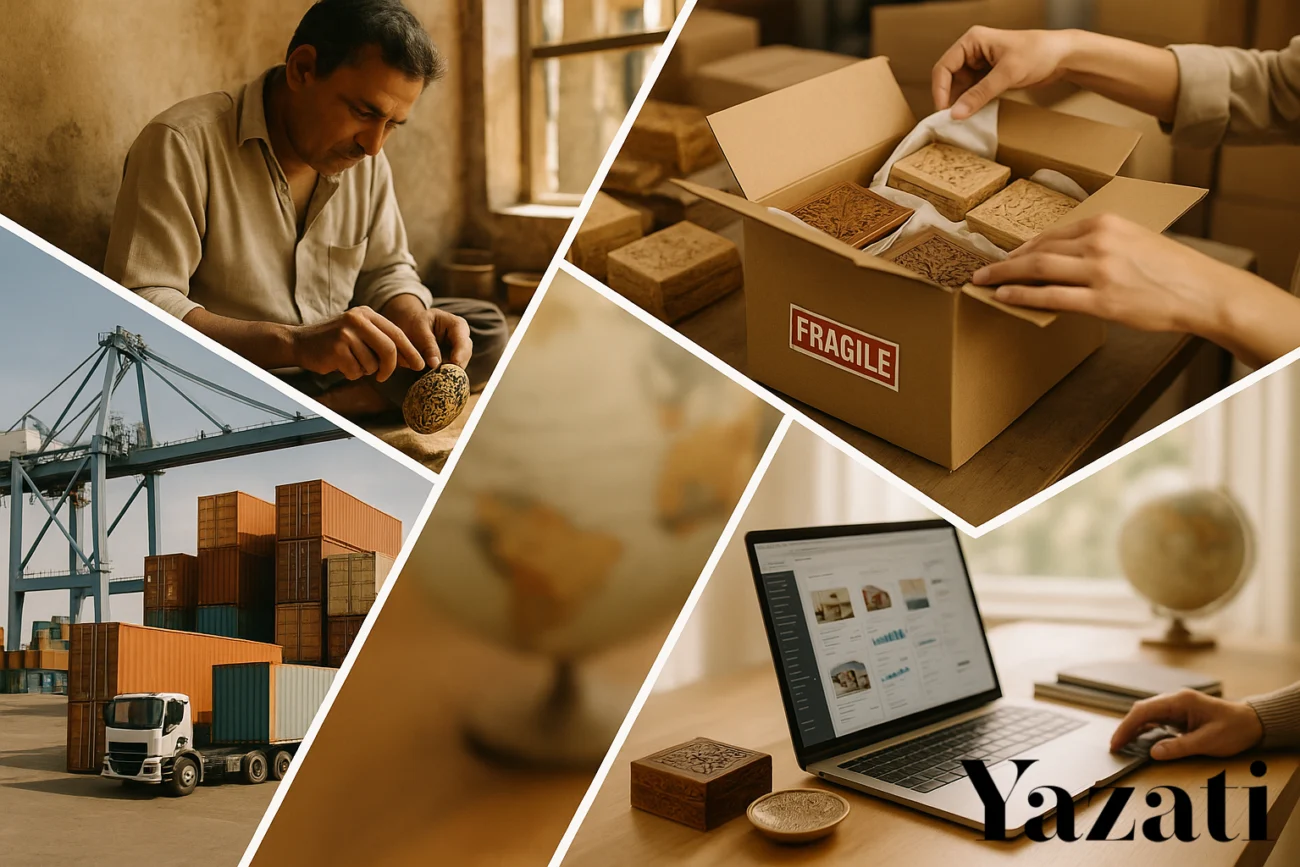
Introduction: The Growing Global Demand for Handicrafts
In today’s fast-paced, mass-produced world, the charm of handmade artistry is making a grand comeback. Consumers across the globe are increasingly drawn to unique, sustainable, and culturally rich items that tell a story — and that’s exactly what handicrafts offer. According to global trade data, the handicraft market is projected to surpass $1 trillion by 2030, driven by conscious consumers and booming e-commerce platforms.
Understanding the Role of Handicraft Exports in the Global Economy
Handicrafts are not just decorative objects; they represent culture, tradition, and identity. Countries like India, Indonesia, and Vietnam rely heavily on the export of handmade products to boost rural employment and empower artisans. Each exported item contributes to preserving ancient craftsmanship while promoting sustainable trade.
Why Importers Are Turning Toward Handmade and Sustainable Goods
Modern consumers demand authenticity and eco-friendliness. Importers who recognize this shift are investing in ethical handicraft supply chains to meet the growing demand for sustainable décor, jewelry, and textiles. Unlike factory-made items, each handcrafted piece has a soul — a factor that resonates deeply with premium buyers worldwide.
What Is Handicraft Export? A Simple Definition
Handicraft export refers to the global trade of handmade goods — from pottery and textiles to furniture and jewelry — produced by skilled artisans using traditional techniques. These exports blend cultural expression with economic opportunity, offering importers a chance to connect with authentic craftsmanship.
Traditional vs. Modern Handicraft Exports
Traditional handicrafts are rooted in heritage — think Indian Madhubani paintings or Indonesian batik fabrics. Modern exports, on the other hand, combine traditional skills with contemporary designs to appeal to global audiences. This fusion keeps the craft relevant and commercially viable.
The Cultural and Economic Value of Handicrafts
Each handicraft carries cultural significance, embodying centuries of skill and storytelling. Economically, handicrafts empower local communities, generate employment, and promote inclusive growth, especially in developing nations.
Top Handicraft Categories Popular in International Markets
Textile and Fabric-Based Handicrafts
From embroidered cushions to handwoven rugs, textiles dominate the global handicraft trade. Countries like India and Turkey are leading exporters of these products due to their intricate craftsmanship.
Wooden and Metal Artifacts
Sculptures, furniture, and decorative metalwork represent a massive export segment. Their durability and design versatility make them perennial favorites in Western markets.
Ceramic, Pottery, and Glasswork
Handcrafted pottery and glass items are widely sought after for their aesthetic appeal and sustainability — a perfect mix for eco-conscious importers.
Jewelry, Accessories, and Decorative Items
Handmade jewelry — using natural stones, recycled metals, and traditional designs — has a consistent global market, appealing to both collectors and everyday buyers.
Major Handicraft Exporting Countries and Markets
India, Indonesia, and Thailand: The Heart of Handicraft Production
India leads with exports worth billions annually, followed closely by Indonesia, Thailand, and Vietnam. These countries have mastered the balance between tradition and modern demand.
Emerging Export Destinations for Handmade Products
The United States, Germany, the UK, and Japan remain key markets. However, newer markets like the Middle East and Latin America are rapidly expanding due to rising interest in handcrafted luxury goods.
Step-by-Step Guide: How to Start Importing Handicrafts
Importing handicrafts may seem complex at first, but with the right approach, it becomes a smooth and rewarding process. Here’s a detailed breakdown for new importers to get started successfully.
Researching Reliable Handicraft Exporters
Your journey begins with finding trustworthy exporters. Look for verified suppliers through reputed B2B platforms such as Alibaba, IndiaMART, or Global Sources. Always check certifications, company profiles, and client feedback. Many reputable exporters also showcase their work through trade fairs like the IHGF Delhi Fair or the Bangkok International Gift Fair — perfect venues for meeting suppliers in person.
Understanding Minimum Order Quantities and Pricing Models
Exporters often have a minimum order quantity (MOQ), which varies by product type and material. Negotiating these terms upfront helps you plan inventory and manage costs effectively. Pricing usually depends on design complexity, material quality, and craftsmanship. Request detailed proforma invoices to ensure transparency.
Negotiating Terms and Quality Standards
Communication is key. Always request product samples before placing large orders. Establish clear quality benchmarks — such as finishing, size, and packaging — to avoid disputes later. Ensure all agreements, including delivery timelines and payment schedules, are in writing.
Managing Logistics, Customs, and Documentation
Efficient logistics ensure timely delivery. Choose between air freight (faster but costlier) or sea freight (affordable but slower), depending on your budget and urgency. Ensure your exporter provides essential documents like the Bill of Lading, Packing List, and Certificate of Origin for smooth customs clearance.
Key Documents Required for Handicraft Export and Import
Documentation is the backbone of international trade. Proper paperwork ensures legal compliance and smooth transactions.
Invoice, Packing List, and Certificate of Origin
- Commercial Invoice: Details the product, price, and payment terms.
- Packing List: Specifies package dimensions, weight, and contents.
- Certificate of Origin: Confirms the country where the handicraft was produced — a mandatory document for customs authorities.
Importer-Exporter Code (IEC) and Bill of Lading Explained
An IEC code is required for anyone involved in international trade (both importers and exporters). The Bill of Lading acts as a receipt and document of ownership for goods shipped overseas. Together, these ensure transparency and ownership during transport.
Understanding Trade Regulations and Compliance
Every importer must adhere to global and local regulations to prevent delays and penalties.
Quality Standards, Certifications, and Safety Regulations
Different countries have varying product safety and labeling standards. For instance, the EU REACH Regulation restricts certain chemicals in products, while the U.S. Consumer Product Safety Improvement Act (CPSIA) regulates material safety in children’s items.
Sustainability and Fair-Trade Considerations
Ethical sourcing is not just a trend — it’s a responsibility. Importers should prioritize fair-trade-certified suppliers to ensure artisans receive fair wages and safe working conditions. Sustainable materials like bamboo, recycled metal, and organic cotton also enhance brand reputation.
How to Identify Genuine Handicraft Exporters
Checking Authenticity and Craftsmanship
Authentic exporters emphasize originality. Look for artisans or suppliers with geographical indication (GI) tags or traditional craft certifications. Always ask for product samples or virtual demonstrations to verify craftsmanship quality.
Using Online Marketplaces and B2B Platforms Safely
While online platforms offer convenience, always practice caution. Avoid unverified sellers, use secure payment gateways, and insist on third-party quality inspection services (like SGS or Intertek) before final shipment.
Cost Factors in Handicraft Importing
Understanding costs upfront ensures healthy profit margins.
Product Cost, Freight, and Customs Duties
The total landed cost includes product price, transportation, import duties, and taxes. Use online tools like Trade Map or World Integrated Trade Solution (WITS) to estimate tariffs.
Insurance, Warehousing, and Handling Charges
Insurance protects against loss or damage during transit. Once goods arrive, consider warehousing facilities for safe storage — especially for delicate items like pottery or glasswork. Handling fees and customs clearance charges also affect overall cost structure.
Packaging and Shipping Considerations
Eco-Friendly Packaging and Damage Prevention
Handmade items require extra care. Exporters often use bubble wraps, corrugated boxes, and silica gels for fragile goods. Today, many importers are switching to eco-friendly packaging — biodegradable or recycled materials — to align with sustainable branding.
Air vs. Sea Freight: Choosing the Right Option
Air freight is faster, ideal for small consignments or urgent orders. Sea freight, however, is more economical for bulk shipments. Partner with reliable freight forwarders who specialize in handicraft logistics.
Marketing and Selling Imported Handicrafts
Once your handicrafts reach the destination market, the next step is building a strong brand and finding the right audience.
Building a Brand Around Handmade Products
Highlight the story behind each product — the artisans, materials, and tradition. Modern consumers love authenticity and transparency. Use professional product photography and craft compelling stories to engage buyers emotionally.
Online vs. Offline Distribution Channels
E-commerce platforms like Etsy, Amazon Handmade, and Shopify are powerful tools for selling imported handicrafts globally. Additionally, boutique stores, exhibitions, and interior design outlets provide excellent offline exposure.
Challenges Faced by New Importers
Quality Inconsistency and Delayed Shipments
Since handicrafts are handmade, slight variations in size, color, or design are common. To manage expectations, importers should clearly communicate acceptable quality standards and buffer timelines for delivery.
Currency Fluctuations and Market Demand Shifts
Exchange rate volatility can affect profit margins. Regularly monitor foreign exchange markets and negotiate in stable currencies like USD or EUR to reduce financial risks.
Future Trends in Handicraft Export and Import
The Rise of E-commerce and Digital Trade Fairs
Digital platforms have revolutionized handicraft trading. Virtual exhibitions and online trade fairs allow importers to explore global markets without geographical constraints.
Sustainability, Ethical Sourcing, and Global Trends
The future lies in eco-conscious designs, organic materials, and zero-waste production. Importers aligning with these trends not only attract environmentally conscious consumers but also future-proof their businesses.
FAQs About Handicraft Export 101: A Beginner’s Guide for New Importers
Q1. What is the first step in starting a handicraft import business?
The first step is identifying reliable exporters and verifying their authenticity through online or physical trade fairs.
Q2. Do I need a license to import handicrafts?
Yes, most countries require an Importer-Exporter Code (IEC) or business registration number to legally import goods.
Q3. Are handicraft imports profitable?
Absolutely! With low production costs and high demand for handmade, sustainable goods, handicrafts can yield impressive margins when marketed effectively.
Q4. How can I ensure product quality before import?
Always request samples, hire third-party inspection agencies, and define clear product standards in the purchase agreement.
Q5. What are some trending handicraft products to import in 2026?
Eco-friendly décor, handmade jewelry, bamboo furniture, and organic fabric products are among the fastest-growing categories.
Q6. Where can I find trustworthy exporters online?
Platforms like Alibaba, IndiaMART, and TradeIndia host verified handicraft exporters with detailed company profiles and certifications.
Conclusion: Building a Profitable Import Business with Handicrafts
Entering the handicraft import industry is more than just a business opportunity — it’s a chance to support culture, creativity, and sustainability. By understanding documentation, sourcing authentic exporters, and staying aligned with ethical trade practices, new importers can build a profitable and socially responsible enterprise.
Handicrafts are timeless treasures — and by becoming a bridge between artisans and global consumers, importers play a key role in preserving heritage while driving future growth. 🌍✨
✨ Discover Global Sourcing Excellence with Netyex ✨
Netyex is your trusted B2B sourcing partner, connecting international buyers with India’s finest manufacturers and curated product lines—from handicrafts and home décor to kitchenware, textiles, hospitality essentials, and more. With verified suppliers and end-to-end support, we make global procurement seamless, reliable, and efficient.
👉 Elevate your sourcing experience—explore Netyex today.
📦 Bulk orders & customisation | 🌍 Worldwide delivery | 🤝 Trusted by global buyers
Visit Netyex to source premium Indian products with confidence.