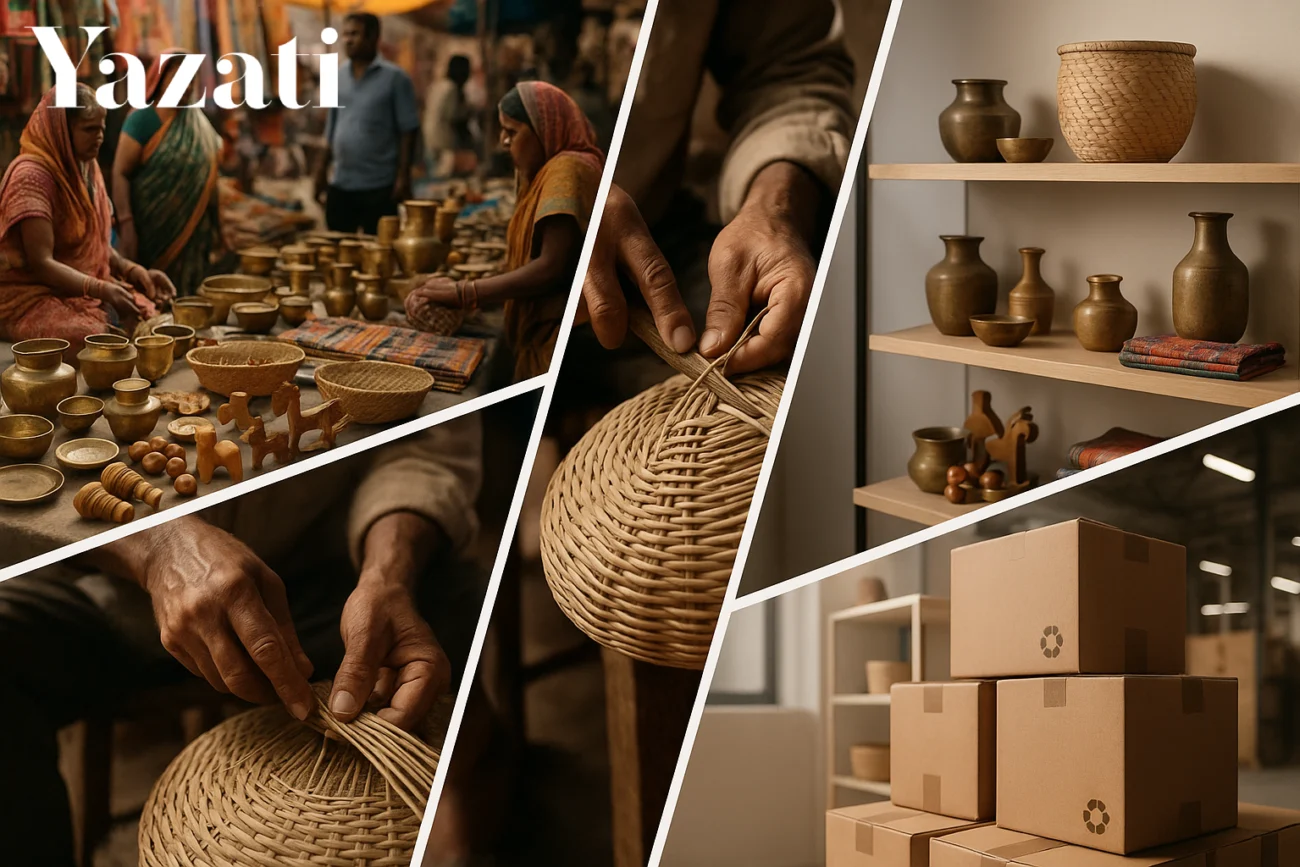
Introduction: A New Era for Traditional Crafts
The handicraft revolution marks a defining moment in the global creative economy. What once began as humble displays of handmade goods in small village fairs has blossomed into an international movement celebrating craftsmanship, culture, and community. The phrase “From Local Fairs to Global Stores” beautifully captures the journey of artisans who have transitioned from local markets to global platforms, sharing their artistry with the world.
As digital technology connects buyers and makers across continents, handicrafts have emerged as a powerful blend of heritage and innovation. These crafts not only preserve age-old traditions but also empower millions of artisans—especially in developing countries—to participate in the global economy with dignity and creativity.
The Historical Roots of Handicrafts
Ancient Artistry and Community Traditions
Handicrafts have existed since the dawn of civilization. From pottery in ancient Mesopotamia to intricate textiles of India and wood carvings of Africa, these crafts served both utilitarian and spiritual purposes. Artisans passed down their knowledge through generations, creating a living archive of cultural identity.
The Cultural Value of Handmade Creations
Each handcrafted item tells a story — a reflection of the artisan’s skill, regional culture, and imagination. Unlike mass-produced items, handmade crafts embody authenticity, uniqueness, and emotional connection. They bridge the past and the present, linking communities through art and tradition.
Local Fairs: The Birthplace of Creativity
How Local Markets Empower Artisans
Local fairs have long been the heart of artisan communities. They provide platforms for craftspeople to showcase their skills, exchange techniques, and earn livelihoods. These fairs not only stimulate local economies but also foster cultural exchange among regions.
Challenges Faced in the Pre-Digital Era
Before globalization and the internet, artisans faced barriers such as limited visibility, lack of financial support, and low profit margins. Many talented creators were unable to reach wider audiences, leaving their crafts confined to local appreciation.
The Turning Point: Digital Transformation of Handicrafts
E-commerce Platforms and Global Reach
The rise of online platforms like Etsy, Amazon Handmade, and Shopify has revolutionized the handicraft industry. Artisans can now sell their creations directly to global buyers, eliminating intermediaries and increasing profitability.
Social Media: Storytelling for Artisans
Platforms such as Instagram, Pinterest, and TikTok allow artisans to share their creative process with millions. Through photos, reels, and live sessions, artists can engage directly with their audience, turning craftsmanship into a story-driven brand.
The Role of Virtual Marketplaces and Online Exhibitions
Virtual fairs and exhibitions have made handicrafts accessible worldwide. These digital events help artisans showcase their work in immersive 3D environments, bridging the gap between tradition and technology.
Globalization and Cultural Exchange Through Crafts
How Global Demand Reshaped Local Art Forms
As international markets embrace handmade products, artisans adapt their designs to modern tastes while maintaining traditional techniques. This balance preserves cultural authenticity while meeting contemporary demand.
Case Studies: Success Stories from Different Continents
From Indian textile weavers finding buyers in Europe to African sculptors selling online in the U.S., countless stories reflect the global appeal of craftsmanship. These success stories exemplify how cultural artistry can thrive in the digital economy.
Sustainability and Ethical Consumption in the Handicraft Revolution
Eco-friendly Materials and Fair Trade Practices
Consumers today value sustainability and ethics. Handicrafts often use natural, biodegradable materials and promote fair wages — aligning perfectly with conscious consumerism.
Why Consumers Prefer Handmade Over Machine-Made Products
Handmade items represent quality, individuality, and emotional depth. Buyers view them as symbols of sustainability, authenticity, and connection, rather than disposable goods.
Government and NGO Support for Artisans
Initiatives That Empower Local Craft Communities
Governments and NGOs worldwide are promoting artisan clusters, skill development programs, and craft fairs to enhance income generation and preserve heritage.
Training, Funding, and Market Access Programs
Organizations like UNESCO and the World Fair Trade Organization (WFTO) actively support artisans through training, design innovation, and global marketing initiatives.
Technology Meets Tradition: The Future of Handicrafts
AI, 3D Printing, and Design Innovation
In the modern era, artisans are embracing technology not as a replacement but as an enhancement of their craft. Artificial Intelligence (AI) tools help designers experiment with color palettes, patterns, and layouts inspired by traditional motifs. Meanwhile, 3D printing allows for precise modeling of prototypes, enabling artisans to test new designs without wasting materials.
These digital tools support creativity rather than stifle it. The union of human touch and machine precision has opened new frontiers for handicraft production, bridging the gap between tradition and innovation.
Blending Modern Aesthetics with Traditional Techniques
The future of handicrafts lies in collaboration — where young designers partner with seasoned artisans to create products that appeal to global consumers. From minimalist bamboo décor to AI-inspired embroidered patterns, the blending of modern design sensibilities with time-honored craftsmanship ensures the survival and relevance of handicrafts in a rapidly evolving market.
Challenges in Scaling the Handicraft Industry
Balancing Authenticity and Mass Production
One of the biggest dilemmas in the handicraft revolution is maintaining authenticity while meeting global demand. As handmade goods gain popularity, some producers are tempted to use semi-mechanized processes, which risk diluting their cultural essence. True success lies in finding equilibrium — scaling responsibly without compromising the artisanal spirit.
Quality Control and Cultural Preservation
Another challenge is quality consistency. Since handmade products naturally vary, ensuring global standards while maintaining individuality is complex. Governments and trade organizations have started implementing certification systems to authenticate originality and promote fair trade practices that preserve cultural heritage.
The Economic Impact of the Handicraft Revolution
Contribution to Rural Economies and Employment
The handicraft sector is a lifeline for rural economies. In countries like India, Indonesia, and Kenya, it employs millions, particularly women and marginalized communities. The global market’s growing appreciation of handmade goods provides artisans with sustainable livelihoods and economic independence.
Export Growth and Market Expansion
According to the World Trade Organization (WTO), the global handicraft market has witnessed consistent annual growth over the past decade. Artisans are now exporting to high-value markets such as North America and Europe, with online platforms making international trade more accessible than ever before.
The Role of Influencers and Global Branding
How Influencers Create Global Visibility for Artisans
Social media influencers, lifestyle bloggers, and interior designers have become crucial allies for artisans. By showcasing handmade jewelry, pottery, and home décor to millions of followers, influencers have transformed niche crafts into mainstream luxury items. A single post or video can skyrocket an artisan’s business overnight.
The Rise of Artisan-focused Brands and Collaborations
Luxury brands are increasingly collaborating with local artisans to create exclusive collections that merge global fashion with traditional artistry. From Dior’s partnership with Indian embroiderers to IKEA’s handmade furniture line sourced from local cooperatives, these collaborations empower communities and promote cultural appreciation on a global scale.
Consumer Trends: Why Handcrafted is the New Luxury
The Psychology Behind the Handmade Appeal
Modern consumers crave connection and authenticity — qualities that mass-produced goods simply can’t offer. A handcrafted item carries the mark of human effort, imperfection, and soul. Owning it means owning a piece of someone’s story, making it infinitely more meaningful than a machine-made product.
How Millennials and Gen Z Drive the Handmade Movement
Younger generations, especially Millennials and Gen Z, are driving demand for ethically made, sustainable, and locally sourced products. Their preference for minimalism, personalization, and eco-conscious consumption aligns perfectly with the values of the handicraft movement.
FAQs About the Handicraft Revolution
1. What is the Handicraft Revolution?
The Handicraft Revolution refers to the global resurgence of traditional crafts, powered by digital platforms, sustainable consumption, and cultural appreciation. It’s the movement that connects artisans directly to consumers around the world.
2. How has technology changed the handicraft industry?
Technology has expanded artisans’ reach through e-commerce, social media, and digital design tools. It enables global sales, storytelling, and innovation without erasing the human touch of craftsmanship.
3. Why are handmade products becoming more popular?
Consumers are increasingly rejecting mass-produced goods in favor of unique, sustainable, and meaningful creations. Handmade products offer emotional and ethical value that factory-made items lack.
4. What are some popular platforms for artisans to sell their crafts?
Etsy, Amazon Handmade, Shopify, and Artisans’ Collective are among the most popular platforms connecting makers with buyers worldwide.
5. How do handicrafts support sustainable development?
Handicrafts often use renewable materials, promote fair wages, and reduce industrial waste — aligning with global sustainability goals and fair trade principles.
6. What can governments do to promote handicrafts?
Governments can support artisans by offering training, financial assistance, international exhibitions, and digital literacy programs to improve global competitiveness.
Conclusion: Celebrating Humanity Through Handcrafted Art
From local fairs to global stores, the handicraft revolution stands as a testament to the enduring power of creativity and human connection. It bridges generations, continents, and cultures, showing that artistry remains a universal language.
As artisans embrace technology, sustainability, and global collaboration, the world rediscovers the profound beauty of the handmade — not as a relic of the past, but as a cornerstone of the future.
Whether it’s a woven basket from Ghana, embroidered fabric from India, or ceramic pottery from Mexico, each piece reflects the timeless truth: handmade is heart-made. The handicraft revolution is not just about commerce — it’s about celebrating humanity, one creation at a time.
✨ Discover Global Sourcing Excellence with Netyex ✨
Netyex is your trusted B2B sourcing partner, connecting international buyers with India’s finest manufacturers and curated product lines—from handicrafts and home décor to kitchenware, textiles, hospitality essentials, and more. With verified suppliers and end-to-end support, we make global procurement seamless, reliable, and efficient.
👉 Elevate your sourcing experience—explore Netyex today.
📦 Bulk orders & customisation | 🌍 Worldwide delivery | 🤝 Trusted by global buyers
Visit Netyex to source premium Indian products with confidence.