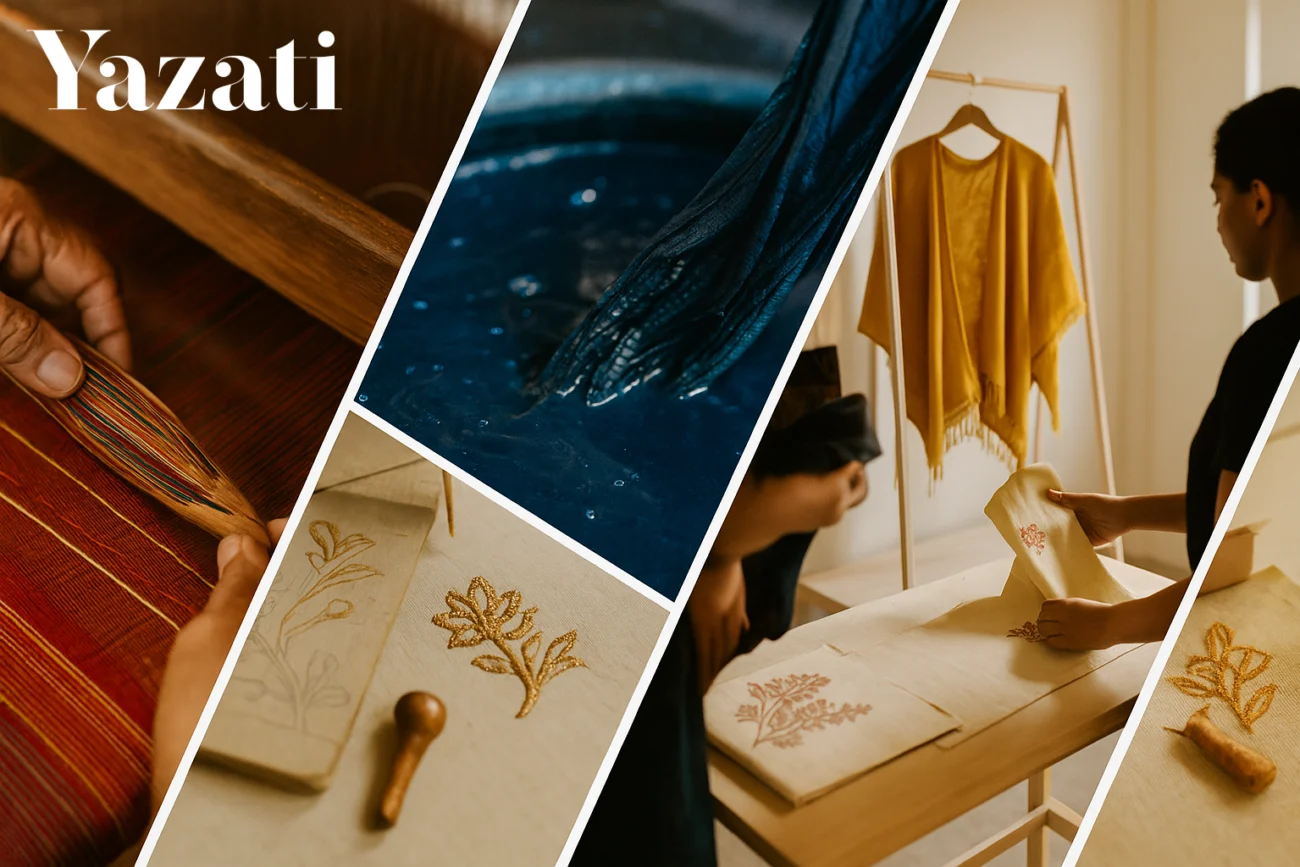
Introduction: The Global Spotlight on Indian Textile Crafts
India’s textile heritage is a mesmerizing blend of color, creativity, and culture. From the handwoven sarees of Kanchipuram to the intricate embroidery of Lucknow’s Chikankari, Indian textiles have always been a reflection of the country’s deep-rooted artistry. But in recent years, they’ve gained international acclaim — especially through UNESCO recognition.
So, why are Indian textile crafts getting UNESCO recognition now? The answer lies in their authenticity, resilience, and the cultural stories woven into every thread. As sustainability and heritage gain importance globally, Indian crafts are being celebrated not just as fashion, but as living traditions that embody community wisdom and artistic brilliance.
Understanding UNESCO Recognition and Its Importance
What Does UNESCO Intangible Cultural Heritage Mean?
UNESCO’s Intangible Cultural Heritage (ICH) list celebrates cultural expressions — from music and dance to crafts and oral traditions — that define human identity. When a craft or tradition makes it onto this list, it receives international acknowledgment as a living heritage that must be protected and promoted.
Why UNESCO’s List Matters for Traditional Crafts
For artisans and communities, UNESCO recognition is more than a badge of honor. It brings global awareness, tourism, economic opportunities, and preservation funding. For instance, once a textile craft is recognized, it gains new markets, more apprentices, and increased investment in skill development.
A Historical Glimpse into India’s Textile Legacy
Ancient Weaves and Royal Patronage
Indian textiles date back over 5,000 years, with evidence from the Indus Valley Civilization showing early cotton weaving. Ancient kings and queens patronized skilled artisans, turning textile production into both an art and a livelihood. During the Mughal era, fabrics like brocade, silk, and muslin became luxury exports admired worldwide.
Influence of Trade Routes on Indian Textile Evolution
The Silk Route and maritime trade with Southeast Asia and Europe introduced new dyes, patterns, and weaving styles. This cultural exchange transformed Indian textiles into a fusion of innovation and tradition, giving rise to iconic fabrics like Bandhani, Ikat, and Patola.
The Artistry Behind Indian Textile Crafts
Handloom and Handicrafts: The Soul of Indian Textiles
The handloom is not just a tool — it’s a symbol of independence, particularly from India’s freedom movement led by Mahatma Gandhi. Even today, millions of rural households rely on the handloom sector, producing eco-friendly, handmade textiles that define India’s slow fashion ethos.
Traditional Techniques Still Alive Today
Kalamkari, Chikankari, and Kantha Embroidery
Kalamkari from Andhra Pradesh uses hand-painted motifs inspired by mythology. Chikankari from Lucknow showcases delicate white thread embroidery on fine muslin, while Kantha from Bengal narrates rural life through recycled fabric stitching.
Ikat, Bandhani, and Patola Weaving
Ikat and Patola involve complex dyeing and resist techniques that require mathematical precision. Bandhani, or tie-dye, transforms simple fabrics into vibrant works of art — each pattern symbolizing joy, prosperity, or festivity.
Why Indian Textile Crafts Are Getting UNESCO Recognition
The surge of UNESCO recognition for Indian crafts is a global acknowledgment of their uniqueness, craftsmanship, and cultural depth.
Preservation of Ancient Techniques and Skills
UNESCO’s focus on safeguarding intangible heritage aligns perfectly with India’s goal of keeping traditional knowledge alive. Many of these crafts are still made using centuries-old techniques passed down orally and through apprenticeship.
Cultural Identity and Community Empowerment
Indian textile crafts serve as a cultural bridge, connecting modern generations to their roots. Recognition helps revive pride among artisans, many of whom belong to marginalized communities.
Government and NGO Efforts for Global Recognition
Programs like “Hastkala Setu” and collaborations between Ministry of Textiles and UNESCO India Office have led to official nominations for crafts like Kanchipuram silk weaving, Kashmir Pashmina, and Madhubani painting.
Case Studies of Indian Crafts with UNESCO Recognition
Kanchipuram Silk and Its Global Legacy
The Kanchipuram silk saree, woven in Tamil Nadu, is a masterpiece of elegance and tradition. Known for its durability and intricate zari borders, this silk weaving technique is revered worldwide. Each saree can take weeks to complete, with motifs inspired by temple architecture and ancient scriptures. UNESCO’s recognition has helped protect Kanchipuram’s unique weaving techniques from mass-produced imitations, ensuring that artisans are paid fairly and their skills are passed on to future generations.
Kashmir Pashmina: The Jewel of the Himalayas
Pashmina shawls from Kashmir are woven from the fine undercoat of Himalayan mountain goats. Their soft texture and warmth make them a luxury item, but they’re also deeply rooted in Kashmir’s cultural identity. UNESCO’s acknowledgment of Pashmina craftsmanship not only boosts its market but also promotes peace and unity by highlighting the artistry of the region’s people.
Madhubani and Kalamkari: Artistic Narratives on Fabric
Both Madhubani and Kalamkari art forms transform fabric into storytelling canvases. Madhubani paintings, originally done on walls by women in Bihar, now grace textiles, representing myths and nature. Meanwhile, Kalamkari artists use natural dyes and bamboo pens to illustrate epic tales from the Mahabharata and Ramayana. Their inclusion in UNESCO’s discussions on living heritage showcases how textiles can preserve mythology, folklore, and spirituality.
The Role of Artisans and Local Communities
Women Artisans: Guardians of Traditional Craftsmanship
In many parts of India, women are the primary keepers of textile traditions. Whether they’re embroidering Kantha quilts in Bengal or weaving Patola sarees in Gujarat, their work sustains both families and culture. UNESCO recognition brings these women into the spotlight, offering them financial independence and social dignity.
Passing Down Heritage Through Generations
Textile crafts are often learned informally within families. The guru-shishya parampara (teacher-student tradition) ensures the continuity of skills and values. Younger generations are now returning to their roots, blending ancient designs with modern tastes — a move encouraged by UNESCO’s emphasis on cultural transmission.
Global Demand and Sustainable Fashion Movement
The Rise of Ethical and Slow Fashion
As consumers become more aware of sustainability, handmade Indian textiles are experiencing a revival. Slow fashion — which values craftsmanship, durability, and ethical production — is perfectly aligned with India’s weaving traditions. International designers are increasingly sourcing from Indian artisans for their eco-conscious collections.
How UNESCO Recognition Boosts Eco-conscious Brands
UNESCO recognition acts as a trust badge for global buyers. It assures that the products are authentic, ethically made, and environmentally sustainable. This has led to collaborations between Indian cooperatives and international fashion houses, bringing sustainable livelihoods to rural artisans.
Challenges Facing Indian Textile Crafts Today
Imitation, Machine Production, and Market Pressures
One of the biggest threats to Indian textiles is mass production. Machine-made replicas flood markets at cheaper prices, pushing artisans out of business. While UNESCO recognition helps raise awareness, stronger legal protections and better branding are essential to preserve authenticity.
Need for Technological Integration Without Losing Tradition
Artisans must adapt to modern platforms without losing the soul of their craft. Digital marketing, online exhibitions, and e-commerce have opened global doors, but training and digital literacy remain key. NGOs and educational institutions are now offering courses in design innovation and marketing tailored for traditional artisans.
The Economic and Cultural Impact of UNESCO Recognition
Tourism, Export, and Employment Growth
When a textile craft earns UNESCO recognition, it boosts cultural tourism. Towns like Kanchipuram, Varanasi, and Bhuj attract travelers eager to watch artisans at work. This results in increased exports, job creation, and community development. Handloom fairs and government exhibitions further expand global outreach.
Preservation Funding and International Collaborations
With UNESCO status, crafts become eligible for international grants and heritage funds. These resources help restore dying crafts, establish museums, and create training centers. Collaborations between India and countries like Japan and France have led to cross-cultural textile research and exhibitions, strengthening India’s soft power.
The Future of Indian Textile Heritage in the Global Arena
Digital Showcasing and International Exhibitions
Virtual exhibitions and online heritage platforms now allow the world to experience India’s textile magic from anywhere. The UNESCO Silk Roads Programme, for instance, features digital archives of Indian crafts. This not only educates but also connects artisans directly to global consumers, ensuring they receive fair trade benefits.
Youth Engagement and Craft Education
India’s next generation is showing renewed interest in textile design and heritage preservation. Design schools like NIFT and Pearl Academy are integrating traditional craft studies into modern curricula. With mentorship programs and collaborations, youth are bringing innovation, technology, and sustainability into traditional weaving clusters.
Conclusion: Weaving the Future with Threads of the Past
The UNESCO recognition of Indian textile crafts is more than an honor — it’s a revival movement. It reinforces that these weaves are not relics of the past but living art forms that connect history with the future.
Each thread spun by an artisan tells a story — of resilience, artistry, and identity. As the world embraces sustainability and cultural diversity, Indian textiles stand as a vibrant example of how tradition and modernity can coexist beautifully.
UNESCO’s acknowledgment is not just about recognition — it’s about preservation, empowerment, and pride. And as India continues to weave its legacy, its crafts will forever remind the world that culture, when preserved, can shape the future.
FAQs on Indian Textile Crafts and UNESCO Recognition
1. What is UNESCO’s role in preserving Indian textiles?
UNESCO identifies and safeguards traditional practices that represent human creativity and identity. By including Indian textile crafts in its Intangible Cultural Heritage list, UNESCO promotes awareness, training, and global recognition for artisans.
2. Which Indian textiles have received UNESCO recognition?
Crafts such as Kanchipuram silk weaving, Kashmir Pashmina, and Madhubani art have been either listed or nominated for UNESCO’s Intangible Cultural Heritage recognition, highlighting India’s diverse craft ecosystem.
3. How does UNESCO status benefit artisans?
It provides artisans with global visibility, access to new markets, and financial support. It also encourages governments to invest in preservation and infrastructure development in artisan communities.
4. Are modern designers involved in preserving traditional crafts?
Yes! Many Indian and global designers collaborate with local artisans to blend heritage techniques with contemporary styles. This ensures that traditional skills remain relevant in the modern fashion world.
5. What is the biggest challenge Indian textile artisans face?
The biggest challenges include cheap machine-made imitations, lack of consistent income, and limited global marketing. UNESCO recognition helps mitigate these issues by promoting authenticity and awareness.
6. How can individuals help preserve Indian textile heritage?
Consumers can support artisans by buying authentic handmade products, attending heritage exhibitions, and promoting awareness about sustainable fashion. Every purchase helps sustain a craft and a community.
🌐 External Resource:
To learn more about UNESCO’s Intangible Cultural Heritage initiatives, visit the official site: https://ich.unesco.org
✨ Discover Global Sourcing Excellence with Netyex ✨
Netyex is your trusted B2B sourcing partner, connecting international buyers with India’s finest manufacturers and curated product lines—from handicrafts and home décor to kitchenware, textiles, hospitality essentials, and more. With verified suppliers and end-to-end support, we make global procurement seamless, reliable, and efficient.
👉 Elevate your sourcing experience—explore Netyex today.
📦 Bulk orders & customisation | 🌍 Worldwide delivery | 🤝 Trusted by global buyers
Visit Netyex to source premium Indian products with confidence.