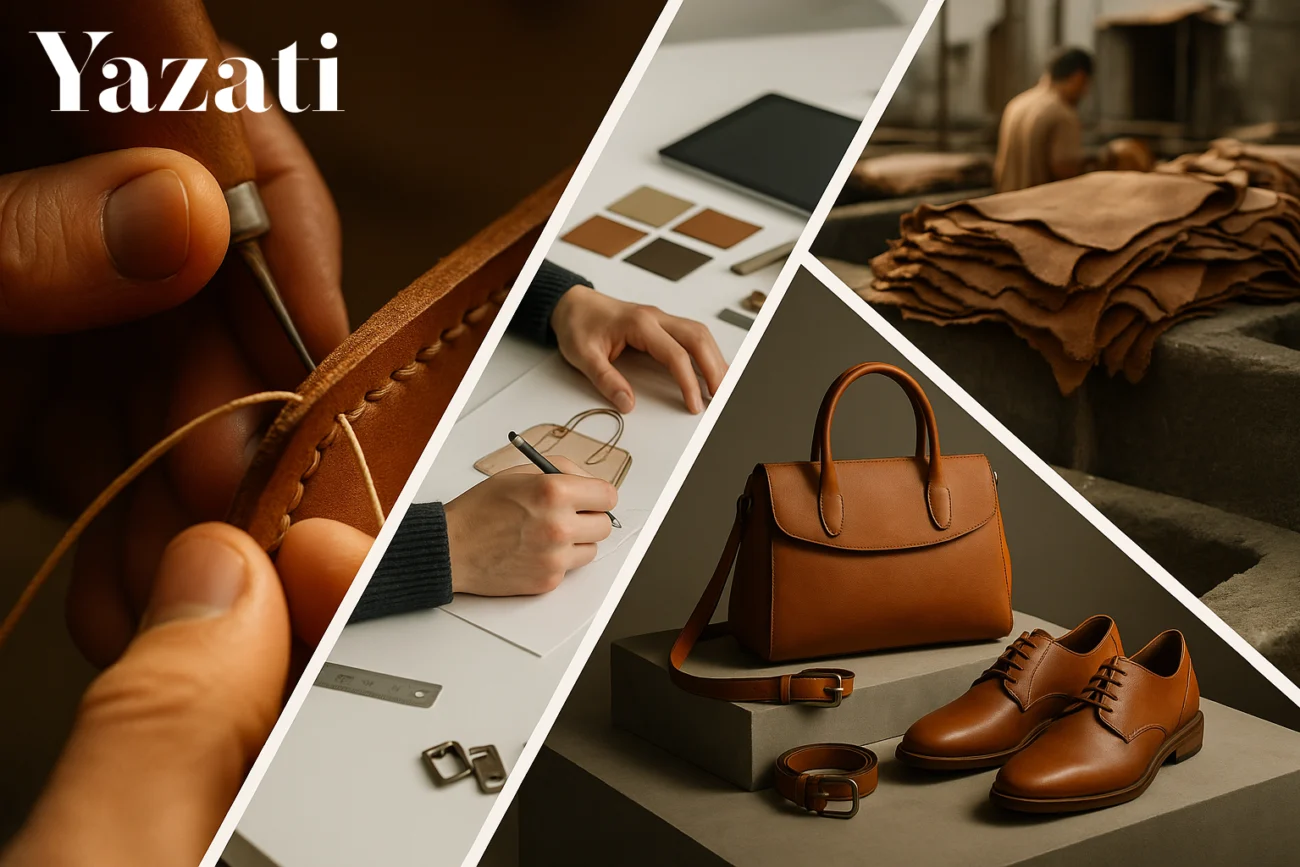
Introduction: India’s Legacy in Leather Craftsmanship
India’s leather industry is a fascinating blend of centuries-old craftsmanship and modern innovation. With a global reputation for quality, artistry, and design, India stands among the top producers and exporters of leather goods in the world. But what makes the industry remarkable is how it balances heritage techniques with contemporary aesthetics — preserving the old while embracing the new.
From the bustling workshops of Kanpur to the chic boutiques of Delhi and the export hubs of Chennai, India’s leather sector reflects a story of evolution, resilience, and creative fusion.
The Historical Significance of Leather in Indian Culture
Leather has long been a part of India’s cultural and artisanal identity. Ancient texts and artifacts reveal that leatherworking was practiced even in the Indus Valley Civilization. Traditional communities mastered tanning, stitching, and dyeing techniques that became part of India’s artisanal legacy.
These skills were often passed down generations, creating distinct regional identities — each with its own unique methods and aesthetics. For example, Kolhapuri sandals from Maharashtra and Mochi embroidery leatherwork from Rajasthan showcase the deep connection between art and function.
India’s Leather Hubs: Kanpur, Chennai, Kolkata, and Beyond
Today, major leather clusters like Kanpur (Uttar Pradesh), Chennai (Tamil Nadu), Kolkata (West Bengal), and Agra serve as production powerhouses. These hubs specialize in everything from tanning and footwear to luxury handbags and accessories, collectively employing over 4 million workers, many of whom are skilled artisans.
Evolution of India’s Leather Industry
From Artisanal Workshops to Global Markets
India’s leather journey began with local craftsmanship but has evolved into a major export-oriented industry. Post-independence, the sector expanded rapidly, and by the 1980s, Indian leather goods were being showcased on international runways.
This evolution reflects how artisans adapted — integrating modern tools and global design sensibilities while maintaining their handcrafted essence.
The Role of Government and Export Policies
Government initiatives such as the Indian Leather Development Programme (ILDP) and Make in India have boosted exports, supported artisan training, and improved infrastructure. India now exports leather products to over 90 countries, including the US, UK, Germany, and Italy.
Balancing Heritage and Innovation
Preserving Centuries-Old Craft Techniques
At the heart of India’s leather industry lies the commitment to preserving traditional craftsmanship — hand-stitching, vegetable tanning, and intricate embossing remain key processes in many workshops.
Embracing Contemporary Design and Aesthetics
Modern Indian designers are reinventing leather goods with minimalist designs, sleek silhouettes, and global appeal, while staying rooted in Indian artistry. This creates a seamless fusion that appeals to both domestic and international buyers.
Collaboration Between Designers and Traditional Artisans
Brands like Nappa Dori and Hidesign exemplify how modern designers collaborate with local craftsmen to produce pieces that combine aesthetic elegance with cultural authenticity.
Technology’s Role in Leather Production
The Shift Toward Sustainable Tanning and Eco-Friendly Methods
Traditional chrome tanning is being replaced by eco-tanning and vegetable-based methods that reduce environmental impact. These innovations align with global sustainability trends.
Digital Tools in Designing and Manufacturing
3D modeling, digital pattern-making, and automated stitching have revolutionized the design process, allowing for precision, consistency, and creative experimentation.
The Rise of Ethical and Sustainable Leather
Indian Brands Leading the Green Leather Revolution
Brands like Aulive and Arture have championed the use of plant-based leathers and recycled materials, aligning with vegan and ethical fashion movements.
International Recognition for Sustainable Innovation
India’s leather industry has been recognized at global fairs and exhibitions, including Lineapelle (Italy) and Asia Pacific Leather Fair (Hong Kong), for its eco-conscious innovations.
Challenges Facing the Leather Sector in India
Balancing Labor, Cost, and Global Standards
Despite progress, challenges persist — rising labor costs, stringent global quality norms, and competition from synthetic materials create pressure on small manufacturers.
The Ethical Dilemma: Animal Rights and Environmental Concerns
Modern consumers demand ethical sourcing, pushing Indian tanneries to adopt transparent and cruelty-free practices without compromising traditional processes.
The Modern Design Influence
Fusion of Traditional Patterns with Contemporary Minimalism
Indian designers now combine ethnic motifs with modern silhouettes, appealing to both traditional and global markets.
Influence of Global Fashion Trends on Indian Leather Products
International fashion weeks and collaborations with foreign brands inspire local designers to blend Indian textures with Western trends, creating a new design language.
Case Studies: Indian Leather Brands Redefining Style
Hidesign: Merging Craftsmanship with Global Appeal
Founded in Pondicherry, Hidesign has become a symbol of Indian luxury — blending handcrafted techniques with modern business sensibilities to reach over 25 countries.
Nappa Dori: Artisanal Luxury with Modern Minimalism
Delhi-based Nappa Dori celebrates Indian leather artistry through minimalist design, hand-stitching, and vintage inspiration, redefining the concept of Indian luxury globally.
Export Growth and Global Market Penetration
India’s Leather Exports: Figures and Future Forecast
In 2025, India’s leather exports reached over $5 billion, with expectations of steady growth due to rising global demand for sustainable fashion.
Competing with Italy and China in Design Innovation
By focusing on quality craftsmanship and innovative eco-friendly designs, India is positioning itself as a sustainable alternative to Italy and China in the luxury market.
Future of India’s Leather Industry
Embracing Digital Transformation and Global E-commerce
The digital revolution allows artisans to sell directly through online platforms and global marketplaces, expanding reach and profitability.
Skill Development and Empowering Artisans
Government and NGO programs now focus on upskilling rural artisans, ensuring the survival of traditional crafts for future generations.
FAQs
1. Why is India famous for its leather industry?
Because of its centuries-old craftsmanship, skilled artisans, and ability to combine tradition with modern trends.
2. How is the leather industry becoming more sustainable in India?
Through eco-tanning, recycling, plant-based materials, and ethical manufacturing practices.
3. What are the main leather-producing regions in India?
Kanpur, Chennai, Kolkata, Agra, and Ranipet are major leather hubs.
4. Are Indian leather products exported globally?
Yes, India exports to over 90 countries, including the US, UK, Germany, and Italy.
5. What challenges does the industry face?
Environmental concerns, global competition, and balancing cost with quality standards.
6. How does modern design influence Indian leather goods?
Contemporary designers fuse traditional patterns with minimalist styles, creating globally appealing products.
Conclusion: The Perfect Blend of Heritage and Modernity
India’s leather industry stands as a testament to the country’s ability to evolve without losing its soul. Through sustainable practices, modern design, and deep respect for tradition, it continues to charm global markets while empowering millions of artisans.
As India strides into the future, its leather industry will remain a shining example of how heritage and innovation can coexist beautifully.
✨ Discover Global Sourcing Excellence with Netyex ✨
Netyex is your trusted B2B sourcing partner, connecting international buyers with India’s finest manufacturers and curated product lines—from handicrafts and home décor to kitchenware, textiles, hospitality essentials, and more. With verified suppliers and end-to-end support, we make global procurement seamless, reliable, and efficient.
👉 Elevate your sourcing experience—explore Netyex today.
📦 Bulk orders & customisation | 🌍 Worldwide delivery | 🤝 Trusted by global buyers
Visit Netyex to source premium Indian products with confidence.