Understanding India’s Leather Legacy
India’s leather industry is one of the oldest in the world, with roots that stretch back centuries. From the intricate artistry of ancient craftsmen to the thriving export hubs of today, the journey of Indian leather is nothing short of extraordinary. What started as a cottage-based trade has evolved into a global powerhouse, supplying premium-quality leather goods to major markets around the world.
Traditional Leather-Making Techniques
India’s leather artisans are known for their mastery of traditional techniques — hand-stitching, vegetable tanning, and detailed embossing. These practices are often passed down through generations, blending age-old wisdom with modern creativity. Vegetable tanning, for example, uses natural tannins extracted from plants, making the leather both durable and eco-friendly.
Regions Famous for Leather Production
Key leather-producing regions in India include Kanpur, often called the “Leather City of the World,” Chennai, known for fine finished leathers, and Kolkata, famous for luxury handbags and wallets. Together, these hubs represent India’s deep cultural connection with craftsmanship and material excellence.
The Modern Transformation of the Indian Leather Industry
The Indian leather sector has undergone massive modernization over the past two decades. With the integration of advanced machinery, better design infrastructure, and digital platforms, Indian leather manufacturers have stepped confidently onto the global stage.
Adoption of Sustainable and Ethical Practices
As global consumers become more environmentally conscious, Indian manufacturers have adapted. Eco-friendly tanning processes, water conservation technologies, and cruelty-free alternatives are now standard practice in many tanneries. Certifications such as LEED, ISO 14001, and LWG (Leather Working Group) accreditation have become badges of international trust.
Technological Advancements and Innovation
Automation has significantly improved productivity and consistency in the leather sector. From CNC cutting machines to AI-driven quality inspection, technology ensures high precision and reduced waste. Moreover, computer-aided design (CAD) allows for faster prototyping and better customization for international brands.
Global Demand for Indian Leather Accessories
Growth of Premium Leather Accessories
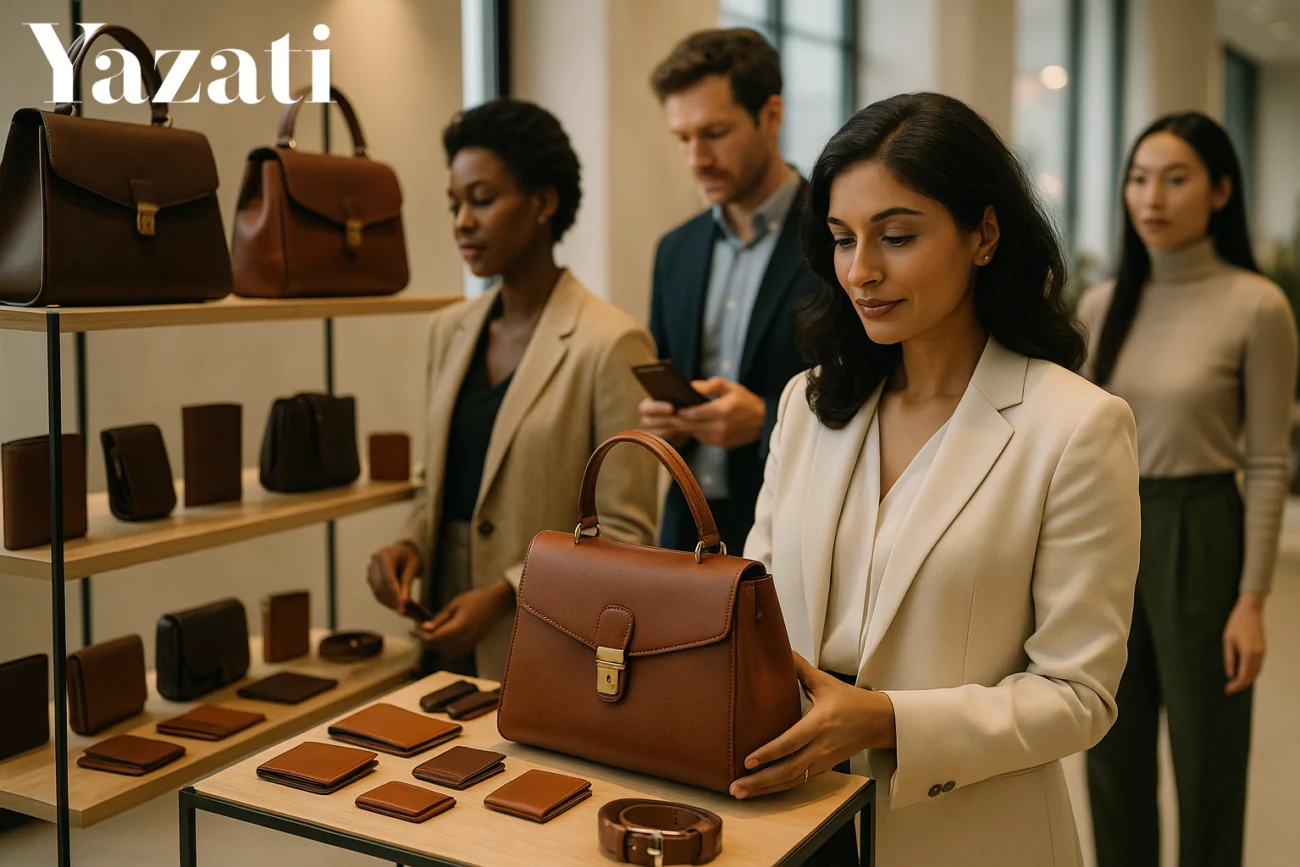
Indian-made leather accessories — handbags, belts, wallets, and footwear — have seen a surge in demand in the last decade. Consumers across Europe, North America, and East Asia value these products for their high quality and craftsmanship at competitive prices. The global luxury fashion market now recognizes “Made in India” as a mark of artistry and reliability.
Major Importing Countries
According to the Council for Leather Exports (CLE), the USA, UK, Germany, Italy, and Japan remain top destinations for Indian leather exports. These nations represent more than 60% of the total export volume. With free trade agreements and strong supply chain networks, Indian companies continue to strengthen their foothold in these lucrative markets.
Key Drivers Behind Global Popularity
Quality Craftsmanship and Artisanal Detailing
The phrase “Handcrafted in India” has become synonymous with authenticity and skill. Whether it’s a premium wallet or a fashion-forward handbag, each piece reflects the cultural richness of Indian craftsmanship. Global luxury brands often collaborate with Indian artisans for bespoke collections, highlighting India’s growing influence on international fashion.
Competitive Pricing and Export Incentives
India offers competitive production costs while maintaining global standards. Government incentives such as the Merchandise Exports from India Scheme (MEIS) and Leather Development Programs have further empowered small and medium manufacturers to reach international buyers effectively.
The Role of E-commerce and Global Branding
Indian Brands Going Global
Leading Indian leather brands such as Hidesign, Nappa Dori, Da Milano, and The Leather Story have built strong global identities. They’ve established retail stores in cities like London and Dubai, gaining loyal international customers. Their success underscores India’s growing role in the luxury accessories segment.
The Influence of Digital Marketing and Social Media
Social media has democratized brand visibility. Indian leather brands now use Instagram, Pinterest, and fashion influencers to reach global audiences. Compelling brand storytelling — focused on heritage, sustainability, and authenticity — resonates deeply with conscious consumers.
Challenges Faced by Indian Leather Exporters
Competition from Other Countries
India faces stiff competition from countries like China, Vietnam, and Bangladesh, which offer lower labor costs and higher automation levels. However, India’s strong cultural heritage and emphasis on handcrafted luxury continue to give it a distinct edge in niche markets.
Sustainability and Ethical Sourcing Issues
Environmental compliance and ethical sourcing remain key challenges. Western consumers demand full traceability, pushing Indian producers to adopt greener alternatives and transparent supply chains.
Future of Indian Leather Accessories in Global Retail
Rise of Vegan and Eco-Leather Alternatives
The future of leather accessories lies in innovation. Vegan leather made from plant-based materials like pineapple leaves and mushroom fibers is gaining global attention. Indian startups are investing heavily in sustainable materials to meet eco-conscious demands.
Government Initiatives and Trade Policies
The Indian government’s “Make in India” initiative and export incentives have significantly boosted production capacity. Special Economic Zones (SEZs) dedicated to leather manufacturing further streamline international trade and attract foreign investment.
FAQs About Indian Leather Accessories in Global Markets
1. Why are Indian leather accessories becoming popular globally?
Because of their exceptional craftsmanship, competitive pricing, and focus on sustainability.
2. Which Indian brands are famous internationally?
Brands like Hidesign, Da Milano, Nappa Dori, and Kompanero are globally recognized for quality and design.
3. Is Indian leather sustainable?
Yes, many Indian tanneries now use eco-friendly tanning and waste-reduction processes to meet global environmental standards.
4. Which countries import the most Indian leather goods?
The USA, UK, Germany, Italy, and Japan are the largest importers of Indian leather accessories.
5. What challenges does India face in leather exports?
Environmental compliance, competition from cheaper markets, and evolving consumer preferences are key hurdles.
6. What’s the future outlook for Indian leather in global retail?
Positive — with sustainability, digital branding, and design innovation driving growth over the next decade.
Conclusion
The rise of Indian leather accessories in global retail markets is not just an economic story — it’s a cultural movement. Blending heritage craftsmanship with modern innovation, India has carved a distinctive niche in the world of luxury fashion. As global demand for sustainable, ethical, and handcrafted products grows, the Indian leather industry is perfectly positioned to lead the charge.
✨ Discover Global Sourcing Excellence with Netyex ✨
Netyex is your trusted B2B sourcing partner, connecting international buyers with India’s finest manufacturers and curated product lines—from handicrafts and home décor to kitchenware, textiles, hospitality essentials, and more. With verified suppliers and end-to-end support, we make global procurement seamless, reliable, and efficient.
👉 Elevate your sourcing experience—explore Netyex today.
📦 Bulk orders & customisation | 🌍 Worldwide delivery | 🤝 Trusted by global buyers
Visit Netyex to source premium Indian products with confidence.