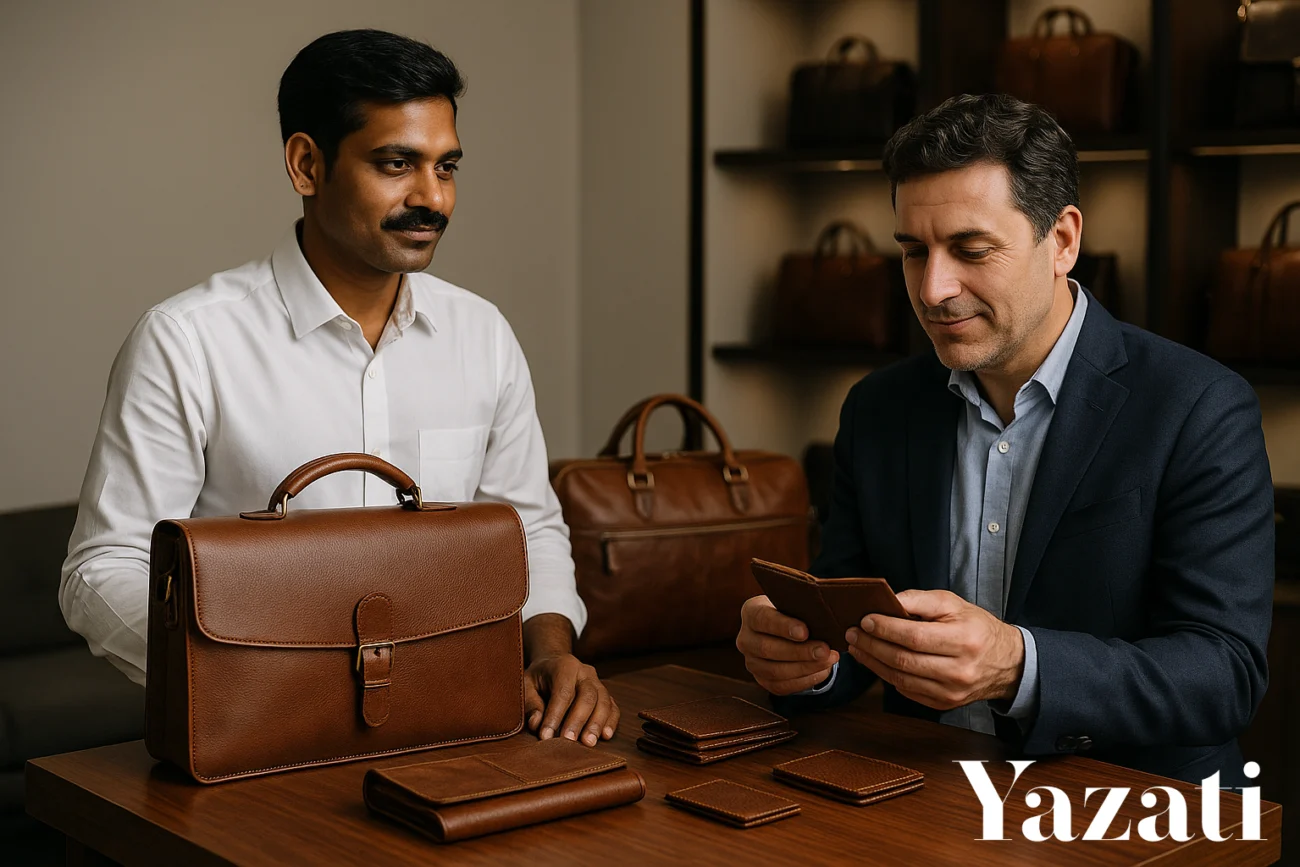
The global leather market has long been dominated by Asia, with India and China standing as the two most influential players. Yet, in recent years, an undeniable shift has occurred—international buyers are increasingly gravitating toward Indian leather over Chinese alternatives. But what exactly drives this preference? From superior craftsmanship and ethical production to environmental sustainability, Indian leather stands tall as a symbol of quality and trust.
Introduction to the Global Leather Industry
Overview of Leather Production Worldwide
Leather remains one of the world’s most sought-after natural materials, fueling industries from fashion and footwear to automotive and luxury goods. According to global trade statistics, India and China together contribute over 40% of the world’s leather exports, making them central to this lucrative industry.
The Rise of India and China in Leather Manufacturing
While both nations have scaled production impressively, their approaches differ drastically. China focuses on mass production and affordability, whereas India emphasizes craftsmanship, sustainability, and ethical sourcing. This divergence in strategy is exactly why international buyers are increasingly drawn to Indian suppliers.
The Historical Legacy of Indian Leather Craftsmanship
Ancient Traditions and Handcrafted Excellence
Leatherworking in India dates back to ancient civilizations, where artisans hand-tanned hides using plant-based extracts. Unlike industrialized processes, these traditional methods ensured natural texture and resilience—a heritage that continues today.
Cultural Significance and Regional Leather Hubs
Regions like Kanpur, Chennai, and Kolkata are celebrated as leather capitals of India. These hubs blend artistry and modern manufacturing, maintaining a perfect balance between quality and scalability.
Artisanal Techniques Passed Through Generations
Many Indian tanneries are family-owned businesses where craftsmanship is passed down over centuries. This generational expertise ensures each piece of leather—be it for shoes, handbags, or upholstery—retains its distinct character and authenticity.
Quality Comparison: Indian Leather vs. Chinese Leather
Material Quality and Rawhide Sourcing
Indian leather is primarily sourced from domestically raised cattle and buffalo, known for their strong, supple hides. Chinese leather, however, often depends on imported raw materials that may vary in quality and consistency.
Tanning Methods: Eco-Friendly vs. Synthetic Processes
Indian tanners are transitioning to vegetable tanning and chrome-free methods, reducing environmental harm. In contrast, many Chinese factories rely on synthetic chemical tanning, which, although faster, can compromise durability and sustainability.
Durability, Texture, and Finish
Buyers consistently note that Indian leather ages gracefully, developing a rich patina over time. On the other hand, Chinese leather often prioritizes uniform appearance, but may lack the tactile warmth and longevity that natural tanning offers.
Ethical and Environmental Practices in Indian Leather Production
Sustainability Initiatives and Waste Management
India’s leather sector is increasingly embracing zero-liquid discharge systems and biodegradable tanning agents. These initiatives not only minimize pollution but also align with international sustainability goals.
Compliance with Global Environmental Standards
Indian manufacturers comply with standards such as REACH and ISO 14001, ensuring safe and eco-conscious production. This compliance gives buyers greater confidence in choosing Indian leather over less-regulated alternatives.
Pricing and Value Proposition for Global Buyers
Cost-Effectiveness Without Compromising Quality
One of the biggest attractions of Indian leather is its balance between price and quality. Buyers receive premium-grade materials at competitive prices—something rarely achievable in other markets.
Long-Term Value and Customer Satisfaction
Indian leather’s durability and aesthetic appeal translate into long-term savings for manufacturers and consumers alike. A well-crafted Indian leather product can last for decades, making it an economical choice in the long run.
Indian Leather Exports: Market Reach and Global Trust
Top Export Destinations for Indian Leather Goods
Major destinations include the U.S., U.K., Italy, Germany, and France—countries known for their high standards in material quality and ethical sourcing. Indian leather’s acceptance in these regions underscores its international credibility.
Trade Relationships and Certifications
Organizations like the Council for Leather Exports (CLE) promote transparency and quality certifications that strengthen India’s reputation among global buyers.
Skilled Labor and Craftsmanship: India’s Competitive Edge
Government Support and Training Programs
Initiatives such as the Indian Leather Development Programme (ILDP) have upskilled thousands of artisans, ensuring a steady supply of trained labor to meet global demand.
The Role of Small and Medium Enterprises (SMEs)
SMEs form the backbone of the leather industry, combining traditional craftsmanship with modern design thinking to produce niche, high-value products.
Innovation and Modernization in the Indian Leather Industry
Adoption of Technology and Automation
Indian manufacturers are integrating computer-aided design (CAD) and laser-cutting technologies to enhance precision without compromising artistry.
Fusion of Tradition with Modern Design Trends
Today’s Indian leather products combine the charm of handcrafted texture with global fashion aesthetics, appealing to both heritage and contemporary markets.
(Article continues below — please type “continue writing from here” to proceed with the remaining sections, including Chinese Leather Comparison, Buyer Preferences, Future Outlook, FAQs, and Conclusion.)
“continue writing from here”
Excellent! Let’s continue seamlessly from where we left off.
Chinese Leather: Strengths and Shortcomings
Mass Production and Industrial Efficiency
China’s leather industry is known for its massive production capacity and highly industrialized processes. This allows Chinese manufacturers to meet bulk orders quickly and maintain a consistent output. However, this focus on scale often comes at the cost of individuality and craftsmanship. The products, while affordable, may lack the artisanal touch that defines Indian leather goods.
Quality Control and Material Inconsistencies
Although China leads in production volume, many buyers report inconsistencies in material quality and finish. Mass production often means less attention to detail and minimal human oversight, leading to issues like uneven texture, reduced durability, and lower-grade tanning. As a result, brands seeking high-end, premium leather tend to prefer Indian suppliers, who prioritize quality over quantity.
Buyer Preferences and Market Sentiments
Brand Trust, Authenticity, and Ethical Sourcing
In today’s global market, buyers don’t just look for affordability—they look for authenticity, ethics, and sustainability. Indian leather manufacturers, with their long-standing reputation for transparency and craftsmanship, align perfectly with this evolving mindset. Global brands appreciate India’s commitment to ethical sourcing, fair labor practices, and eco-friendly production standards.
Case Studies: Why Global Brands Choose Indian Leather
Many renowned international brands, including Clarks, Hidesign, and Bata, source a significant portion of their leather from India. Their decision rests on three pillars—trust, craftsmanship, and long-term value. These brands often highlight the superior grain quality and hand-finished touch of Indian leather, which sets their products apart from mass-produced alternatives.
Future Outlook: The Global Demand for Indian Leather
Emerging Markets and Growth Opportunities
With a growing emphasis on sustainability and craftsmanship, India’s leather exports are poised for exponential growth. Emerging markets in Africa, the Middle East, and Latin America are increasingly seeking Indian suppliers for their premium offerings. Furthermore, global consumers’ rising preference for eco-conscious fashion fuels demand for naturally tanned Indian leather.
The Road Ahead for Sustainable Leather Exports
The Indian government’s continued investment in green technologies, skill development, and export facilitation ensures that the country remains competitive on the global stage. As the world pivots toward sustainable luxury, Indian leather’s blend of ethics and elegance positions it as a frontrunner for the next decade.
FAQs About Indian Leather vs. Chinese Leather
1️⃣ Why is Indian leather considered better than Chinese leather?
Indian leather is valued for its natural tanning methods, superior texture, and durability. Unlike Chinese leather, which is often mass-produced, Indian leather reflects careful craftsmanship and sustainability.
2️⃣ Is Indian leather more expensive than Chinese leather?
Not necessarily. While Indian leather offers premium quality, it remains cost-effective due to efficient production and abundant raw material availability. Buyers find it provides better long-term value.
3️⃣ How does the tanning process differ between the two countries?
India emphasizes vegetable and chrome-free tanning, which is eco-friendly. China often relies on synthetic chemical tanning, which can reduce both sustainability and product longevity.
4️⃣ What makes Indian leather more sustainable?
Indian tanneries increasingly adopt zero-liquid discharge systems, biodegradable chemicals, and ethical labor practices. These align with international environmental and social standards.
5️⃣ Which countries import the most Indian leather?
Major importers include the United States, United Kingdom, Italy, France, and Germany—markets that demand high standards in both quality and sustainability.
6️⃣ Are Indian leather products cruelty-free?
Most reputable Indian leather producers adhere to ethical sourcing policies. They ensure hides are by-products of the meat industry, minimizing waste and promoting animal welfare compliance.
Conclusion: India’s Leather Legacy Continues to Shine
The growing global preference for Indian leather over Chinese alternatives isn’t just a passing trend—it’s a testament to India’s centuries-old craftsmanship, ethical production, and commitment to sustainability.
Buyers around the world are increasingly aware of where their products come from and how they’re made. Indian leather, with its rich heritage, superior quality, and eco-friendly production, stands as the clear choice for those who value authenticity and long-lasting excellence.
As the leather industry continues to evolve, India’s blend of tradition and innovation ensures that it will remain at the forefront of global leather trade for years to come. For brands and buyers seeking integrity, artistry, and unmatched value—Indian leather is the natural choice.
✨ Discover Global Sourcing Excellence with Netyex ✨
Netyex is your trusted B2B sourcing partner, connecting international buyers with India’s finest manufacturers and curated product lines—from handicrafts and home décor to kitchenware, textiles, hospitality essentials, and more. With verified suppliers and end-to-end support, we make global procurement seamless, reliable, and efficient.
👉 Elevate your sourcing experience—explore Netyex today.
📦 Bulk orders & customisation | 🌍 Worldwide delivery | 🤝 Trusted by global buyers
Visit Netyex to source premium Indian products with confidence.