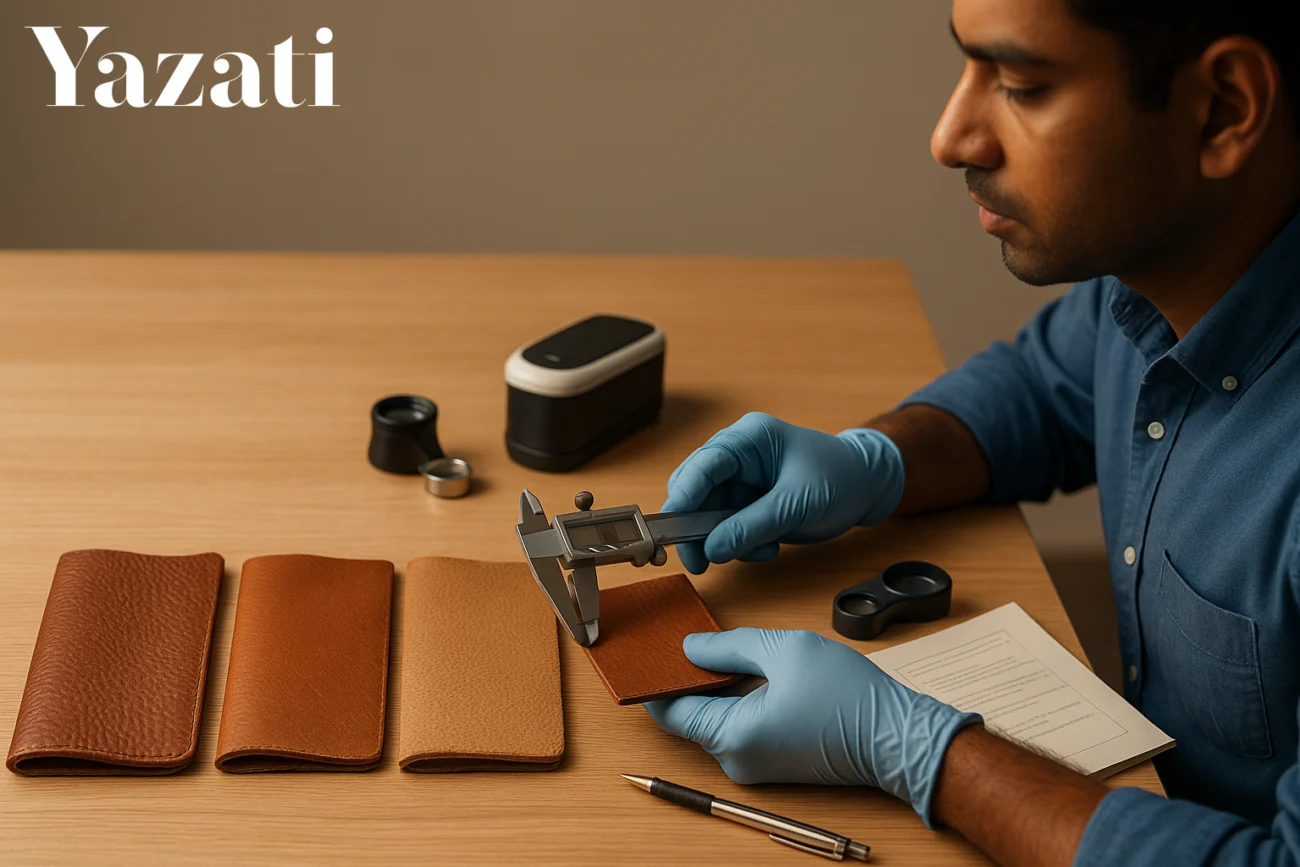
Introduction to Leather Grades and Global Trade
Leather has been a cornerstone of global trade for centuries, valued for its strength, flexibility, and timeless aesthetic appeal. However, not all leather is created equal. For importers, understanding the different leather grades is critical to maintaining product quality, ensuring customer satisfaction, and avoiding costly mistakes.
The term “leather grade” refers to how the hide is processed, the layer of skin used, and the quality of the finish. Importers who lack this knowledge often find themselves paying premium prices for lower-grade materials or struggling with inconsistent product batches. This guide provides a comprehensive technical overview of leather grading systems, sourcing strategies, and international quality standards.
Why Leather Grading Matters for Importers
When importing leather goods—be it upholstery, footwear, or fashion accessories—buyers must align product grade with market expectations. A retailer selling luxury handbags cannot afford to source bonded leather mislabeled as full-grain. Conversely, a mid-tier furniture manufacturer might prioritize cost efficiency over pristine aesthetics.
Understanding leather grades helps importers:
- Negotiate fair pricing with suppliers.
- Maintain consistent product quality.
- Comply with global safety and environmental regulations.
- Build long-term supplier relationships.
The Basics of Leather: From Rawhide to Finished Product
Overview of the Leather Production Process
Leather begins as rawhide—animal skin primarily from cattle, goats, or sheep. The production process typically involves:
- Curing: Preserving hides using salt to prevent decay.
- Soaking & Liming: Removing hair, dirt, and proteins.
- Tanning: Stabilizing collagen fibers for durability.
- Dyeing & Finishing: Enhancing color, texture, and feel.
Each stage influences the final leather grade. Over-processing or poor tanning can weaken fibers, affecting tensile strength and longevity.
Key Terminologies Importers Must Know
- Grain: The outermost layer of the hide; crucial for texture and durability.
- Split: Inner layers used in lower grades of leather.
- Finish: Surface coating that affects appearance and resistance.
- Hide Yield: The usable portion of the hide after trimming defects.
- Handfeel: The tactile sensation of the leather—soft, firm, or supple.
The Four Primary Leather Grades Explained
1. Full-Grain Leather – The Benchmark of Quality
Full-grain leather is the highest grade, taken from the top layer of the hide with all natural markings intact. It’s minimally processed, which preserves its breathability, strength, and unique patina that develops over time.
Used in: Premium furniture, luxury bags, and high-end footwear.
Pros: Exceptional durability, natural beauty, and longevity.
Cons: Expensive and prone to visible imperfections.
2. Top-Grain Leather – Balanced Durability and Style
Top-grain leather is lightly sanded to remove surface imperfections. This results in a more uniform look while retaining much of the original strength. It’s also treated with finishes that make it more stain-resistant.
Used in: Branded handbags, belts, and upholstery.
Pros: Smooth texture, moderate cost, and good flexibility.
Cons: Slightly less durable than full-grain due to surface buffing.
3. Genuine Leather – The Misleading Marketing Term
Despite its positive name, genuine leather refers to lower layers of the hide, often heavily treated or embossed to mimic higher-quality grades.
Used in: Budget shoes, wallets, and belts.
Pros: Affordable and easy to mass-produce.
Cons: Wears out quickly, lacks natural texture, and may crack over time.
4. Bonded Leather – The Economical, Low-Grade Option
Bonded leather is made from leftover leather fibers and polyurethane adhesives, similar to particleboard in woodworking. While cheap, it has minimal longevity.
Used in: Low-cost furniture and accessories.
Pros: Economical.
Cons: Not genuine leather; easily peels and degrades.
Comparative Table: Physical and Chemical Properties by Grade
| Leather Grade | Tensile Strength (MPa) | Flex Resistance (Cycles) | Thickness (mm) | Cost per sq. ft. (USD) |
| Full-Grain | 25–30 | 100,000+ | 1.2–1.5 | $8–$15 |
| Top-Grain | 20–25 | 80,000–100,000 | 1.0–1.4 | $6–$10 |
| Genuine | 10–15 | 40,000–60,000 | 0.8–1.2 | $3–$5 |
| Bonded | 5–10 | <20,000 | 0.6–1.0 | $1–$2 |
How Tanning Affects Leather Quality and Grade
Vegetable Tanning vs. Chrome Tanning
Vegetable tanning uses natural tannins from bark and leaves, producing eco-friendly, firm leather ideal for luxury goods. Chrome tanning, on the other hand, uses chromium salts for faster processing, resulting in softer, more flexible leather suited for mass production.
Synthetic and Hybrid Tanning Innovations
Modern tanneries now use hybrid systems combining chrome and vegetable tanning to balance durability and environmental safety.
International Leather Grading Standards and Certifications
ISO, ASTM, and IULTCS Standards Explained
- ISO 2418: Leather—Chemical, physical, and mechanical testing standards.
- ASTM D2813: Standard practice for sampling and grading leather.
- IULTCS: Sets international benchmarks for tanning chemicals and durability tests.
Regional Variations in Grading Systems
European leather typically follows EN standards, emphasizing sustainability and traceability, while Asian suppliers may use proprietary grading based on yield and visual inspection.
Key Factors Affecting Leather Grades in Global Trade
Leather grading isn’t determined by one factor alone. Instead, it’s a combination of several variables—from the origin of the animal to the finishing techniques applied during processing. Importers must understand these influences to make accurate quality assessments before placing large-scale orders.
Animal Source and Hide Selection
Different animal hides offer unique characteristics that affect grain texture, softness, and durability.
- Cattle hides are the most common, providing excellent thickness and strength.
- Goat and sheep leather tend to be softer and more flexible, often used for garments and gloves.
- Buffalo hides are coarse and rugged, ideal for heavy-duty products.
- Exotic leathers such as ostrich, crocodile, and stingray are graded on entirely different parameters like scale pattern uniformity and rarity.
The breed, diet, and environment of the animal also impact hide quality. Cattle raised in dry climates often have tougher hides, while those raised in humid areas may have more scars or insect bites, affecting grade and yield.
Grain Quality and Surface Treatment
Grain quality determines the visual and tactile appeal of leather. Natural grain hides—especially full-grain—retain original pore structures, which enhance breathability and durability. However, surface treatments like sanding, embossing, or coating can alter appearance and grade classification.
Excessive buffing removes the natural grain, pushing the material into lower categories such as top-grain or corrected-grain leather.
Defects, Finishes, and Coating Thickness
Defects such as branding marks, insect bites, or uneven coloration can downgrade a hide. High-end leather manufacturers typically cut around imperfections, while lower-grade producers may apply pigmented finishes to conceal flaws.
While coatings improve resistance to stains and UV light, they can reduce the leather’s ability to breathe—something importers should balance depending on their target market (e.g., furniture vs. apparel).
Leather Testing and Quality Inspection for Importers
Quality control is paramount in the leather import business. Importers should establish standardized inspection protocols based on objective laboratory tests and visual evaluations before shipment.
Physical Testing: Strength, Flexibility, and Wear Resistance
Common physical tests include:
- Tensile Strength Test: Measures resistance to breaking under tension.
- Flex Resistance: Simulates repeated bending to evaluate cracking tendencies.
- Tear Strength: Determines how easily leather rips from an existing cut.
- Abrasion Resistance: Evaluates surface durability under friction.
Testing is usually done using ISO 3376 and ASTM D2209 standards to ensure global consistency.
Chemical Testing: pH, Chromium VI, and VOC Content
Chemical composition has a direct impact on safety and environmental compliance. Importers should ensure their suppliers conduct:
- pH Level Tests to confirm the leather isn’t overly acidic (optimal range: 3.5–5.5).
- Chromium VI Testing, as this toxic compound is banned in many countries.
- VOC (Volatile Organic Compounds) Testing for eco-label certifications and export clearance.
Reliable labs in countries like Italy, Germany, and India perform these tests under ISO-accredited conditions.
Visual Inspection: Texture, Color, and Finish Consistency
Beyond lab testing, visual and tactile inspections remain essential. Inspectors check for:
- Uniform color across batches.
- Consistent grain patterns.
- Smooth finish with no peeling, wrinkles, or cracks.
An importer should always request golden samples—reference pieces representing the approved quality standard for future shipments.
Common Misconceptions About Leather Grades
Why “Genuine Leather” Is Not the Best
Many consumers mistakenly believe “genuine leather” indicates premium quality. In reality, it often refers to split or reconstituted leather, which is several layers removed from the original grain. Although technically “real,” it lacks durability and depth of character compared to full-grain varieties.
The Myth of “100% Leather” Labels
The term “100% leather” can be misleading. Some products combine small amounts of genuine leather with synthetic coatings or fabric backings. Importers should verify material composition through supplier transparency and documentation rather than relying on vague labeling.
Cost vs. Quality: Choosing the Right Leather Grade for Your Market
Pricing Tiers and Profit Margins by Grade
Choosing between different leather grades depends on the importer’s target market and product positioning. Below is an approximate cost framework:
| Leather Grade | Target Market Segment | Average Price (per sq. ft.) | Expected Lifespan |
| Full-Grain | Luxury | $8–$15 | 10–20 years |
| Top-Grain | Premium / Mid-Tier | $6–$10 | 5–10 years |
| Genuine | Budget | $3–$5 | 2–5 years |
| Bonded | Mass Market / Disposable | $1–$2 | <2 years |
High-end importers prioritize longevity and brand reputation, while budget-focused businesses optimize for affordability and visual appeal.
Market Segmentation: Luxury, Mid-Range, and Budget Products
- Luxury Segment: Prefers full-grain leather with natural finishes, often sourced from European tanneries.
- Mid-Range Market: Balances cost and aesthetics with top-grain leather.
- Budget Segment: Relies on genuine or bonded leather to achieve acceptable pricing levels for mass retail.
A strategic importer often diversifies sourcing—using high-grade leather for flagship items and lower grades for secondary product lines.
Sourcing Leather: Best Practices for Importers
How to Evaluate Leather Suppliers
A good supplier doesn’t just offer competitive prices; they ensure consistency, compliance, and transparency. Importers should:
- Review factory audit reports (SA8000, ISO 9001).
- Request production samples and testing certificates.
- Verify supply chain traceability, particularly for exotic or restricted leathers.
Important Documents: Certificates of Origin and Compliance
Essential paperwork includes:
- Certificate of Origin (COO): Identifies the source country for tariff purposes.
- REACH or RoHS Compliance Certificates: Confirm chemical safety.
- Leather Working Group (LWG) Certification: Demonstrates sustainability and ethical practices.
Importers should ensure all certificates are authenticated and up-to-date to avoid customs delays.
Avoiding Common Import Pitfalls and Fraudulent Grading
Fraudulent practices, such as mislabeling lower-grade leather as “Italian full-grain,” are not uncommon. Protect yourself by:
- Conducting third-party inspections.
- Visiting supplier facilities personally or via accredited auditors.
- Using escrow payment systems until quality verification is complete.
Sustainability and Ethical Sourcing in the Leather Industry
Environmental Impact of Tanning and Waste Management
Traditional tanning involves hazardous chemicals like chromium salts, leading to water pollution and worker health risks. Many countries now require effluent treatment plants (ETPs) and restrict hazardous waste discharge. Importers can contribute to sustainability by sourcing from LWG-certified tanneries or those following ISO 14001 environmental management standards.
Sustainable Alternatives: Bio-Leather and Recycled Materials
Innovations like mushroom leather (Mylo), pineapple leather (Piñatex), and apple peel leather offer eco-friendly alternatives. Though still costly, these materials attract conscious consumers and reduce environmental footprint—an emerging trend in the 2026 import market.
Case Study: Comparing Leather Quality from Italy, India, and China
European Premium Leather (Italy and Spain)
Italian tanneries, especially in Tuscany, are renowned for artisanal vegetable tanning and superior finishing. Their leathers boast rich color depth, uniform grain, and excellent longevity. European suppliers often comply with strict EU environmental standards.
South Asian Mass-Market Production (India and Bangladesh)
India and Bangladesh dominate mid- to low-tier leather exports. While quality varies, their cost advantage is significant. Government initiatives like India’s “Leather Cluster Development Programme” aim to improve compliance and eco-friendly processing.
Chinese Leather Industry and Technological Advancements
China remains the world’s largest producer of processed leather by volume. In recent years, technological upgrades and automation have improved quality, particularly in synthetic and hybrid tanning. Many global brands now rely on Chinese factories for large-scale, cost-efficient leather manufacturing.
FAQs About Leather Grades for Importers
1. What’s the most durable type of leather for export products?
Full-grain leather offers the highest durability and natural resistance to wear, making it ideal for premium products.
2. How can importers verify if leather is full-grain or top-grain?
Examine the pores and texture—full-grain shows natural irregularities, while top-grain appears smoother due to sanding.
3. Is “genuine leather” still real leather?
Yes, but it’s a lower-quality layer. It lacks the strength and breathability of full- or top-grain leather.
4. Are there global standards for grading leather?
Yes. ISO, ASTM, and IULTCS provide internationally recognized testing and classification methods.
5. Can bonded leather be exported as “real leather”?
No. Bonded leather is a composite product and must be labeled accordingly to comply with import regulations.
6. What are the best countries for sourcing high-quality leather?
Italy, Spain, and Argentina are top choices for premium leather; India and China are better for mid-tier and budget categories.
Conclusion: Building Long-Term Value Through Informed Leather Sourcing
Importing leather isn’t just about finding the lowest price—it’s about balancing quality, compliance, and sustainability. Understanding leather grades helps importers make informed decisions that enhance brand credibility and customer trust.
As global demand evolves, success will depend on strategic sourcing, transparent supplier relationships, and a commitment to environmentally responsible trade. By mastering the technical nuances of leather grading, importers position themselves as industry leaders in both quality and integrity.
✨ Discover Global Sourcing Excellence with Netyex ✨
Netyex is your trusted B2B sourcing partner, connecting international buyers with India’s finest manufacturers and curated product lines—from handicrafts and home décor to kitchenware, textiles, hospitality essentials, and more. With verified suppliers and end-to-end support, we make global procurement seamless, reliable, and efficient.
👉 Elevate your sourcing experience—explore Netyex today.
📦 Bulk orders & customisation | 🌍 Worldwide delivery | 🤝 Trusted by global buyers
Visit Netyex to source premium Indian products with confidence.