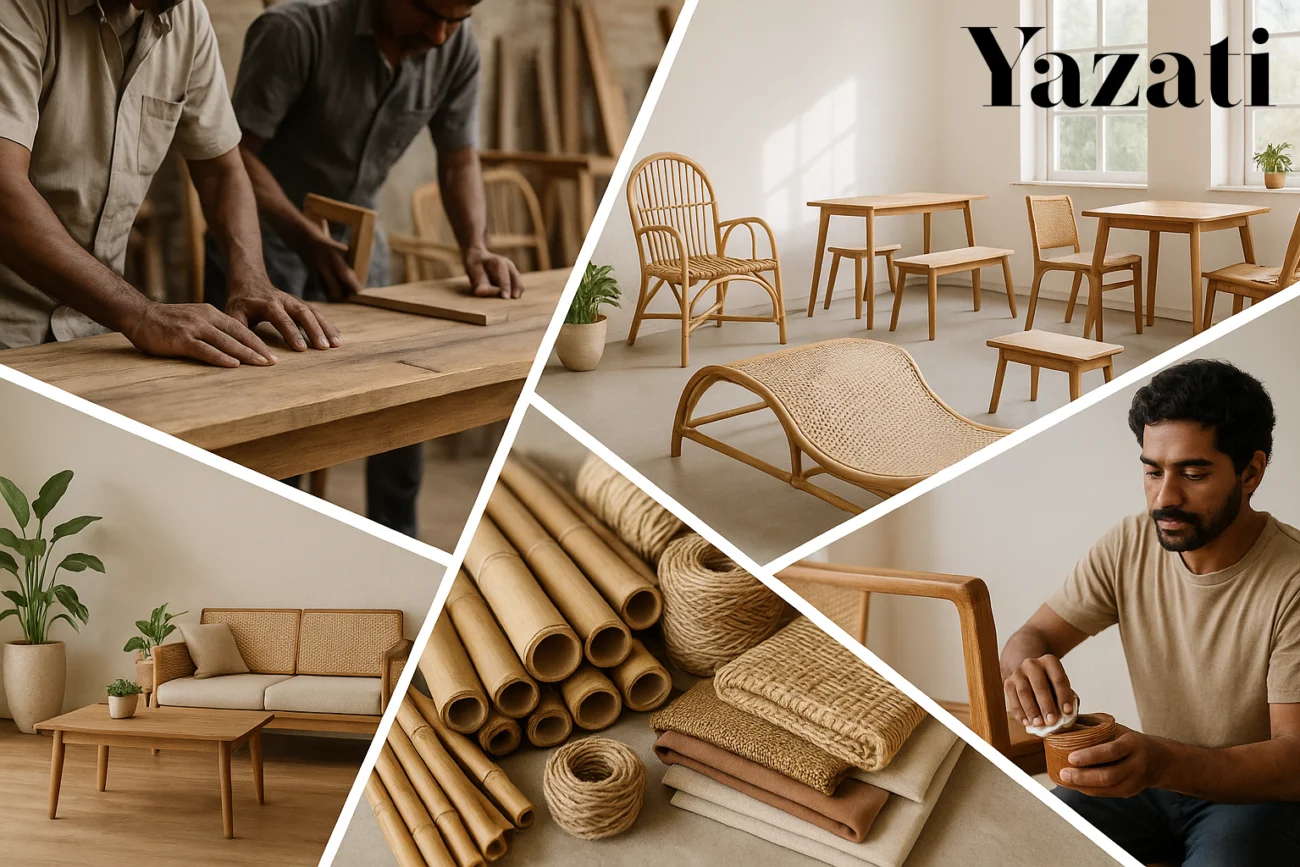
Introduction to Sustainability in the Indian Furniture Industry
The Indian furniture industry—once dominated by traditional hardwood designs and imported materials—is now witnessing a green revolution. Sustainability has shifted from being a mere trend to becoming a core business philosophy. Whether it’s small artisanal workshops in Rajasthan or large-scale manufacturers in Bengaluru, everyone is rethinking how furniture is made, sourced, and consumed.
This transformation is being driven by environmental awareness, government policies, and evolving consumer preferences. As climate change becomes an urgent global issue, Indian furniture makers are realizing that sustainable practices not only protect the planet but also make smart business sense.
The Rise of Eco-Friendly Furniture in India
Eco-friendly furniture has become a defining symbol of India’s new design era. Increasingly, urban consumers are rejecting mass-produced, short-lived products in favor of furniture that lasts longer, uses fewer resources, and tells a story of craftsmanship.
What Sustainability Means in Furniture Design
In the context of furniture, sustainability means minimizing environmental impact throughout the product’s lifecycle—from raw material sourcing to manufacturing and eventual disposal. This involves:
- Using renewable and recyclable materials
- Reducing carbon emissions during production
- Ensuring ethical labor practices
- Designing for durability and reusability
The Influence of Global Environmental Movements
Movements such as the Paris Agreement and the United Nations’ Sustainable Development Goals (SDGs) have encouraged Indian furniture makers to align with global sustainability standards. This has sparked initiatives like zero-waste workshops, solar-powered factories, and biodegradable packaging.
Key Sustainable Materials Used by Indian Furniture Makers
Indian manufacturers are replacing conventional hardwoods and synthetics with eco-friendly alternatives. Let’s look at some of the most popular sustainable materials in use today.
Reclaimed and Recycled Wood
Reclaimed wood from old houses, boats, or railway sleepers gives furniture a second life. It reduces deforestation and adds unique character to each piece. Many Indian artisans use reclaimed teak and mango wood to produce rustic yet elegant designs.
Bamboo and Cane Furniture
Often referred to as “India’s green gold,” bamboo is a fast-growing, renewable resource that’s naturally strong and lightweight. Similarly, cane furniture, traditionally used in Indian households, has made a comeback in eco-modern designs.
Natural Finishes and Non-Toxic Paints
Furniture makers are increasingly choosing low-VOC (volatile organic compound) paints and natural finishes derived from linseed oil or beeswax. These alternatives ensure better indoor air quality and a healthier environment.
Traditional Craftsmanship Meets Modern Sustainability
One of India’s biggest strengths is its deep-rooted tradition of handcrafted furniture. Unlike industrial mass production, handcrafted furniture generates less waste and requires minimal energy.
The Role of Handcrafted Furniture in Reducing Carbon Footprint
Handmade furniture often relies on local materials and manual techniques, drastically lowering transportation emissions. Moreover, artisans ensure precise craftsmanship, extending the furniture’s lifespan and reducing the need for replacements.
Revival of Indigenous Techniques and Materials
From cane weaving in Assam to wood carving in Saharanpur, traditional Indian crafts are finding new relevance. Sustainable brands now combine these age-old methods with modern aesthetics, appealing to eco-conscious global buyers.
Leading Indian Brands Pioneering Sustainable Furniture
Several forward-thinking Indian companies are setting examples in eco-friendly furniture manufacturing.
Pepperfry, Urban Ladder, and Beyond
Leading e-commerce platforms like Pepperfry and Urban Ladder have introduced eco-certified collections that emphasize responsible sourcing. Many of their pieces use reclaimed wood and natural fabrics, helping consumers make greener choices.
Local Brands and Artisanal Startups
Startups such as The Purple Turtles, Freedom Tree, and WoodenStreet are championing sustainability through locally sourced materials and transparent production chains. These brands collaborate with artisans to create timeless, eco-friendly designs.
Government Policies and Certifications Supporting Sustainability
The Indian government is increasingly supporting the green transition through policies, subsidies, and certifications.
Indian Green Building Council (IGBC) and FSC Certification
The IGBC promotes the use of eco-friendly furniture in green buildings, while the Forest Stewardship Council (FSC) certification ensures that wood is sourced responsibly. Many Indian brands are adopting these standards to appeal to global buyers and environmentally conscious customers.
The Role of Technology in Driving Sustainable Production
Digital transformation has become an unexpected ally in sustainability efforts.
3D Modeling, CNC Machines, and Efficient Resource Planning
Through 3D modeling and computer-aided design (CAD), manufacturers optimize material use, reducing waste during production. CNC machines ensure precise cutting, while AI-powered planning tools help predict demand and minimize overproduction.
Consumer Awareness and the Shift Toward Green Choices
Today’s Indian consumers—especially millennials and Gen Z—are prioritizing ethics, transparency, and eco-friendliness.
Social Media and the Eco-Conscious Buyer
Platforms like Instagram and Pinterest have amplified eco-awareness. Influencers promote sustainable interiors, encouraging consumers to choose green over glamour. As a result, demand for eco-certified furniture is soaring across India’s metros.
Challenges Faced by Indian Furniture Makers in Going Green
Despite progress, several obstacles hinder widespread adoption of sustainable practices.
- High Cost of Eco-Materials: Sustainable materials often cost more than synthetic alternatives.
- Limited Awareness: Many small manufacturers lack access to training and certification.
- Supply Chain Barriers: Sourcing certified materials can be difficult in rural areas.
Overcoming the Cost of Sustainable Materials
Collaboration between government bodies, private investors, and local artisans can make green production affordable. Shared manufacturing hubs and tax incentives can further accelerate the shift.
The Economic Benefits of Sustainable Furniture
Sustainability isn’t just an ethical choice—it’s a smart business move. Eco-friendly furniture often has a higher profit margin due to its premium appeal. Moreover, companies embracing green manufacturing attract international buyers and investors looking for responsible brands.
The Future of Sustainable Furniture in India
India’s sustainable furniture market is expected to grow exponentially by 2030, driven by both domestic demand and export potential.
Export Opportunities and Global Market Appeal
Sustainability has become a key factor in global trade. Indian furniture, known for its craftsmanship and affordability, can dominate export markets by aligning with eco-certification standards.
Frequently Asked Questions (FAQs)
1. What makes furniture sustainable?
Sustainable furniture uses renewable, recyclable, and non-toxic materials, ensuring minimal environmental impact throughout its lifecycle.
2. Which materials are best for eco-friendly furniture in India?
Bamboo, reclaimed wood, cane, jute, and recycled metal are among the best materials for sustainable furniture.
3. Are Indian furniture makers certified for sustainability?
Yes, many brands are now certified by organizations like the FSC and IGBC, ensuring responsible production.
4. Is sustainable furniture more expensive?
Initially, yes—but its longer lifespan and lower maintenance costs make it more cost-effective over time.
5. How can I identify eco-friendly furniture?
Look for labels such as FSC-certified, eco-friendly, or low-VOC, and inquire about the sourcing process.
6. What’s the future of sustainable furniture in India?
With increasing consumer awareness and government support, India’s eco-furniture industry is poised for exponential growth.
Conclusion: Building a Greener Future for Indian Furniture
India’s furniture industry is at the crossroads of tradition and transformation. By embracing sustainability, it’s not only preserving its cultural craftsmanship but also securing a greener, more profitable future. As consumers, choosing eco-friendly furniture means supporting local artisans, protecting forests, and shaping a sustainable tomorrow.
✨ Discover Global Sourcing Excellence with Netyex ✨
Netyex is your trusted B2B sourcing partner, connecting international buyers with India’s finest manufacturers and curated product lines—from handicrafts and home décor to kitchenware, textiles, hospitality essentials, and more. With verified suppliers and end-to-end support, we make global procurement seamless, reliable, and efficient.
👉 Elevate your sourcing experience—explore Netyex today.
📦 Bulk orders & customisation | 🌍 Worldwide delivery | 🤝 Trusted by global buyers
Visit Netyex to source premium Indian products with confidence.