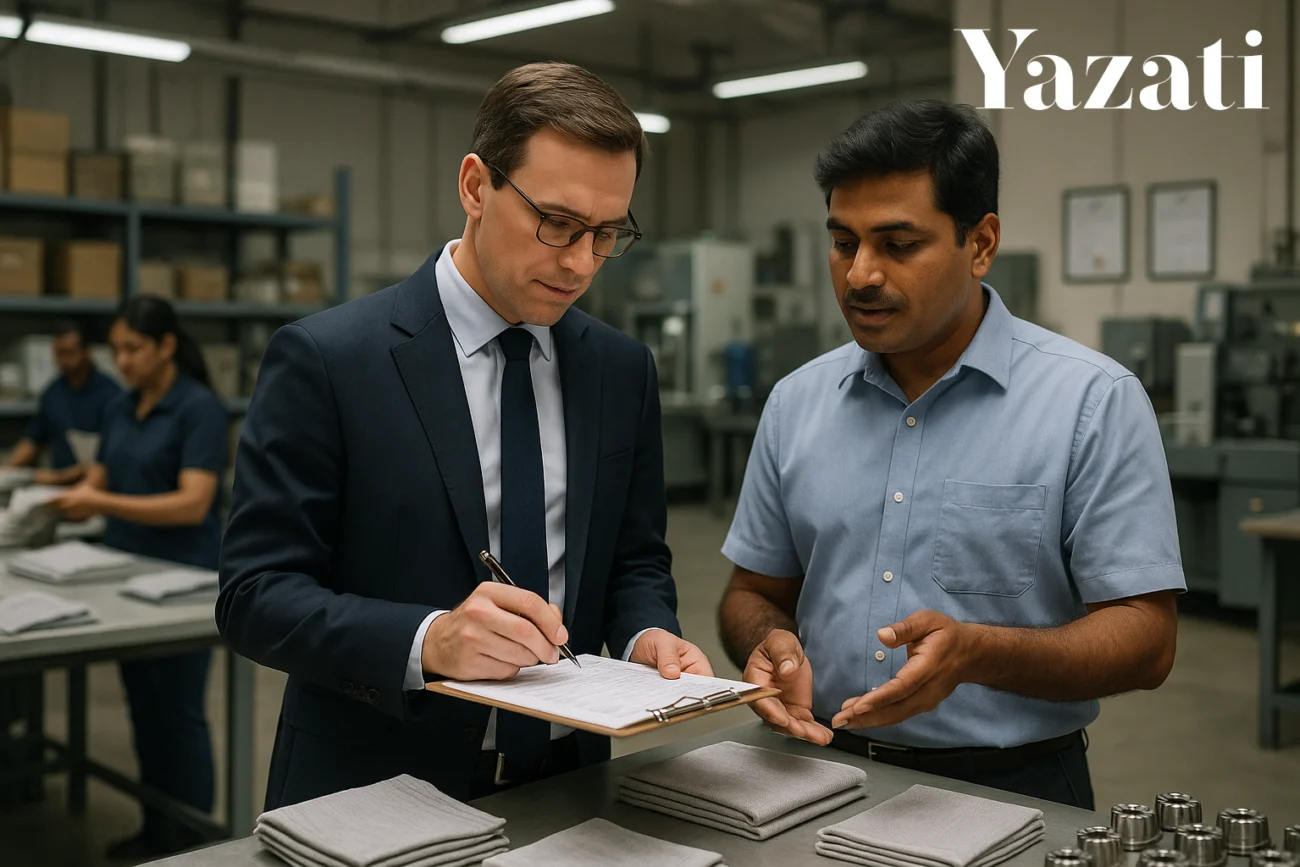
Introduction: The Rise of Indian Suppliers in Global Trade
India has emerged as one of the most powerful sourcing hubs in the global marketplace. From textiles and pharmaceuticals to engineering goods and IT products, Indian suppliers are meeting international demand with competitive prices and improved quality. The country’s strong manufacturing ecosystem, combined with government initiatives like Make in India, has turned it into a preferred sourcing destination for importers worldwide.
However, while opportunities are abundant, not all suppliers are equally reliable. Evaluating your Indian supplier before importing is essential to avoid delays, frauds, and substandard products. In this guide, we’ll walk you through the exact steps to ensure your sourcing journey from India is safe, efficient, and profitable.
Why Supplier Evaluation Matters Before Importing
Evaluating a supplier is not just a formality—it’s your first line of defense against costly mistakes. Many importers rush into agreements after a few online conversations or attractive price quotes, only to discover quality issues or communication breakdowns later.
Common Risks in Sourcing from Unverified Indian Suppliers
- Fake company listings: Some entities operate under false identities or claim nonexistent factories.
- Quality inconsistency: Without proper audits, product quality may vary drastically between samples and bulk shipments.
- Poor communication: Misunderstandings can lead to delays or wrong product specifications.
- Non-compliance issues: Products might not meet your country’s import regulations or certifications.
- Financial losses: Advance payments made to unreliable suppliers can result in total loss.
By properly vetting suppliers, you minimize these risks and establish a foundation for long-term collaboration.
Step-by-Step Process to Evaluate Indian Suppliers
Step 1: Conduct Preliminary Online Research
Begin by gathering initial data from reputable B2B directories such as IndiaMART, TradeIndia, and Alibaba. Examine their product listings, company profiles, and client testimonials. Use Google Maps and LinkedIn to cross-check business presence and leadership profiles.
A legitimate supplier will often have:
- A professional website with detailed product descriptions
- Active social media profiles
- Verified contact information
- Trade history with visible client feedback
Step 2: Verify Business Legitimacy & Registration
In India, all export businesses must be registered with the Directorate General of Foreign Trade (DGFT) and hold an Import Export Code (IEC). Additionally, valid GST registration and Udyam/MSME certification indicate an authentic business.
Ask suppliers to provide:
- GST certificate
- IEC code
- Business registration license
- PAN (Permanent Account Number) card
Cross-verify these documents using government portals such as https://www.dgft.gov.in and https://udyamregistration.gov.in.
Step 3: Evaluate Supplier Reputation & Reviews
Reviewing a supplier’s reputation is crucial. Check reviews on:
- IndiaMART ratings
- Alibaba trade assurance records
- Trustpilot and Glassdoor
If possible, contact previous buyers or request references. Consistent positive feedback across platforms suggests reliability and professionalism.
Step 4: Request Business Documentation
Request essential business documents such as:
- ISO certifications (for quality assurance)
- Product test reports (for regulatory compliance)
- Factory audit certificates (if applicable)
These not only demonstrate authenticity but also indicate a supplier’s commitment to global standards.
Step 5: Assess Product Quality & Compliance
Never rely solely on product images. Request physical samples to verify quality, materials, and finishing. For regulated products like electronics or cosmetics, ensure compliance with international standards such as CE, RoHS, or FDA.
You can also hire third-party inspection agencies (like SGS, Bureau Veritas, or TUV) to conduct pre-shipment or during-production inspections.
Step 6: Conduct Factory or Site Audits
If your budget allows, visit the factory personally or appoint a local agent. On-site audits help confirm:
- Manufacturing capacity
- Worker conditions
- Machinery and infrastructure quality
- Inventory management and packaging processes
Physical verification eliminates ambiguity and gives confidence in large-scale deals.
Step 7: Analyze Communication & Responsiveness
Good suppliers maintain clear, prompt, and transparent communication. Notice how quickly they respond, how they handle queries, and whether they understand your technical requirements. Consistent delays or vague replies can indicate poor management or inexperience.
Step 8: Check Payment Terms & Financial Stability
Avoid suppliers demanding 100% upfront payment. Safe options include:
- Letter of Credit (LC)
- Escrow services
- 30/70 payment terms (30% advance, 70% after shipment verification)
Ask for banking references or trade history to assess financial health.
Tools and Platforms to Research Indian Suppliers
Popular Platforms: IndiaMART, TradeIndia, Alibaba, Global Sources
Each platform offers specific advantages:
| Platform | Features | Verification Tools |
| IndiaMART | Largest domestic B2B marketplace in India | TrustSeal verification |
| TradeIndia | Verified exporters with category filters | Premium supplier badges |
| Alibaba | International buyers’ hub | Trade Assurance and Gold Supplier status |
| Global Sources | Focus on electronics and industrial goods | Verified Manufacturer label |
Government & Industry Verification Tools
Use official resources like:
- DGFT IEC portal – Verify export license
- FIEO (Federation of Indian Export Organisations) – Membership directory
- MSME database – Confirm small or medium enterprise status
Legal and Contractual Considerations
Drafting a Strong Purchase Agreement
A written contract protects both buyer and supplier. Include:
- Product specifications and quality standards
- Delivery timelines
- Payment structure
- Penalty clauses for delays or non-compliance
- Dispute resolution process
Ensuring Compliance with Indian Export Laws
Familiarize yourself with:
- Customs documentation (Bill of Lading, Packing List, Commercial Invoice)
- Export Inspection Agency (EIA) certifications
- Commodity-specific regulations
Consulting a trade lawyer or freight forwarder ensures smooth compliance.
Common Red Flags to Watch Out For
- Extremely low prices that seem “too good to be true.”
- Reluctance to share official documents.
- Poor communication or inconsistent contact details.
- Frequent name or address changes.
- Lack of references or negative online reviews.
If you spot multiple red flags, it’s better to move on to another supplier.
Benefits of Hiring Third-Party Inspection Services
Independent inspection agencies provide unbiased verification of:
- Product quality
- Factory operations
- Packaging and labeling compliance
- Shipment readiness
They charge a small fee but save you from significant financial losses in the long run.
Final Checklist Before Placing an Order
| Task | Status |
| Supplier registration verified | ✅ |
| Business licenses and GST checked | ✅ |
| Product samples approved | ✅ |
| Contract drafted and signed | ✅ |
| Payment method secured | ✅ |
| Inspection scheduled | ✅ |
Once this checklist is complete, you can confidently proceed with your order.
FAQs About Evaluating Indian Suppliers
1. How do I know if an Indian supplier is legitimate?
Check registration on DGFT, verify GST details, and review trade history on B2B platforms.
2. Are Indian suppliers reliable for long-term contracts?
Yes, many are highly reliable once trust is established through audits and consistent communication.
3. Should I visit the supplier in person?
Yes, factory visits help verify operations, but third-party audits are good alternatives.
4. What documents should I request before importing?
Request GST, IEC, ISO certificates, and product compliance reports.
5. How can I avoid fraud when paying Indian suppliers?
Use escrow or LC-based payments and avoid full prepayments.
6. Which industries in India are best for sourcing?
Textiles, pharmaceuticals, handicrafts, engineering goods, and IT components are top choices.
Conclusion: Building Long-Term, Trustworthy Supplier Relationships
Evaluating Indian suppliers before importing isn’t just about avoiding risks—it’s about creating a foundation for sustainable partnerships. When you follow due diligence, verify documentation, and maintain open communication, you’ll find that India offers some of the most reliable and competitive suppliers in the global market.
A little caution and research today can lead to profitable, long-term success tomorrow.
✨ Discover Global Sourcing Excellence with Netyex ✨
Netyex is your trusted B2B sourcing partner, connecting international buyers with India’s finest manufacturers and curated product lines—from handicrafts and home décor to kitchenware, textiles, hospitality essentials, and more. With verified suppliers and end-to-end support, we make global procurement seamless, reliable, and efficient.
👉 Elevate your sourcing experience—explore Netyex today.
📦 Bulk orders & customisation | 🌍 Worldwide delivery | 🤝 Trusted by global buyers
Visit Netyex to source premium Indian products with confidence.