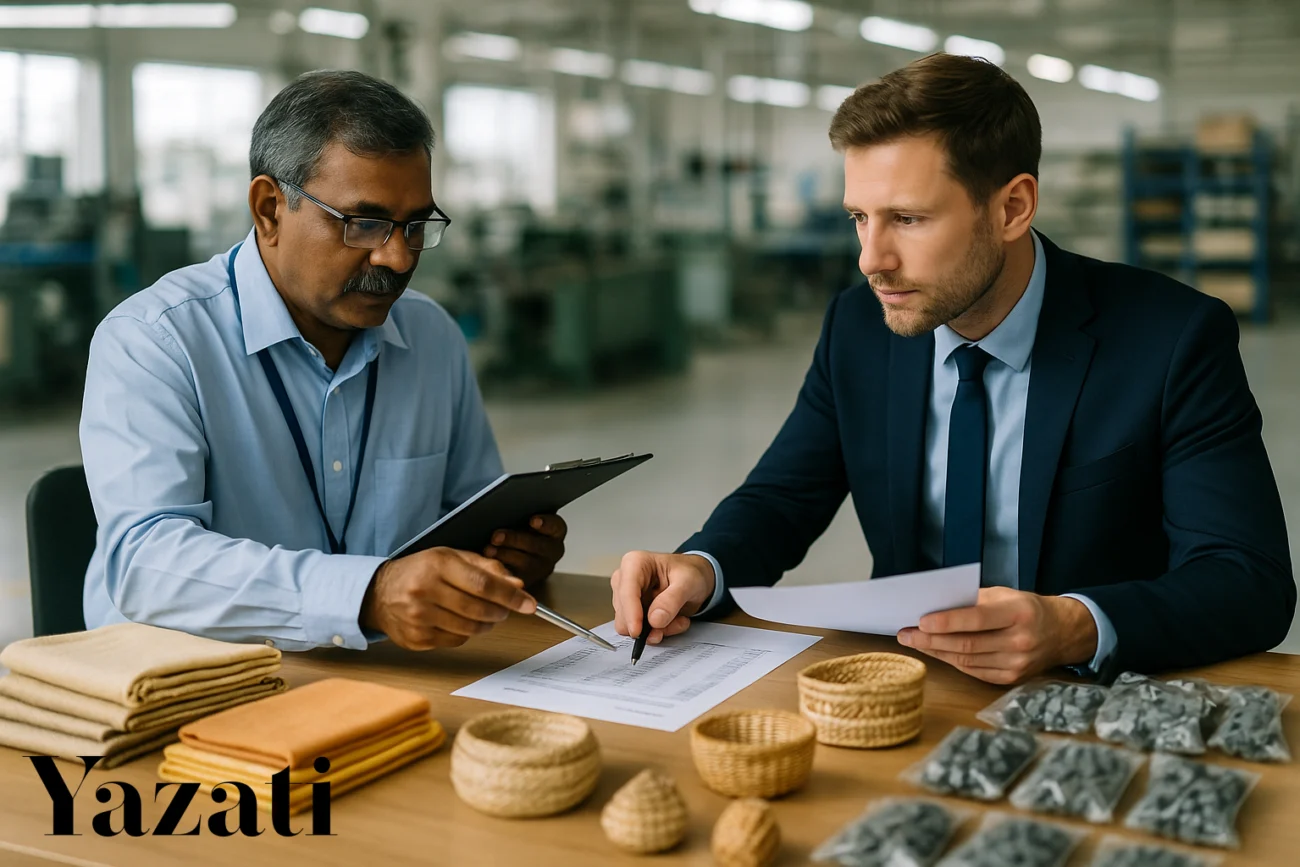
Introduction: Why Negotiation is Key in Indian Manufacturing
India has become a powerhouse in global manufacturing, supplying everything from textiles and electronics to automotive parts and home décor. For international buyers, knowing how to negotiate bulk orders with Indian manufacturers is the difference between an average deal and a profitable one.
Negotiation in India isn’t just about getting a lower price—it’s about building trust, understanding local business culture, and ensuring consistent quality. Indian manufacturers value long-term relationships, and with the right approach, you can secure mutually beneficial partnerships that last for years.
Understanding the Indian Manufacturing Landscape
Overview of India’s Export Sectors
India exports goods worth hundreds of billions annually, with top sectors including:
- Textiles and garments
- Pharmaceuticals and chemicals
- Electronics and automotive parts
- Handicrafts and furniture
- Leather and footwear
Each sector has unique pricing models, supply chains, and MOQ (Minimum Order Quantity) expectations.
Common Product Categories for Bulk Orders
Foreign buyers often source:
- Custom apparel and fabrics
- Steel, tools, and machinery components
- Organic foods and spices
- Household goods and décor items
Understanding the category helps you compare suppliers fairly and benchmark industry-standard prices.
The Role of Small and Medium Enterprises (SMEs)
SMEs dominate Indian manufacturing. They’re flexible, open to customization, and eager for repeat orders. However, due diligence is key—not all SMEs have the same quality control or export experience.
Preparing for Negotiation: Research and Groundwork
Before you send an RFQ (Request for Quotation), do your homework.
Identifying Reliable Manufacturers
Use trusted platforms like:
- IndiaMART
- Netyex
- Alibaba’s India-based suppliers
Request samples, check reviews, and validate certifications before proceeding.
Evaluating Quality Standards and Certifications
Look for ISO, BIS, or SEDEX certifications. Also, ask for:
- Factory audit reports
- Quality inspection results
- Production capacity details
Understanding Pricing Structures in India
Indian pricing is often influenced by:
- Raw material costs
- Labor intensity
- Seasonal demand
- Currency fluctuations
Ask for a detailed cost breakdown to identify negotiation opportunities.
Building a Relationship with Indian Manufacturers
Cultural Etiquette and Communication Styles
Indians value politeness, patience, and respect. Avoid aggressive negotiation; instead, focus on collaboration. Begin with small talk, show appreciation for their craftsmanship, and build rapport before discussing prices.
Importance of Long-Term Partnerships
Manufacturers prioritize buyers who place repeat bulk orders. Long-term relationships often lead to:
- Lower prices
- Priority production slots
- Better payment flexibility
Remember: in India, business relationships often evolve into friendships—this is a good thing.
Key Negotiation Strategies for Bulk Orders
Discussing Minimum Order Quantity (MOQ) Flexibility
Don’t accept MOQs blindly. Ask if they can:
- Split production into smaller batches
- Adjust MOQ for first-time buyers
- Offer sample runs before full-scale production
A genuine manufacturer will often accommodate reasonable requests.
Negotiating Payment Terms and Discounts
Standard terms are:
- 30% advance, 70% after shipment
- 100% LC (Letter of Credit)
- 50% deposit, 50% after inspection
Negotiate better cash-flow terms once trust is built—such as Net-30 or Net-60.
Handling Shipping, Customs, and Logistics Costs
Clarify whether prices are:
- FOB (Free on Board): You handle freight
- CIF (Cost, Insurance & Freight): Supplier includes logistics
Compare both options; sometimes it’s cheaper to use your own freight forwarder.
Using Leverage Tactfully During Negotiations
Mentioning alternative suppliers is okay—but never as a threat. Instead, use facts:
“Another supplier quoted $8 per unit for similar specs. Can you match or beat that if we increase the order volume?”
Polite, data-backed leverage works wonders.
Common Mistakes to Avoid When Negotiating with Indian Suppliers
Focusing Only on Price Instead of Quality
A lower price doesn’t always mean better value. Poor-quality goods can lead to higher rework and returns—always prioritize quality consistency.
Ignoring Communication Barriers and Time Zones
English is widely spoken but cultural nuances matter. Be patient with response times and clarify everything in writing.
Overlooking Contract Details and Hidden Costs
Always confirm:
- Packaging fees
- GST implications (for domestic transactions)
- Port handling and documentation charges
Legal and Documentation Essentials
Key Contract Clauses for Bulk Orders
Include:
- Quality inspection and penalty clauses
- Delivery schedule commitments
- Payment terms and dispute resolution process
Protecting Your Intellectual Property (IP)
Use Non-Disclosure Agreements (NDAs) before sharing designs, especially for apparel, jewelry, or custom products.
Ensuring Compliance with Indian Export Laws
Check for compliance with:
- DGFT (Directorate General of Foreign Trade)
- Export Inspection Council (EIC) regulations
- Any product-specific export licenses
Effective Use of Agents and Sourcing Companies
Pros and Cons of Hiring a Sourcing Agent
Pros:
- Local negotiation expertise
- Easier communication
- Factory audits
Cons:
- Additional costs (usually 3–10% commission)
- Potential conflict of interest if agent represents multiple buyers
How to Vet and Select the Right Agent
Choose agents who:
- Have verifiable references
- Provide transparent commission structures
- Are registered with trade bodies like FIEO or ASSOCHAM
Tools and Platforms for Finding Indian Manufacturers
Popular Online Marketplaces
- IndiaMART: Best for domestic suppliers
- TradeIndia: Great for niche manufacturers
- Alibaba India: Ideal for international buyers
- Netyex
Attending Trade Fairs and Expos
Events like the India International Trade Fair (IITF) and Delhi Wood Expo provide face-to-face interaction with manufacturers.
Using B2B Portals and Industry Networks
Engage with export councils such as:
- EEPC India for engineering goods
- Texprocil for textiles
- APEDA for agro products
Case Study: Successful Bulk Negotiation Example
A U.S. home décor brand wanted 10,000 handwoven rugs. Their initial supplier quote was $25 per piece.
Through careful negotiation, they:
- Offered a 12-month repeat order plan
- Shifted payment from 100% advance to 40/60 terms
- Optimized shipping with FOB Mumbai
Result: They saved 20% overall, secured priority manufacturing slots, and built a partnership that lasted three years.
FAQs About Negotiating with Indian Manufacturers
Q1: What’s the best time to negotiate with Indian suppliers?
Avoid major Indian holidays (like Diwali). Post-holiday months (Jan–Feb) are ideal for fresh deals.
Q2: How can I verify if a manufacturer is genuine?
Request their GST number, IEC code, and factory audit reports. You can cross-check these with Indian government portals.
Q3: Can I negotiate lower prices for small bulk orders?
Yes—but focus on relationship-building and volume potential. Many manufacturers lower prices once trust is established.
Q4: Should I visit the factory before finalizing?
If possible, yes. Factory visits enhance transparency and help identify red flags.
Q5: Are Indian suppliers open to long-term contracts?
Absolutely. Most prefer consistent bulk orders over one-time transactions.
Q6: What if disputes arise after payment?
Have an arbitration clause in your contract. Many buyers use third-party mediators or international trade councils.
Conclusion: Building Win-Win Relationships in Global Trade
Negotiating with Indian manufacturers isn’t just about haggling—it’s about creating partnerships built on trust, transparency, and mutual growth.
When you combine cultural sensitivity, clear contracts, and informed pricing, you’ll consistently secure high-quality bulk deals at competitive prices.
India’s manufacturing ecosystem rewards respect, patience, and reliability—qualities that transform short-term transactions into long-term global success stories.
✨ Discover Global Sourcing Excellence with Netyex ✨
Netyex is your trusted B2B sourcing partner, connecting international buyers with India’s finest manufacturers and curated product lines—from handicrafts and home décor to kitchenware, textiles, hospitality essentials, and more. With verified suppliers and end-to-end support, we make global procurement seamless, reliable, and efficient.
👉 Elevate your sourcing experience—explore Netyex today.
📦 Bulk orders & customisation | 🌍 Worldwide delivery | 🤝 Trusted by global buyers
Visit Netyex to source premium Indian products with confidence.