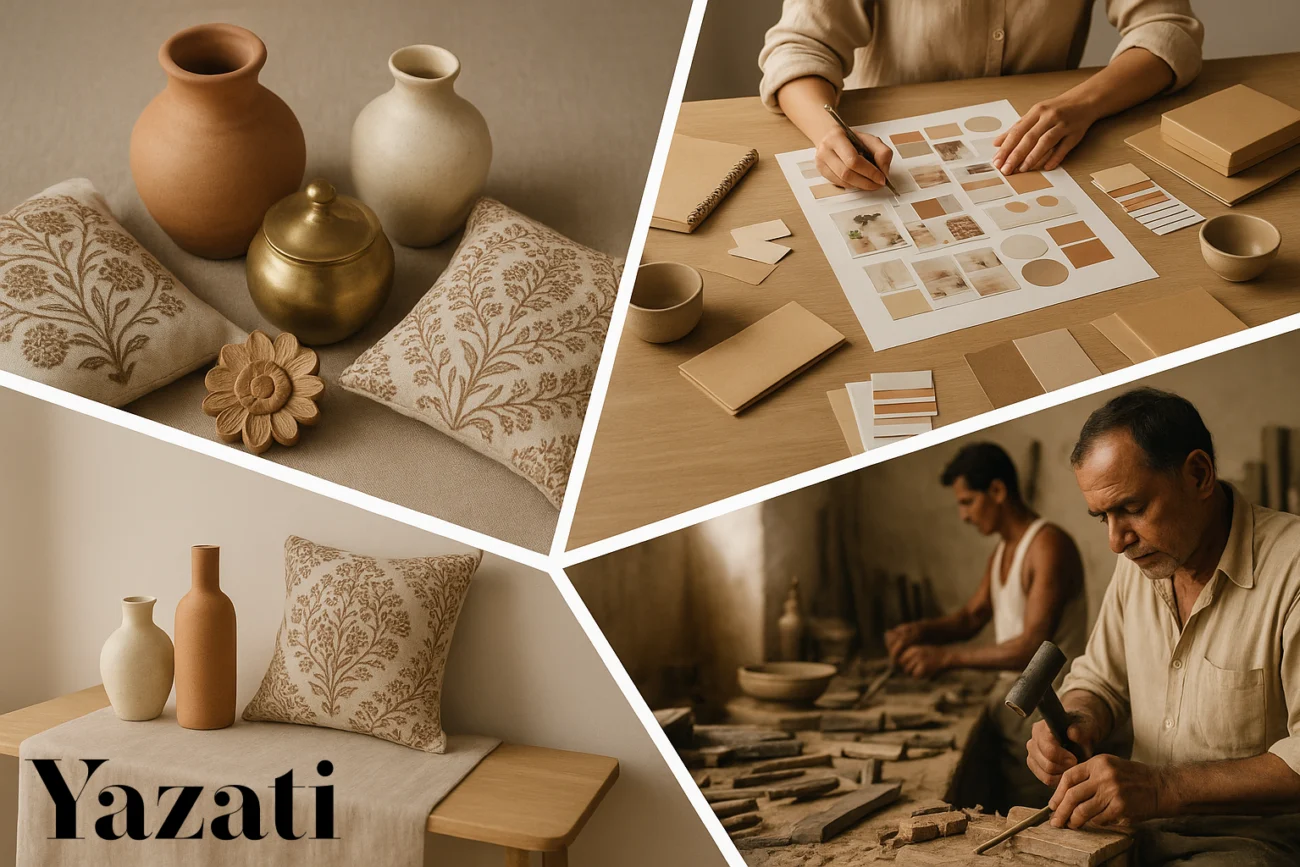
Introduction to the Indian Décor Market
India’s décor industry is a treasure trove of artistry, culture, and craftsmanship — each region offering its own story through textures, colors, and materials. The Indian home décor market has been growing rapidly, estimated to reach $39 billion by 2030, driven by global demand for sustainable and handmade products.
From hand-painted ceramics of Jaipur to bamboo décor from the Northeast, Indian crafts reflect diversity, authenticity, and sustainability. Launching a décor brand with Indian products allows entrepreneurs to bridge the gap between traditional artisans and modern consumers looking for meaning and beauty in their homes.
Understanding Why Indian Products Stand Out
Indian décor items are admired worldwide for their uniqueness, eco-friendliness, and craftsmanship. Each product tells a story — whether it’s a hand-carved wooden elephant from Saharanpur or a Madhubani painting from Bihar.
Key advantages of Indian décor products include:
- Authentic craftsmanship: Generations of artisans perfecting intricate techniques.
- Cultural depth: Fusion of regional heritage and artistry.
- Sustainability: Use of natural dyes, recycled wood, and eco-friendly materials.
- Affordability: High-quality handmade products at competitive prices.
Popular Indian Décor Categories to Consider
If you’re planning to curate your collection, consider these bestselling product categories:
- Handwoven Textiles: Cushion covers, throws, and curtains.
- Ceramics & Pottery: Jaipur blue pottery, Terracotta art.
- Wooden Craft: Furniture, carved wall panels, and figurines.
- Brass & Metal Décor: Candle stands, mirrors, and lamps.
- Rugs & Carpets: Kashmiri hand-knotted carpets, jute rugs.
- Wall Art & Paintings: Pattachitra, Warli, and Kalamkari art.
Step 1 — Identify Your Target Market and Niche
Every successful décor brand starts with clarity. Who is your ideal customer? Are you targeting bohemian décor lovers in the U.S., eco-conscious millennials in Europe, or luxury buyers in the Middle East?
Start by identifying:
- Demographics: Age, location, and income group.
- Lifestyle & Taste: Modern minimalist, traditional, or eclectic.
- Buying Motivation: Cultural interest, gifting, or sustainability.
Creating Buyer Personas for Your Décor Brand
Example persona:
“Sophia, 32, lives in London, loves Indian culture and buys handcrafted décor for her apartment. She values sustainability and uniqueness.”
By creating such personas, you can tailor your marketing tone, product range, and pricing effectively.
Step 2 — Source Authentic Indian Décor Products
Your brand’s authenticity depends on your sourcing. Work directly with artisans or cooperatives to ensure ethical sourcing, fair wages, and consistent quality.
Ways to find suppliers:
- Attend Indian trade fairs like IHGF Delhi Fair or Surajkund Mela.
- Connect via EPCH (Export Promotion Council for Handicrafts).
- Visit artisan clusters like Kutch (Gujarat) or Channapatna (Karnataka).
Building Relationships with Indian Artisans
Treat artisans as partners, not just suppliers. Maintain open communication, offer fair pricing, and ensure long-term collaboration. This not only guarantees quality but also strengthens your brand story.
Step 3 — Develop a Unique Brand Identity
Your décor brand must stand out in a crowded global market. Craft a strong identity that fuses Indian tradition with modern sensibilities.
Elements to focus on:
- Brand Name: Simple, memorable, and reflective of Indian artistry.
- Logo & Color Palette: Inspired by natural hues or traditional motifs.
- Tone of Voice: Warm, artistic, and authentic.
Crafting a Compelling Brand Story
Your story is your biggest marketing weapon. Share how your brand empowers artisans, supports sustainability, or revives dying crafts. For example:
“Every rug sold funds education for weavers’ children in Rajasthan.”
Such narratives build emotional connection and authenticity.
Step 4 — Build Your E-commerce Presence
Once your brand identity is ready, create an online store. Choose between:
- Shopify or Wix: For direct-to-consumer brands.
- Etsy: Ideal for handcrafted décor and global buyers.
- Amazon Handmade: Great for scalability and reach.
Your website should reflect your brand’s aesthetic — clean layout, earthy tones, and rich visuals.
Optimizing Product Listings for SEO
SEO is vital for online visibility.
- Include keywords like “handmade Indian décor” and “artisan wall art.”
- Use high-quality photos with natural light.
- Write detailed descriptions mentioning material, origin, and care tips.
Step 5 — Pricing, Packaging, and Shipping Strategy
Pricing determines both perception and profit. Balance artisan costs, logistics, and market demand.
- Value-based pricing: Charge more for limited editions or storytelling products.
- Packaging: Use eco-friendly materials like jute or recycled cardboard.
- Shipping: Partner with DHL, India Post, or Shiprocket for reliable delivery.
How to Handle Exports and Customs for Indian Products
If you’re exporting globally:
- Obtain an Import Export Code (IEC) from DGFT India.
- Prepare invoices, packing lists, and certificates of origin.
- Collaborate with a freight forwarder for customs clearance.
Step 6 — Marketing Your Indian Décor Brand
Marketing bridges your brand and your buyers. Focus on visual storytelling — show the artistry behind each product.
Strategies:
- Instagram & Pinterest: Share mood boards and behind-the-scenes reels.
- Influencer Collaborations: Partner with décor influencers.
- Content Marketing: Blog about “Indian crafts for modern homes.”
- Email Campaigns: Showcase new collections and artisan stories.
Using Visual Content to Promote Décor Products
- Create before-and-after décor transformations.
- Post artisan interviews to highlight authenticity.
- Use Pinterest boards for product inspirations.
Step 7 — Build Customer Trust and Brand Loyalty
Trust fuels sales. Encourage:
- Authentic reviews with photos.
- Post-purchase follow-ups thanking customers.
- Loyalty programs offering discounts or early access.
Tip: Respond to feedback promptly and professionally. A brand that listens earns loyalty.
Step 8 — Scale and Expand Globally
Once your brand stabilizes, explore new growth avenues:
- Sell wholesale to boutiques abroad.
- Participate in décor exhibitions.
- Collaborate with interior designers and hotel chains.
Scaling requires consistent branding and excellent supply chain management.
Common Mistakes to Avoid When Launching a Décor Brand
- Ignoring quality control.
- Lacking a clear niche.
- Overpricing products without storytelling.
- Poor packaging and presentation.
- Neglecting SEO and social media engagement.
Case Studies of Successful Indian Décor Brands
- Chumbak: Transformed quirky Indian motifs into a global lifestyle brand.
- FabIndia: Built trust through authenticity and artisan empowerment.
- Nicobar: Blends modern minimalism with Indian heritage.
- The India Craft House: Bridges artisans with global audiences via storytelling.
FAQs about Launching a Décor Brand with Indian Products
1. How much investment is needed to start an Indian décor brand?
You can start small with ₹1–2 lakhs by sourcing locally and selling online. Scaling globally may require ₹10–15 lakhs.
2. Do I need a license to export Indian décor items?
Yes, you’ll need an IEC (Import Export Code) issued by DGFT, along with GST registration.
3. How can I ensure quality from artisans?
Conduct regular quality checks, share detailed product guidelines, and provide training where needed.
4. Which online platforms are best for selling Indian décor products internationally?
Etsy, Amazon Handmade, Shopify, and Faire are the top choices.
5. What are the most profitable décor categories?
Textiles, wall art, and metal crafts tend to have higher profit margins.
6. How can I promote my décor brand effectively?
Focus on social media storytelling, SEO blogging, and partnerships with décor influencers.
Conclusion — Turning Your Passion into a Profitable Décor Brand
Launching a décor brand with Indian products isn’t just a business — it’s a journey that celebrates heritage, sustainability, and creativity. By following this step-by-step guide, you can build a brand that honors artisans, delights global customers, and stands out in the world décor market.
With the right sourcing, storytelling, and strategy, your décor brand can become the next FabIndia or Chumbak of the digital era. 🌿✨
✨ Discover Global Sourcing Excellence with Netyex ✨
Netyex is your trusted B2B sourcing partner, connecting international buyers with India’s finest manufacturers and curated product lines—from handicrafts and home décor to kitchenware, textiles, hospitality essentials, and more. With verified suppliers and end-to-end support, we make global procurement seamless, reliable, and efficient.
👉 Elevate your sourcing experience—explore Netyex today.
📦 Bulk orders & customisation | 🌍 Worldwide delivery | 🤝 Trusted by global buyers
Visit Netyex to source premium Indian products with confidence.