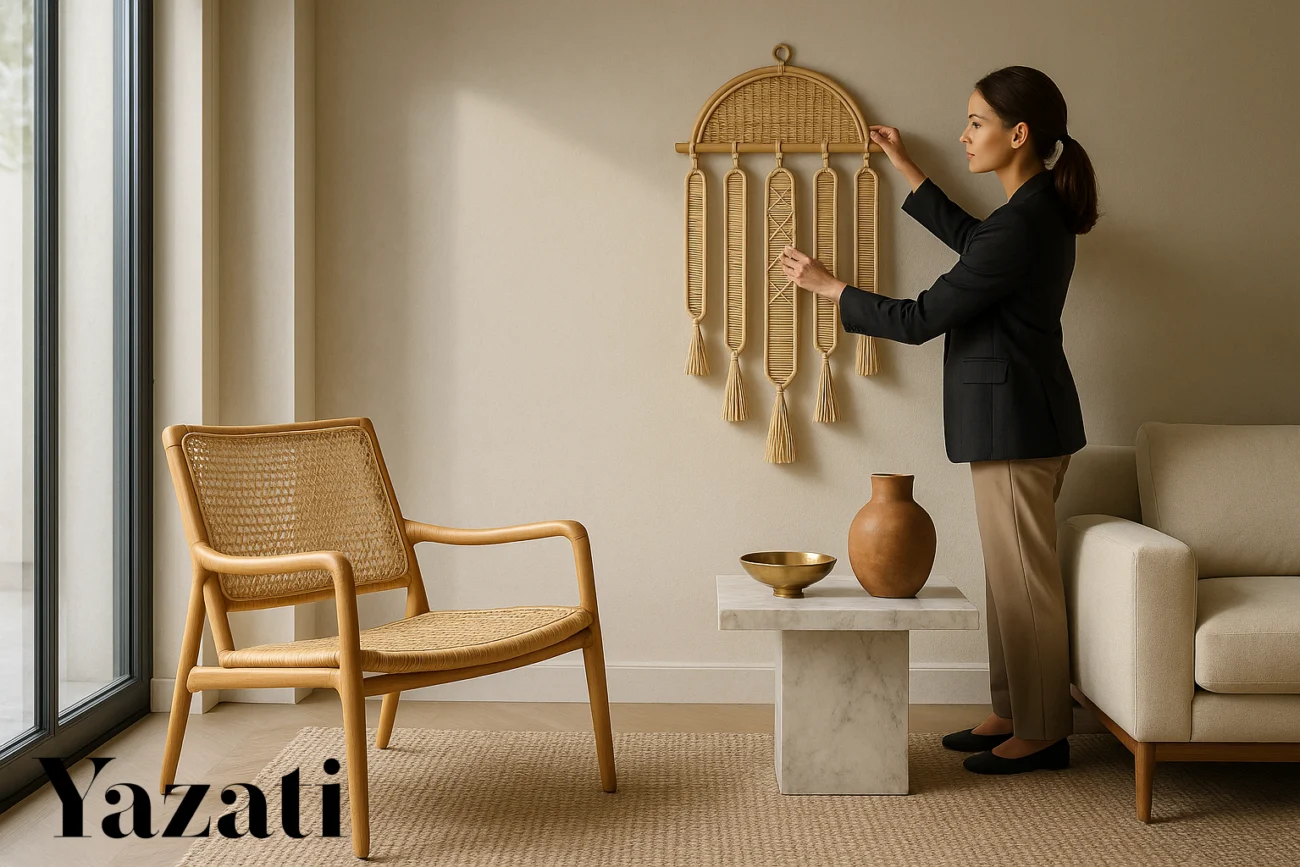
Introduction: The Timeless Charm of Indian Handicrafts in Modern Interiors
In 2026, Indian handicrafts are no longer just cultural artifacts—they’re style statements redefining modern aesthetics in both minimalist and luxury spaces. The global design landscape is shifting toward authenticity, sustainability, and storytelling, and Indian craftsmanship embodies all three.
From handwoven textiles of Kanchipuram to intricately carved wooden furniture of Rajasthan, these art forms have transcended geographical and stylistic boundaries. As minimalism continues to dominate global interiors, the inclusion of handcrafted details adds warmth, depth, and a soulful connection to space.
The Rise of Indian Handicrafts in Global Design
Cultural Legacy Meets Contemporary Aesthetics
Indian handicrafts are rooted in centuries-old traditions, each piece narrating stories of lineage, culture, and region. The modern adaptation of these crafts involves streamlined designs, muted color schemes, and sustainable materials—perfectly aligned with minimalist and luxury sensibilities.
The Economic and Artistic Revival of India’s Craft Sector
The Indian handicraft industry, valued at over $4 billion, is expected to witness substantial growth by 2026. Artisans are collaborating with international designers, digital platforms, and luxury brands to reach a global audience. This resurgence isn’t merely economic—it’s cultural preservation meeting global demand.
Minimalism Redefined: Handcrafted Simplicity for 2026
The Essence of Minimalism with Indian Elements
Modern minimalism often focuses on form and function—but when infused with Indian handicrafts, it gains character and emotion. A handwoven dhurrie rug or a carved wooden bench can introduce subtle artistry without overwhelming the clean lines of minimalist interiors.
Sustainable Materials and Organic Textures
Sustainability is at the heart of 2026 interior design. Crafts using reclaimed wood, handspun cotton, and natural dyes align with eco-conscious living. Wabi-sabi aesthetics—embracing imperfection and natural beauty—mirror traditional Indian craftsmanship.
Neutral Palettes with Artistic Detailing
The new wave of minimalist handicraft decor favors neutral tones like ecru, sand, and clay, accented with intricate craftsmanship—like threadwork or stone inlay. These subtle details add luxury through texture, not excess.
The Luxury Perspective: Handicrafts as Bespoke Statements
From Local Artisans to Luxury Labels
High-end brands are partnering with Indian artisans to create limited-edition collections. Handcrafted silks, bone inlay furniture, and brass decor elements are now part of luxury showrooms in Milan, Paris, and New York.
Craftsmanship as a Symbol of Exclusivity
In the luxury world, time and skill equate to exclusivity. Handcrafted objects embody this essence—each creation is unique and irreplicable, a stark contrast to mass production.
Fusion of Traditional Craft with Modern Luxury Brands
Collaborations between Indian craftspeople and design houses such as Hermès and Dior highlight a global fascination with India’s artisanal excellence. These fusions give traditional crafts a contemporary narrative.
Handicraft Categories Defining 2026 Aesthetics
Textile and Weaving Innovations
Handloom fabrics like Chanderi, Khadi, and Ikat are gaining renewed attention. Designers are using these in minimalist silhouettes and upholstery for luxury interiors.
Hand-Carved Furniture and Sculptural Accents
Rajasthani wooden carvings and Kerala’s cane craftsmanship are defining features of 2026’s slow-luxury trend—each piece blending sculptural artistry with functional design.
Pottery, Metalwork, and Sustainable Decor
Terracotta pottery, Dhokra metal art, and brass inlay decor infuse authenticity into modern spaces, emphasizing earthiness and tactile experience.
Color and Texture Trends in 2026 Handicraft Design
Earthy Neutrals and Desert Tones
The color palette of 2026 revolves around warm neutrals, ochres, terracotta, and muted metallics—reflecting India’s natural landscapes.
Textural Harmony: Rough Meets Refined
Designers are merging polished marble with handwoven textiles, or raw clay with sleek glass—creating a dialogue between nature and refinement.
The Role of Technology and AI in Promoting Indian Handicrafts
Digital Marketplaces and Artisan Empowerment
E-commerce platforms and digital craft fairs have democratized access to global audiences. Artisans now sell directly to international clients through platforms like Etsy, Craftsvilla, and Okhai.
AI-Assisted Design Curation and Customization
AI tools assist designers in predicting trends, color coordination, and personalized product recommendations—empowering traditional artisans with modern marketing intelligence.
Indian Handicrafts in Minimalist Homes
How to Balance Simplicity and Tradition
The key lies in selective integration—one handcrafted element can transform an entire room. For instance, a Madhubani painting can serve as a focal point in a neutral-toned living area.
Curating Spaces with Subtle Cultural Touches
Use handcrafted ceramics, woven cushions, or brass lamps as accent pieces that convey cultural richness while maintaining simplicity.
Indian Handicrafts in Luxury Interiors
Integrating Bespoke Craft Pieces into Opulent Spaces
Luxury interiors in 2026 are embracing handcrafted pieces that tell a story. A bespoke Pichwai wall art or mother-of-pearl table becomes a conversation starter.
The Role of Heritage Art in Modern Hospitality Design
Boutique hotels and resorts are increasingly using Indian handicrafts to express authenticity. From hand-painted tiles to carved wooden ceilings, these elements create immersive guest experiences.
Sustainability and Ethical Luxury in 2026
Conscious Consumerism and Handcrafted Authenticity
Consumers are prioritizing products with a story. The shift toward handcrafted goods reflects a rejection of disposable luxury.
Eco-Luxury as a Design Statement
Luxury now aligns with sustainability. Handcrafted decor symbolizes mindful consumption, authenticity, and ecological respect.
Global Collaborations and Designer Partnerships
International Designers Embracing Indian Craftsmanship
Designers like Kelly Wearstler and Patricia Urquiola are incorporating Indian handloom textiles and inlay craftsmanship into global design collections.
Indian Artisans in Global Showcases
Indian craftsmanship is featured prominently at international exhibitions like Milan Design Week and Maison&Objet, marking its global influence.
The Future of Indian Handicrafts: Where Tradition Meets Innovation
Predictions for 2026 and Beyond
Expect to see a surge in tech-driven artisanal entrepreneurship, where digital platforms amplify reach while preserving authenticity.
The Balance Between Automation and Artistry
While AI aids production and marketing, the soul of Indian handicrafts remains in human touch—a balance of tradition and technology.
Conclusion: Crafting the Future of Design with Indian Handicrafts
Indian handicrafts in 2026 are not just about nostalgia—they represent evolution. By merging minimalism with craftsmanship and sustainability with luxury, India is setting a new global design benchmark. These timeless crafts remind us that the most luxurious spaces are those that hold stories, heritage, and human connection.
FAQs on 2026 Trends: Indian Handicrafts in Minimalist and Luxury Spaces
Q1. Why are Indian handicrafts gaining popularity in 2026?
Because they offer sustainability, cultural richness, and uniqueness—qualities modern consumers value more than ever.
Q2. How can Indian handicrafts fit into minimalist interiors?
By using subtle accents like woven textiles, handcrafted ceramics, or natural wood furniture to enhance texture without clutter.
Q3. Are luxury brands really using Indian handicrafts?
Yes, several global brands collaborate with Indian artisans to produce limited-edition luxury items.
Q4. What colors dominate Indian handicraft trends in 2026?
Earthy neutrals, muted golds, terracotta, and desert-inspired shades are at the forefront.
Q5. How is technology influencing the handicraft industry?
Through digital platforms, AI-driven personalization, and global exposure for artisans.
Q6. Where can I buy authentic Indian handicrafts?
You can explore sites like Netyex, or visit local artisan markets across India for genuine, handcrafted pieces.
✨ Discover Global Sourcing Excellence with Netyex ✨
Netyex is your trusted B2B sourcing partner, connecting international buyers with India’s finest manufacturers and curated product lines—from handicrafts and home décor to kitchenware, textiles, hospitality essentials, and more. With verified suppliers and end-to-end support, we make global procurement seamless, reliable, and efficient.
👉 Elevate your sourcing experience—explore Netyex today.
📦 Bulk orders & customisation | 🌍 Worldwide delivery | 🤝 Trusted by global buyers
Visit Netyex to source premium Indian products with confidence.