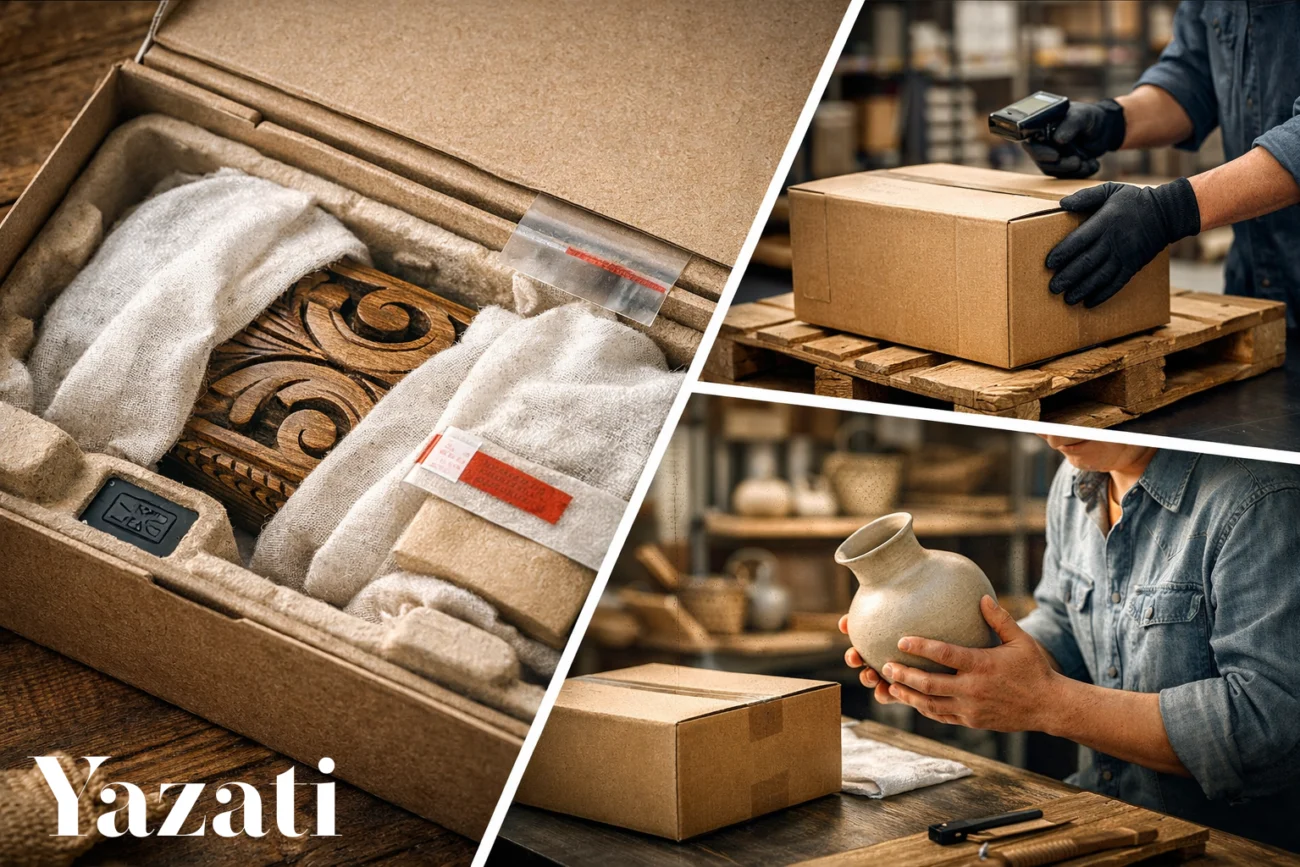
The Importance of Smart Packaging in International Handicraft Exports
The global handicraft market thrives on creativity, tradition, and cultural storytelling. However, as artisans and exporters aim to reach international buyers, one critical factor often determines success or failure: packaging. The Importance of Smart Packaging in International Handicraft Exports cannot be overstated, as it directly affects product safety, customer perception, regulatory compliance, and brand recognition.
Smart packaging goes beyond wrapping a product. It is a strategic tool that protects delicate handmade items, communicates cultural value, supports sustainability, and enhances the overall customer experience. In an increasingly competitive global marketplace, exporters who invest in thoughtful packaging gain a clear advantage.
Understanding Smart Packaging in the Handicraft Industry
Definition and Core Elements of Smart Packaging
Smart packaging refers to the use of innovative materials, intelligent design, and functional features to enhance the protection, presentation, and performance of a product throughout the supply chain. In handicraft exports, this includes:
- Durable yet lightweight materials
- Moisture and impact resistance
- Informative labeling and storytelling elements
- Eco-friendly and recyclable components
Unlike mass-produced goods, handicrafts are often fragile, irregularly shaped, and culturally significant. Smart packaging is designed to accommodate these unique characteristics.
Evolution of Packaging in Handicraft Exports
Traditionally, handicraft packaging focused solely on basic protection. However, as international trade expanded, expectations changed. Buyers now demand packaging that reflects quality, ethics, and professionalism. This evolution has transformed packaging into a value-adding component rather than a mere necessity.
Why Packaging Matters in International Handicraft Trade
First Impressions and Buyer Perception
Packaging is the first physical interaction a buyer has with a handicraft product. A well-designed package instantly communicates care, authenticity, and professionalism. Poor packaging, on the other hand, can diminish the perceived value of even the most beautifully crafted item.
Packaging as a Silent Brand Ambassador
In international markets where personal interaction is limited, packaging speaks on behalf of the artisan. Colors, textures, and materials tell a story about origin, craftsmanship, and brand identity. Smart packaging ensures that this message is clear and compelling.
The Importance of Smart Packaging in International Handicraft Exports for Product Protection
Preventing Damage During Long-Distance Shipping
Handicrafts often travel thousands of miles across multiple handling points. Without proper packaging, items such as ceramics, textiles, woodwork, and glassware are vulnerable to breakage. Smart packaging incorporates cushioning, shock absorption, and structural support to minimize damage.
Climate, Handling, and Storage Challenges
International shipping exposes products to humidity, temperature changes, and rough handling. Smart packaging materials are selected to resist moisture, prevent mold, and maintain product integrity despite environmental fluctuations.
Role of Smart Packaging in Preserving Cultural Value
Storytelling Through Design
Handicrafts are deeply rooted in cultural heritage. Smart packaging uses design elements, patterns, and narratives to convey the story behind each piece. This emotional connection increases perceived value and buyer appreciation.
Communicating Authenticity and Heritage
Including information about the artisan, region, and traditional techniques reinforces authenticity. Smart packaging ensures this information is presented clearly without overwhelming the buyer.
Sustainability and Eco-Friendly Packaging Solutions
Global Demand for Green Packaging
International consumers are increasingly conscious of environmental impact. Sustainable packaging aligns with global values and enhances brand credibility. Using biodegradable, recyclable, or reusable materials demonstrates social responsibility.
Balancing Sustainability and Cost
While eco-friendly materials may seem expensive initially, they often reduce long-term costs by lowering waste, improving brand loyalty, and meeting regulatory requirements. Smart packaging finds the balance between affordability and sustainability.
Compliance With International Export Regulations
Labeling, Safety, and Documentation Needs
Different countries enforce strict packaging and labeling regulations. Smart packaging ensures compliance by clearly displaying required information such as materials, origin, handling instructions, and safety warnings.
Avoiding Customs Delays and Rejections
Non-compliant packaging can result in shipment delays, fines, or rejection. Investing in smart packaging reduces these risks and ensures smoother customs clearance.
Smart Packaging as a Marketing and Branding Tool
Differentiation in Competitive Global Markets
The international handicraft market is highly competitive. Smart packaging helps products stand out on shelves and online platforms by offering a unique unboxing experience that buyers remember.
Enhancing Shelf Appeal and Online Sales
Attractive packaging increases visual appeal in retail settings and improves presentation in digital listings. This directly influences purchasing decisions and repeat business.
Technology Integration in Smart Packaging
QR Codes, Tracking, and Traceability
Smart packaging can include scannable elements that provide additional information about the product, its origin, and care instructions. This transparency builds trust and engagement.
Customer Engagement and Transparency
By offering interactive elements, exporters can educate buyers about cultural significance and ethical practices, strengthening brand relationships.
Cost Efficiency and Logistics Optimization
Reducing Returns and Breakage Costs
Damaged products lead to returns, refunds, and reputational damage. Smart packaging significantly reduces these losses by ensuring safe delivery.
Space Optimization and Freight Savings
Well-designed packaging maximizes space efficiency, reducing shipping costs. Lightweight materials further lower freight expenses without compromising protection.
Challenges Faced by Handicraft Exporters
Budget Constraints for Small Artisans
Many artisans operate with limited resources, making advanced packaging seem unattainable. However, scalable solutions and cooperative approaches can make smart packaging accessible.
Limited Awareness and Infrastructure
Lack of knowledge about packaging innovations can hinder adoption. Training and collaboration with packaging specialists help bridge this gap.
Practical Strategies for Implementing Smart Packaging
Choosing the Right Materials
Exporters should select materials based on product type, destination climate, and buyer expectations. Testing and feedback help refine packaging choices.
Collaborating With Packaging Experts
Working with professionals ensures compliance, efficiency, and innovation. Partnerships enable artisans to focus on craftsmanship while benefiting from expert packaging solutions.
FAQs About Smart Packaging in International Handicraft Exports
1. What is smart packaging in handicraft exports?
Smart packaging combines protection, design, sustainability, and information to enhance the export readiness of handicraft products.
2. Why is smart packaging important for international buyers?
It ensures product safety, conveys authenticity, and improves the overall buying experience.
3. Does smart packaging increase export costs?
While initial costs may be higher, it reduces long-term losses from damage, returns, and non-compliance.
4. How does smart packaging support sustainability?
It uses eco-friendly materials and reduces waste, aligning with global environmental expectations.
5. Can small artisans adopt smart packaging?
Yes, scalable and cooperative packaging solutions make it accessible even for small exporters.
6. How does smart packaging affect branding?
It strengthens brand identity, improves recognition, and builds trust in international markets.
Conclusion: The Future of Handicraft Exports With Smart Packaging
The Importance of Smart Packaging in International Handicraft Exports lies in its ability to bridge tradition and modern trade demands. As global markets evolve, packaging is no longer optional—it is a strategic investment. Smart packaging protects delicate craftsmanship, preserves cultural stories, ensures compliance, and enhances brand value.
For artisans and exporters aiming for sustainable growth, embracing smart packaging is a decisive step toward long-term success. By combining innovation with tradition, handicraft exports can thrive on the global stage while honoring their cultural roots.
✨ Discover Global Sourcing Excellence with Netyex ✨
Netyex is your trusted B2B sourcing partner, connecting international buyers with India’s finest manufacturers and curated product lines—from handicrafts and home décor to kitchenware, textiles, hospitality essentials, and more. With verified suppliers and end-to-end support, we make global procurement seamless, reliable, and efficient.
👉 Elevate your sourcing experience—explore Netyex today.
📦 Bulk orders & customisation | 🌍 Worldwide delivery | 🤝 Trusted by global buyers
Visit Netyex to source premium Indian products with confidence.