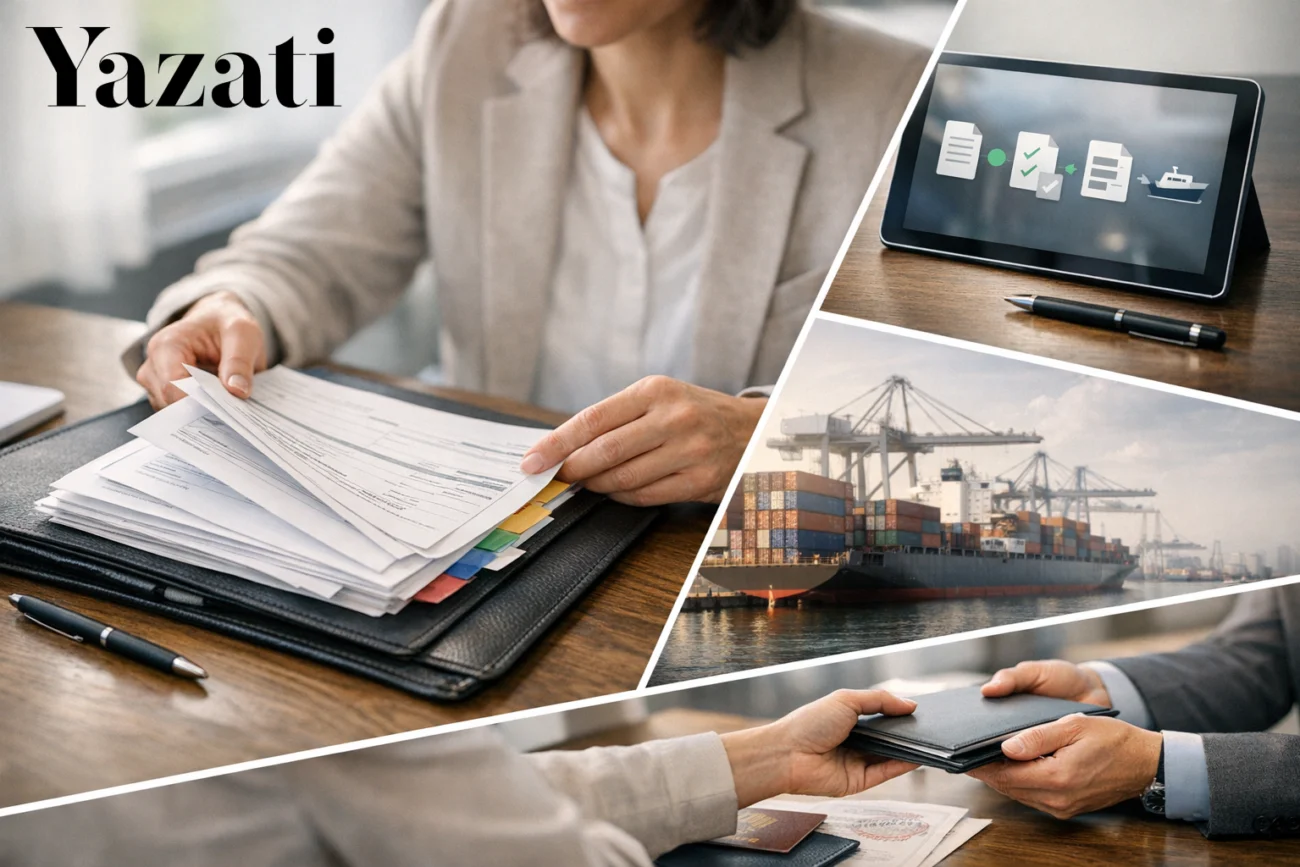
Export Documentation Made Simple: A Guide for Buyers
International trade can feel complex, especially for buyers navigating cross-border transactions for the first time. While much attention is given to pricing, quality, and delivery timelines, documentation often receives less focus—until something goes wrong. That is why Export Documentation Made Simple: A Guide for Buyers is essential reading for anyone involved in global purchasing.
Export documentation is not just a seller’s responsibility. Buyers play a critical role in reviewing, approving, and using these documents for customs clearance, payment processing, and inventory planning. When documentation is accurate and complete, shipments move smoothly. When it is not, delays, penalties, and financial losses can occur.
This guide explains export documentation in clear, practical terms, helping buyers understand what documents matter, why they matter, and how to manage them effectively.
Introduction: Why Export Documentation Matters to Buyers
The Buyer’s Role in International Trade
Buyers are often under the impression that export documentation is entirely handled by the seller or freight forwarder. In reality, buyers depend on these documents to receive goods, clear customs, release payments, and meet internal compliance requirements.
Incorrect or missing documents can prevent buyers from taking delivery of goods, even if payment has already been made.
How Documentation Errors Impact Buyers
Documentation errors can lead to:
- Customs clearance delays
- Storage and demurrage charges
- Missed sales or production deadlines
- Payment disputes with banks or sellers
Understanding export documentation helps buyers avoid these costly outcomes.
Understanding Export Documentation Basics
What Export Documents Are
Export documents are official records that describe the goods being shipped, their value, origin, destination, and terms of sale. They serve as proof for customs authorities, banks, insurers, and logistics providers.
Each document has a specific purpose, and together they create a complete picture of the transaction.
Who Prepares and Who Verifies Documents
In most cases, the seller prepares export documents. However, buyers are responsible for verifying that the documents meet their country’s import requirements and match the agreed contract terms. Buyers also submit these documents to customs brokers, banks, and internal teams.
Key Commercial Documents Every Buyer Should Know
Commercial Invoice
The commercial invoice is the most important export document. It includes:
- Buyer and seller details
- Description of goods
- Quantity and unit price
- Total value
- Payment terms and delivery terms
Buyers should check that all details match the purchase order and contract. Even small discrepancies can cause customs or banking issues.
Packing List
The packing list provides detailed information about how goods are packed. It includes carton numbers, dimensions, weights, and contents.
For buyers, the packing list is essential for:
- Customs inspections
- Warehouse receiving
- Verifying shipment completeness
Transport and Shipping Documents Explained
Bill of Lading
The bill of lading is both a transport document and a legal document. It serves as:
- Proof of shipment
- Evidence of the contract of carriage
- A document of title in some cases
Buyers often need the bill of lading to claim goods at destination. Errors in consignee details or shipment description can delay cargo release.
Air Waybill
For air shipments, the air waybill replaces the bill of lading. While it is not a document of title, it is still critical for tracking and cargo release.
Buyers should confirm that the air waybill details match the commercial invoice and packing list.
Regulatory and Compliance Documents
Certificate of Origin
The certificate of origin confirms where the goods were manufactured. Many countries require it to apply correct duties or trade benefits.
Buyers should ensure the origin declared aligns with trade agreements or tariff expectations. An incorrect origin can result in higher duties or penalties.
Export Licenses and Permits
Some goods require special export licenses or permits due to their nature, value, or destination. While sellers usually obtain these, buyers must confirm that all required approvals are in place before shipment.
Failure to do so can result in shipment seizure or forced re-export.
Financial and Payment-Related Documents
Letter of Credit
When a letter of credit is used, banks require strict compliance with document terms. Even minor inconsistencies can result in payment delays or rejection.
Buyers should review letter of credit conditions carefully and ensure sellers understand and follow them exactly.
Insurance Certificate
The insurance certificate proves that goods are insured during transit. Buyers should verify coverage limits, risks covered, and responsibility under the agreed delivery terms.
Export Documentation Under Different Incoterms
Buyer vs Seller Responsibilities
Delivery terms define who is responsible for which documents. Under some terms, sellers handle most export documentation. Under others, buyers take on more responsibility, especially at destination.
Buyers must clearly understand their obligations to avoid gaps in documentation.
Common Misunderstandings
A common mistake is assuming that freight responsibility equals documentation responsibility. This is not always true. Buyers should clarify documentation roles during contract negotiation, not after shipment.
Export Documentation Errors Buyers Should Watch For
Inconsistent or Incorrect Information
Common inconsistencies include mismatched product descriptions, incorrect values, or spelling errors in names and addresses. Customs authorities and banks treat these as red flags.
Missing or Late Documents
Late document submission can delay customs clearance and payment release. Buyers should establish timelines and follow up proactively to ensure documents arrive on time.
How Buyers Can Simplify Export Documentation
Creating a Documentation Checklist
A standardized checklist helps buyers track required documents for each shipment. This reduces reliance on memory and minimizes the risk of missing paperwork.
Clear Communication With Sellers
Clear instructions and expectations prevent errors. Buyers should share import requirements, document templates, and deadlines upfront rather than correcting issues after shipment.
Digitalization and Modern Documentation Practices
Electronic Documents and Data Sharing
Digital documentation reduces manual errors and speeds up processing. Electronic copies can be reviewed, corrected, and shared quickly across teams and service providers.
Benefits of Digital Documentation for Buyers
For buyers, digital documentation means:
- Faster approvals
- Better visibility
- Easier record keeping
- Reduced administrative workload
FAQs About Export Documentation for Buyers
1. Do buyers need to understand export documents if sellers prepare them?
Yes. Buyers rely on these documents for customs clearance, payment, and receiving goods.
2. Which document is the most important for buyers?
The commercial invoice is critical, as it affects customs duties, payments, and compliance.
3. What happens if export documents contain errors?
Errors can cause delays, fines, storage costs, or payment disputes.
4. Can buyers request changes to documents?
Yes. Buyers should request corrections before shipment whenever possible.
5. How can buyers reduce documentation risks?
By using checklists, clear communication, and early document review.
6. Is digital documentation accepted internationally?
Increasingly yes, though acceptance depends on country regulations and transaction type.
Conclusion: Confident Buying Through Documentation Clarity
Export Documentation Made Simple: A Guide for Buyers shows that documentation does not have to be confusing or intimidating. With basic knowledge, clear processes, and proactive communication, buyers can significantly reduce risk and improve supply chain efficiency.
Well-managed documentation leads to faster clearance, predictable delivery, and stronger relationships with sellers. In international trade, confidence comes not only from choosing the right supplier—but from understanding the paperwork that makes global business possible.
✨ Discover Global Sourcing Excellence with Netyex ✨
Netyex is your trusted B2B sourcing partner, connecting international buyers with India’s finest manufacturers and curated product lines—from handicrafts and home décor to kitchenware, textiles, hospitality essentials, and more. With verified suppliers and end-to-end support, we make global procurement seamless, reliable, and efficient.
👉 Elevate your sourcing experience—explore Netyex today.
📦 Bulk orders & customisation | 🌍 Worldwide delivery | 🤝 Trusted by global buyers
Visit Netyex to source premium Indian products with confidence.