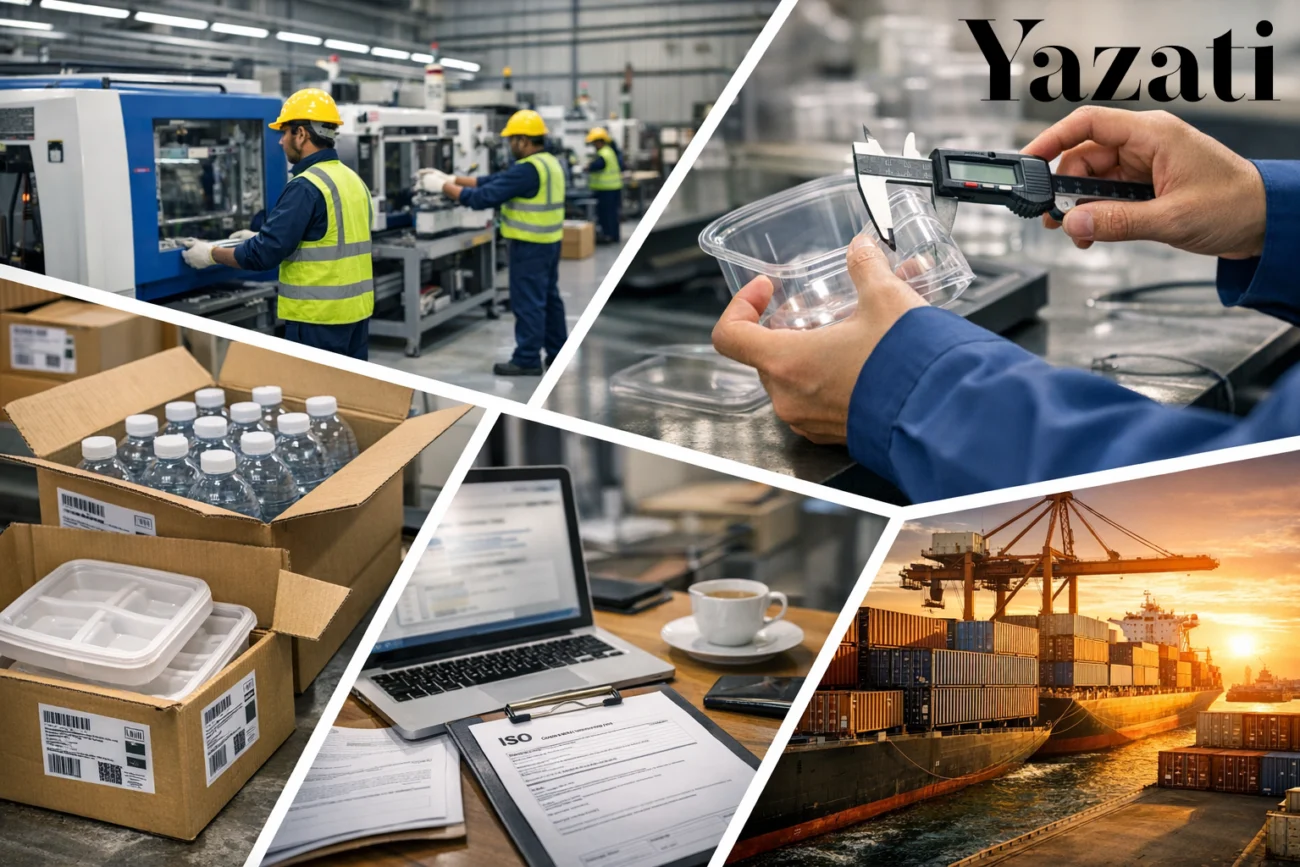
Introduction to Global Plastic Trade Regulations
Plastic products are widely used across industries, including packaging, automotive, healthcare, electronics, and consumer goods. However, international markets impose strict regulations to ensure product safety, environmental protection, and chemical compliance.
Countries such as the United States, the United Kingdom, and members of the European Union require exporters to meet specific technical and environmental standards. Non-compliance can result in shipment rejection, fines, or product recalls.
Understanding How India’s Plastic Export Industry Ensures Global Compliance highlights the structured systems that support safe and reliable international trade.
Overview of India’s Plastic Manufacturing Sector
India has developed a strong plastic manufacturing ecosystem supported by:
- Injection moulding facilities
- Blow moulding units
- Extrusion plants
- Tool and die workshops
- Polymer compounding facilities
The country exports plastic products to major global markets, including North America, Europe, the Middle East, and Southeast Asia.
Export growth has required Indian manufacturers to align production processes with international regulatory expectations.
Understanding International Compliance Requirements
Different countries have specific compliance frameworks.
Material Safety & Chemical Regulations
Indian exporters often align with:
- REACH (Registration, Evaluation, Authorization and Restriction of Chemicals) regulations for EU markets
- RoHS (Restriction of Hazardous Substances) compliance for electronics components
- FDA standards for food-contact plastic materials
- CPSIA standards for children’s products in the USA
Compliance requires material transparency and chemical safety documentation.
Manufacturers maintain detailed records of polymer grades, additives, and compound formulations.
Quality Management Systems in Indian Plastic Factories
Structured quality systems form the backbone of compliance.
Many Indian plastic manufacturers operate under:
- ISO 9001 quality management certification
- ISO 14001 environmental management systems
- Industry-specific certifications for automotive and medical sectors
Standardized operating procedures ensure:
- Consistent product dimensions
- Controlled production environments
- Documented quality checkpoints
Quality management systems reduce production errors and improve traceability.
Testing and Certification Procedures
Compliance requires testing at multiple stages.
Indian exporters conduct:
- Raw material verification
- Melt flow index testing
- Tensile strength testing
- Impact resistance testing
- Dimensional tolerance measurement
- Chemical composition analysis
Independent laboratories may issue certification reports to validate product safety.
Testing documentation supports customs clearance and buyer confidence.
Food-Grade and Medical-Grade Compliance
Certain plastic products require specialized compliance.
Food-Contact Plastics
Manufacturers must ensure:
- Use of approved polymer grades
- Absence of harmful additives
- Migration testing compliance
- Proper labeling
Medical Plastics
Medical-grade plastics require:
- Biocompatibility testing
- Sterilization compatibility
- Strict contamination control
- Detailed batch documentation
Specialized compliance enhances global credibility.
Environmental and Sustainability Regulations
Environmental compliance has become increasingly important.
Indian manufacturers focus on:
- Recycling initiatives
- Waste segregation systems
- Reduced plastic scrap
- Energy-efficient machinery
- Compliance with plastic waste management rules
Many exporters provide documentation confirming recyclability and responsible production practices.
Sustainability alignment strengthens access to European and North American markets.
Documentation and Export Paperwork
Proper documentation is essential for global trade.
Typical export documents include:
- Commercial invoice
- Packing list
- Bill of lading or airway bill
- Certificate of origin
- Compliance declarations
- Material safety data sheets (MSDS)
Accurate paperwork prevents customs delays.
Documentation transparency enhances buyer trust.
Traceability and Batch Monitoring Systems
Traceability is a core requirement for compliance.
Indian plastic manufacturers implement:
- Batch coding systems
- Production log records
- Raw material tracking
- Inspection reports for each lot
If issues arise, traceability allows quick identification and corrective action.
Batch monitoring protects both exporters and importers.
Third-Party Audits and Inspection Agencies
Independent audits strengthen compliance credibility.
Buyers often request:
- Factory audits
- Social compliance verification
- Environmental audits
- Pre-shipment inspections
Third-party inspection agencies provide unbiased validation of quality and compliance.
Audit reports increase international confidence.
Continuous Improvement and Technology Upgrades
Compliance standards evolve over time.
Indian plastic exporters regularly invest in:
- Automated moulding systems
- Precision measurement equipment
- Advanced polymer testing tools
- Digital production tracking systems
Technology upgrades improve accuracy and reduce compliance risks.
Continuous improvement ensures long-term competitiveness.
Risk Management and Preventive Strategies
Understanding How India’s Plastic Export Industry Ensures Global Compliance also involves risk mitigation.
Preventive measures include:
- Regular regulatory monitoring
- Updated certification renewals
- Staff training programs
- Supplier quality assessments
- Corrective action protocols
Proactive management reduces shipment rejections and regulatory penalties.
Strategic Benefits for Global Buyers
Compliance-focused production provides several advantages:
- Reduced import risk
- Faster customs clearance
- Stronger brand reputation
- Improved product safety
- Long-term supply reliability
Global buyers benefit from structured and transparent production systems.
Frequently Asked Questions
1. Do Indian plastic exporters comply with EU regulations?
Yes. Many manufacturers align with REACH and other EU compliance standards.
2. Are food-grade plastics available?
Yes. Food-contact compliant materials are widely produced.
3. Is third-party testing common?
Yes. Independent lab testing and certification are frequently used for validation.
4. How is traceability maintained?
Through batch coding systems and detailed production records.
5. Are environmental regulations followed?
Yes. Recycling initiatives and waste management systems support compliance.
6. Why is documentation important in plastic exports?
Accurate documentation ensures smooth customs clearance and regulatory approval.
Conclusion
Global plastic trade demands strict adherence to safety, chemical, environmental, and quality standards. Exporters must maintain structured systems to meet diverse international regulations.
Through standardized quality management systems, advanced testing procedures, traceability protocols, sustainability initiatives, and transparent documentation, India has positioned itself as a reliable and compliant plastic export hub.
Understanding How India’s Plastic Export Industry Ensures Global Compliance demonstrates the country’s commitment to safety, accountability, and international trade integrity.
In an increasingly regulated global marketplace, compliance is not optional—it is the foundation of successful export growth. And India’s plastic industry continues to strengthen that foundation.
✨ Discover Global Sourcing Excellence with Netyex ✨
Netyex is your trusted B2B sourcing partner, connecting international buyers with India’s finest manufacturers and curated product lines—from handicrafts and home décor to kitchenware, textiles, hospitality essentials, and more. With verified suppliers and end-to-end support, we make global procurement seamless, reliable, and efficient.
👉 Elevate your sourcing experience—explore Netyex today.
📦 Bulk orders & customisation | 🌍 Worldwide delivery | 🤝 Trusted by global buyers
Visit Netyex to source premium Indian products with confidence.