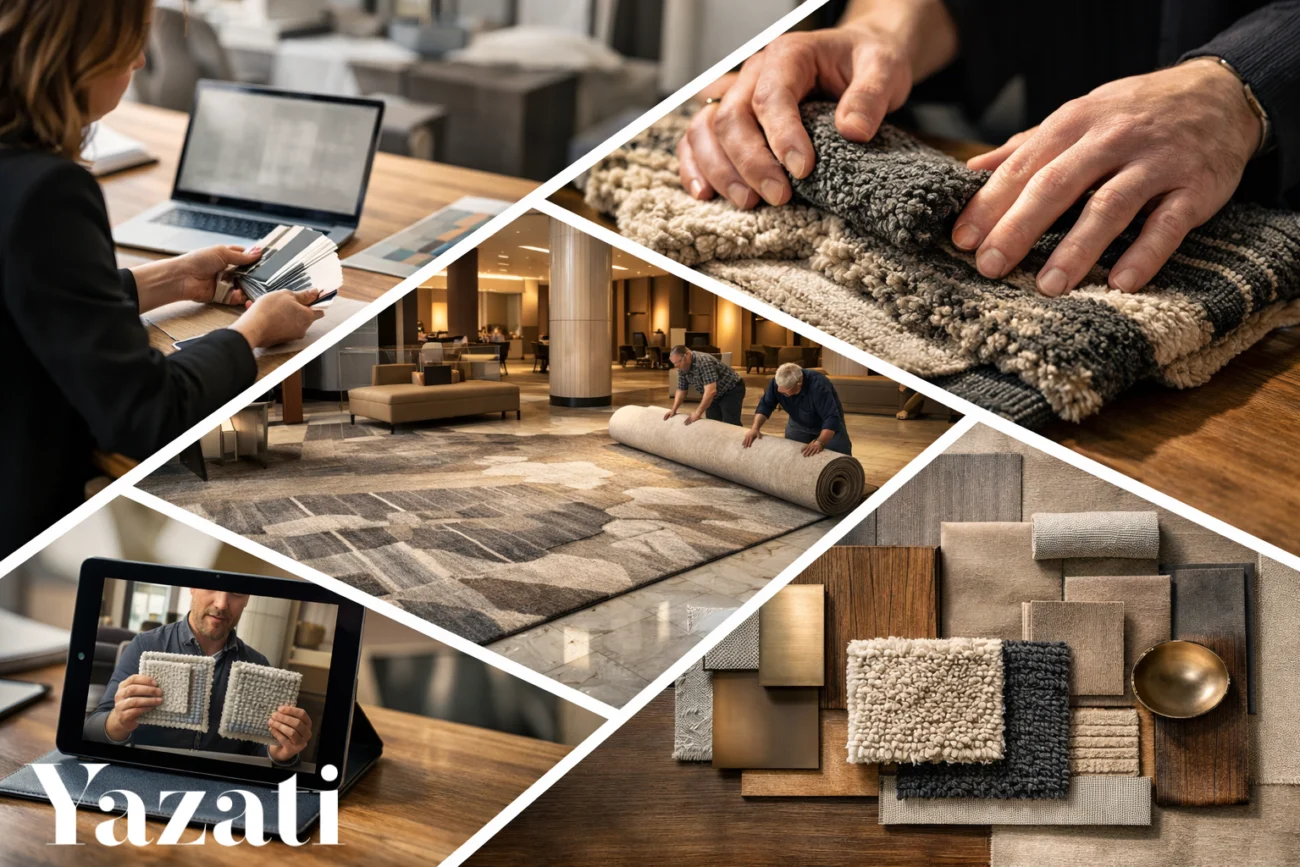
Introduction to Custom Rugs in Hospitality Design
In hotel and hospitality environments, every design element contributes to guest experience. From lobby aesthetics to corridor comfort, rugs play a vital role in defining ambiance. Standard, off-the-shelf carpets often fail to meet the unique branding and durability needs of hotels. That’s why understanding How to Source Custom-Design Rugs for Hotel and Hospitality Projects is essential for architects, designers, and procurement teams.
Custom rugs allow hotels to align flooring with brand identity, interior themes, and functional requirements. However, sourcing these rugs requires careful planning, supplier evaluation, and quality control.
Let’s explore the process step by step.
Understanding the Requirements of Hotel and Hospitality Projects
Before sourcing begins, it’s crucial to identify project needs.
High-Traffic Durability Needs
Hotels experience heavy foot traffic in:
- Lobbies
- Hallways
- Conference areas
- Restaurants
Rugs must be durable, stain-resistant, and easy to maintain. Selecting the wrong material can lead to premature wear.
Fire Safety and Compliance Standards
Hospitality projects must comply with local and international safety standards. Rugs should meet:
- Fire resistance regulations
- Slip resistance requirements
- Indoor air quality standards
Compliance ensures guest safety and avoids legal complications.
Brand Identity and Interior Themes
Custom rugs often reflect:
- Brand color schemes
- Logo motifs
- Signature patterns
- Cultural design elements
Consistency reinforces brand recognition.
How to Source Custom-Design Rugs for Hotel and Hospitality Projects
Sourcing begins with clear planning.
Defining Design Specifications
Start by outlining:
- Desired patterns and textures
- Color palette
- Thickness and pile height
- Acoustic performance needs
Clear specifications reduce production misunderstandings.
Selecting Materials Based on Usage
Common hospitality rug materials include:
- Wool for luxury and durability
- Nylon for resilience and stain resistance
- Blended fibers for cost-efficiency
Material choice impacts lifespan and maintenance.
Determining Size and Layout Requirements
Measure accurately:
- Room dimensions
- Custom shapes for irregular spaces
- Wall-to-wall installations
Precision ensures seamless installation.
Choosing the Right Rug Manufacturer or Exporter
Supplier selection determines project success.
Evaluating Production Capabilities
Assess whether the manufacturer can handle:
- Large-scale bulk production
- Custom color matching
- Tight deadlines
Capacity matters in hospitality timelines.
Reviewing Past Hospitality Projects
Request case studies or references from previous hotel clients.
Experience with hospitality projects indicates reliability.
Verifying Quality Certifications
Look for:
- Safety compliance certifications
- Environmental standards
- Quality management systems
Certified suppliers reduce risk.
Sampling and Prototype Development
Never proceed directly to bulk production.
Creating Design Mockups
Digital mockups help visualize:
- Pattern placement
- Color distribution
- Overall aesthetic
Mockups prevent costly mistakes.
Color Matching and Swatch Approval
Approve physical swatches to ensure accurate shade matching under real lighting conditions.
Lighting affects perceived color.
Performance Testing
Test samples for:
- Wear resistance
- Stain resistance
- Fire safety compliance
Testing confirms suitability.
Budget Planning and Cost Management
Custom designs require financial planning.
Balancing Design Complexity and Cost
Intricate patterns and premium materials increase costs. Find a balance between visual impact and budget constraints.
Bulk Order Negotiations
Large hospitality orders allow room for price negotiation.
Discuss:
- Volume discounts
- Payment terms
- Repeat project pricing
Strong negotiation improves margins.
Shipping and Installation Costs
Factor in:
- International freight
- Customs duties
- Installation labor
Total project cost goes beyond production price.
Logistics and Delivery Coordination
Timely delivery is critical in hospitality projects.
Production Timelines
Custom rugs may require:
- Several weeks for design approval
- Extended production time for handmade pieces
Plan ahead to meet hotel opening dates.
International Shipping Considerations
Coordinate:
- Freight bookings
- Customs documentation
- Insurance coverage
Delays can disrupt project schedules.
On-Site Installation Planning
Work with experienced installers to ensure:
- Proper alignment
- Secure fitting
- Seamless finishing
Professional installation protects investment.
Quality Assurance and Inspection Process
Consistent quality protects brand reputation.
Pre-Production Checks
Confirm:
- Final approved designs
- Material specifications
- Measurement details
Preparation prevents errors.
In-Process Inspections
Monitor production stages to detect issues early.
Final Quality Verification
Before shipment, inspect:
- Color accuracy
- Dimension precision
- Pattern consistency
Final inspection ensures readiness.
Sustainability and Ethical Sourcing Considerations
Sustainability strengthens hospitality branding.
Eco-Friendly Materials
Consider rugs made from:
- Natural fibers
- Recycled materials
- Low-impact dyes
Eco-friendly choices appeal to modern guests.
Responsible Manufacturing Practices
Partner with suppliers who:
- Follow ethical labor standards
- Reduce waste
- Maintain safe working conditions
Responsible sourcing enhances brand image.
Common Mistakes to Avoid
Avoid these pitfalls.
Ignoring Durability Standards
Selecting decorative rugs without considering heavy traffic leads to early replacement costs.
Underestimating Lead Times
Custom production requires planning. Rushed orders risk quality compromise.
Overlooking Maintenance Requirements
Choose materials that align with housekeeping capabilities.
Easy maintenance reduces long-term costs.
Frequently Asked Questions (FAQs)
1. How long does it take to produce custom hotel rugs?
Production timelines vary but typically range from 6–12 weeks depending on complexity.
2. What materials are best for hotel rugs?
Wool and nylon blends are popular due to durability and appearance retention.
3. Can custom rugs include hotel logos?
Yes, custom designs can incorporate logos and brand patterns.
4. Are handmade rugs suitable for hospitality projects?
Yes, but ensure they meet durability and compliance standards.
5. How do hotels ensure color consistency?
Through approved swatches and strict production oversight.
6. What is the biggest challenge in sourcing custom rugs?
Coordinating design approval, production timelines, and logistics effectively.
Conclusion
Understanding How to Source Custom-Design Rugs for Hotel and Hospitality Projects empowers designers and procurement teams to create visually stunning, durable, and compliant flooring solutions. Custom rugs enhance brand identity, elevate guest experience, and contribute to overall interior harmony.
By focusing on clear specifications, trusted suppliers, quality inspections, and strategic logistics planning, hospitality projects can achieve seamless execution. In a competitive hotel market, thoughtful design details—like custom rugs—make a lasting impression.
✨ Discover Global Sourcing Excellence with Netyex ✨
Netyex is your trusted B2B sourcing partner, connecting international buyers with India’s finest manufacturers and curated product lines—from handicrafts and home décor to kitchenware, textiles, hospitality essentials, and more. With verified suppliers and end-to-end support, we make global procurement seamless, reliable, and efficient.
👉 Elevate your sourcing experience—explore Netyex today.
📦 Bulk orders & customisation | 🌍 Worldwide delivery | 🤝 Trusted by global buyers
Visit Netyex to source premium Indian products with confidence.