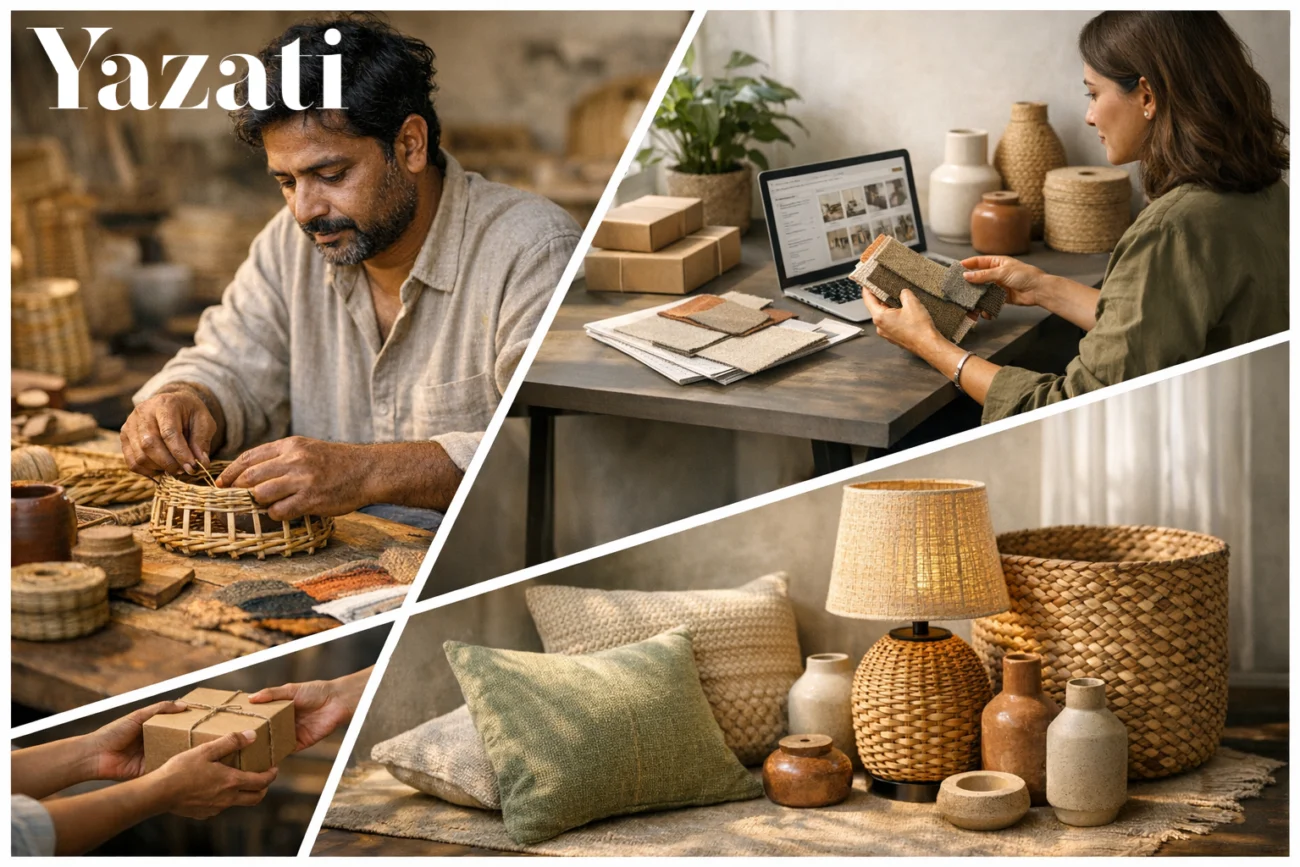
Introduction to Building a Sustainable Décor Brand with Indian Suppliers
Building a Sustainable Décor Brand with Indian Suppliers is more than just a smart business move—it’s a meaningful step toward ethical entrepreneurship. Today’s customers don’t just want beautiful home décor. They want products that respect people and the planet.
India offers a rich heritage of craftsmanship, sustainable materials, and skilled artisans. From handwoven textiles to carved wooden accents, Indian suppliers provide unique, eco-friendly options that align perfectly with sustainable brand values.
If you’re planning to launch or grow a conscious home décor business, partnering with Indian suppliers can help you combine traditional artistry with modern sustainability goals. Let’s explore how to do it the right way.
Why Sustainability Matters in the Home Décor Industry
The home décor industry is growing rapidly. But with growth comes responsibility.
Environmental Impact of Traditional Décor Manufacturing
Conventional décor production often involves:
- Excessive plastic use
- Chemical dyes and finishes
- High carbon emissions
- Mass production waste
This fast-paced production cycle harms ecosystems and contributes to landfill overflow. Sustainable sourcing reduces waste and prioritizes renewable materials.
Consumer Demand for Ethical Products
Modern buyers are informed and selective. They look for:
- Fair trade practices
- Eco-friendly packaging
- Ethical labor conditions
- Transparent supply chains
A sustainable décor brand isn’t just trendy—it’s becoming the industry standard.
Understanding the Indian Supplier Landscape
India is one of the world’s largest exporters of handcrafted home décor. But understanding the supplier ecosystem is crucial.
Artisan Clusters and Craft Traditions
India’s artisan clusters specialize in different crafts:
- Rajasthan – Block printing and blue pottery
- Uttar Pradesh – Brass and metalwork
- Tamil Nadu – Wooden carvings
- West Bengal – Jute and natural fiber products
These regions preserve centuries-old techniques passed down through generations.
Small-Scale vs. Large-Scale Manufacturers
You’ll find two main supplier types:
Small Artisan Workshops
- Handmade, unique pieces
- Flexible customization
- Strong social impact
Large Export Houses
- Higher production capacity
- Quality control systems
- Easier scalability
Choosing depends on your brand goals and volume requirements.
Sourcing Eco-Friendly Materials from India
Material choice defines your sustainability footprint.
Natural Fibers and Textiles
India produces:
- Organic cotton
- Jute
- Hemp
- Banana fiber
These materials are biodegradable and renewable, making them perfect for rugs, cushions, and wall décor.
Recycled and Upcycled Materials
Many Indian suppliers use:
- Recycled glass
- Reclaimed metal
- Fabric scraps
Upcycling reduces waste and adds character to products.
Sustainable Wood and Bamboo
Look for:
- FSC-certified wood
- Mango wood (a byproduct of fruit farming)
- Bamboo
These options support responsible forestry and minimize deforestation.
Building Strong Relationships with Indian Suppliers
Success in Building a Sustainable Décor Brand with Indian Suppliers depends on trust.
Transparent Communication Practices
Clear communication avoids misunderstandings. Always discuss:
- Quality standards
- Delivery timelines
- Material sourcing
- Packaging expectations
Video calls and regular updates strengthen partnerships.
Fair Pricing and Ethical Payments
Avoid pushing for extremely low prices. Sustainable partnerships require:
- Fair wages
- On-time payments
- Long-term contracts
When suppliers thrive, your brand thrives.
Ensuring Ethical Labor and Fair Trade Practices
Ethical sourcing isn’t optional—it’s essential.
Certifications and Compliance
Look for suppliers with:
- Fair Trade certification
- ISO standards
- Social compliance audits
Certifications provide added credibility.
Factory Audits and Site Visits
Whenever possible:
- Visit workshops
- Inspect working conditions
- Verify labor standards
If travel isn’t possible, request third-party audits.
Designing for Sustainability and Longevity
Sustainable brands don’t follow fast trends—they create timeless pieces.
Timeless Design Principles
Focus on:
- Neutral palettes
- Classic patterns
- Durable craftsmanship
Long-lasting products reduce repeat consumption.
Low-Waste Production Techniques
Encourage suppliers to:
- Use fabric remnants creatively
- Minimize cutting waste
- Recycle water in dyeing processes
Small improvements make a big impact.
Managing Logistics and Carbon Footprint
Transportation affects your environmental footprint.
Shipping Strategies
- Consolidate shipments
- Choose sea freight over air when possible
- Plan inventory efficiently
These steps lower carbon emissions and reduce costs.
Sustainable Packaging Solutions
Replace plastic with:
- Recycled cardboard
- Compostable wraps
- Paper tape
Eco-conscious packaging enhances brand image.
Branding and Marketing Your Sustainable Décor Business
Your story matters just as much as your products.
Storytelling with Artisan Narratives
Share:
- Artisan backgrounds
- Craft processes
- Community impact
Authentic storytelling builds emotional connections.
Transparency in Marketing
Be honest about:
- Materials
- Production processes
- Challenges
Customers value transparency over perfection.
Financial Planning for Sustainable Growth
Sustainability requires smart financial strategy.
Cost Structures
Factor in:
- Ethical labor premiums
- Quality raw materials
- Import duties
- Sustainable packaging costs
Pricing Strategy
Avoid underpricing. Sustainable products should reflect:
- Craftsmanship value
- Ethical production
- Long-term durability
Educate customers about why your pricing supports fairness.
Scaling Responsibly Without Compromising Values
Growth can be tempting—but don’t rush.
To scale responsibly:
- Expand supplier network gradually
- Maintain strict quality control
- Preserve artisan relationships
- Reinforce sustainability standards
Rapid growth without systems can damage trust and product quality.
FAQs
1. Why choose Indian suppliers for a sustainable décor brand?
India offers skilled artisans, natural materials, and strong craft heritage that align with sustainability values.
2. How can I verify ethical labor practices?
Request certifications, conduct audits, and maintain open communication with suppliers.
3. Is sustainable décor more expensive to produce?
Yes, initially. However, customers often pay more for ethical and durable products.
4. What materials are most eco-friendly in Indian décor production?
Jute, organic cotton, bamboo, mango wood, and recycled metals are excellent choices.
5. How can I reduce shipping emissions?
Consolidate shipments and prioritize sea freight over air transport.
6. Can small artisan suppliers handle large orders?
Some can, but scaling may require combining multiple artisan groups or working with export houses.
Conclusion
Building a Sustainable Décor Brand with Indian Suppliers is not just about selling beautiful products—it’s about creating impact. By choosing ethical sourcing, eco-friendly materials, and fair partnerships, you build more than a brand. You build trust.
Sustainability isn’t a shortcut to quick profits. It’s a long-term commitment. But with thoughtful planning, transparent communication, and responsible growth strategies, your décor brand can thrive while honoring both people and the planet.
The journey may take patience, but the rewards—loyal customers, artisan empowerment, and environmental responsibility—are well worth it.
✨ Discover Global Sourcing Excellence with Netyex ✨
Netyex is your trusted B2B sourcing partner, connecting international buyers with India’s finest manufacturers and curated product lines—from handicrafts and home décor to kitchenware, textiles, hospitality essentials, and more. With verified suppliers and end-to-end support, we make global procurement seamless, reliable, and efficient.
👉 Elevate your sourcing experience—explore Netyex today.
📦 Bulk orders & customisation | 🌍 Worldwide delivery | 🤝 Trusted by global buyers
Visit Netyex to source premium Indian products with confidence.