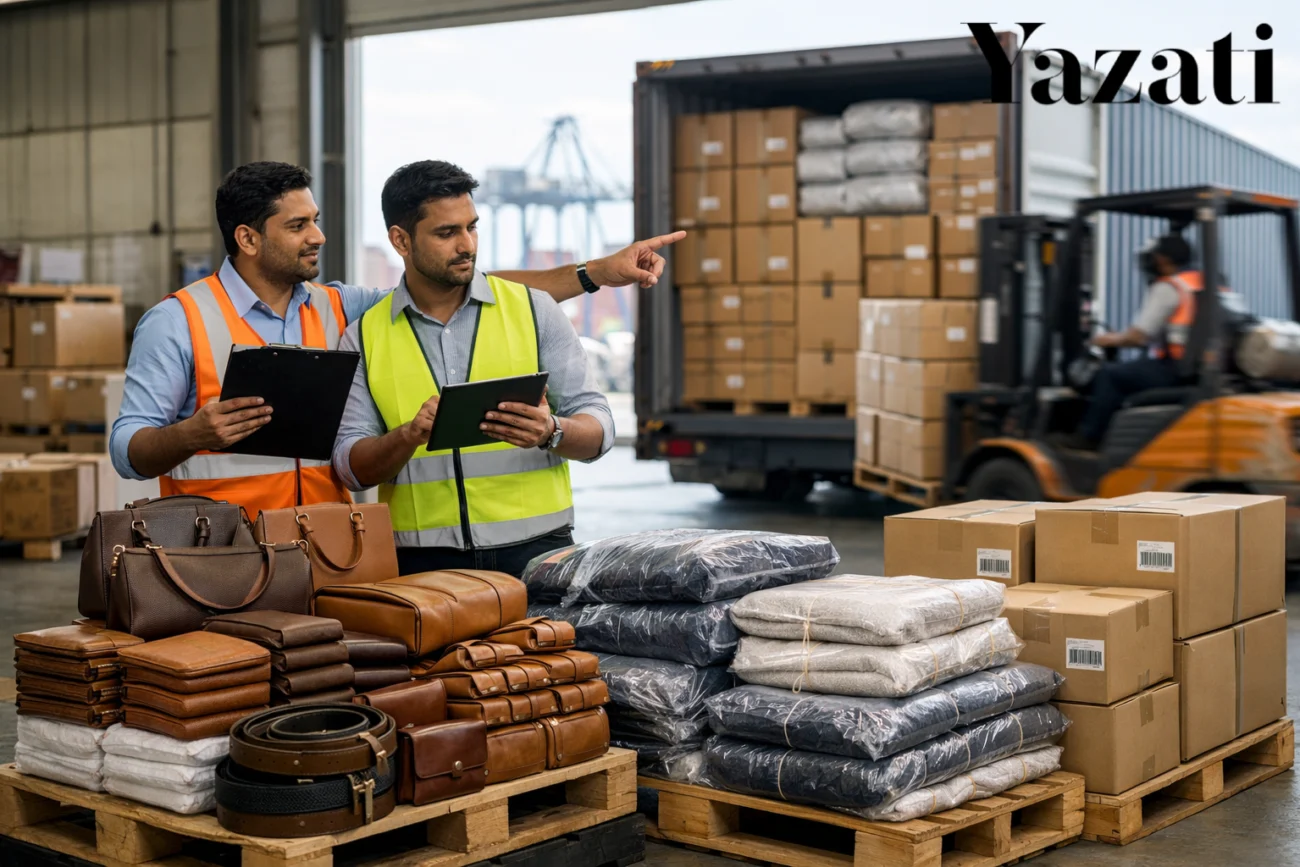
Introduction to Combining Textile and Leather Exports to Optimize Freight Costs
Combining Textile and Leather Exports to Optimize Freight Costs is rapidly becoming one of the smartest logistics strategies in international trade. With rising shipping rates, container shortages, and unpredictable global freight conditions, exporters are constantly searching for ways to cut costs without sacrificing quality or delivery speed.
Textile and leather products often move through similar global trade routes. When these two sectors coordinate shipments, they can dramatically reduce transportation expenses, improve container efficiency, and strengthen their position in global markets.
In today’s competitive export environment, even small freight savings per shipment can translate into significant annual profit growth. Let’s explore how this strategy works and why it matters more than ever.
Understanding Global Freight Cost Challenges
Rising Container Rates
Over the past decade, ocean freight costs have fluctuated dramatically. Container shortages and global disruptions have pushed rates to record highs at times. Exporters who rely on single-product shipments often pay more because their containers are not fully optimized.
Fuel Price Volatility
Fuel costs directly impact freight rates. When oil prices increase, shipping companies pass those expenses on to exporters. This makes cost management even more critical.
Port Congestion and Delays
Delays increase storage fees, demurrage charges, and handling costs. A poorly planned shipment can quickly become expensive.
These challenges make Combining Textile and Leather Exports to Optimize Freight Costs not just beneficial — but necessary.
Why Textile and Leather Exports Complement Each Other
Volume-to-Weight Balance
Textile products such as garments and fabrics are often lightweight but occupy significant volume. Leather goods, on the other hand, tend to be denser and heavier per cubic meter.
When combined strategically:
- Textiles fill vertical and side spaces
- Leather products stabilize and balance weight distribution
- Containers reach optimal load capacity
This balance reduces wasted space and maximizes every cubic meter.
Seasonal Demand Patterns
Textiles often follow fashion cycles, while leather goods may peak during colder seasons. By aligning shipping schedules, exporters can maintain consistent freight volumes throughout the year.
Shared Destination Markets
Both industries frequently export to similar regions such as:
- North America
- Europe
- Middle East
- East Asia
Shared destinations make consolidation practical and efficient.
Strategic Benefits of Combining Textile and Leather Exports to Optimize Freight Costs
Improved Container Utilization
One of the most significant cost drivers in shipping is unused container space. A half-empty container costs nearly the same as a full one.
By combining shipments:
- Space efficiency improves
- Per-unit freight costs decline
- Fewer containers are required annually
Lower Cost Per Unit
When fixed shipping costs are spread across multiple product categories, the cost per unit decreases. This creates room for:
- Competitive pricing
- Higher profit margins
- Market expansion
Enhanced Bargaining Power with Carriers
Larger shipment volumes mean stronger negotiation power. Freight carriers offer better rates to exporters who can guarantee consistent container bookings.
Container Optimization Techniques
Load Planning and Packaging Innovation
Smart packaging plays a major role in freight optimization. Techniques include:
- Vacuum-sealed textile packaging
- Foldable garment cartons
- Stackable leather goods cartons
Efficient packaging ensures no space is wasted.
Pallet Configuration and Space Maximization
Pallet arrangement must consider:
- Weight distribution
- Height limits
- Load stability
Proper pallet stacking can increase container capacity by up to 10–15%.
Moisture and Ventilation Considerations
Textiles and leather both require careful moisture control. Combining them demands:
- Desiccants
- Ventilated containers
- Protective wrapping
These precautions protect product integrity during long transit times.
Supply Chain Coordination Between Textile and Leather Exporters
Collaborative Shipping Agreements
Exporters can form shipping alliances. Shared freight agreements allow:
- Consolidated bookings
- Shared costs
- Streamlined operations
Shared Warehousing Solutions
Joint warehouse facilities near ports enable easier consolidation. This reduces inland transportation costs.
Integrated Documentation Management
Combined shipments require accurate documentation. Efficient coordination prevents:
- Customs delays
- Incorrect classifications
- Duplicate paperwork
Cost Comparison: Separate vs Combined Shipments
Let’s consider a simplified comparison:
| Scenario | Containers Used | Total Freight Cost | Cost Per Unit |
|---|---|---|---|
| Separate Shipments | 4 | $40,000 | $2.00 |
| Combined Shipments | 3 | $30,000 | $1.50 |
Even a small difference in container usage results in substantial savings over time.
Risk Management and Compliance Considerations
Customs Documentation
Each product category must have accurate commercial invoices and packing lists. Misclassification can result in fines.
Product Classification and HS Codes
Textiles and leather goods fall under different HS codes. Careful documentation ensures smooth customs clearance.
Quality and Preservation Controls
Proper handling prevents:
- Mold formation
- Material deformation
- Surface damage
Technology and Digital Freight Management
Freight Management Software
Modern systems help exporters:
- Plan container loads
- Track shipping schedules
- Calculate cost scenarios
Real-Time Tracking
Digital tracking improves transparency and customer confidence.
Predictive Shipping Analytics
Data analytics forecast rate changes and optimize booking times.
Case Study Example: Cost Reduction Through Consolidation
A mid-sized exporter shipping 120 containers annually reduced freight expenses by 18% after consolidating textile and leather shipments. By optimizing container space and renegotiating carrier contracts, annual savings exceeded six figures.
This demonstrates how Combining Textile and Leather Exports to Optimize Freight Costs directly improves profitability.
Environmental and Sustainability Advantages
Consolidated shipments:
- Reduce carbon emissions
- Lower fuel consumption
- Minimize packaging waste
Fewer containers mean fewer vessel movements and reduced environmental impact.
Common Challenges and How to Overcome Them
Challenges may include:
- Coordination delays
- Inventory mismatches
- Compliance complexities
Solutions involve:
- Advanced planning
- Clear communication
- Professional freight forwarding support
Frequently Asked Questions
1. Is combining textile and leather shipments safe?
Yes, with proper packaging and moisture control, both product types can be shipped together safely.
2. How much can exporters save?
Savings typically range between 10% and 20% depending on volume and shipping routes.
3. Does consolidation affect delivery time?
If properly planned, it can actually improve scheduling efficiency.
4. Are there customs risks?
Only if documentation is inaccurate. Proper classification eliminates issues.
5. Can small exporters use this strategy?
Yes. Even smaller exporters can collaborate through freight forwarders.
6. Is this strategy suitable for air freight?
It is more beneficial for sea freight due to container optimization opportunities.
Conclusion: Building a Smarter Export Strategy
Combining Textile and Leather Exports to Optimize Freight Costs is more than a logistical adjustment — it’s a strategic advantage. By improving container utilization, strengthening negotiation power, and reducing per-unit costs, exporters can remain competitive in an increasingly challenging global market.
With proper planning, coordination, and technology integration, this approach delivers measurable financial benefits while also supporting sustainability goals.
In a world where margins matter, smarter freight decisions can define long-term success.
✨ Discover Global Sourcing Excellence with Netyex ✨
Netyex is your trusted B2B sourcing partner, connecting international buyers with India’s finest manufacturers and curated product lines—from handicrafts and home décor to kitchenware, textiles, hospitality essentials, and more. With verified suppliers and end-to-end support, we make global procurement seamless, reliable, and efficient.
👉 Elevate your sourcing experience—explore Netyex today.
📦 Bulk orders & customisation | 🌍 Worldwide delivery | 🤝 Trusted by global buyers
Visit Netyex to source premium Indian products with confidence.