Introduction to Rug Pricing Dynamics
When shopping for rugs, many buyers feel shocked by the wide price gap between machine-made and hand-knotted options. One rug may cost $200, while another of similar size can reach $5,000 or more. What explains this dramatic difference?
Understanding rug pricing is not just about comparing numbers. It’s about knowing what you’re paying for—materials, labor, craftsmanship, durability, and long-term value. Some rugs are decorative items. Others are heirlooms.
Let’s break down what truly drives these price margins so you can make a confident decision.
Understanding Machine-Made Rugs
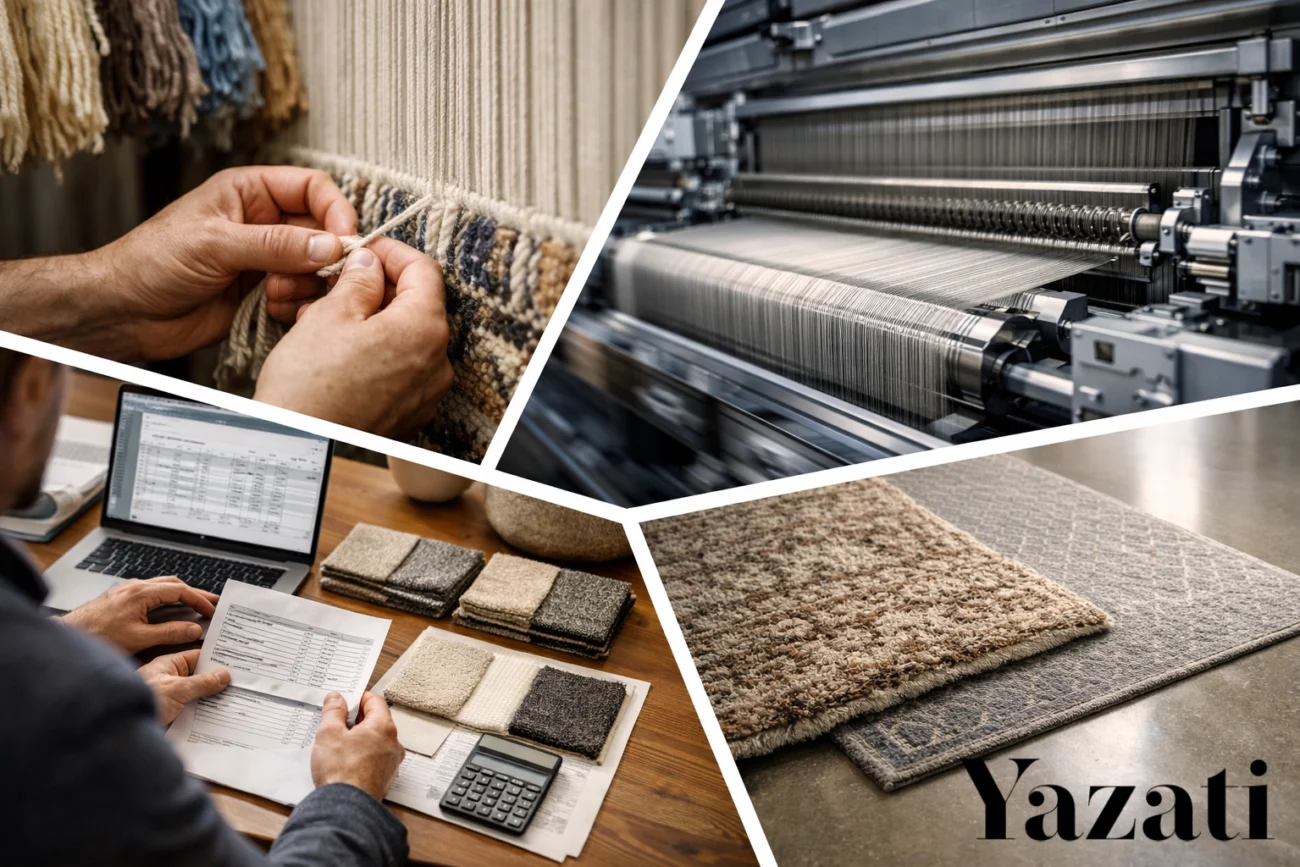
Machine-made rugs are produced using automated looms powered by computers. These machines can replicate intricate patterns quickly and consistently.
How Machines Produce Rugs
Modern weaving machines operate at high speed. A single machine can produce multiple rugs per day. Digital design files control patterns, colors, and textures.
Because the process is automated:
- Labor costs are low
- Production is fast
- Bulk manufacturing reduces expenses
- Designs are easily replicated
This efficiency significantly lowers the final price.
Cost of Materials in Machine Rugs
Machine-made rugs often use:
- Polypropylene
- Polyester
- Nylon
- Blended synthetic fibers
These materials are inexpensive and widely available. While durable, they generally don’t match the lifespan of high-grade natural wool or silk.
Understanding Hand-Knotted Rugs
Hand-knotted rugs represent centuries of tradition. Each knot is tied individually by skilled artisans.
The Hand-Knotting Process Explained
Creating a hand-knotted rug is labor-intensive. Artisans:
- Stretch a loom frame
- Tie thousands—or even millions—of individual knots
- Cut and tighten each knot
- Wash and finish the rug manually
A medium-sized rug can take several months to complete.
Artisan Labor Costs
Skilled craftsmanship demands fair wages. The more detailed the design and the higher the knot count, the more time it takes.
This means:
- Labor is the biggest cost factor
- Skilled artisans command higher compensation
- Production time increases pricing
You’re not just buying a rug—you’re paying for human expertise.
Key Factors Influencing Price Margins
Several elements create the pricing gap:
- Labor intensity
- Material quality
- Time to produce
- Design complexity
- Country of origin
- Brand positioning
- Distribution channels
Each of these components widens the margin between machine-made and handmade rugs.
Production Time Comparison
Time equals money.
| Type | Average Production Time |
|---|---|
| Machine-Made | 1–3 hours |
| Hand-Knotted | 3–12 months |
The dramatic time difference alone explains a large portion of the price variation.
Material Quality and Longevity
Machine-made rugs typically last 5–10 years with moderate use.
Hand-knotted rugs can last 50–100 years—or longer—when maintained properly.
Natural fibers such as wool and silk:
- Age gracefully
- Resist wear better
- Improve in character over time
Longevity plays a huge role in price justification.
Supply Chain and Distribution Costs
Machine-made rugs often follow mass-market distribution:
Factory → Warehouse → Retail Store → Consumer
Hand-knotted rugs frequently involve:
Artisan → Exporter → Gallery/Dealer → Collector
Because they are produced in smaller quantities, logistical costs per unit are higher.
Brand Positioning and Market Perception
Machine-made rugs are marketed as affordable décor solutions.
Hand-knotted rugs are positioned as:
- Luxury home investments
- Artistic statement pieces
- Cultural artifacts
Brand perception influences pricing power significantly.
Maintenance and Long-Term Investment
Machine-made rugs:
- Harder to repair
- Often discarded when damaged
- Lower resale value
Hand-knotted rugs:
- Easily repaired
- Can be restored professionally
- May appreciate in value
From an investment perspective, long-term economics favor handcrafted options.
Geographic Origin and Its Impact
Countries known for hand-knotting traditions—such as regions in the Middle East and South Asia—have built reputations over centuries.
Origin affects:
- Knot density
- Design authenticity
- Market prestige
- Final pricing
Provenance adds measurable value.
Comparing Price Margins Between Machine and Hand-Knotted Rugs
Now let’s directly analyze the financial differences.
Short-Term Cost Difference
| Feature | Machine-Made | Hand-Knotted |
|---|---|---|
| Average Price (8×10) | $200–$800 | $2,000–$10,000+ |
| Production Time | Hours | Months |
| Labor Cost | Low | High |
| Materials | Synthetic | Natural wool/silk |
The upfront margin can exceed 500–1000%.
Long-Term Value Difference
Let’s calculate cost per year of use.
If:
- A $500 machine rug lasts 7 years → ~$71 per year
- A $5,000 hand-knotted rug lasts 70 years → ~$71 per year
Suddenly, the margin doesn’t look so dramatic.
This is where Comparing Price Margins Between Machine and Hand-Knotted Rugs becomes more nuanced. The initial cost gap narrows when spread across decades.
Pros and Cons Comparison
| Machine-Made Rugs | Hand-Knotted Rugs |
|---|---|
| Affordable | Expensive upfront |
| Wide availability | Limited supply |
| Easy replacement | Long-lasting |
| Consistent designs | Unique patterns |
| Lower resale value | Potential appreciation |
Who Should Choose Machine-Made Rugs?
Machine-made rugs are ideal for:
- Renters
- Temporary spaces
- Budget-conscious buyers
- High-traffic areas
- Trend-focused decorators
They provide style without major financial commitment.
Who Should Invest in Hand-Knotted Rugs?
Hand-knotted rugs suit:
- Homeowners
- Long-term investors
- Luxury property owners
- Art collectors
- Families seeking heirlooms
They combine beauty, durability, and legacy value.
Market Trends in Rug Pricing
Recent years have shown:
- Rising demand for sustainable products
- Increased interest in handmade craftsmanship
- Growing resale market for antique rugs
At the same time, machine-made rugs remain popular due to affordability.
Consumers today are more informed, often weighing lifetime value rather than just sticker price.
Frequently Asked Questions
1. Why are hand-knotted rugs so expensive?
Because each knot is tied by hand. Labor time, skill level, and premium materials significantly increase costs.
2. Do machine-made rugs last long?
Yes, but typically 5–10 years under normal use.
3. Are hand-knotted rugs a good investment?
High-quality pieces can retain or increase value, especially antique or rare designs.
4. Can machine-made rugs look like handmade ones?
Modern machines replicate patterns well, but they lack depth and irregular character.
5. Is maintenance more expensive for handmade rugs?
Professional cleaning may cost more, but repairs are possible—extending lifespan.
6. Which option offers better value for money?
It depends on your timeline. Short-term budgets favor machine-made; long-term investment favors hand-knotted.
7. How can I tell the difference between machine-made and hand-knotted rugs?
Check the back of the rug. Hand-knotted rugs show individual knots; machine-made rugs have uniform stitching and backing.
Conclusion
Understanding Comparing Price Margins Between Machine and Hand-Knotted Rugs requires looking beyond surface-level pricing.
Machine-made rugs win on affordability, speed, and accessibility. They’re practical and stylish for modern living.
Hand-knotted rugs, however, stand apart in craftsmanship, durability, cultural value, and long-term economics. Their higher upfront price reflects months of human labor, premium materials, and artistic heritage.
In the end, the right choice depends on your priorities:
- Short-term décor? Go machine-made.
- Lifetime investment? Choose hand-knotted.
Either way, an informed decision ensures your money is well spent—and your space beautifully styled.
✨ Discover Global Sourcing Excellence with Netyex ✨
Netyex is your trusted B2B sourcing partner, connecting international buyers with India’s finest manufacturers and curated product lines—from handicrafts and home décor to kitchenware, textiles, hospitality essentials, and more. With verified suppliers and end-to-end support, we make global procurement seamless, reliable, and efficient.
👉 Elevate your sourcing experience—explore Netyex today.
📦 Bulk orders & customisation | 🌍 Worldwide delivery | 🤝 Trusted by global buyers
Visit Netyex to source premium Indian products with confidence.