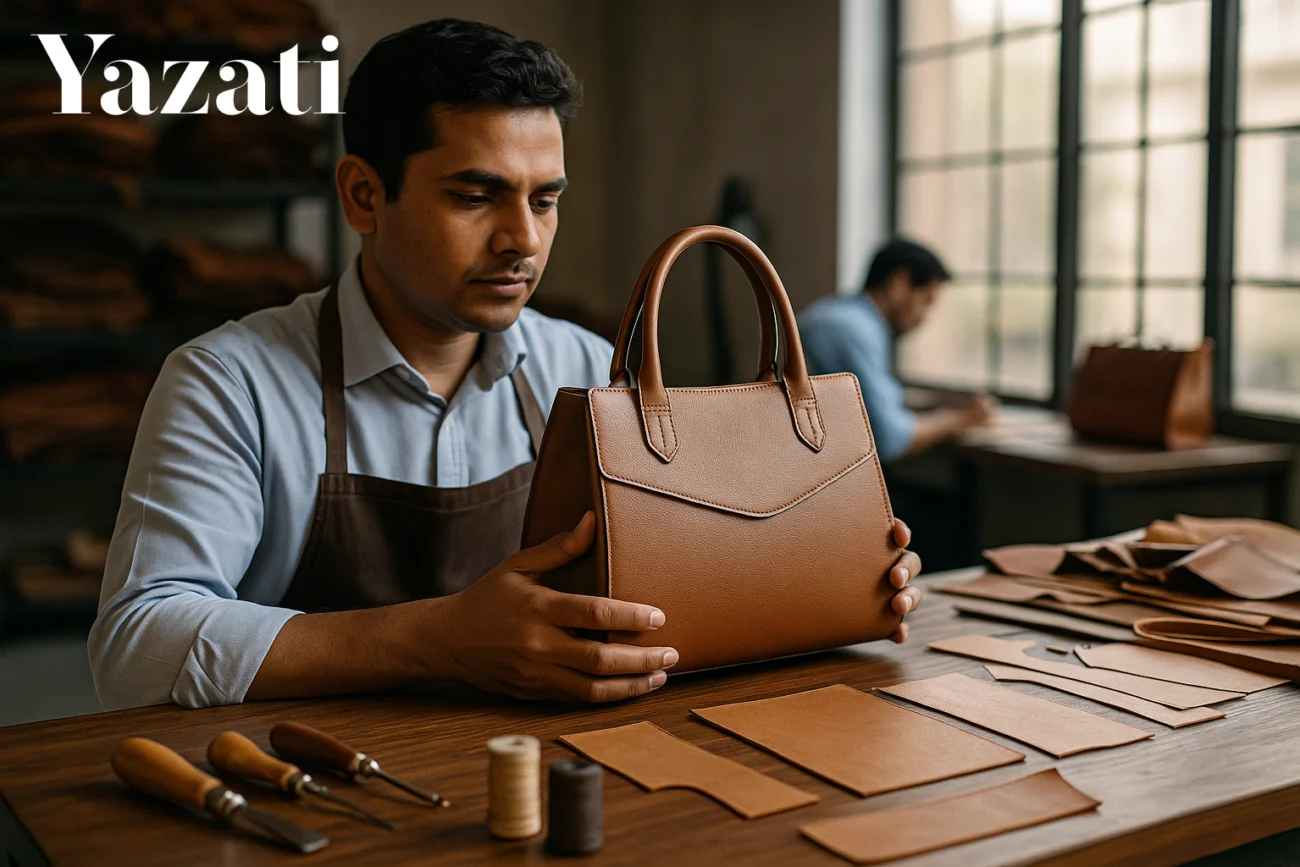
Introduction: The Timeless Craftsmanship of Indian Leather
India’s leather legacy is a story woven through centuries of artistry, innovation, and global admiration. From the bustling markets of Kanpur to the sophisticated boutiques of Milan, Indian leather has earned its reputation as one of the most sought-after materials in the world. This article explores the remarkable journey from hide to handbag, revealing how traditional craftsmanship, sustainable practices, and design innovation have transformed India into a global leather powerhouse.
The Historical Roots of Leather in India
Ancient Leather Traditions and Cultural Significance
Leather has been a vital part of Indian life since ancient times. Archaeological findings from the Indus Valley Civilization (around 2500 BCE) indicate the early use of animal hides for footwear, armor, and tools. In traditional India, leather artisans — known as Charmakars — played an integral role in crafting items that blended utility and artistry.
Over time, regional variations in leather techniques emerged. Rajasthan became famous for its intricately painted mojris (leather shoes), while Tamil Nadu developed advanced tanning processes that became precursors to modern techniques.
Evolution Through the Colonial and Post-Independence Eras
During the British era, leather production became industrialized, with cities like Kanpur and Chennai turning into manufacturing hubs. Post-independence, the Indian government recognized the sector’s export potential, leading to the establishment of training institutes and tanneries. This transformation laid the foundation for India’s modern leather excellence.
The Indian Leather Industry Today
Major Leather Hubs: Chennai, Kanpur, Kolkata, and Agra
India’s leather industry is geographically diverse.
- Chennai leads in tanning and leather goods exports.
- Kanpur, often called the “Leather City of the World,” specializes in saddlery and footwear.
- Kolkata is known for high-quality leather handbags and accessories.
- Agra remains synonymous with fine leather footwear.
Each city represents a unique blend of tradition and technology, contributing to India’s global dominance in leather production.
Economic Contribution and Global Recognition
The leather sector is among India’s top 10 foreign exchange earners. According to the Council for Leather Exports, the industry employs over 4 million people, with women constituting nearly 30% of the workforce. Indian leather goods are now exported to over 100 countries, including the U.S., U.K., Germany, and Italy, underscoring India’s growing luxury appeal.
From Raw Hide to Refined Material: The Leather-Making Process
Step 1: Sourcing Raw Hides Ethically
The journey begins with sourcing raw hides — primarily buffalo, cow, goat, and sheep. Today, ethical sourcing is crucial. Indian tanneries increasingly use hides from animals that have died naturally or from the meat industry, ensuring minimal environmental and ethical impact.
Step 2: Tanning – Where Chemistry Meets Craftsmanship
Tanning is the heart of the process, transforming raw hides into durable, flexible leather. Traditional vegetable tanning uses natural tannins from tree bark, offering an eco-friendly alternative to chemical tanning. Modern tanneries now combine science and tradition to achieve high-quality, sustainable results.
Step 3: Finishing and Polishing for Durability and Aesthetics
Once tanned, the leather is dyed, stretched, and polished. Artisans meticulously inspect each piece, ensuring the perfect blend of softness, strength, and sheen — a hallmark of Indian leather craftsmanship.
Sustainability in Leather Production
Eco-Friendly Tanning and Water Recycling Practices
Indian tanneries are rapidly adopting green innovations. Water-based finishes, chrome-free tanning, and waste recycling systems have become standard. The Central Leather Research Institute (CLRI) in Chennai leads sustainability research, ensuring that India remains both eco-conscious and globally competitive.
Waste Management and Renewable Energy Initiatives
Several tanneries now use solar power and biogas systems. Effluents are treated through zero liquid discharge (ZLD) systems — a major step toward sustainable manufacturing.
The Art of Leather Design in India
Handcrafted Perfection: The Role of Skilled Artisans
Behind every fine Indian handbag lies the touch of a skilled artisan. Many craftspeople inherit techniques passed down for generations, creating products that reflect authenticity and excellence.
Traditional Designs Meet Contemporary Fashion Trends
Designers are reimagining heritage patterns with modern aesthetics. Hand-painted motifs, embossed textures, and eco-tanned finishes are redefining the global luxury scene.
Handbag Creation: Turning Leather into Luxury
Designing with Purpose – Functionality Meets Style
A handbag is more than a fashion accessory — it’s a statement of craftsmanship. Indian designers focus on ergonomics, ensuring style meets practicality. Each sketch begins with detailed attention to material selection and stitching precision.
Stitching, Embellishment, and Finishing Touches
High-end brands like Hidesign and Da Milano emphasize hand-stitching, brass fittings, and vegetable-dyed leathers to produce pieces that rival Italian luxury labels.
Indian Leather in the Global Market
Export Strength and International Demand
India is the world’s second-largest producer of leather footwear and a leading exporter of handbags and accessories. With rising global demand for sustainable luxury, Indian leather is poised for exponential growth.
Collaborations with Global Luxury Brands
Indian manufacturers collaborate with top brands in Italy, France, and the U.S., providing OEM services while maintaining authentic craftsmanship.
Challenges Faced by the Indian Leather Industry
Environmental Regulations and Compliance Issues
Strict global norms around chemical use and waste disposal have forced tanneries to modernize. While this transition is positive, smaller units struggle with the costs of compliance.
Competition and Modernization in Global Markets
India faces stiff competition from China, Vietnam, and Bangladesh. However, its craftsmanship, sustainability efforts, and cultural depth give it a distinctive edge.
Empowering Local Artisans and Communities
Skill Development and Rural Employment
Programs like the Leather Sector Skill Council (LSSC) aim to train over one million workers in modern techniques. Rural employment through artisan clusters continues to strengthen local economies.
Women Empowerment in Leather Manufacturing
From stitching units in Tamil Nadu to design studios in Delhi, women are redefining the industry. Their participation in production and management highlights India’s progressive industrial ecosystem.
Future of Indian Leather: Innovation and Technology
Digital Design and Smart Manufacturing Processes
With AI-driven design software, 3D modeling, and automated cutting machines, Indian leather production is embracing Industry 4.0.
The Rise of Vegan and Sustainable Leather Alternatives
India is pioneering plant-based leathers made from coconut husk, pineapple fiber (Piñatex), and mushroom mycelium, ensuring the industry remains sustainable and future-ready.
Famous Indian Leather Brands Making a Mark Worldwide
Hidesign, Da Milano, and Nappa Dori: Icons of Indian Leather
- Hidesign – Based in Pondicherry, it combines traditional tanning with European design sensibilities.
- Da Milano – Offers premium handbags and accessories that exude elegance.
- Nappa Dori – Blends Indian artistry with minimalist design, appealing to a global audience.
FAQs About Indian Leather Excellence
1. What makes Indian leather unique?
Its combination of traditional tanning methods, ethical sourcing, and skilled craftsmanship makes Indian leather stand out globally.
2. Are Indian leather products sustainable?
Yes. Many Indian brands use eco-friendly tanning and water recycling processes.
3. Which city is the leather capital of India?
Kanpur is often referred to as India’s leather capital.
4. What are the main exports of India’s leather industry?
Handbags, footwear, garments, and saddlery products dominate exports.
5. How is technology changing the leather industry?
Automation, AI design tools, and sustainable innovations are revolutionizing production.
6. Are there vegan leather alternatives made in India?
Yes — several startups now produce plant-based leathers from natural fibers like coconut and pineapple.
Conclusion: The Pride and Promise of Indian Leather Craftsmanship
From raw hide to refined handbag, India’s leather story is one of perseverance, innovation, and pride. As the world moves toward sustainable luxury, Indian leather stands as a testament to artistry that honors both heritage and the planet. The journey continues — rich in tradition, resilient in spirit, and radiant in craftsmanship.
✨ Discover Global Sourcing Excellence with Netyex ✨
Netyex is your trusted B2B sourcing partner, connecting international buyers with India’s finest manufacturers and curated product lines—from handicrafts and home décor to kitchenware, textiles, hospitality essentials, and more. With verified suppliers and end-to-end support, we make global procurement seamless, reliable, and efficient.
👉 Elevate your sourcing experience—explore Netyex today.
📦 Bulk orders & customisation | 🌍 Worldwide delivery | 🤝 Trusted by global buyers
Visit Netyex to source premium Indian products with confidence.