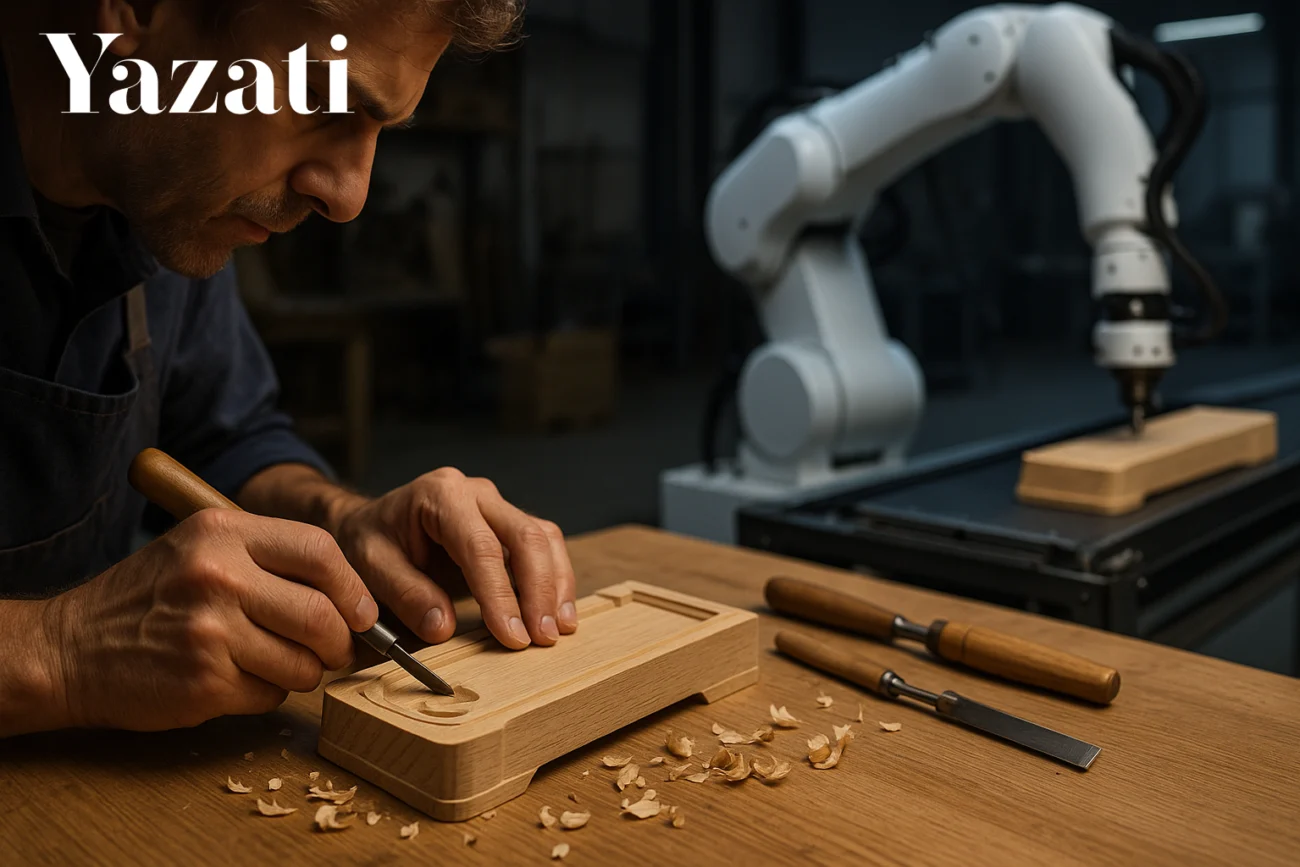
Introduction: Understanding the Essence of Authentic Craft
In today’s fast-paced, mass-production-driven world, the debate between handmade vs machine-made goods has become more than a matter of preference—it’s an economic discussion rooted in authenticity, sustainability, and perceived value. Handmade items, with their human touch and artistic imperfections, contrast sharply with machine-made products designed for scale and uniformity. But what truly drives their economic differences? Let’s uncover the complex interplay between cost, labor, market forces, and the evolving consumer mindset.
The Timeless Value of Handcrafted Goods
Handcrafted products symbolize individuality and dedication. Each handmade item carries the unique imprint of its creator—something machines can’t replicate. Historically, craftsmanship defined wealth and status, with artisans being revered as keepers of culture. Economically, handmade goods often fetch higher prices due to the intrinsic labor, time, and skill involved.
Moreover, handmade goods often tap into emotional purchasing decisions. Consumers aren’t just buying an item—they’re investing in a story, a person, and a tradition. This narrative-driven economy continues to thrive, especially in sectors like jewelry, furniture, and artisanal fashion.
The Rise of Machine-Made Production in the Modern Era
Industrialization revolutionized the world by democratizing access to goods. Machine-made production allows for scalability, uniformity, and low-cost mass manufacturing. From an economic standpoint, automation drastically reduces labor costs and increases productivity.
However, this efficiency comes with trade-offs. Machine-made goods may lack authenticity and emotional connection, often being perceived as “soulless” or disposable. Yet, in competitive markets, affordability and availability often outweigh the appeal of uniqueness.
The Economic Foundations of Handmade vs Machine-Made
Cost Structure and Production Efficiency
At the heart of the handmade vs machine-made debate lies the economics of production. Handmade items rely heavily on skilled labor, leading to higher per-unit costs and longer production times. Conversely, machine production benefits from economies of scale—once the machinery is set up, producing additional units becomes significantly cheaper.
Labor Economics: Artisans vs Automation
The labor force behind handmade production contributes significantly to local economies. Artisans invest time and expertise, often passing skills through generations. Meanwhile, machine-based production favors technical operators and engineers, creating a different kind of labor demand—one that values maintenance over artistry.
Material Sourcing and Resource Allocation
Handmade crafts often emphasize quality and ethical sourcing, while machine-made production prioritizes quantity and cost efficiency. This divergence shapes entire supply chains, affecting pricing, sustainability, and overall market appeal.
Market Dynamics and Consumer Behavior
Why Consumers Still Pay More for Handmade Products
Consumers are willing to pay premiums for handmade goods due to perceived authenticity, exclusivity, and ethical values. Studies show that emotional satisfaction and the “story” behind the product play a bigger role in purchasing decisions than utility alone.
The Role of Perceived Authenticity in Buying Decisions
Perceived authenticity drives economic value. In an age of digital replication, authenticity itself has become a luxury. Handmade goods leverage this by offering a sense of connection that mass production cannot emulate.
Branding and Storytelling in the Handmade Market
Successful handmade brands, such as Etsy sellers and boutique craft houses, build economic value through storytelling. By sharing the process, inspiration, and people behind the product, they foster deeper emotional ties that translate into financial success.
Environmental and Sustainability Economics
Carbon Footprint Comparison: Handmade vs Machine-Made
Machine-made production often has a larger environmental footprint due to energy use, emissions, and waste generation. Handmade goods, produced in smaller batches, typically consume fewer resources—although they may be less efficient in material usage.
Sustainable Practices in Craftsmanship
Many artisans adopt eco-friendly practices, using natural materials and local resources. This aligns with growing consumer demand for sustainable and ethical goods—further strengthening the economic viability of handmade markets.
The Economic Impact of Local Artisan Communities
Handmade industries contribute significantly to local economies, particularly in developing countries. They generate employment, preserve heritage, and encourage small-scale entrepreneurship. According to the World Fair Trade Organization, artisan enterprises provide livelihood to millions globally.
Profitability and Pricing Strategies
Pricing Handmade Goods: The Art of Value Perception
Handmade pricing revolves around perceived value rather than cost alone. Factors such as uniqueness, craftsmanship, and emotional connection justify premium pricing strategies. This value-based approach often leads to higher profit margins for niche markets.
Economies of Scale and the Machine-Made Advantage
Machine-made industries thrive on economies of scale—lowering costs through high-volume production. While this leads to competitive pricing, it also fosters a “race to the bottom” in quality, affecting long-term brand trust.
Hybrid Models: Balancing Authenticity and Efficiency
Many modern businesses are adopting hybrid approaches—combining machine precision with handmade finishing. This model delivers both efficiency and authenticity, catering to the best of both worlds.
The Global Economic Influence of Authentic Craft
Artisanal Exports and Economic Empowerment
Global demand for handmade goods supports small-scale economies, especially in regions like South Asia, Africa, and Latin America. Platforms like Fair Trade and Etsy have opened international markets, transforming craft into a global economic force.
How Machine-Made Production Shapes Global Trade
Machine production dominates global trade through standardized, cost-efficient exports. However, as automation spreads, it also displaces traditional labor forces, raising economic and ethical concerns.
Case Studies: Success Stories in the Handmade Economy
The Revival of Handmade Luxury Brands
Brands like Hermès and Montblanc have redefined luxury through craftsmanship. Their economic strategy centers on exclusivity—proving that in a machine-driven world, human artistry still commands top value.
When Machines Enhance Handcrafted Excellence
Some industries, like automotive and watchmaking, blend human skill with machine precision. This synergy not only increases production efficiency but also preserves brand authenticity.
Challenges and Future Outlook
Threats to Traditional Craftsmanship in a Digital World
The biggest threat to handmade industries is scalability. Digital markets are flooded with cheaper machine-made alternatives, making it harder for artisans to compete.
The Role of Technology in Preserving Craft Heritage
Emerging technologies like 3D printing and blockchain may help preserve and authenticate handmade products, ensuring artisans receive fair recognition and compensation.
FAQs: Common Questions About Handmade vs Machine-Made
1. Why are handmade products more expensive?
Because they involve intensive labor, skilled craftsmanship, and limited production quantities—factors that increase perceived and actual value.
2. Are handmade goods more sustainable than machine-made ones?
Generally, yes. Handmade production often uses local and eco-friendly materials, reducing overall environmental impact.
3. Can machine-made products ever match handmade quality?
While machines can achieve precision, they lack the artistry and individuality of handmade craftsmanship.
4. How can consumers verify authentic handmade items?
Buy from reputable artisans, fair-trade organizations, or certified online platforms like Etsy and Fair Trade Certified.
5. Are handmade businesses profitable?
Yes, when focused on niche markets, branding, and storytelling—handmade businesses can achieve excellent margins.
6. Will automation replace handmade industries?
Not entirely. While machines dominate mass markets, handmade goods thrive on authenticity, creativity, and cultural value.
Conclusion: The Future Economics of Authentic Craft
The debate between handmade vs machine-made isn’t about competition—it’s about coexistence. As economies evolve, authenticity will remain a defining factor of value. Handmade products preserve culture, promote sustainability, and empower communities, while machine-made efficiency ensures accessibility and affordability. Together, they represent the full spectrum of economic progress—a balance between human artistry and industrial innovation.
✨ Discover Global Sourcing Excellence with Netyex ✨
Netyex is your trusted B2B sourcing partner, connecting international buyers with India’s finest manufacturers and curated product lines—from handicrafts and home décor to kitchenware, textiles, hospitality essentials, and more. With verified suppliers and end-to-end support, we make global procurement seamless, reliable, and efficient.
👉 Elevate your sourcing experience—explore Netyex today.
📦 Bulk orders & customisation | 🌍 Worldwide delivery | 🤝 Trusted by global buyers
Visit Netyex to source premium Indian products with confidence.