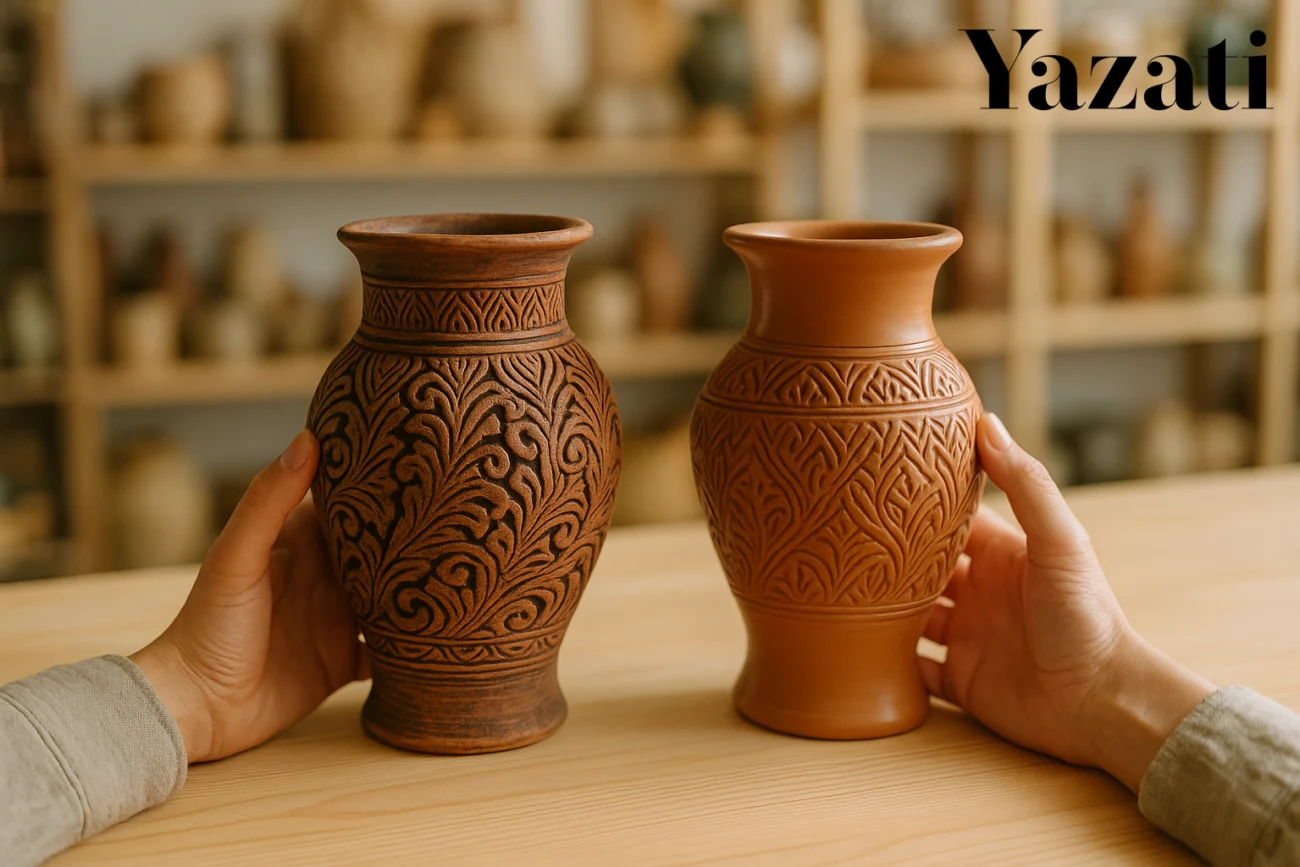
Introduction: The Rising Challenge of Identifying Authentic Handicrafts
In a world where handicrafts symbolize heritage, skill, and cultural identity, distinguishing between genuine and replica pieces has become increasingly challenging. As global markets expand and mass production becomes cheaper, replicas have flooded stores, often deceiving even the most discerning buyers. Understanding how buyers can differentiate between authentic & replica handicrafts is essential to preserving cultural traditions and supporting real artisans.
Buying authentic crafts isn’t just a purchase — it’s an act of cultural preservation and ethical responsibility. Yet, with replicas made to mimic perfection, one needs both an eye for detail and a bit of knowledge to tell the difference.
Understanding the Value of Authentic Handicrafts
What Makes a Handicraft Authentic?
Authentic handicrafts are handmade, not machine-made. They are created using traditional methods, often passed down through generations. The key lies in their imperfections — no two authentic crafts are ever identical. Their materials, design elements, and finishing tell a story of origin and authenticity.
The Cultural and Emotional Worth of Genuine Handicrafts
Genuine handicrafts represent more than artistry; they carry emotional depth and cultural symbolism. Each craft mirrors a community’s lifestyle, beliefs, and history — a connection replicas simply can’t offer.
Economic and Ethical Importance of Buying Original Items
When you purchase authentic crafts, your money directly supports local artisans and sustains traditional industries. Buying replicas, on the other hand, fuels exploitation and threatens the survival of ancient techniques.
Common Traits of Replica Handicrafts You Should Watch Out For
Mass-Produced Designs and Repeated Patterns
Replicas often feature uniform patterns, indicating machine production. Authentic items, in contrast, show subtle differences in color, carving depth, or stitch length.
Synthetic Materials Replacing Natural Elements
Be cautious of plastic, resin, or chemically treated substitutes posing as wood, clay, or metal. Genuine crafts usually rely on organic, locally sourced materials.
Absence of Traditional Techniques and Finishing
A real handmade product reveals traces of the artisan’s touch — uneven brush strokes, minor asymmetry, or hand-carved texture. Replicas tend to look unnaturally perfect.
Key Tips on How Buyers Can Differentiate Between Authentic & Replica Handicrafts
Tip #1: Examine Craftsmanship and Detailing
Inspect the craft closely. Hand-painted motifs, natural dyes, and irregular lines are strong indicators of handmade authenticity. Machine-made replicas lack emotional depth in finishing.
Tip #2: Ask for Origin and Artisan Information
Always ask sellers for details about where the craft was made and by whom. Authentic items often come with artisan profiles or cooperative details, ensuring traceability.
Tip #3: Check for Imperfections — The Beauty of Handmade Work
Authentic crafts showcase “beautiful flaws.” Slight irregularities in weaving or carving often signal genuine handiwork — a charm missing in factory-made replicas.
Tip #4: Analyze the Material Quality
Touch and feel the item. Real clay, pure cotton, or natural wood have distinct textures and scents that synthetic substitutes cannot mimic.
Tip #5: Look for Certifications and Authenticity Tags
Many authentic crafts now come with Geographical Indication (GI) tags or certification marks. These official labels verify originality and protect against imitation.
Tip #6: Verify the Seller’s Reputation
Choose reputable sellers or platforms specializing in traditional crafts. Platforms like Craftsvilla, Etsy Handmade, or UNESCO’s Artisan Directory ensure authenticity.
Tip #7: Understand Pricing Patterns — When It’s Too Cheap
If a product’s price seems too low for the claimed craftsmanship, it’s probably a replica. Authentic crafts take time, skill, and genuine materials, which reflect in their cost.
How Technology Helps Detect Replica Handicrafts
QR Codes, Blockchain, and Digital Provenance Tools
Modern technologies like blockchain and digital provenance systems now enable traceable records for every craft, documenting its journey from artisan to buyer.
Online Databases and Verification Platforms
Some countries have databases where buyers can cross-check craft origins using serial codes or GI numbers, offering greater transparency in the handicraft trade.
Supporting Local Artisans: The Best Way to Ensure Authenticity
Why Buying Directly from Artisans Matters
Purchasing directly from artisans not only ensures authenticity but also empowers rural communities economically. Direct buying reduces middlemen and builds trust.
Fair Trade Organizations and Ethical Marketplaces
Certified fair-trade markets guarantee fair wages and genuine products. Buyers can explore ethical online platforms that promote sustainable craftsmanship.
Legal Measures and Government Initiatives Protecting Authentic Crafts
Geographical Indication (GI) Tags and Their Role
A GI tag identifies products that originate from specific regions and possess unique qualities. Examples include Pashmina from Kashmir or Madhubani art from Bihar.
Global Case Studies on Craft Authentication
Countries like India, Indonesia, and Mexico have launched initiatives to preserve indigenous art forms, offering legal protection to authentic artisans.
FAQs About How Buyers Can Differentiate Between Authentic & Replica Handicrafts
Q1. What’s the easiest way to identify a fake handicraft?
Check for machine precision and synthetic materials. Authentic crafts usually have imperfections and natural textures.
Q2. Are GI tags reliable for confirming authenticity?
Yes, GI tags are legal markers that verify the geographical and cultural origin of crafts.
Q3. Why are authentic handicrafts more expensive?
They involve manual labor, traditional skills, and natural materials, justifying higher costs.
Q4. Can online handicraft stores sell authentic products?
Absolutely! Look for artisan profiles, certification, and verified reviews before buying.
Q5. What should I do if I suspect a seller is offering replicas as originals?
Report the seller to consumer protection agencies or the platform’s support team.
Q6. How does buying authentic crafts support sustainability?
It sustains eco-friendly materials and provides livelihood to rural artisans, ensuring cultural continuity.
Conclusion: Empowering Buyers to Preserve Heritage
Knowing how buyers can differentiate between authentic & replica handicrafts empowers consumers to make ethical and culturally respectful choices. Each purchase becomes a vote for tradition, sustainability, and honesty. By combining awareness, observation, and technology, every buyer can help protect our shared artistic heritage for generations to come.
✨ Discover Global Sourcing Excellence with Netyex ✨
Netyex is your trusted B2B sourcing partner, connecting international buyers with India’s finest manufacturers and curated product lines—from handicrafts and home décor to kitchenware, textiles, hospitality essentials, and more. With verified suppliers and end-to-end support, we make global procurement seamless, reliable, and efficient.
👉 Elevate your sourcing experience—explore Netyex today.
📦 Bulk orders & customisation | 🌍 Worldwide delivery | 🤝 Trusted by global buyers
Visit Netyex to source premium Indian products with confidence.