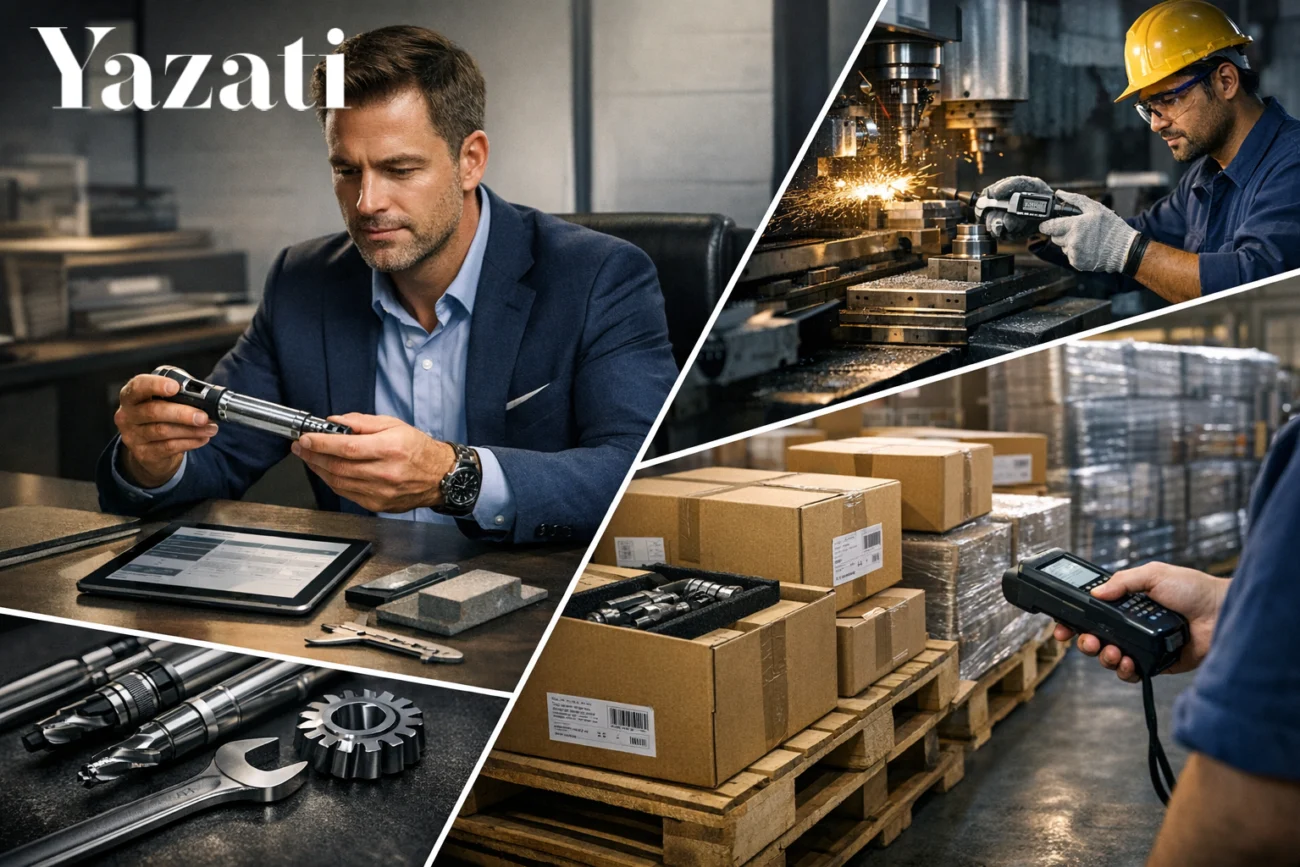
Introduction to Industrial Tool Sourcing from India
In today’s competitive industrial landscape, knowing How Buyers Can Source High-Grade Industrial Tools from India can make the difference between operational efficiency and costly downtime. India has emerged as a powerful manufacturing hub, offering world-class industrial tools at competitive prices.
From automotive workshops to large-scale construction projects, buyers across the globe rely on Indian manufacturers for durability, precision, and affordability. But sourcing isn’t just about finding the lowest quote—it’s about finding the right partner, ensuring quality standards, and building a stable supply chain.
Let’s dive deep into the strategies that help buyers make confident and profitable sourcing decisions.
Why India Is a Global Hub for Industrial Tool Manufacturing
Skilled Workforce and Engineering Excellence
India has a long-standing reputation for mechanical engineering expertise. The country produces thousands of engineers every year who specialize in metallurgy, manufacturing systems, and precision machining.
Manufacturers often invest in advanced CNC machines, robotic automation, and lean production systems. This combination of human skill and technology ensures consistent product quality.
Cost Advantage Without Compromising Quality
One major reason global buyers look to India is cost efficiency. Labor and production costs remain competitive compared to Western markets. However, lower cost does not mean lower quality.
Many Indian factories follow international standards such as ISO 9001 and industry-specific certifications. This allows buyers to get premium-grade tools at more affordable rates.
Strong Export Infrastructure
India’s ports, freight networks, and export systems are well-developed. With major shipping ports and international logistics partnerships, industrial tools can be shipped worldwide with relative ease.
Understanding High-Grade Industrial Tools
Before sourcing, buyers must clearly define what “high-grade” means for their application.
Material Standards and Durability
High-grade tools are typically made from:
- Chrome Vanadium Steel
- High-Speed Steel (HSS)
- Carbide materials
- Alloy steels with heat treatment
Durability depends on hardness levels, corrosion resistance, tensile strength, and surface finishing. Buyers should request material test certificates before placing bulk orders.
Compliance and Certification Requirements
Depending on the destination country, tools may require:
- ISO certifications
- CE marking
- RoHS compliance
- Industry-specific standards
Ensuring compliance prevents customs delays and legal complications.
How Buyers Can Source High-Grade Industrial Tools from India Successfully
Now let’s focus directly on How Buyers Can Source High-Grade Industrial Tools from India using structured and strategic methods.
Identifying Verified Manufacturers
Start by shortlisting manufacturers with:
- Export experience
- Transparent company profiles
- Clear manufacturing capabilities
- Established factory locations
Avoid trading companies if you require customization or tight quality control. Direct manufacturers offer better flexibility.
Evaluating Production Capacity
Before finalizing a supplier, check:
- Monthly output capacity
- Machinery availability
- Workforce strength
- Lead times
Ask for factory videos or conduct virtual audits if an in-person visit isn’t possible.
Reviewing Client Portfolios
Reputable suppliers often share:
- Existing export markets
- Industry clients
- Case studies
- Testimonials
This gives insight into reliability and market acceptance.
Key Industrial Tool Categories to Source from India
India manufactures a wide range of industrial tools.
Hand Tools
- Wrenches
- Pliers
- Screwdrivers
- Hammers
- Spanners
These are widely exported and available in various grades.
Power Tools
- Drills
- Grinders
- Sanders
- Impact drivers
Buyers must verify motor quality, safety certifications, and spare parts availability.
Cutting and Machine Tools
- Drill bits
- Milling cutters
- Taps and dies
- Lathe tools
Precision and hardness are critical here.
Precision Measuring Instruments
- Calipers
- Micrometers
- Dial gauges
- Height gauges
These require strict quality calibration procedures.
Conducting Supplier Due Diligence
Sourcing blindly can lead to costly mistakes. Due diligence is essential.
Factory Audits
A factory audit should assess:
- Production flow
- Quality inspection process
- Storage conditions
- Worker safety
If visiting is not possible, hire third-party inspection agencies.
Quality Control Systems
Ask suppliers about:
- Incoming raw material checks
- In-process inspection
- Final quality checks
- Batch testing
Request sample pieces before placing bulk orders.
Financial Stability Checks
A financially unstable supplier may fail to deliver during peak demand. Evaluate:
- Years in operation
- Export volume
- Company registration documents
Negotiation and Pricing Strategies
Smart buyers don’t just accept the first quotation.
Key strategies include:
- Comparing multiple suppliers
- Negotiating bulk discounts
- Clarifying tooling costs
- Understanding packaging charges
- Confirming minimum order quantities (MOQ)
Always ask for detailed cost breakdowns to avoid hidden charges.
Understanding Export Regulations and Documentation
Essential export documents include:
- Commercial Invoice
- Packing List
- Bill of Lading
- Certificate of Origin
- Inspection Certificate
Make sure documentation matches your country’s import requirements.
Quality Assurance and Inspection Best Practices
Quality inspection should occur at three stages:
- Pre-production sample approval
- Mid-production inspection
- Final pre-shipment inspection
Consider implementing AQL (Acceptable Quality Limit) standards.
Logistics and Shipping Considerations
Choose between:
- Air freight (fast but expensive)
- Sea freight (cost-effective for bulk)
Confirm packaging standards to prevent damage during transit.
Payment Methods and Risk Mitigation
Common payment methods include:
- Letter of Credit (LC)
- Telegraphic Transfer (TT)
- Documents Against Payment (DAP)
For first-time orders, consider partial advance payment and balance after inspection.
Building Long-Term Supplier Relationships
Long-term partnerships bring:
- Better pricing
- Priority production
- Flexible payment terms
- Faster communication
Maintain regular communication and schedule periodic performance reviews.
Common Mistakes Buyers Should Avoid
- Choosing only based on price
- Ignoring certifications
- Skipping sample testing
- Failing to define technical specifications
- Not conducting inspections
Avoiding these pitfalls saves time and money.
FAQs About Sourcing Industrial Tools from India
1. What makes Indian industrial tools competitive globally?
India offers a strong combination of engineering expertise, cost efficiency, and scalable manufacturing capacity.
2. How can I verify a supplier’s credibility?
Check certifications, request documentation, review export history, and conduct audits.
3. What is the typical MOQ for industrial tools?
It varies by product, but many manufacturers offer flexible MOQs for export buyers.
4. How long does production take?
Lead times typically range from 20 to 45 days depending on order size.
5. Can I request customized branding?
Yes, many manufacturers provide OEM and private labeling services.
6. Is it safe to pay advance to Indian suppliers?
Yes, but ensure proper due diligence and secure payment terms.
Conclusion: Turning Strategy into Sustainable Success
Understanding How Buyers Can Source High-Grade Industrial Tools from India is not just about finding affordable products—it’s about building a reliable procurement system.
When buyers focus on supplier verification, quality control, compliance, and long-term partnerships, sourcing becomes smooth and profitable. India continues to strengthen its position as a global manufacturing leader, offering buyers both quality and value.
With proper research, structured negotiation, and risk management, you can confidently tap into India’s industrial tool manufacturing ecosystem and secure consistent, high-grade supply for years to come.
✨ Discover Global Sourcing Excellence with Netyex ✨
Netyex is your trusted B2B sourcing partner, connecting international buyers with India’s finest manufacturers and curated product lines—from handicrafts and home décor to kitchenware, textiles, hospitality essentials, and more. With verified suppliers and end-to-end support, we make global procurement seamless, reliable, and efficient.
👉 Elevate your sourcing experience—explore Netyex today.
📦 Bulk orders & customisation | 🌍 Worldwide delivery | 🤝 Trusted by global buyers
Visit Netyex to source premium Indian products with confidence.