Introduction to the Global Shift Toward Sustainable Packaging
Sustainability is no longer optional—it’s expected. Governments are tightening environmental regulations, and consumers are demanding greener alternatives to traditional plastic packaging.
Retailers and manufacturers worldwide are under pressure to reduce carbon footprints, eliminate single-use plastics, and adopt recyclable or compostable materials.
In this evolving landscape, understanding How Importers Can Source Eco-Friendly Packaging from India provides a strategic advantage for businesses aiming to align with global sustainability trends.
Why India Is Emerging as a Hub for Eco-Friendly Packaging
India has rapidly developed its sustainable packaging industry due to:
- Abundant raw materials like paper pulp and agricultural waste
- Expanding recycling infrastructure
- Competitive manufacturing costs
- Growing export capabilities
Indian manufacturers now produce a wide range of eco-friendly packaging solutions suitable for food, retail, cosmetics, e-commerce, and industrial use.
Key Production Clusters in India
Certain industrial regions specialize in packaging production, offering:
- Advanced paper conversion facilities
- Molded pulp manufacturing
- Biodegradable polymer processing
- Corrugated box production
Cluster-based production increases efficiency and reduces costs.
Types of Eco-Friendly Packaging Available
India offers diverse sustainable packaging materials that meet global demand.
Recycled Paper and Corrugated Solutions
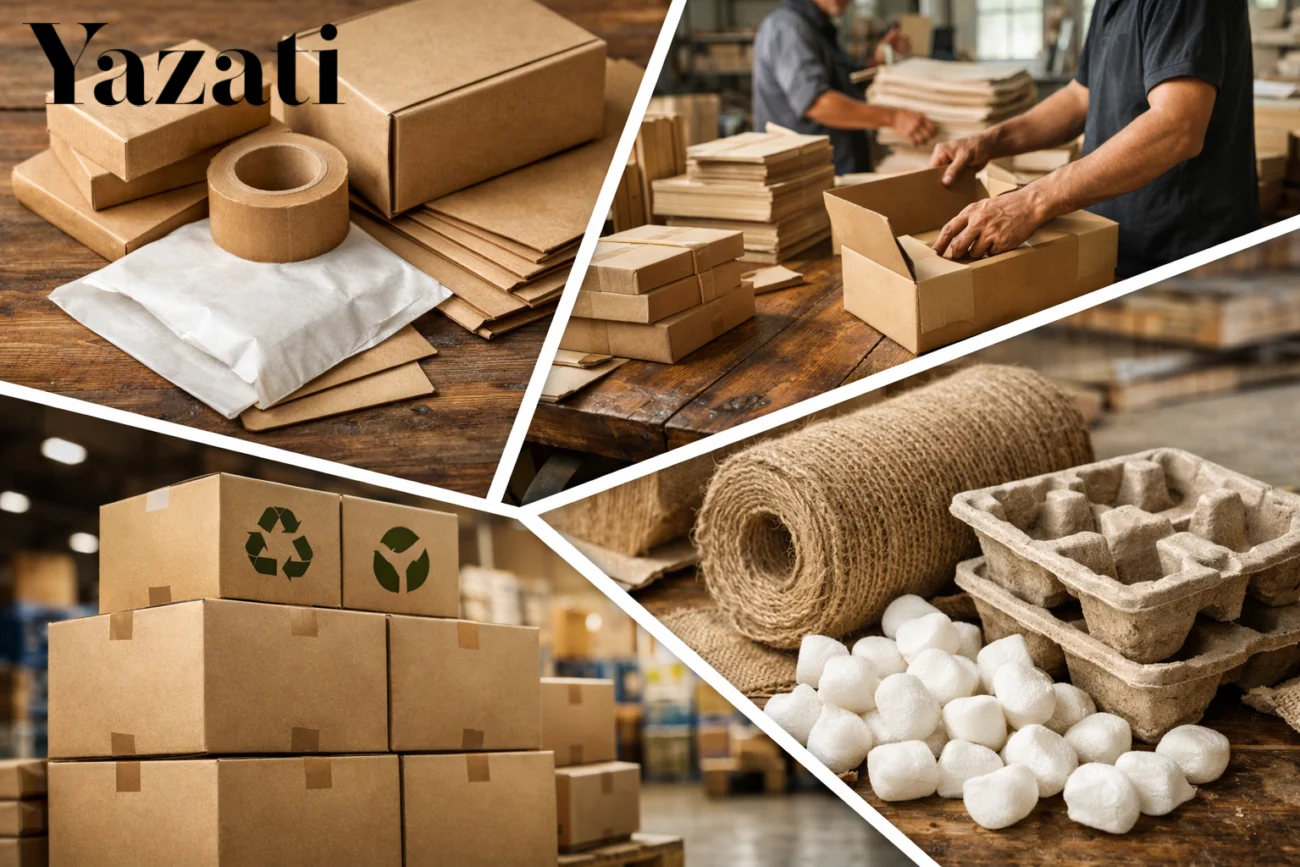
Corrugated cardboard and recycled paper packaging remain among the most popular options.
These products are widely used for:
- E-commerce shipments
- Retail product boxes
- Food takeaway containers
- Protective packaging inserts
Recycled paper packaging reduces landfill waste and promotes circular economy practices.
Biodegradable and Compostable Packaging
Indian suppliers also produce packaging made from:
- PLA (plant-based polymers)
- Sugarcane bagasse
- Bamboo fiber
- Cornstarch materials
These materials break down naturally, making them ideal for environmentally conscious brands.
Understanding International Compliance Standards
Before importing eco-friendly packaging, compliance verification is essential.
Common requirements may include:
- Recyclability certifications
- Compostability testing standards
- Food-grade safety certifications (for food packaging)
- Proper labeling and environmental claims documentation
Importers should verify that suppliers provide:
- Certificates of origin
- Material composition declarations
- Environmental compliance documentation
Clear documentation ensures smooth customs clearance.
Finding and Verifying Reliable Suppliers
Supplier selection directly affects product quality and reliability.
Due Diligence Checklist
Before placing bulk orders:
- Verify company registration and export license
- Review production capacity
- Request sustainability certifications
- Check client references
- Conduct factory audits if possible
Working with established manufacturers reduces sourcing risks.
Requesting Samples and Testing Materials
Never finalize large orders without testing samples.
Evaluate:
- Material thickness
- Structural strength
- Moisture resistance
- Print quality
- Compostability claims
Independent laboratory testing may be necessary for food-grade or compostable packaging.
Testing protects both importers and end customers.
Pricing Structure and Cost Considerations
Eco-friendly packaging pricing depends on:
- Raw material type
- Production complexity
- Order volume
- Custom printing requirements
Although sustainable packaging can sometimes cost slightly more than traditional plastic options, competitive manufacturing costs in India help keep prices manageable.
Freight and Shipping Costs
Sea freight is typically the most cost-effective option for bulk packaging shipments.
Optimizing container space reduces per-unit freight expenses.
Private Label and Custom Packaging Opportunities
Customization enhances brand identity.
Indian manufacturers offer:
- Custom box dimensions
- Printed logos
- Branded designs
- Retail-ready packaging solutions
Private labeling allows importers to create unique packaging that aligns with their sustainability message.
Customized eco-friendly packaging often commands higher retail value.
Shipping, Logistics, and Customs Clearance
Packaging is lightweight but bulky, so efficient container loading is important.
Best practices include:
- Flat-pack shipping where possible
- Moisture-resistant wrapping
- Clear labeling for customs
Importers must ensure that all environmental claims are supported by documentation to avoid regulatory penalties.
Risk Management and Long-Term Partnerships
Sustainable sourcing requires consistency.
Importers should:
- Establish clear quality standards
- Define delivery timelines
- Use structured payment terms
- Purchase shipment insurance
Long-term supplier relationships often lead to better pricing and production priority.
Building trust ensures reliable supply chains.
Common Challenges and Solutions
Challenge: Greenwashing Claims
Solution: Always request certification and independent testing documentation.
Challenge: Material Inconsistency
Solution: Conduct pre-shipment inspections and batch testing.
Challenge: Regulatory Differences
Solution: Consult local customs authorities to confirm compliance requirements.
Preparation minimizes disruptions.
Step-by-Step Sourcing Summary
To understand How Importers Can Source Eco-Friendly Packaging from India, follow these steps:
- Identify packaging requirements
- Research material options
- Shortlist verified suppliers
- Request and test samples
- Confirm compliance documentation
- Negotiate pricing and MOQs
- Plan shipping logistics
- Conduct quality inspection
- Clear customs and distribute
Structured execution ensures success.
Frequently Asked Questions
1. Is eco-friendly packaging more expensive?
It can be slightly higher than plastic alternatives, but competitive Indian manufacturing keeps costs manageable.
2. What materials are most popular?
Recycled paper, corrugated cardboard, and bagasse-based packaging are widely used.
3. How can importers verify compostability claims?
Request official certification and, if necessary, conduct third-party testing.
4. What shipping method is most economical?
Sea freight is generally the most cost-effective for bulk orders.
5. Are custom designs available?
Yes. Most suppliers offer private labeling and custom printing services.
6. Why choose India for sustainable packaging?
India offers competitive pricing, diverse material options, and growing export expertise.
Conclusion
Sustainable packaging is shaping the future of global trade. Businesses that adopt eco-friendly solutions not only comply with regulations but also meet evolving consumer expectations.
Understanding How Importers Can Source Eco-Friendly Packaging from India reveals how structured supplier selection, compliance verification, cost analysis, and logistics planning create profitable opportunities.
With careful sourcing and long-term partnerships, importers can secure high-quality sustainable packaging while strengthening their environmental commitment.
Sustainability and profitability can go hand in hand—and India offers a strong pathway to achieve both.
✨ Discover Global Sourcing Excellence with Netyex ✨
Netyex is your trusted B2B sourcing partner, connecting international buyers with India’s finest manufacturers and curated product lines—from handicrafts and home décor to kitchenware, textiles, hospitality essentials, and more. With verified suppliers and end-to-end support, we make global procurement seamless, reliable, and efficient.
👉 Elevate your sourcing experience—explore Netyex today.
📦 Bulk orders & customisation | 🌍 Worldwide delivery | 🤝 Trusted by global buyers
Visit Netyex to source premium Indian products with confidence.