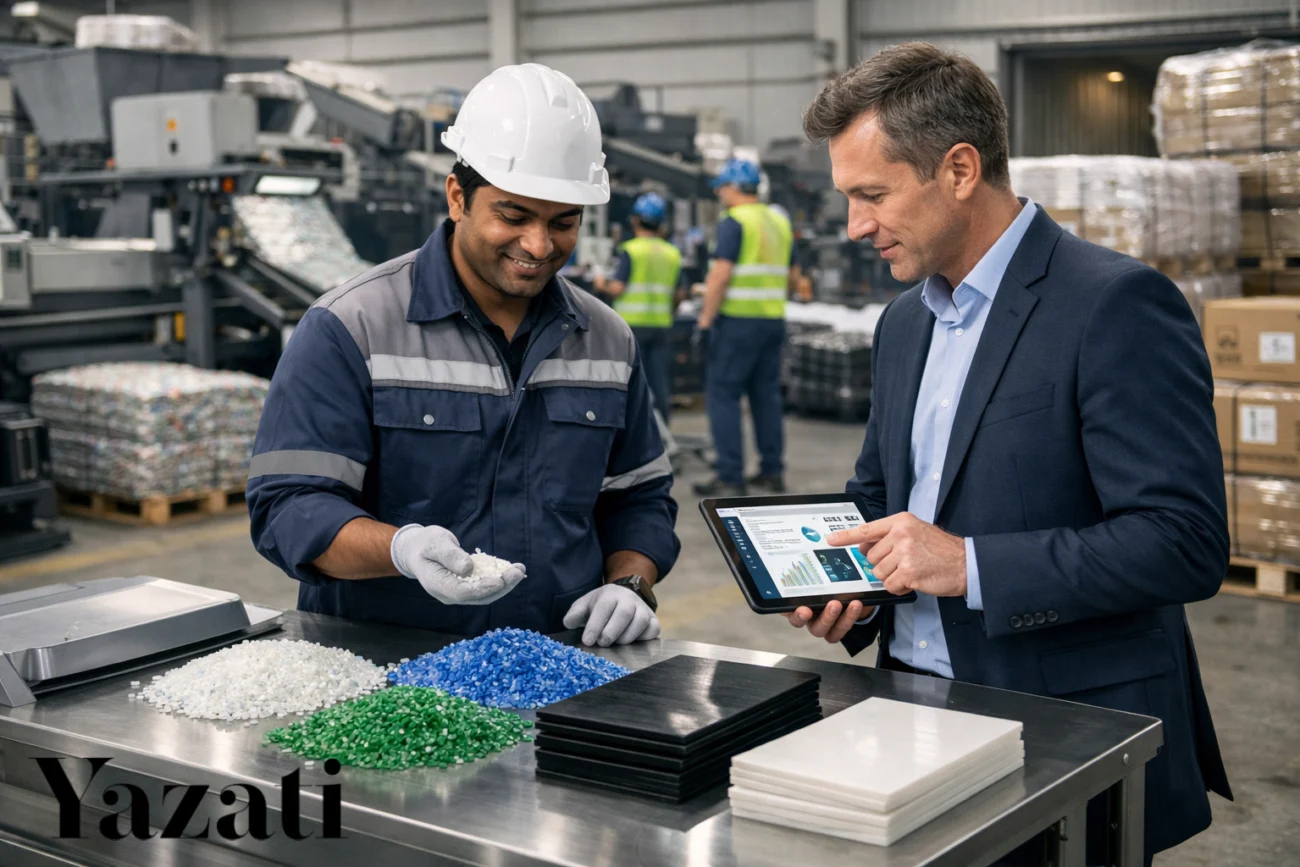
Introduction: The Rise of India’s Recycling Revolution
India is rapidly emerging as a global leader in sustainable innovation. One of the most exciting developments is how Indian Recycling Tech Is Transforming Plastic Exports. With growing environmental concerns and stricter global regulations, countries are searching for reliable sources of recycled plastic. India has stepped up with cutting-edge technologies, skilled labor, and cost-effective solutions.
This transformation isn’t just about waste management—it’s about turning trash into global trade opportunities. From advanced sorting systems to chemical recycling breakthroughs, Indian companies are redefining how plastic waste is processed and exported.
Understanding Plastic Waste and Global Demand
The Growing Plastic Problem
Plastic waste has become one of the biggest environmental challenges worldwide. Every year, millions of tons of plastic end up in landfills and oceans. Traditional recycling methods have struggled to keep up.
Why Recycled Plastic Is in Demand
Countries are now shifting toward circular economies. Recycled plastic is:
- More sustainable
- Cost-efficient
- Environmentally responsible
This has created a booming global market, where India is becoming a key player.
Evolution of Recycling Technology in India
From Manual Sorting to Automation
Earlier, recycling in India relied heavily on manual labor. Today, technology has transformed the process:
- AI-based sorting systems
- Automated shredding and cleaning
- High-efficiency extrusion machines
These upgrades have improved both quality and scale.
Adoption of Smart Recycling Systems
Modern facilities now use:
- Optical sensors for plastic identification
- Robotics for sorting
- Data analytics for process optimization
This shift has made Indian recycling globally competitive.
How Indian Recycling Tech Is Transforming Plastic Exports
Improved Quality Standards
Indian recyclers now produce high-grade recycled plastic that meets international standards. This includes:
- Food-grade recycled PET
- Industrial-grade polymers
- Custom plastic compounds
Better quality means higher export value.
Increased Export Volumes
With efficient systems, India can process more waste than ever before. This leads to:
- Higher production capacity
- Faster turnaround times
- Reliable supply chains
Cost Competitiveness
India offers lower production costs compared to many Western countries. This makes its recycled plastic highly attractive in global markets.
Diversification of Export Products
Instead of just raw recycled plastic, India now exports:
- Plastic pellets
- Recycled fibers
- Finished plastic goods
This adds more value to exports.
Government Policies Supporting Recycling Growth
Plastic Waste Management Rules
India has implemented strict regulations to control plastic waste. These rules encourage recycling and innovation.
Extended Producer Responsibility (EPR)
Companies are now responsible for managing their plastic waste. This has boosted demand for recycling services.
Incentives for Green Technology
The government provides:
- Subsidies
- Tax benefits
- Funding for startups
These initiatives are accelerating technological adoption.
Role of Startups and Innovation
Emerging Recycling Startups
India’s startup ecosystem is playing a big role in this transformation. These companies focus on:
- Advanced recycling methods
- Sustainable packaging solutions
- Waste collection platforms
Breakthrough Technologies
Some key innovations include:
- Chemical recycling that converts plastic into fuel
- Blockchain for waste tracking
- Mobile apps for waste collection
These technologies are reshaping the industry.
Environmental Benefits of Advanced Recycling
Reduction in Landfill Waste
Modern recycling significantly reduces the amount of plastic sent to landfills.
Lower Carbon Emissions
Recycling uses less energy than producing new plastic, helping reduce greenhouse gases.
Ocean Pollution Prevention
Better waste management prevents plastic from reaching oceans.
Economic Impact on India
Job Creation
The recycling sector creates thousands of jobs, from collection to processing.
Boost to Export Economy
Plastic exports contribute significantly to India’s trade balance.
Support for Local Industries
Recycling supports industries like:
- Packaging
- Textiles
- Manufacturing
Challenges Facing the Industry
Inconsistent Waste Collection
Not all regions have efficient waste collection systems.
Quality Variations
Mixed plastic waste can affect output quality.
Global Competition
Countries like China and Vietnam are also investing in recycling tech.
Future Trends in Indian Recycling Tech
AI and Machine Learning Integration
Future systems will become even smarter, improving efficiency and accuracy.
Circular Economy Models
India is moving toward a system where waste is continuously reused.
Expansion of Export Markets
New markets in Europe, Africa, and Southeast Asia are opening up.
Case Studies of Success
Urban Recycling Hubs
Cities like Mumbai and Bengaluru are leading with advanced recycling plants.
Industrial Partnerships
Collaborations between corporations and recyclers are improving efficiency.
Why Global Buyers Prefer Indian Recycled Plastic
- Competitive pricing
- Improved quality standards
- Reliable supply chains
- Eco-friendly practices
India is becoming a trusted supplier worldwide.
Technological Innovations Driving Growth
Mechanical vs Chemical Recycling
- Mechanical recycling: Traditional, cost-effective
- Chemical recycling: Advanced, produces higher-quality output
Digital Tracking Systems
These systems ensure transparency and traceability in recycling processes.
Impact on Sustainable Development Goals (SDGs)
India’s recycling advancements contribute to:
- Climate action
- Responsible consumption
- Sustainable cities
How Businesses Can Benefit
Companies can:
- Reduce costs using recycled materials
- Meet sustainability goals
- Improve brand image
FAQs About How Indian Recycling Tech Is Transforming Plastic Exports
1. What makes Indian recycling technology unique?
Indian recycling combines cost efficiency with advanced technology, making it globally competitive.
2. Is recycled plastic from India safe for use?
Yes, many facilities produce high-quality, food-grade recycled plastic that meets international standards.
3. How does recycling impact plastic exports?
Recycling increases supply, improves quality, and reduces costs, boosting export potential.
4. What role does the government play?
Government policies like EPR and subsidies encourage recycling innovation and growth.
5. Are there environmental benefits?
Yes, recycling reduces pollution, saves energy, and lowers carbon emissions.
6. What is the future of plastic recycling in India?
The future looks strong with AI, automation, and expanding global demand.
Conclusion: A Sustainable Future Led by Innovation
The transformation of India’s recycling sector is nothing short of remarkable. How Indian Recycling Tech Is Transforming Plastic Exports highlights a powerful shift toward sustainability, innovation, and economic growth.
With continued investment in technology, supportive policies, and global demand, India is set to become a dominant force in the recycled plastic market. This isn’t just a win for the economy—it’s a win for the planet.
✨ Discover Global Sourcing Excellence with Netyex ✨
Netyex is your trusted B2B sourcing partner, connecting international buyers with India’s finest manufacturers and curated product lines—from handicrafts and home décor to kitchenware, textiles, hospitality essentials, and more. With verified suppliers and end-to-end support, we make global procurement seamless, reliable, and efficient.
👉 Elevate your sourcing experience—explore Netyex today.
📦 Bulk orders & customisation | 🌍 Worldwide delivery | 🤝 Trusted by global buyers
Visit Netyex to source premium Indian products with confidence.