Introduction: The Global Appeal of Indian Rugs
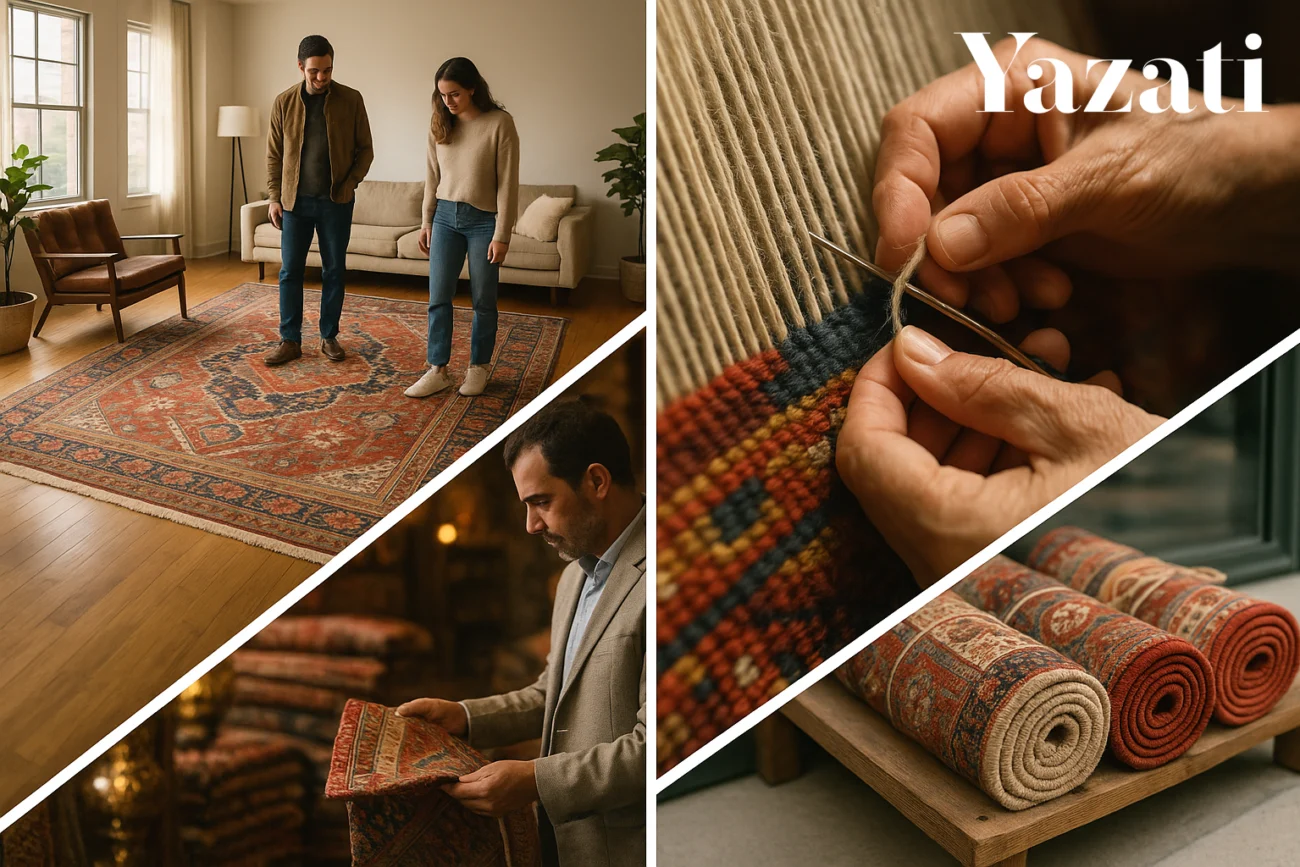
The story of how Indian rugs are capturing the US and Middle East markets is one of tradition meeting opportunity. Once confined to royal courts and Indian households, these beautifully woven masterpieces are now gracing luxury homes, hotels, and offices worldwide. With the global shift toward sustainable and handmade décor, Indian rugs have emerged as both a symbol of art and authenticity.
According to the Carpet Export Promotion Council (CEPC), India accounts for nearly 40% of the world’s handmade carpet exports, making it the largest producer and exporter of hand-knotted rugs. The surge in appreciation for craftsmanship, durability, and design diversity has positioned Indian rugs as global favorites — especially in the United States and Middle Eastern markets.
The Rich Heritage of Indian Rug Weaving
A Brief History of Indian Carpet Making
The roots of India’s rug-making tradition date back to the Mughal Empire in the 16th century, when Persian artisans brought their techniques to India. Over time, Indian weavers infused local artistry into these designs, creating carpets that combined Persian precision with Indian creativity. Cities like Agra, Jaipur, and Kashmir became iconic centers for exquisite carpet craftsmanship.
Today, this heritage continues with modern touches — blending ancient motifs with global trends. Each rug tells a story of region, culture, and dedication passed down through generations.
Regional Rug Hubs: Jaipur, Bhadohi, Mirzapur, and Kashmir
India’s rug-making map is dotted with specialized regions:
- Bhadohi (Uttar Pradesh) – Known as the “Carpet City of India,” it’s the largest hand-knotted rug-producing area.
- Jaipur (Rajasthan) – Famous for bold geometric and floral patterns inspired by royal Rajasthani aesthetics.
- Kashmir – Renowned for silk carpets with intricate designs and exceptional sheen.
- Mirzapur and Panipat – Emerging hubs for flatweaves and modern designs for export.
These regions not only preserve ancient techniques but also serve as employment engines for rural artisans, supporting over two million workers directly and indirectly.
Artistry & Authenticity: What Makes Indian Rugs Unique
Materials and Techniques That Define Quality
Indian rugs stand apart for their use of natural fibers like wool, silk, cotton, and jute. Artisans often hand-spin the yarns and use vegetable-based dyes, ensuring longevity and color vibrancy. The time-honored hand-knotting technique — sometimes taking months per rug — adds durability unmatched by machine-made alternatives.
Modern Designs with Traditional Roots
Contemporary Indian rug manufacturers are embracing fusion aesthetics. Think minimal Scandinavian designs, boho-chic layouts, or geometric modern art — yet all woven using centuries-old Indian techniques. This balance between heritage and modernity appeals to Western and Middle Eastern buyers who value both artistry and adaptability.
The Rising Demand for Indian Rugs in the US Market
US Consumer Preferences and Lifestyle Trends
American buyers have developed a strong appreciation for authentic, sustainable home décor. Indian rugs align perfectly with this mindset — eco-friendly, handwoven, and durable. Moreover, the popularity of bohemian and artisanal interior trends on platforms like Pinterest and Instagram has given Indian rug makers a powerful global stage.
Key Indian Exporters and US Retail Partnerships
Major exporters such as Obeetee, The Rug Republic, and Jaipur Living have established showrooms and distribution networks in the US. Collaborations with brands like Pottery Barn and West Elm have further amplified visibility. The rise of e-commerce platforms like Wayfair and Etsy has allowed Indian artisans to sell directly to American customers — eliminating middlemen and expanding profit margins.
How Indian Rugs Are Winning Over the Middle East
Luxury Hospitality and Real Estate Influence
The Middle East, especially countries like UAE, Qatar, and Saudi Arabia, has witnessed an architectural and luxury boom. Hotels, palaces, and corporate buildings are increasingly sourcing custom Indian rugs for their interiors. These pieces add both sophistication and warmth to opulent spaces.
Cultural Affinity and Craftsmanship Appreciation
Cultural ties between India and the Middle East date back centuries. The shared appreciation for intricate designs, vivid colors, and handcrafted quality creates a natural synergy. Indian rugs seamlessly complement traditional Middle Eastern décor — making them a preferred choice in elite households and royal estates.
Trade and Export Data: The Growth Story in Numbers
India’s Carpet Export Value and Top Destinations
India’s dominance in the global carpet market is backed by impressive export figures. According to the Carpet Export Promotion Council (CEPC), India exported rugs and carpets worth over USD 1.8 billion in 2025, a steady increase from the previous year. The United States remains the largest importer, accounting for nearly 45% of India’s total carpet exports, followed closely by Saudi Arabia, UAE, and Qatar.
| Year | Total Carpet Exports (USD Million) | Top Importers |
| 2022 | 1,350 | USA, UAE, Germany |
| 2023 | 1,520 | USA, Saudi Arabia, UK |
| 2024 | 1,700 | USA, UAE, Qatar |
| 2025 | 1,810 | USA, UAE, Saudi Arabia |
This growth reflects not just demand but also India’s adaptability — blending tradition with innovation while staying cost-competitive.
Post-Pandemic Recovery and E-commerce Expansion
The post-pandemic world saw a boom in home décor spending, as people invested more in their living spaces. E-commerce platforms like Amazon Handmade, Etsy, and Wayfair gave Indian artisans direct access to international consumers.
Exporters also began using digital showrooms, 3D rug previews, and virtual trade fairs — bridging gaps caused by travel restrictions. The Make in India and Atmanirbhar Bharat initiatives further strengthened local manufacturing and branding, helping Indian rug makers establish global credibility.
Government Initiatives and Industry Support
Role of Carpet Export Promotion Council (CEPC)
The CEPC, under India’s Ministry of Textiles, plays a vital role in promoting rug exports. It organizes global exhibitions such as the India Carpet Expo, which attracts buyers from over 60 countries. The council also provides market intelligence, export data, and training programs to artisans and exporters.
Through bilateral trade pacts and free trade agreements (FTAs), CEPC has ensured smoother trade channels, particularly with the US and GCC nations.
Skill Development and Sustainability Drives
The Indian government has introduced multiple initiatives to strengthen the rug sector:
- Cluster Development Programs in Bhadohi, Mirzapur, and Jaipur.
- Skill India Mission workshops to train new generations of weavers.
- Sustainability programs promoting organic dyes and eco-friendly materials.
- Financial support under the Export Promotion Capital Goods (EPCG) scheme to help exporters modernize production facilities.
These initiatives ensure that Indian rugs are not only artistically superior but also meet global environmental and ethical standards.
Challenges in Competing Globally
Despite its strengths, India faces several challenges in the international rug trade:
- Price Competition – Countries like Turkey, China, and Iran produce cheaper, machine-made rugs, creating pricing pressure on Indian exporters.
- Counterfeiting and Copy Designs – Fake “Indian-style” rugs from other regions dilute brand authenticity.
- Logistical Delays – Port congestion and rising freight costs sometimes affect delivery timelines.
- Artisan Retention – Younger generations are moving away from traditional crafts due to lack of incentives and awareness.
However, government-backed awareness campaigns and industry collaborations are slowly reversing these issues, ensuring the sustainability of India’s handwoven legacy.
Future Trends: What Lies Ahead for Indian Rugs
Smart Rugs and Sustainable Materials
The next wave of innovation is merging technology with tradition. Smart textiles embedded with sensors for temperature control or anti-dust properties are being researched by Indian textile institutes. Meanwhile, the shift toward eco-friendly materials — such as bamboo silk, hemp, and recycled fibers — is aligning the industry with global green trends.
Designer Collaborations and Customization Boom
Customization is driving the rug market’s evolution. International interior designers now collaborate directly with Indian manufacturers for bespoke rug collections. Brands like Obeetee and Jaipur Living are producing limited-edition, artist-signed pieces for luxury hotels and private collectors in Dubai, New York, and Los Angeles.
This trend reflects the rise of personalized luxury — where every rug tells a story and connects emotionally with its owner.
FAQs on Indian Rugs in Global Markets
1. Why are Indian rugs so popular in the US and Middle East?
Indian rugs are prized for their handcrafted quality, cultural designs, and sustainability. Their ability to blend with both Western and Middle Eastern interiors makes them highly versatile.
2. Are all Indian rugs handmade?
Not all, but most premium exports are hand-knotted or hand-tufted. Machine-made rugs exist, but the handmade segment dominates in export value.
3. What materials are most commonly used in Indian rugs?
Indian rugs are made from wool, silk, cotton, jute, and bamboo silk, with natural dyes that enhance their eco-friendliness.
4. How are Indian rug artisans supported by the government?
Through the CEPC, Skill India, and Make in India programs, artisans receive training, funding, and export opportunities to preserve traditional weaving techniques.
5. Which cities in India are most famous for rugs?
The leading rug hubs are Bhadohi, Jaipur, Mirzapur, Kashmir, and Panipat, each known for its unique style and weaving method.
6. How can international buyers purchase authentic Indian rugs?
Buyers can source from certified exporters via platforms like IndiaMART, TradeIndia, or through the India Carpet Expo organized by CEPC. Many exporters also have online stores catering directly to US and Gulf buyers.
Conclusion: The Timeless Charm of Indian Craftsmanship
The journey of how Indian rugs are capturing the US & Middle East markets is a testament to India’s enduring artistry and global vision. From humble looms in Bhadohi to luxury suites in Dubai, Indian rugs have crossed cultural and economic borders with grace.
Their success lies in an unwavering commitment to quality, authenticity, and innovation. As consumers increasingly value handmade and sustainable products, the future of Indian rugs looks brighter than ever — a perfect blend of art, ethics, and global appeal.
For anyone investing in décor that tells a story, Indian rugs remain a timeless choice — weaving together history, culture, and craftsmanship in every thread.
✨ Discover Global Sourcing Excellence with Netyex ✨
Netyex is your trusted B2B sourcing partner, connecting international buyers with India’s finest manufacturers and curated product lines—from handicrafts and home décor to kitchenware, textiles, hospitality essentials, and more. With verified suppliers and end-to-end support, we make global procurement seamless, reliable, and efficient.
👉 Elevate your sourcing experience—explore Netyex today.
📦 Bulk orders & customisation | 🌍 Worldwide delivery | 🤝 Trusted by global buyers
Visit Netyex to source premium Indian products with confidence.