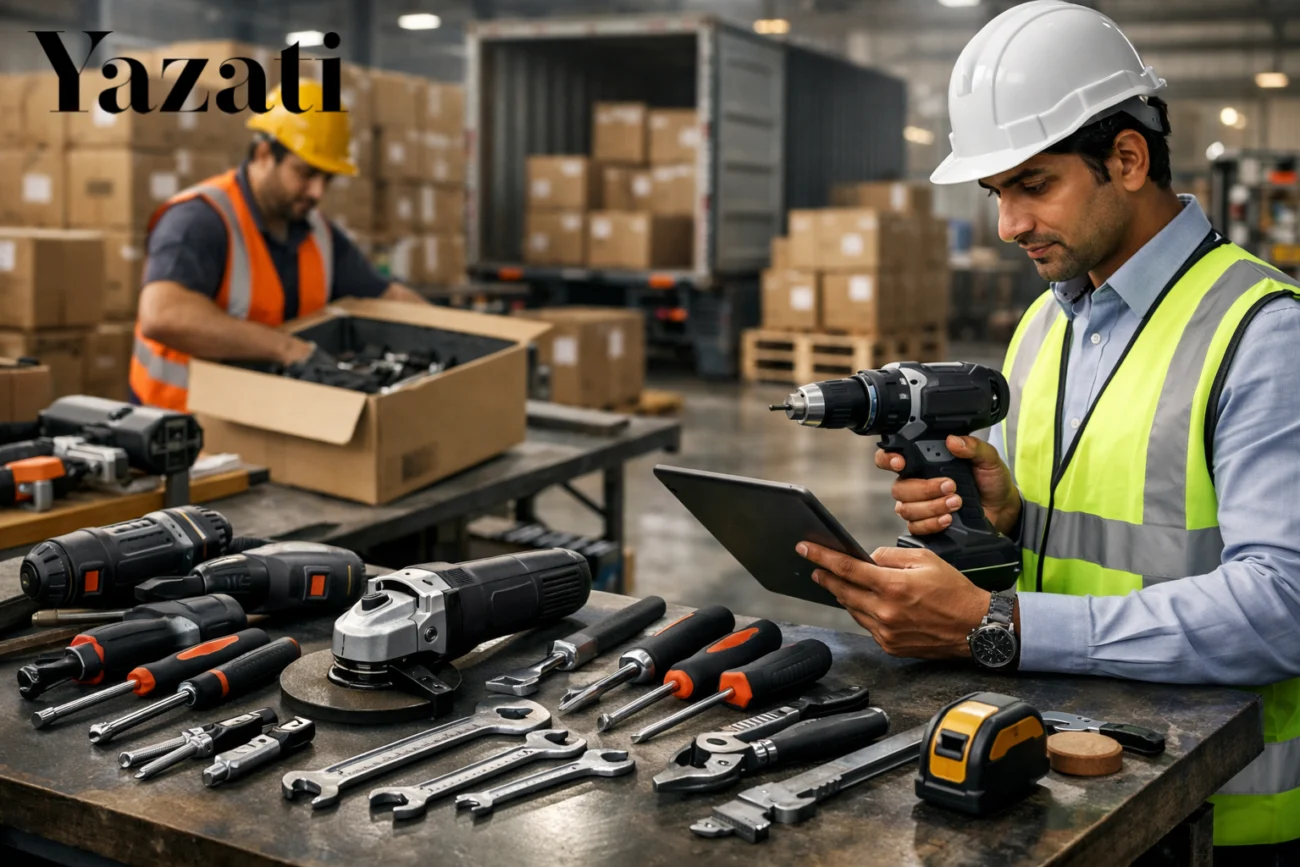
Introduction to Importing Tools from India
Importing tools can be a highly profitable business, especially when sourcing from India. If you are wondering how to import power tools and hand tools from India, you’re in the right place. India has become one of the leading exporters of high-quality tools at competitive prices, making it an attractive destination for global buyers.
In recent years, businesses across the world have started sourcing tools from India due to its cost-effectiveness, skilled labor, and expanding manufacturing capabilities. Whether you are a retailer, wholesaler, or entrepreneur, importing tools can help you build a scalable and sustainable business.
The process may seem complex at first, but with the right steps and guidance, it becomes manageable. From supplier selection to shipping and compliance, every stage plays a vital role in your success.
Why Choose India for Tool Imports
India stands out as a strong player in the global tools market. Here’s why:
- Cost Advantage: Manufacturing costs are lower compared to many countries.
- Skilled Workforce: Indian manufacturers are known for precision and craftsmanship.
- Wide Product Range: From basic hand tools to advanced power tools.
- Export Experience: Many Indian companies already export globally.
Overview of the Indian Tool Manufacturing Industry
India’s tool industry is centered in regions like Punjab, Maharashtra, and Gujarat. These areas host thousands of manufacturers producing tools that meet international standards. Many companies are ISO-certified and comply with global safety norms.
Types of Power Tools and Hand Tools Available
Understanding product categories is crucial when learning how to import power tools and hand tools from India.
Common Power Tools Exported
- Electric drills
- Angle grinders
- Circular saws
- Power sanders
- Impact wrenches
Popular Hand Tools Exported
- Hammers
- Screwdrivers
- Pliers
- Wrenches
- Measuring tools
India offers both branded and OEM (private label) manufacturing options, giving importers flexibility.
Market Research Before Importing
Before placing any order, research is key.
Identifying Target Market Demand
Ask yourself:
- What tools are in demand in your country?
- Are you targeting DIY users or professionals?
- What price range works best?
Use online marketplaces and local surveys to gather insights.
Competitor Analysis and Pricing Strategy
Study competitors:
- What products are they selling?
- At what price?
- What features do they highlight?
This helps you position your products effectively.
Legal Requirements for Importing Tools
Understanding regulations is essential.
Import Licenses and Permits
Depending on your country, you may need:
- Import-export license
- Business registration
- Tax identification number
Customs Duties and Regulations
Each country has its own tariff structure. Tools may attract:
- Import duty
- VAT/GST
- Handling charges
Always check your country’s customs website.
Finding Reliable Suppliers in India
Choosing the right supplier is critical.
Online B2B Platforms
Popular platforms include:
- IndiaMART
- TradeIndia
- Alibaba
These platforms allow you to compare suppliers and read reviews.
Trade Shows and Direct Manufacturers
Visiting trade fairs in India gives you:
- Direct access to manufacturers
- Better negotiation opportunities
- First-hand product inspection
Evaluating Supplier Credibility
Not all suppliers are equal.
Certifications and Quality Standards
Look for:
- ISO certification
- CE marking
- RoHS compliance
These ensure product quality and safety.
Sample Testing and Factory Audits
Always:
- Request product samples
- Conduct factory audits (or hire inspection agencies)
This reduces risks significantly.
Negotiating Pricing and Contracts
Negotiation can impact your profit margins.
MOQ (Minimum Order Quantity)
Suppliers often have MOQ requirements. Try to:
- Negotiate lower MOQ for first orders
- Increase quantity gradually
Payment Terms and Methods
Common payment methods:
- Bank transfer (TT)
- Letter of Credit (LC)
- PayPal (for small orders)
Avoid paying 100% upfront.
Product Quality and Compliance
Quality determines your reputation.
International Safety Standards
Ensure tools meet:
- Electrical safety standards
- Durability requirements
- Performance benchmarks
Packaging and Labeling Requirements
Your products should include:
- Clear labeling
- Safety instructions
- Branding
Good packaging also reduces damage during transit.
Shipping and Logistics Planning
Logistics is a major part of importing.
Air Freight vs Sea Freight
| Method | Pros | Cons |
|---|---|---|
| Air Freight | Fast delivery | Expensive |
| Sea Freight | Cost-effective | Slower |
Choose based on urgency and budget.
Choosing Freight Forwarders
A reliable freight forwarder helps with:
- Documentation
- Shipping coordination
- Customs clearance
Customs Clearance Process
Smooth clearance avoids delays.
Required Documentation
- Commercial invoice
- Packing list
- Bill of lading
- Certificate of origin
Import Duties and Taxes
Calculate all duties in advance to avoid surprises.
Cost Breakdown and Profit Calculation
Understanding costs ensures profitability.
Hidden Costs to Consider
- Shipping fees
- Customs duties
- Storage charges
- Inspection fees
Pricing for Profitability
Set your price by considering:
- Total landed cost
- Desired profit margin
- Market competition
Risk Management in Importing
Every business has risks.
Common Risks and How to Avoid Them
- Poor quality → Inspect before shipping
- Delays → Work with reliable partners
- Payment fraud → Use secure payment methods
Insurance and Protection
Always insure your shipment against:
- Damage
- Loss
- Theft
Building Long-Term Supplier Relationships
Strong relationships lead to better deals.
Communication Strategies
- Maintain regular contact
- Be clear about expectations
- Use written agreements
Repeat Orders and Scaling
As trust grows:
- Increase order size
- Negotiate better prices
- Expand product range
Marketing Imported Tools
After importing, selling is the next step.
Online Sales Channels
- E-commerce websites
- Social media platforms
- Online marketplaces
Wholesale and Distribution
You can also:
- Supply to local retailers
- Partner with distributors
- Build your own brand
FAQs
1. Is importing tools from India profitable?
Yes, due to low manufacturing costs and high global demand.
2. What is the minimum investment required?
It varies, but small imports can start with a few thousand dollars.
3. How long does shipping take?
Sea freight takes 3–6 weeks, while air freight takes 5–10 days.
4. Do I need to visit India to find suppliers?
Not necessarily, but it helps build trust and verify quality.
5. How do I ensure product quality?
Request samples and conduct inspections before shipment.
6. What are the biggest risks?
Quality issues, shipping delays, and payment fraud.
Conclusion
Learning how to import power tools and hand tools from India can open doors to a highly profitable business opportunity. With the right planning, reliable suppliers, and a clear understanding of logistics and regulations, you can build a successful import venture.
India offers a strong combination of affordability, quality, and variety, making it one of the best sourcing destinations globally. By following the steps outlined in this guide, you can minimize risks and maximize profits.
Start small, stay consistent, and scale your business as you gain experience. Success in importing doesn’t happen overnight—but with patience and smart decisions, it’s absolutely achievable.
✨ Discover Global Sourcing Excellence with Netyex ✨
Netyex is your trusted B2B sourcing partner, connecting international buyers with India’s finest manufacturers and curated product lines—from handicrafts and home décor to kitchenware, textiles, hospitality essentials, and more. With verified suppliers and end-to-end support, we make global procurement seamless, reliable, and efficient.
👉 Elevate your sourcing experience—explore Netyex today.
📦 Bulk orders & customisation | 🌍 Worldwide delivery | 🤝 Trusted by global buyers
Visit Netyex to source premium Indian products with confidence.