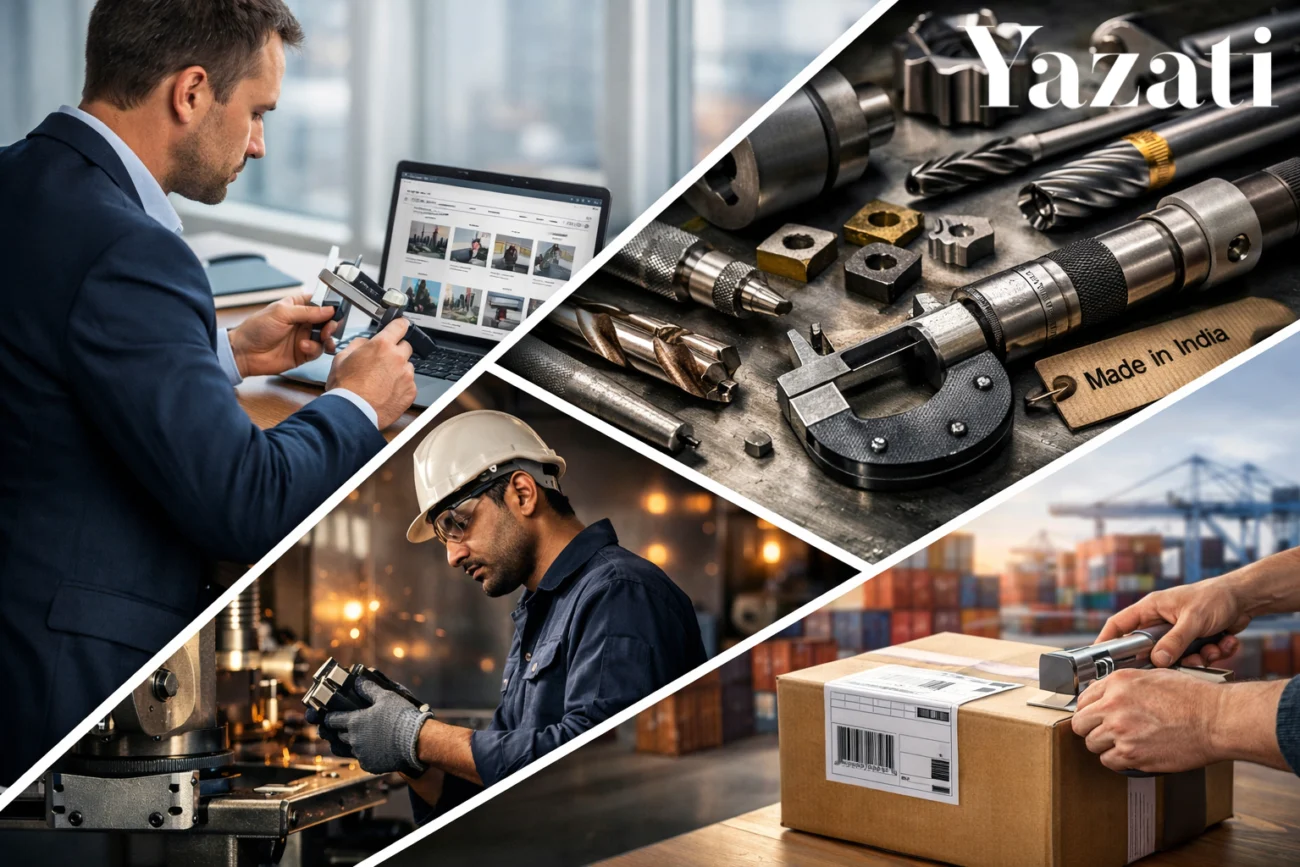
Introduction to How to Source Industrial Tools from India at Competitive Prices
Understanding How to Source Industrial Tools from India at Competitive Prices is essential for global distributors, construction companies, and industrial buyers seeking both quality and cost efficiency. India has become a preferred sourcing destination for industrial tools due to its skilled workforce, advanced manufacturing capabilities, and competitive pricing structure.
However, achieving truly competitive pricing requires more than simply requesting quotes. Buyers must evaluate suppliers carefully, negotiate strategically, manage logistics efficiently, and ensure quality standards are met. This comprehensive guide provides practical strategies to help importers optimize their sourcing process.
Why India Is a Strong Sourcing Destination
India’s industrial growth has strengthened its global export position. The country offers:
- Cost-effective labor
- Strong engineering expertise
- Modern manufacturing facilities
- Export-focused infrastructure
- Government support for manufacturing
These advantages contribute to competitive pricing without sacrificing quality.
Growing Global Demand for Industrial Tools
Global industries—including construction, automotive, manufacturing, and energy—depend on durable industrial tools. As infrastructure development increases worldwide, the need for reliable tools continues to grow.
Importers seek suppliers capable of delivering:
- Consistent quality
- Competitive rates
- Scalable production
- Reliable lead times
India’s manufacturing ecosystem supports these requirements.
Understanding the Indian Industrial Tool Market
Major Categories of Industrial Tools Exported
India exports a wide range of industrial tools, including:
- Cutting tools
- Measuring instruments
- Hand tools
- Precision tools
- Power tool accessories
Diverse production capabilities allow buyers to source multiple categories from one country.
Key Manufacturing Clusters in India
Industrial clusters specialize in tool manufacturing, offering:
- Concentrated supplier networks
- Skilled labor pools
- Efficient supply chains
Cluster specialization enhances efficiency and pricing competitiveness.
Identifying Reliable Suppliers
Using B2B Platforms and Trade Networks
Importers can find suppliers through:
- Online B2B marketplaces
- Export promotion councils
- Industry associations
Shortlist suppliers with proven export experience.
Attending Trade Fairs and Industry Events
Trade events provide opportunities to:
- Evaluate products firsthand
- Discuss specifications directly
- Build stronger business relationships
Personal interaction often improves negotiation outcomes.
Conducting Supplier Verification and Due Diligence
Checking Certifications and Registrations
Verify:
- Business registration
- Export license
- Quality certifications
- Compliance documentation
Proper verification reduces risk.
Evaluating Production Capacity and Infrastructure
Assess whether the supplier can meet volume requirements consistently. Check factory size, machinery, and workforce capability.
Comparing Quotations Effectively
Understanding Cost Breakdown
A competitive quote should clearly specify:
- Unit cost
- Tooling charges (if any)
- Packaging cost
- Shipping terms
- Taxes
Transparent breakdowns prevent hidden costs.
Evaluating Value vs Price
The lowest price does not always equal best value. Consider durability, certification, and supplier reliability.
Negotiating Competitive Pricing
Leveraging Bulk Orders for Discounts
Higher order volumes often secure better pricing. Discuss long-term contracts for additional benefits.
Discussing Long-Term Partnership Benefits
Suppliers are more flexible when they anticipate ongoing business relationships.
Managing Minimum Order Quantities (MOQ)
Strategies for Reducing MOQ Risks
Negotiate flexible MOQs during initial orders to test product quality.
Consolidating Orders Across Product Lines
Combine different product categories to meet MOQs while maintaining manageable inventory levels.
Ensuring Quality Without Increasing Cost
Pre-Production Sample Evaluation
Request samples to evaluate performance before placing bulk orders.
Third-Party Inspection Services
Independent inspections verify compliance without requiring expensive in-house checks.
Optimizing Logistics and Shipping Costs
Choosing the Right Freight Method
- Sea freight is cost-effective for bulk orders.
- Air freight is suitable for urgent shipments.
Evaluate urgency versus cost.
Container Consolidation Strategies
Combining products into full containers reduces per-unit shipping costs.
Understanding Payment Terms and Currency Risks
Secure Payment Methods
Common methods include:
- Letter of credit
- Partial advance with balance upon shipment
- Secure bank transfers
Choose terms that balance trust and risk.
Managing Exchange Rate Fluctuations
Currency fluctuations affect pricing. Negotiate fixed-rate contracts when possible.
Import Duties and Landed Cost Calculation
Understanding HS Codes
Correct classification ensures accurate duty calculation and avoids penalties.
Calculating Total Cost of Ownership
Landed cost includes:
- Product price
- Freight
- Insurance
- Duties
- Local transport
Accurate calculations ensure profitability.
Risk Management in Industrial Tool Sourcing
Avoiding Fraudulent Suppliers
Verify supplier credentials carefully. Avoid unusually low offers that seem unrealistic.
Contractual Safeguards
Use written agreements outlining:
- Product specifications
- Delivery timelines
- Quality standards
- Payment terms
Clear contracts minimize disputes.
Building Long-Term Supplier Relationships
Consistent Communication
Maintain regular updates regarding forecasts and order schedules.
Performance Monitoring and Feedback
Evaluate supplier performance and provide feedback for continuous improvement.
FAQs on How to Source Industrial Tools from India at Competitive Prices
1. Is India reliable for industrial tool sourcing?
Yes, with proper verification and quality checks.
2. How can buyers secure competitive pricing?
Through bulk orders, negotiation, and long-term partnerships.
3. What is the most cost-effective shipping method?
Sea freight for large orders is usually most economical.
4. How can quality be ensured without high costs?
Through pre-production samples and third-party inspections.
5. Are private label options available?
Yes, many suppliers offer OEM services.
6. What is the biggest cost risk in sourcing?
Unexpected duties or shipping delays, which can be minimized with planning.
Conclusion: Achieving Cost Efficiency Through Smart Sourcing from India
Mastering How to Source Industrial Tools from India at Competitive Prices requires strategic planning, careful supplier selection, effective negotiation, and efficient logistics management. India offers a strong combination of cost competitiveness, technical expertise, and manufacturing capacity, making it a valuable sourcing destination.
By conducting thorough due diligence, optimizing shipping strategies, and building long-term supplier relationships, importers can secure high-quality industrial tools at competitive prices while maintaining consistent supply chains.
Smart sourcing decisions today lead to sustainable profitability tomorrow.
✨ Discover Global Sourcing Excellence with Netyex ✨
Netyex is your trusted B2B sourcing partner, connecting international buyers with India’s finest manufacturers and curated product lines—from handicrafts and home décor to kitchenware, textiles, hospitality essentials, and more. With verified suppliers and end-to-end support, we make global procurement seamless, reliable, and efficient.
👉 Elevate your sourcing experience—explore Netyex today.
📦 Bulk orders & customisation | 🌍 Worldwide delivery | 🤝 Trusted by global buyers
Visit Netyex to source premium Indian products with confidence.