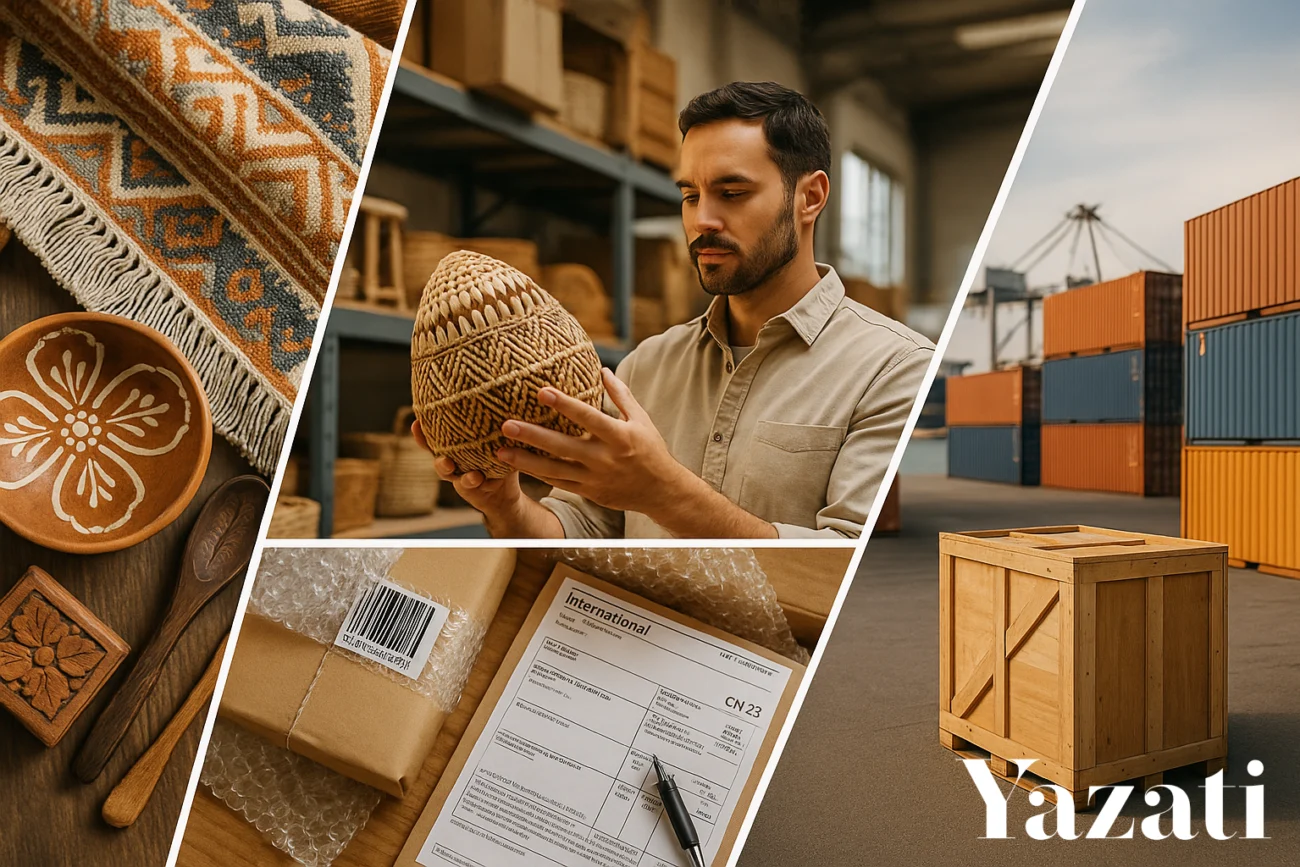
Introduction: Why a Global Handicraft Import Business is a Profitable Venture
Starting a global handicraft import business is one of the most rewarding ventures for entrepreneurs passionate about culture, creativity, and sustainable trade. Handicrafts reflect the heritage and artistry of communities across the world — from Indian textiles and African beadwork to Latin American pottery and Southeast Asian bamboo crafts. With the rise of e-commerce, ethical consumerism, and global logistics networks, it has never been easier to import and sell handcrafted goods worldwide.
This business not only supports artisans in developing countries but also allows you to build a profitable, purpose-driven brand that connects culture with commerce. In this guide, we’ll walk you through every step — from researching the market to building a strong brand and scaling globally.
Understanding the Global Handicraft Market
The Growing Demand for Handmade and Ethical Products
Today’s consumers are moving away from mass-produced items and looking for authentic, sustainable, and handmade products. According to global trade data, the handicraft industry is valued at over $1 trillion, with consistent annual growth driven by online platforms like Etsy, Amazon Handmade, and Shopify.
Key Importing Regions and Popular Craft Categories
North America, Europe, and Japan are the largest importers of handmade goods. Popular categories include home décor, jewelry, textiles, stationery, and eco-friendly accessories. Artisans from India, Indonesia, Kenya, and Mexico remain top suppliers due to their rich cultural diversity and craftsmanship.
Cultural Significance and Consumer Trends
Consumers are not just buying crafts — they’re buying stories. They value authenticity and connection. Highlighting the artisan’s background, the cultural heritage, and the sustainability of each product enhances perceived value and brand loyalty.
Step 1: Conduct Market Research and Feasibility Analysis
Before you dive in, conduct in-depth market research to understand demand, competition, and customer preferences.
Identifying Target Markets and Buyer Personas
Start by defining who your customers are — boutique owners, interior designers, or retail consumers. Understanding demographics and purchase motivations helps tailor your offerings effectively.
Analyzing Competitors and Pricing Structures
Study existing importers and e-commerce stores. Analyze their product range, pricing, and marketing. Identify gaps in quality, uniqueness, or sustainability that you can fill.
Assessing Product Demand and Supply Chain Viability
Look at seasonal trends and supply availability. For example, Christmas ornaments or summer woven bags have seasonal spikes. Ensure your suppliers can meet your volume and quality requirements.
Step 2: Choose Your Handicraft Niche and Sourcing Regions
Popular Handicraft Niches to Consider
Focus on a niche such as:
- Handmade jewelry and accessories
- Eco-friendly home décor
- Textile and embroidery crafts
- Recycled and upcycled crafts
- Wooden and bamboo artifacts
Best Countries to Source Handmade Products
- India: Textiles, pottery, woodwork
- Indonesia: Batik, bamboo, and rattan products
- Morocco: Ceramics and leather goods
- Kenya: Beadwork and carved sculptures
- Peru: Alpaca wool and woven textiles
Choosing the right sourcing region ensures cultural authenticity and reliable quality.
Step 3: Establish a Legal and Business Framework
Registering Your Business and Obtaining Import Licenses
Register your import business legally in your country and acquire an import-export code (IEC) or relevant licenses. Consult your local trade authority for compliance.
Understanding Customs Regulations and Tariff Codes
Every country has different import tariffs. Check the Harmonized System (HS) codes for handicrafts to calculate taxes and duties accurately.
Essential Documentation for Handicraft Imports
Prepare documents like the Bill of Lading, Certificate of Origin, and Commercial Invoice. Ensuring proper documentation avoids customs delays.
Step 4: Find Reliable Handicraft Suppliers and Artisans
Building trust and establishing relationships with reliable suppliers is the foundation of a sustainable handicraft import business.
How to Build Trust with Local Artisans
Many artisans live in rural or small-town areas, where face-to-face communication matters. If possible, visit their workshops to understand their techniques, materials, and working conditions. Transparency builds long-term loyalty and ensures product authenticity.
Negotiating Fair Trade Prices and Ethical Partnerships
Adopt fair trade principles by ensuring artisans are paid fairly for their craftsmanship. Remember, your reputation depends on ethical sourcing. Clear contracts and fair pricing structures protect both you and your artisans from misunderstandings.
Using Trade Fairs, Online Marketplaces, and B2B Platforms
Attend global trade fairs like Ambiente (Germany), IHGF Delhi Fair (India), or Maison & Objet (France). Online B2B platforms such as Alibaba, IndiaMART, and Global Sources are also great starting points for discovering artisan producers and wholesalers.
Step 5: Create an Efficient Logistics and Shipping Plan
Logistics can make or break your import business. Proper handling, packaging, and documentation are crucial for smooth delivery.
Choosing Between Air Freight, Sea Freight, and Courier Services
- Air Freight: Best for small, high-value, or fragile products that need quick delivery.
- Sea Freight: Cost-effective for bulk orders and large shipments.
- Courier Services: Ideal for smaller sample orders or one-off items.
Managing Inventory, Packaging, and Insurance
Use durable and eco-friendly packaging to protect fragile handicrafts. Keep a digital inventory management system to track shipments, orders, and returns efficiently. Always insure your shipments to avoid financial losses due to damage or theft.
Ensuring Compliance with International Trade Laws
Every importing country has product safety and labeling standards. For instance, wooden or organic items may require fumigation or certification. Always stay updated with your country’s customs regulations.
Step 6: Build an Online and Offline Sales Strategy
To thrive globally, blend digital marketing with traditional retail networks.
Creating an E-Commerce Website for Handicrafts
Develop a visually appealing e-commerce site using platforms like Shopify, WooCommerce, or Wix. Use high-quality images, detailed product descriptions, and storytelling to highlight artisans and cultural significance.
Partnering with Retail Stores and Boutiques
Collaborate with local retailers, interior designers, and concept stores. Offering wholesale pricing or consignment deals helps expand your physical presence without huge upfront costs.
Leveraging Social Media and Influencer Marketing
Platforms like Instagram, Pinterest, and TikTok are perfect for visual storytelling. Partner with ethical fashion influencers to build credibility and increase brand reach.
Step 7: Branding and Marketing Your Handicraft Import Business
Developing a Unique Brand Story
Your brand should evoke emotion and connection. Focus on your mission—empowering artisans, preserving traditions, and promoting sustainability. A strong story differentiates you in a competitive market.
Content Marketing and SEO for Handicraft Businesses
Write blog posts about artisan journeys, cultural symbolism, and behind-the-scenes stories. Optimize your website using SEO keywords like handmade home décor, fair trade crafts, and ethical gifts to attract organic traffic.
Participating in Cultural Events and Trade Shows
Showcasing your collection at art fairs, cultural exhibitions, and holiday markets builds brand awareness and credibility. Direct feedback from customers also helps you refine product offerings.
Step 8: Financial Planning and Funding Options
Estimating Startup and Operational Costs
Your initial costs may include:
- Business registration and licensing
- Supplier sourcing trips
- Product samples and shipping
- Website and marketing setup
- Inventory storage and insurance
Average startup costs range between $10,000 and $50,000, depending on your scale.
Funding Sources and Investment Opportunities
You can fund your venture through personal savings, small business loans, angel investors, or crowdfunding platforms like Kickstarter. Government trade grants are also available for fair trade and sustainable import projects.
Managing Cash Flow and Profit Margins
Keep detailed records of payments, duties, and logistics expenses. Use accounting software to monitor profit margins and prevent cash shortages. A good rule of thumb: maintain at least six months of operating capital.
Step 9: Sustainability and Ethical Sourcing Practices
Promoting Eco-Friendly and Fair-Trade Practices
Consumers increasingly favor brands that care about the planet. Use recyclable packaging, promote eco-conscious materials, and ensure artisans work under fair labor conditions.
Building Long-Term Relationships with Artisan Communities
Instead of changing suppliers frequently, nurture partnerships. Long-term collaborations ensure product consistency and empower artisans economically and socially.
Step 10: Scaling and Expanding Globally
Once your business is stable, consider global expansion strategies to boost profits.
Exploring New Markets and Product Lines
Explore regions like Scandinavia, the Middle East, or Australia, where appreciation for handmade goods is rising. You can also diversify into related areas like handcrafted furniture or artisan textiles.
Collaborating with Designers and Export Houses
Partnering with international designers helps modernize traditional crafts while maintaining cultural authenticity. Export houses can streamline logistics and distribution for bulk orders.
Common Challenges in the Handicraft Import Business
Dealing with Customs Delays and Quality Issues
Handcrafted products can vary in size and quality. To minimize issues, implement strict quality control and maintain good communication with suppliers.
Handling Currency Fluctuations and Payment Risks
Currency fluctuations can impact profit margins. Use forward contracts or multi-currency accounts to reduce financial risk. Always request a partial advance payment to protect against losses.
FAQs: How to Start a Global Handicraft Import Business
1. How much capital do I need to start a handicraft import business?
You can start small with around $10,000, focusing on niche products. As your business grows, you can expand your investment to scale operations.
2. Do I need an import license to import handicrafts?
Yes. Most countries require an import-export license or business registration before you begin trading internationally.
3. Where can I find authentic handicraft suppliers?
You can find artisans through trade fairs, online B2B marketplaces, or artisan cooperatives. Platforms like IndiaMART and Global Sources are excellent for wholesale connections.
4. What are the most profitable handicraft products to import?
Items like handmade jewelry, home décor, eco-friendly gifts, and woven textiles are in high demand and offer good margins.
5. How can I ensure my business is sustainable?
Choose fair-trade certified suppliers, use eco-friendly packaging, and support artisan welfare programs to ensure long-term sustainability.
6. Is selling online better than offline?
Both have value. Online sales reach a global audience, while offline partnerships help build credibility and brand recognition.
Conclusion: Turning Creativity into a Global Enterprise
Starting a global handicraft import business is more than just a commercial venture—it’s a bridge between art, culture, and global trade. With careful planning, ethical sourcing, and smart marketing, you can transform your passion for handmade crafts into a thriving international brand.
Remember, success in this industry comes from authenticity, trust, and persistence. Every product you sell carries a story — and that’s what makes your business truly special. 🌍✨
✨ Discover Global Sourcing Excellence with Netyex ✨
Netyex is your trusted B2B sourcing partner, connecting international buyers with India’s finest manufacturers and curated product lines—from handicrafts and home décor to kitchenware, textiles, hospitality essentials, and more. With verified suppliers and end-to-end support, we make global procurement seamless, reliable, and efficient.
👉 Elevate your sourcing experience—explore Netyex today.
📦 Bulk orders & customisation | 🌍 Worldwide delivery | 🤝 Trusted by global buyers
Visit Netyex to source premium Indian products with confidence.