Introduction
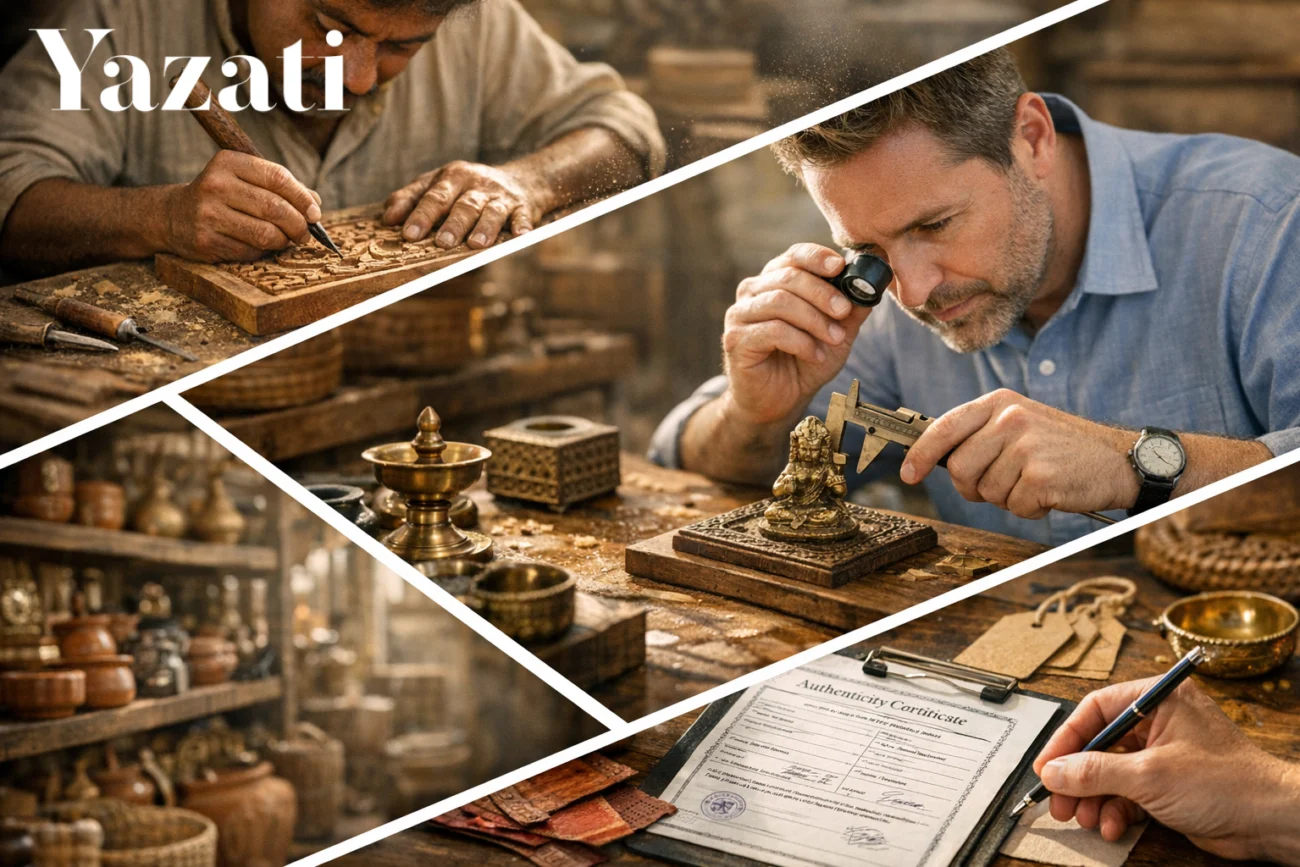
India is one of the world’s richest hubs of handmade crafts and traditional artistry. From intricate handwoven textiles to carved wooden décor, Indian artisans produce some of the most unique and culturally rich products available in global markets. However, with rising international demand, a challenge has emerged: distinguishing authentic handmade products from factory-made imitations.
For importers, retailers, and wholesalers, understanding How to Validate Artisan Authenticity Before Importing from India is critical. Authenticity not only protects your brand reputation but also ensures that artisans receive fair compensation for their work.
Importing genuine artisan products offers several advantages:
- Higher perceived product value
- Ethical sourcing credibility
- Stronger storytelling for branding
- Unique product differentiation
But verifying authenticity requires more than simply trusting a supplier’s claim. It involves evaluating production processes, artisan communities, certifications, documentation, and product characteristics.
This comprehensive guide explains practical, proven strategies to verify artisan authenticity before importing from India. Whether you are a first-time importer or an experienced buyer expanding into handmade goods, these insights will help you source responsibly and confidently.
Understanding the Importance of Artisan Authenticity
Authenticity in handmade crafts refers to products genuinely created by skilled artisans using traditional techniques rather than mass-produced by machines.
Why Authenticity Matters for Importers
Authentic artisan products bring multiple advantages:
1. Premium Market Position
Consumers increasingly value handmade goods. Authentic products often command higher prices.
2. Cultural Integrity
Traditional crafts represent generations of heritage and skill. Authentic sourcing preserves cultural identity.
3. Ethical Supply Chains
Working directly with artisan communities supports sustainable livelihoods.
4. Brand Differentiation
Authentic products create compelling brand stories that resonate with customers.
Risks of Importing Non-Authentic Crafts
If authenticity is not verified, importers may face:
- Mass-produced replicas sold as handmade
- Quality inconsistencies
- Legal issues related to misrepresentation
- Loss of customer trust
Understanding How to Validate Artisan Authenticity Before Importing from India helps mitigate these risks.
Research Traditional Craft Clusters in India
India has numerous craft clusters where specific artisan skills are concentrated. Identifying these clusters helps verify whether suppliers truly produce authentic goods.
Major Indian Craft Clusters
Some well-known artisan regions include:
| Craft | Region |
|---|---|
| Handwoven silk | Varanasi |
| Blue pottery | Jaipur |
| Pashmina weaving | Kashmir |
| Block printing | Rajasthan |
| Wooden handicrafts | Saharanpur |
| Brassware | Moradabad |
If a supplier claims to sell a specific craft, their operations should usually be linked to the appropriate craft cluster.
Benefits of Working with Craft Clusters
- Access to skilled artisan communities
- Authentic production methods
- Transparent sourcing
- Cultural credibility
Researching these clusters is an essential step in validating authenticity.
Verify Artisan Communities and Workshops
Authentic artisan production usually happens in small workshops or community-based environments rather than large factories.
Key Signs of Genuine Artisan Workshops
Look for suppliers who can provide:
- Photos or videos of artisans working
- Details about artisan groups or cooperatives
- Production process explanations
- Names of artisan communities involved
Questions to Ask Suppliers
To verify authenticity, ask questions such as:
- Who are the artisans producing the products?
- How many artisans are involved?
- What traditional techniques are used?
- How long have these artisans been practicing the craft?
Genuine suppliers are usually proud to showcase their artisans.
Examine Handmade Characteristics in Products
Authentic handmade products often show subtle variations that machine-made goods cannot replicate.
Common Handmade Indicators
Look for these signs:
- Slight variations in pattern or color
- Hand-tool marks
- Natural material inconsistencies
- Minor asymmetry
- Unique finishing details
These imperfections actually confirm authenticity.
Examples of Handmade Features
| Product Type | Authentic Indicators |
|---|---|
| Textiles | Slight pattern irregularities |
| Pottery | Hand-shaped edges |
| Carpets | Knot variations |
| Wood carvings | Hand chisel marks |
Understanding these characteristics helps identify genuine craftsmanship.
Request Production Process Documentation
Professional importers often request documentation to verify artisan production methods.
Useful Documentation
Ask suppliers for:
- Production workflow descriptions
- Artisan training details
- Material sourcing information
- Craft technique explanations
This documentation helps confirm that products are truly handmade.
Why Production Transparency Matters
Transparent suppliers demonstrate:
- Authentic craftsmanship
- Ethical production
- Organized supply chains
Suppliers unwilling to share process details may not be genuine artisan producers.
Check Artisan Certifications and Government Recognition
India has several certifications that indicate authentic handicrafts.
Common Artisan Certifications
Some important certifications include:
- Handloom Mark
- Silk Mark
- Craftmark
- GI (Geographical Indication) tags
These certifications verify that products come from specific traditional crafts.
Benefits of Certified Crafts
Certified products provide:
- Authenticity assurance
- Legal protection
- Cultural verification
- Higher market value
Always verify certificates carefully before relying on them.
Conduct Supplier Background Checks
Before importing, conduct a thorough background check on the supplier.
Key Information to Verify
Important factors include:
- Years in operation
- Export experience
- Client references
- Production capacity
- Business registration
Red Flags to Watch For
Avoid suppliers who:
- Cannot verify their production source
- Refuse to share artisan information
- Provide inconsistent product details
- Offer extremely low prices for handmade goods
Proper due diligence protects your business.
Visit Artisan Workshops or Arrange Virtual Tours
If possible, visiting workshops provides the best authenticity verification.
Benefits of Physical Visits
On-site visits allow importers to:
- Observe production processes
- Meet artisans directly
- Inspect materials
- Evaluate working conditions
Virtual Alternatives
If travel is not possible, request:
- Live video factory tours
- Production demonstrations
- Artisan interviews
Seeing the production process firsthand is one of the most reliable verification methods.
Order Samples Before Bulk Importing
Never place a large order without first evaluating product samples.
What to Evaluate in Samples
Check the following:
- Craftsmanship quality
- Material authenticity
- Finishing consistency
- Packaging standards
Compare Multiple Samples
Authentic handmade goods may show small variations between samples. Identical pieces often indicate machine production.
Sample testing is an essential step in verifying authenticity.
Evaluate Ethical and Fair Trade Practices
Authentic artisan businesses often emphasize ethical sourcing and fair wages.
Indicators of Ethical Artisan Suppliers
Look for suppliers who:
- Work directly with artisan communities
- Provide fair wages
- Support traditional craft preservation
- Maintain safe working conditions
Why Ethical Practices Matter
Ethical sourcing enhances:
- Brand reputation
- Consumer trust
- Long-term supplier relationships
Responsible importing strengthens artisan communities.
Understand Pricing Structures for Handmade Goods
Pricing can reveal a lot about product authenticity.
Typical Handmade Cost Factors
Authentic handmade products include costs for:
- Skilled labor
- Quality materials
- Time-intensive production
- Small-scale manufacturing
Suspicious Pricing Signs
Be cautious if prices seem:
- Extremely low for handmade work
- Too consistent across all items
- Comparable to factory-produced goods
Genuine crafts require time and skill, which is reflected in pricing.
Build Long-Term Relationships with Artisan Suppliers
Strong supplier relationships help ensure ongoing authenticity.
Benefits of Long-Term Partnerships
Working consistently with artisan suppliers allows you to:
- Monitor production practices
- Maintain quality standards
- Develop exclusive designs
- Support artisan communities
Communication is Key
Maintain regular communication about:
- Production timelines
- Artisan involvement
- Quality expectations
- Product customization
Long-term collaboration strengthens trust and authenticity.
Use Third-Party Verification When Needed
For large import orders, third-party verification services can provide additional security.
Common Verification Methods
These may include:
- Factory inspections
- Social compliance audits
- Product authenticity checks
- Quality control inspections
When Third-Party Verification Helps
It is particularly useful when:
- Working with new suppliers
- Importing large quantities
- Entering high-value markets
Professional inspections reduce sourcing risks.
Frequently Asked Questions (FAQs)
1. Why is it important to validate artisan authenticity before importing from India?
Validating authenticity ensures that products are genuinely handmade, ethically sourced, and accurately represented to customers.
2. How can I identify handmade products from machine-made ones?
Handmade products often show slight variations, hand-tool marks, and natural imperfections that indicate manual craftsmanship.
3. Do artisan certifications guarantee authenticity?
Certifications help verify authenticity but should always be supported by supplier verification and production transparency.
4. Is visiting artisan workshops necessary before importing?
While not mandatory, visiting workshops or arranging virtual tours significantly improves authenticity verification.
5. Are handmade Indian crafts more expensive than factory products?
Yes, handmade goods often cost more due to skilled labor, time-intensive techniques, and high-quality materials.
6. What is the safest way to import authentic artisan goods?
The safest approach includes supplier verification, sample testing, documentation review, and maintaining direct relationships with artisan communities.
Conclusion
India’s artisan heritage offers incredible opportunities for importers seeking unique, culturally rich handmade products. However, ensuring authenticity is essential for maintaining product quality, ethical sourcing, and brand credibility.
Understanding How to Validate Artisan Authenticity Before Importing from India requires careful research, supplier verification, sample evaluation, and transparency in the production process. By examining craft clusters, artisan communities, production techniques, certifications, and ethical practices, importers can confidently identify genuine craftsmanship.
Authentic sourcing not only benefits your business but also helps preserve traditional crafts and support artisan livelihoods. When importers take the time to verify authenticity, they contribute to sustainable trade while delivering exceptional products to global markets.
✨ Discover Global Sourcing Excellence with Netyex ✨
Netyex is your trusted B2B sourcing partner, connecting international buyers with India’s finest manufacturers and curated product lines—from handicrafts and home décor to kitchenware, textiles, hospitality essentials, and more. With verified suppliers and end-to-end support, we make global procurement seamless, reliable, and efficient.
👉 Elevate your sourcing experience—explore Netyex today.
📦 Bulk orders & customisation | 🌍 Worldwide delivery | 🤝 Trusted by global buyers
Visit Netyex to source premium Indian products with confidence.