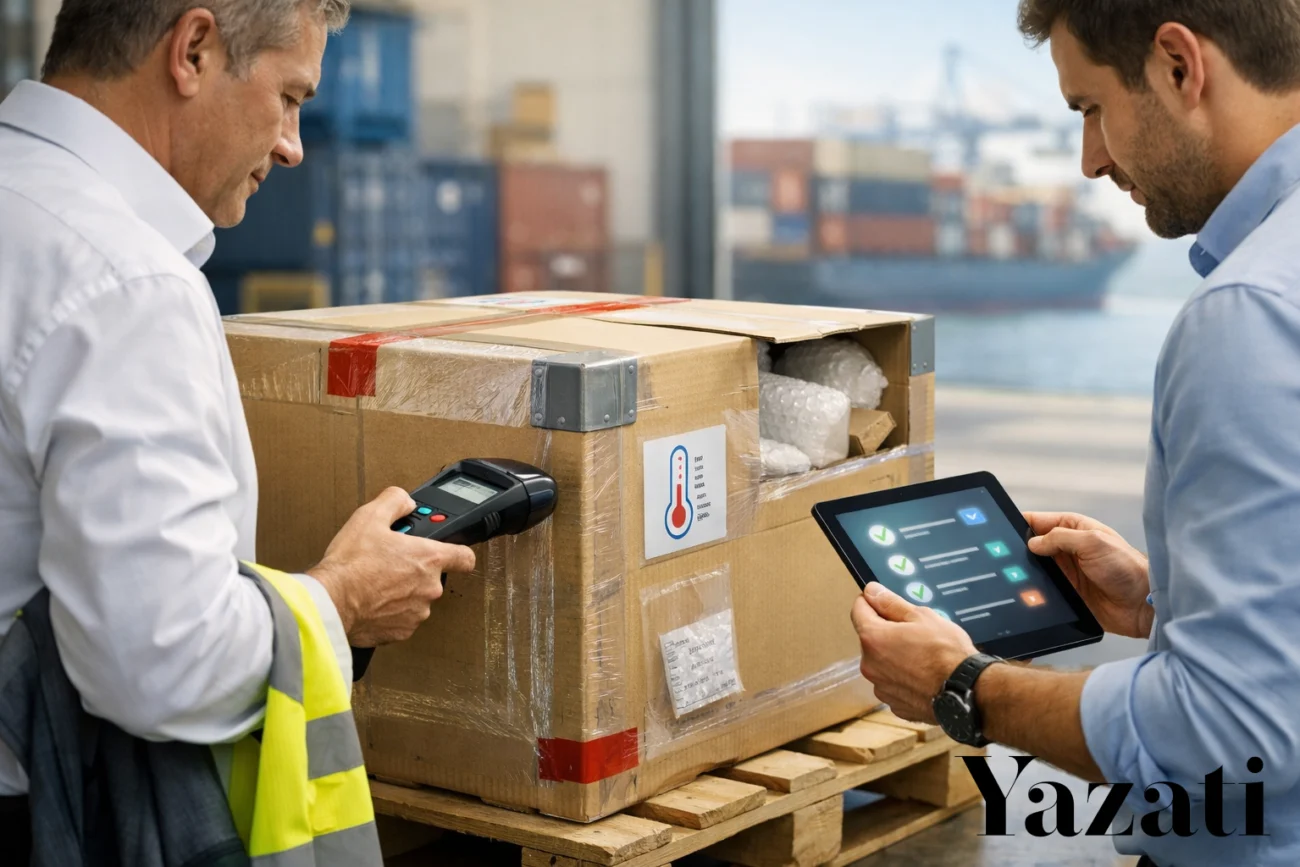
How Yazati Maintains Quality During Long-Distance Shipping
Long-distance shipping exposes goods to extended transit times, multiple handling points, environmental changes, and logistical uncertainty. Even well-made products can arrive damaged or compromised if quality is not managed throughout the journey. Understanding How Yazati Maintains Quality During Long-Distance Shipping reveals how disciplined processes and proactive controls protect goods from origin to destination.
Yazati approaches shipping quality as a system, not a single checkpoint. From pre-shipment inspection to destination feedback, every stage is designed to reduce risk, prevent damage, and preserve product integrity across global supply chains.
Introduction: Why Quality Control Matters in Global Shipping
The Risks of Long-Distance Transportation
The longer a shipment travels, the more risks it encounters. These include:
- Repeated loading and unloading
- Exposure to humidity, heat, or cold
- Vibration and impact during transport
- Delays at ports or borders
Without structured quality controls, these risks can quickly degrade product condition.
Quality as a Competitive Advantage
Consistent delivery of goods in perfect condition builds buyer trust and strengthens long-term relationships. In global markets, quality during transit is as important as quality at production.
Yazati’s Quality-First Logistics Philosophy
Preventive vs Reactive Quality Management
Yazati focuses on prevention rather than correction. Instead of reacting to damage after arrival, systems are designed to eliminate the causes of damage before shipment begins.
Accountability Across the Supply Chain
Clear responsibility is assigned at each stage—packing, loading, transport, and delivery. This accountability ensures that quality is protected, not assumed.
How Yazati Maintains Quality During Long-Distance Shipping Through Pre-Shipment Controls
Product Inspection and Verification
Before shipping, products are inspected to confirm they meet agreed specifications. This includes checking for defects, proper finishing, and readiness for long transit.
Shipping compromised goods increases the risk of further damage and buyer dissatisfaction.
Packaging Readiness Assessment
Packaging is reviewed to ensure it is suitable for long-distance movement. Weak or inappropriate packaging is identified and corrected before goods leave the facility.
Smart Packaging Strategies for Long-Distance Transit
Protective Materials and Structural Design
Packaging materials are selected based on product type and transit conditions. Strong outer cartons, internal supports, and protective layers reduce the impact of shocks and pressure.
Load Stability and Cushioning Techniques
Internal cushioning prevents products from shifting during movement. Stable loads reduce friction, breakage, and surface damage throughout the journey.
Environmental Protection During Transit
Managing Moisture, Temperature, and Humidity
Environmental exposure is one of the leading causes of quality degradation. Yazati implements moisture barriers, desiccants, and ventilation strategies to protect goods from humidity and condensation.
Climate-Specific Shipping Adjustments
Shipping routes and seasons influence environmental risk. Packaging and handling methods are adjusted based on destination climate and transit duration.
Container Loading and Handling Standards
Weight Distribution and Securing Cargo
Improper weight distribution causes movement and pressure damage. Yazati follows structured loading plans that balance weight and secure cargo in place.
Minimizing Movement and Vibration
Bracing, blocking, and securing techniques are used to reduce vibration and shifting, especially during long sea or land journeys.
Carrier and Route Selection for Quality Preservation
Choosing Reliable Transport Partners
Quality is closely linked to how cargo is handled. Yazati works with carriers that follow strict handling standards and maintain consistent service quality.
Route Planning to Reduce Transit Stress
Shorter, more direct routes reduce handling points and exposure time. Route selection prioritizes reliability over theoretical speed.
Monitoring and Control During Shipment
Shipment Tracking and Status Monitoring
Active monitoring allows early detection of delays or deviations. This visibility enables timely responses before quality is affected.
Proactive Intervention When Risks Arise
When issues occur, corrective actions such as rerouting or priority handling are initiated quickly to protect cargo condition.
Documentation and Compliance Accuracy
Clear Handling Instructions
Accurate documentation includes handling and storage instructions that guide all parties involved in transport. This reduces the risk of mishandling.
Reducing Delays That Compromise Quality
Documentation errors often cause delays, increasing exposure to environmental risks. Precise paperwork helps shipments move without unnecessary stops.
Quality Assurance at Destination
Arrival Inspections and Condition Reporting
Upon arrival, shipments are inspected to verify condition. Any issues are documented immediately to enable corrective action and accountability.
Feedback Loops and Continuous Improvement
Insights from destination inspections are used to improve future shipments. Continuous feedback strengthens quality performance over time.
Common Quality Risks in Long-Distance Shipping
Transit Delays and Congestion
Extended delays expose goods to prolonged environmental stress. Proactive planning reduces this risk.
Multiple Handling Points
Each handoff increases the chance of damage. Yazati minimizes handovers wherever possible through route and partner selection.
FAQs on Maintaining Quality in Long-Distance Shipping
1. Why is long-distance shipping risky for product quality?
Extended transit exposes goods to handling, vibration, and environmental changes.
2. How does Yazati prevent damage before shipment?
Through inspections, packaging assessments, and loading plans.
3. Does packaging alone guarantee quality?
No. Packaging must be combined with proper handling, routing, and monitoring.
4. How are environmental risks managed?
By using moisture control, climate-appropriate materials, and route planning.
5. What happens if quality issues occur at destination?
They are documented and analyzed to prevent recurrence.
6. Is quality management cost-effective?
Yes. Preventing damage costs far less than replacing goods or losing buyers.
Conclusion: Why Yazati’s Quality Systems Deliver Confidence
Understanding How Yazati Maintains Quality During Long-Distance Shipping shows that quality preservation is the result of disciplined systems, not chance. By integrating inspection, packaging, handling, monitoring, and feedback, Yazati protects goods throughout their journey.
In global trade, consistent quality builds trust, reduces losses, and strengthens long-term partnerships. Yazati’s structured approach ensures that products arrive exactly as intended—no matter how far they travel.
✨ Discover Global Sourcing Excellence with Netyex ✨
Netyex is your trusted B2B sourcing partner, connecting international buyers with India’s finest manufacturers and curated product lines—from handicrafts and home décor to kitchenware, textiles, hospitality essentials, and more. With verified suppliers and end-to-end support, we make global procurement seamless, reliable, and efficient.
👉 Elevate your sourcing experience—explore Netyex today.
📦 Bulk orders & customisation | 🌍 Worldwide delivery | 🤝 Trusted by global buyers
Visit Netyex to source premium Indian products with confidence.