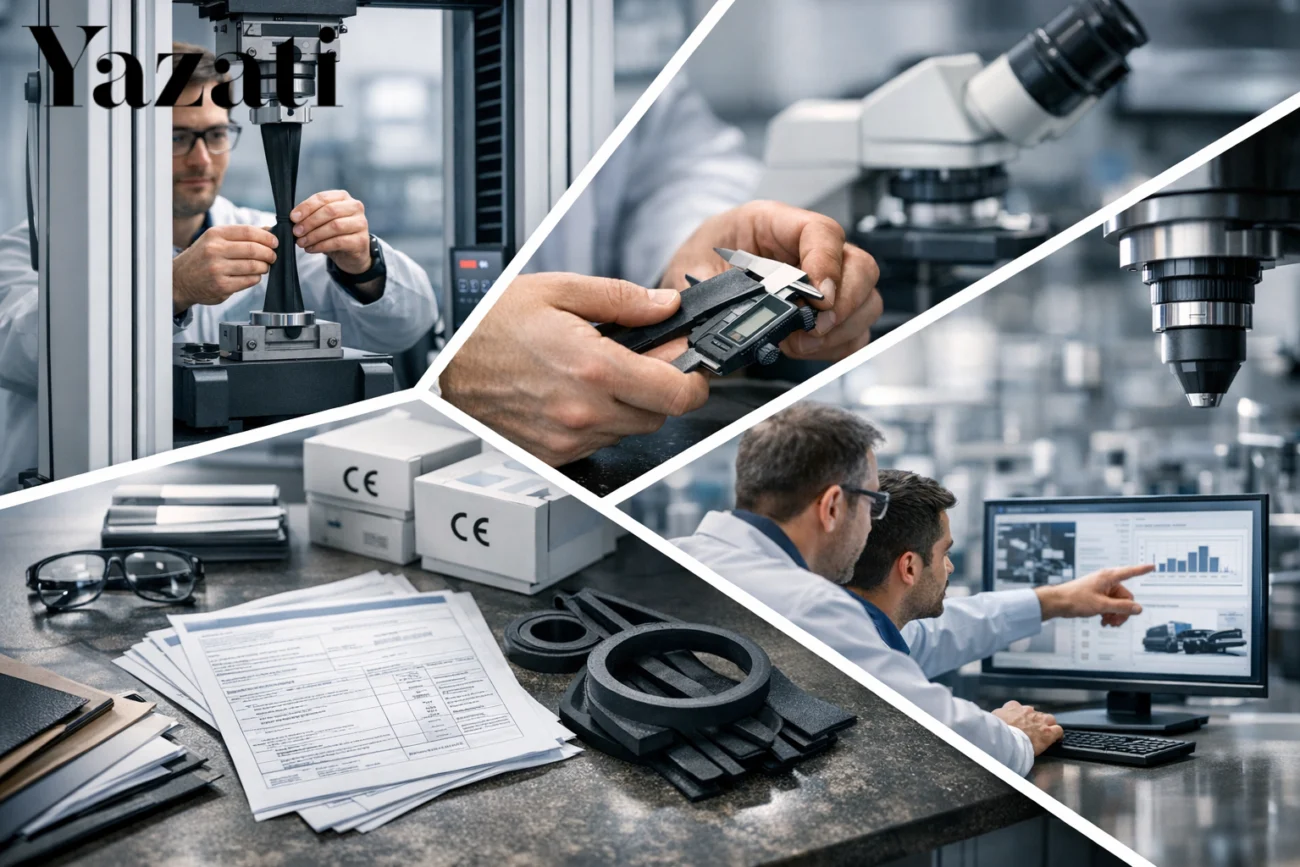
Introduction to How Yazati Manages Material Testing and EU Compliance
In today’s global manufacturing and supply chain environment, businesses must meet strict regulatory requirements and maintain high product quality standards. The European Union (EU) is known for having some of the most demanding product safety and compliance regulations in the world. For companies exporting products or operating within the EU market, compliance is not optional—it is mandatory.
This is where understanding How Yazati Manages Material Testing and EU Compliance becomes important. Yazati has built a reputation for ensuring materials and products meet strict EU regulatory requirements through well-structured testing procedures, quality assurance systems, and regulatory monitoring.
Material testing plays a key role in determining whether a product is safe, durable, and suitable for its intended use. At the same time, EU compliance requires manufacturers to follow various directives, standards, and documentation procedures before products can be sold in the European market.
Yazati’s approach combines advanced laboratory testing, supplier verification, compliance documentation, and continuous monitoring of EU regulations. These practices help reduce risks, prevent product recalls, and maintain consumer trust.
In this article, we will explore How Yazati Manages Material Testing and EU Compliance, including the processes, technologies, and systems that ensure products meet strict European standards.
Understanding EU Regulatory Requirements for Materials
Before diving into How Yazati Manages Material Testing and EU Compliance, it is important to understand why EU regulations are so strict.
The EU has developed comprehensive regulatory frameworks designed to protect consumers, workers, and the environment. These regulations apply to various industries including electronics, textiles, plastics, toys, medical devices, and construction materials.
Key Objectives of EU Regulations
EU regulations focus on several critical goals:
- Protecting consumer safety
- Preventing hazardous substances in products
- Ensuring environmental sustainability
- Maintaining product traceability
- Standardizing product quality across the EU market
Companies that fail to comply may face:
- Product recalls
- Market bans
- Legal penalties
- Damage to brand reputation
Major EU Compliance Frameworks
Yazati must ensure compliance with several EU directives and standards depending on the material or product type.
Common regulatory frameworks include:
| Regulation | Purpose |
|---|---|
| REACH | Controls chemical substances used in products |
| RoHS | Restricts hazardous substances in electronics |
| CE Marking | Indicates conformity with EU safety standards |
| WEEE | Governs recycling of electronic waste |
| Toy Safety Directive | Ensures toys meet safety requirements |
Understanding these frameworks is the foundation of How Yazati Manages Material Testing and EU Compliance effectively.
The Importance of Material Testing in Regulatory Compliance
Material testing is a core component of product safety and compliance. Without proper testing, companies cannot verify whether materials meet required standards.
Why Material Testing Matters
Material testing helps determine:
- Chemical composition
- Physical durability
- Heat resistance
- Electrical safety
- Environmental impact
Testing ensures that materials used in manufacturing will not harm consumers or fail during use.
Types of Material Testing Performed
Yazati typically performs several types of tests depending on the product category.
Common testing categories include:
- Chemical Analysis
Detects hazardous substances such as lead, mercury, or cadmium. - Mechanical Testing
Evaluates strength, durability, and structural integrity. - Thermal Testing
Measures performance under heat exposure. - Environmental Testing
Tests resistance to humidity, corrosion, and aging. - Electrical Safety Testing
Ensures components meet safety requirements.
By performing these tests, Yazati can confirm that materials comply with EU standards before products reach the market.
How Yazati Manages Material Testing and EU Compliance
The process of How Yazati Manages Material Testing and EU Compliance involves a systematic approach that integrates testing, documentation, supplier evaluation, and regulatory monitoring.
Step-by-Step Compliance Strategy
Yazati typically follows a structured workflow to ensure compliance.
- Material Selection Review
- Supplier Verification
- Laboratory Testing
- Compliance Documentation
- Certification and Marking
- Continuous Monitoring
Each stage ensures that potential risks are identified early in the manufacturing process.
Internal Quality Assurance Systems
Yazati maintains strict internal quality assurance procedures to monitor product compliance.
Key QA measures include:
- Material traceability tracking
- Standard operating procedures for testing
- Risk assessment reviews
- Documentation audits
These systems help maintain consistency and regulatory reliability.
Use of Accredited Testing Laboratories
To ensure accurate results, Yazati often works with certified testing laboratories.
Accredited laboratories provide:
- Advanced testing equipment
- Independent verification
- Reliable compliance reports
Using certified labs strengthens the credibility of testing results and supports regulatory approval.
Supplier Verification and Raw Material Control
One of the most important aspects of How Yazati Manages Material Testing and EU Compliance is ensuring that suppliers meet strict quality standards.
Supplier Qualification Process
Before working with suppliers, Yazati conducts detailed evaluations.
The evaluation process includes:
- Reviewing supplier certifications
- Checking regulatory compliance records
- Inspecting manufacturing facilities
- Assessing quality control systems
This helps reduce the risk of non-compliant materials entering the production process.
Material Documentation Requirements
Suppliers must provide documentation proving that materials meet EU regulations.
Typical documentation includes:
- Material Safety Data Sheets (MSDS)
- Chemical composition reports
- Compliance declarations
- Test certificates
These documents are carefully reviewed before materials are approved for production.
Advanced Laboratory Testing Methods
Testing technologies continue to evolve, and Yazati uses modern analytical techniques to ensure precise results.
Common Testing Technologies Used
Some widely used testing methods include:
| Testing Method | Purpose |
|---|---|
| XRF Analysis | Detects heavy metals in materials |
| Gas Chromatography | Identifies chemical compounds |
| Spectrometry | Determines chemical composition |
| Tensile Testing | Measures material strength |
| Thermal Analysis | Evaluates heat resistance |
These technologies allow engineers and compliance teams to identify potential issues early.
Benefits of Advanced Testing
Using advanced testing provides several advantages:
- Faster detection of harmful substances
- More accurate results
- Reduced compliance risks
- Improved product safety
This technological approach strengthens How Yazati Manages Material Testing and EU Compliance.
Documentation and Compliance Certification
Testing alone is not enough to satisfy EU regulations. Proper documentation is equally important.
Technical Documentation Files
For most products sold in the EU, manufacturers must maintain a technical file.
A technical file may include:
- Product design information
- Material composition data
- Risk assessments
- Test reports
- Compliance declarations
These documents must be available to authorities upon request.
Declaration of Conformity
Once products pass testing, Yazati prepares a Declaration of Conformity (DoC).
The DoC confirms that the product meets all applicable EU directives and standards.
This document is essential for obtaining CE marking.
Quality Control During Manufacturing
Compliance does not stop after testing materials. Continuous quality control is required throughout manufacturing.
Production Monitoring
Yazati implements strict monitoring procedures during production.
Quality control measures include:
- Batch testing
- Random inspections
- Process monitoring
- Equipment calibration
These steps ensure materials remain compliant during production.
Preventing Compliance Failures
Several proactive measures help prevent compliance issues.
Examples include:
- Early defect detection
- Process validation
- Quality audits
- Supplier feedback systems
These practices support consistent compliance and product safety.
Continuous Monitoring of EU Regulations
EU regulations evolve regularly, which means companies must stay updated.
Regulatory Tracking
Yazati monitors regulatory updates through:
- Regulatory databases
- Compliance specialists
- Industry regulatory alerts
- Legal advisory teams
This ensures new regulations are implemented quickly.
Updating Compliance Strategies
When regulations change, testing procedures and documentation may need adjustments.
Updates may involve:
- Revising material specifications
- Conducting additional testing
- Updating technical documentation
This continuous monitoring helps maintain long-term compliance.
Risk Management in Material Compliance
Risk management is a key part of How Yazati Manages Material Testing and EU Compliance.
Identifying Compliance Risks
Potential risks may include:
- Hazardous chemical contamination
- Supplier misreporting
- Manufacturing defects
- Incomplete documentation
Identifying these risks early helps prevent compliance failures.
Mitigation Strategies
Yazati uses several strategies to reduce compliance risks.
These include:
- Multiple testing stages
- Supplier audits
- Regulatory training programs
- Compliance software systems
Such strategies ensure materials meet strict EU safety standards.
Benefits of Strong Material Testing and Compliance Systems
Companies that implement strong compliance systems gain several advantages.
Improved Product Safety
Material testing ensures products are safe for consumers and free from harmful substances.
Market Access
Compliance allows products to be sold freely within the European Economic Area.
Brand Trust
Companies known for compliance build stronger customer trust.
Reduced Legal Risks
Proper testing and documentation reduce the risk of penalties and product recalls.
These benefits highlight why How Yazati Manages Material Testing and EU Compliance is crucial for long-term business success.
Common Challenges in EU Material Compliance
Despite strong systems, companies still face several challenges.
Complex Regulations
EU regulations can be complicated and constantly evolving.
Supply Chain Complexity
Global supply chains make material traceability difficult.
Testing Costs
Advanced laboratory testing can be expensive.
Documentation Management
Maintaining large compliance documentation files requires careful organization.
Yazati addresses these challenges through structured compliance processes and strong supplier management.
Frequently Asked Questions (FAQs)
1. What is material testing in manufacturing?
Material testing evaluates the physical, chemical, and mechanical properties of materials to ensure they meet safety and performance standards.
2. Why is EU compliance important for manufacturers?
EU compliance ensures products meet strict safety and environmental regulations, allowing them to be legally sold in European markets.
3. What does CE marking mean?
CE marking indicates that a product complies with EU safety, health, and environmental protection requirements.
4. How does supplier verification support compliance?
Supplier verification ensures raw materials meet regulatory standards before entering the manufacturing process.
5. What are common hazardous substances restricted by EU regulations?
Common restricted substances include lead, mercury, cadmium, and certain flame retardants.
6. How often should material testing be conducted?
Testing frequency depends on product risk level, but regular batch testing and periodic verification are recommended.
Conclusion
Understanding How Yazati Manages Material Testing and EU Compliance reveals the importance of structured testing procedures, supplier verification, regulatory monitoring, and detailed documentation.
By implementing advanced testing technologies, maintaining strict quality control systems, and continuously monitoring EU regulations, Yazati ensures that materials meet the highest safety and compliance standards.
In an increasingly regulated global market, companies that prioritize material testing and regulatory compliance gain significant advantages. They protect consumers, maintain product reliability, and secure access to important international markets such as the European Union.
Ultimately, effective material testing and compliance management are not just regulatory requirements—they are essential components of responsible manufacturing and sustainable business growth.
✨ Discover Global Sourcing Excellence with Netyex ✨
Netyex is your trusted B2B sourcing partner, connecting international buyers with India’s finest manufacturers and curated product lines—from handicrafts and home décor to kitchenware, textiles, hospitality essentials, and more. With verified suppliers and end-to-end support, we make global procurement seamless, reliable, and efficient.
👉 Elevate your sourcing experience—explore Netyex today.
📦 Bulk orders & customisation | 🌍 Worldwide delivery | 🤝 Trusted by global buyers
Visit Netyex to source premium Indian products with confidence.