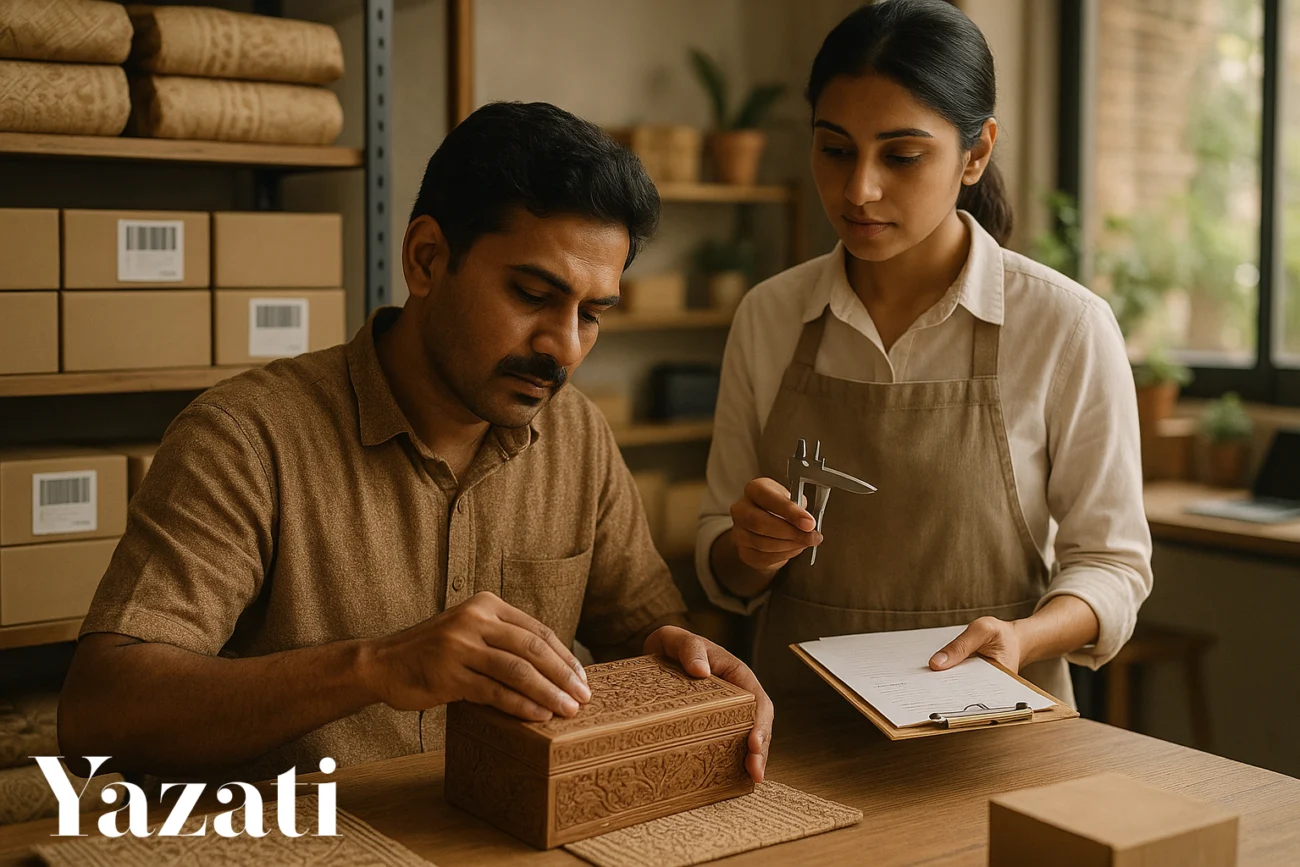
Introduction – The Harmony of Heritage and Modern Markets
In a rapidly globalizing world, where efficiency often overshadows authenticity, Yazati stands as a beacon of cultural integrity. The brand’s journey reflects a rare harmony between heritage preservation and sustainable expansion. This balance is neither accidental nor easy—it’s a deliberate choice rooted in respect for culture, artisanship, and humanity.
Yazati isn’t just an exporter of artistic products; it’s a guardian of stories, traditions, and generations of skilled craftsmanship. From the heart of rural artisan communities to international marketplaces, Yazati demonstrates how cultural art can thrive—not just survive—amidst modern economic pressures.
Understanding Yazati – The Brand Rooted in Tradition
The Meaning Behind “Yazati”
The name Yazati is derived from an ancient Persian term meaning “worthy of worship” or “divine being.” It symbolizes the sacredness of art and the reverence artisans deserve. Each piece crafted under the Yazati name reflects a celebration of cultural divinity—where creativity meets purpose.
Cultural Values Embedded in Yazati’s Foundation
Yazati’s foundation rests on three pillars—authenticity, respect, and revival. The brand began as a grassroots initiative, connecting local craftspeople with sustainable business opportunities. By celebrating every artist’s individuality and story, Yazati has built a movement that values culture not as a commodity but as a living expression of identity.
The Role of Cultural Art in Global Identity
Cultural art is the heartbeat of human civilization. It captures emotion, spirituality, and community history in tangible form. However, as global markets expand, traditional arts often face extinction due to imitation, industrialization, and cultural dilution.
Challenges of Cultural Art in Modern Commerce
Globalization has accelerated the commodification of culture. Mass-produced “cultural replicas” flood international markets, stripping authenticity and undercutting local artisans. Yazati recognizes these challenges and actively combats them through transparency and education.
The Need for Ethical Globalization
Yazati champions ethical globalization, where business success doesn’t come at the cost of cultural identity. Instead, it aims for inclusive growth, ensuring artisans are empowered participants in the global economy—not sidelined by it.
Yazati’s Mission – Protecting Heritage Through Innovation
Yazati’s mission is clear: to preserve, promote, and protect cultural craftsmanship while ensuring it thrives commercially.
Partnering with Local Artisans and Rural Communities
The brand partners with over 800 artisans across rural regions, offering training, fair wages, and design innovation workshops. These partnerships don’t just create products—they revitalize communities, keeping ancient skills alive for future generations.
Ethical Sourcing and Transparent Supply Chains
Yazati’s materials—from handwoven fabrics to natural dyes—are ethically sourced. Every product is traceable, ensuring artisans receive fair compensation. This transparency builds trust with international buyers who value sustainability and ethics.
Craftsmanship as Cultural Storytelling
Each Yazati creation tells a story—a symbol of identity, belief, and creativity passed through generations.
Reviving Forgotten Art Forms
Many traditional art forms, such as hand-block printing or indigenous metal embossing, were on the verge of extinction. Yazati collaborates with historians and elder artisans to document techniques and retrain younger generations, ensuring these arts continue to evolve rather than disappear.
The Role of Women Artisans in Yazati’s Collections
Women play a transformative role in Yazati’s success. By employing and training women artisans, Yazati not only enhances production but also uplifts entire families, turning art into a tool for economic independence and social change.
Scaling for Export – The Yazati Global Model
Scaling cultural art for export is a delicate act—one that Yazati has mastered.
Quality Control and Cultural Integrity
Every product destined for export undergoes rigorous cultural validation to ensure patterns, motifs, and symbols remain true to their origins. Cultural curators and heritage consultants are part of the review process, ensuring accuracy and respect.
Use of Technology in Cultural Preservation
From AI-powered pattern recognition to blockchain-based provenance tracking, Yazati integrates cutting-edge technology to document and protect its cultural assets. This ensures transparency and helps authenticate art in a world where counterfeiting is rampant.
Sustainability and Eco-Responsibility
Yazati understands that preserving culture also means preserving the planet.
Sustainable Packaging and Low-Impact Logistics
Using recycled materials, eco-friendly dyes, and carbon-offset logistics, Yazati aligns cultural ethics with environmental consciousness. This holistic sustainability approach appeals to global consumers seeking responsible luxury.
Brand Storytelling in the Global Market
Yazati’s marketing strategy revolves around authentic storytelling—the bridge between artisans and buyers.
Building Emotional Connections Through Culture
Through visual storytelling and artisan interviews, Yazati builds emotional narratives that highlight the humanity behind every creation. This connection transforms commerce into cultural appreciation.
Collaborations with Museums and Cultural Institutions
By partnering with art museums and cultural NGOs, Yazati showcases its collections in global exhibitions, reinforcing the educational and cultural value of traditional art.
The Economics of Cultural Export
Market Expansion Without Cultural Dilution
Yazati’s expansion strategy emphasizes selective scaling—choosing markets that value heritage, rather than mass-market homogenization. This ensures longevity and integrity.
Supporting Local Communities Through Export Profits
A portion of Yazati’s export revenue is reinvested into artisan training programs, infrastructure, and education initiatives. The result is a circular economy where culture drives commerce and commerce sustains culture.
Challenges Yazati Faces While Scaling
Protecting Intellectual Property Rights of Artisans
Yazati works with legal experts to register designs, logos, and craft techniques, ensuring artisans retain ownership and receive royalties.
Overcoming Cultural Misrepresentation in Marketing
Through meticulous storytelling and education, Yazati prevents cultural stereotypes or oversimplifications, presenting art in its authentic context.
The Future of Cultural Preservation in Global Trade
Digital Archiving and Virtual Exhibitions
Yazati is building a digital archive to preserve every craft’s design lineage. Virtual reality exhibitions allow global audiences to experience art in immersive ways, expanding reach without compromising authenticity.
Expanding Education Around Cultural Appreciation
Yazati’s online workshops and school collaborations teach younger generations to appreciate handmade art, ensuring long-term cultural continuity.
FAQs
Q1: What makes Yazati different from other cultural art exporters?
Yazati uniquely combines cultural preservation with sustainable, ethical business practices, ensuring artisans benefit directly from exports.
Q2: How does Yazati ensure fair trade practices?
Through transparent contracts, traceable sourcing, and regular audits, Yazati guarantees fair compensation and ethical labor conditions.
Q3: Does Yazati use modern technology in traditional art?
Yes, Yazati uses digital design preservation and blockchain authentication while keeping the manual craftsmanship intact.
Q4: How does Yazati empower women artisans?
By offering specialized training, leadership roles, and equitable pay, Yazati fosters financial independence for women artisans.
Q5: What are Yazati’s environmental commitments?
Yazati employs eco-friendly materials, sustainable packaging, and low-carbon logistics to minimize environmental impact.
Q6: Where can consumers purchase Yazati products?
Yazati’s official collections are available on its website and through select ethical marketplaces and museum collaborations.
Conclusion – The Global Future of Cultural Art Preservation
Yazati’s story is a masterclass in balancing tradition and transformation. It proves that cultural preservation and global growth aren’t opposing forces—they’re complementary when guided by ethics and respect.
As the world grows more interconnected, Yazati’s model shines as a blueprint for businesses aiming to scale responsibly while celebrating the diversity of human creativity.
✨ Discover Global Sourcing Excellence with Netyex ✨
Netyex is your trusted B2B sourcing partner, connecting international buyers with India’s finest manufacturers and curated product lines—from handicrafts and home décor to kitchenware, textiles, hospitality essentials, and more. With verified suppliers and end-to-end support, we make global procurement seamless, reliable, and efficient.
👉 Elevate your sourcing experience—explore Netyex today.
📦 Bulk orders & customisation | 🌍 Worldwide delivery | 🤝 Trusted by global buyers
Visit Netyex to source premium Indian products with confidence.