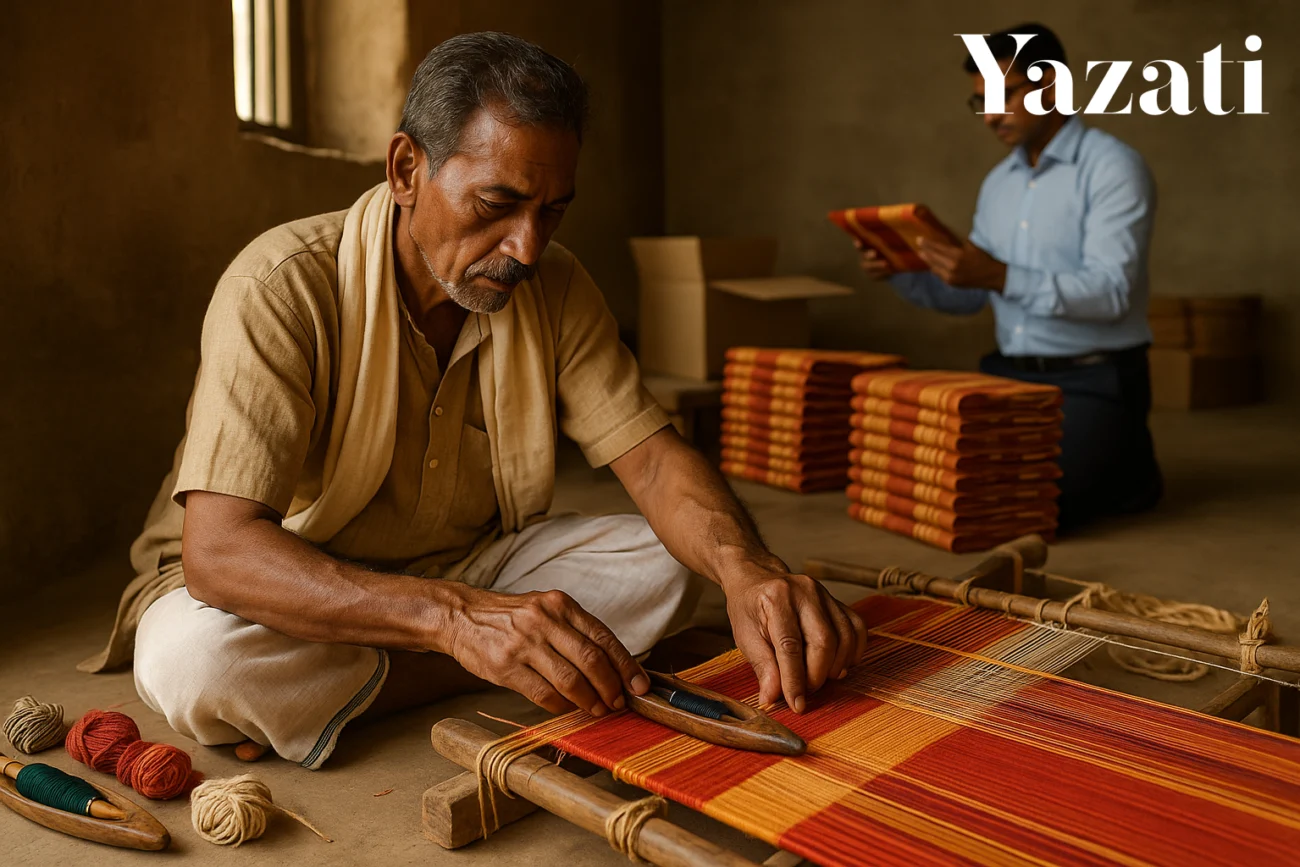
Introduction: The Fragile Beauty of India’s Traditional Art Forms
India’s artistic heritage is as diverse as its culture—woven through centuries of craftsmanship, storytelling, and spiritual symbolism. Yet, many of these traditional art forms are fading into obscurity as modernization and mass production dominate consumer preferences. Amid this cultural shift, Yazati has emerged as a beacon of hope, using global export channels to preserve India’s dying art forms while empowering artisans and celebrating their creativity on an international stage.
Understanding India’s Artistic Heritage and Cultural Legacy
India’s art forms aren’t just decorative expressions; they’re living narratives of regional history, faith, and community. From the mythological depictions in Madhubani to the spiritual undertones of Pattachitra, each craft tells a story. Unfortunately, many of these stories are at risk of disappearing as younger generations move toward urban livelihoods.
The Threat of Modernization and Globalization on Indigenous Art
The advent of machine-made goods has drastically reduced the demand for handcrafted items. Globalization, while connecting markets, has also homogenized aesthetics, pushing indigenous art to the margins. Many artisans struggle to make ends meet, leading to the slow extinction of traditional crafts passed down for generations.
Yazati: A Bridge Between Tradition and Global Markets
The Founding Vision Behind Yazati
Yazati was founded with a clear purpose—to revive India’s endangered art forms by giving artisans access to global markets. The founders recognized that sustainable preservation lies not in charity but in economic empowerment through commerce.
Mission and Philosophy: Reviving Heritage Through Commerce
Yazati’s philosophy is simple yet profound: cultural preservation thrives when tradition meets opportunity. By exporting handcrafted art pieces to conscious consumers worldwide, Yazati ensures artisans receive fair compensation and cultural recognition.
Identifying India’s Dying Art Forms Supported by Yazati
Madhubani: The Storytelling Art of Bihar
Once painted on mud walls to depict folktales, Madhubani has now found its way to global homes through Yazati’s export initiatives. Each intricate piece narrates stories of love, mythology, and nature.
Pattachitra: Odisha’s Divine Canvas
Known for its fine detailing and spiritual themes, Pattachitra artists are now gaining international exposure, thanks to Yazati’s network of global art collectors and interior designers.
Rogan Art: The Thread Painting from Kutch
Rogan art, an almost-lost Persian-inspired technique, is being revived by Yazati’s collaboration with local artisans. This once-endangered art is now displayed in exhibitions across Europe and the U.S.
Kalamkari: The Ancient Pen Craft of Andhra Pradesh
Yazati’s export of hand-painted Kalamkari fabrics showcases India’s storytelling traditions through motifs inspired by nature and epics.
Other Lesser-Known Art Forms Yazati Supports
From Phad painting of Rajasthan to Warli art of Maharashtra, Yazati’s reach spans across regions, bringing hidden gems of Indian craftsmanship to the world stage.
How Export Plays a Crucial Role in Cultural Preservation
The Economics of Sustainability in Traditional Arts
Export creates a sustainable economic ecosystem for artisans. Instead of relying on inconsistent local sales, global exposure ensures consistent income, helping families sustain their craft traditions.
Global Demand as a Tool for Cultural Continuity
When international buyers value handcrafted Indian art, it not only boosts the artisans’ morale but also ensures that these art forms are practiced and passed down to future generations.
Yazati’s Model: Empowering Artisans for a Global Audience
Training and Capacity Building Initiatives
Yazati organizes workshops to enhance artisans’ design skills, quality control, and modern market understanding—bridging the gap between traditional techniques and global consumer preferences.
Fair Trade Practices and Ethical Sourcing
Committed to ethical commerce, Yazati ensures that artisans receive fair wages, safe working environments, and recognition for their work.
Digital Platforms and Storytelling in Exports
Through digital marketing, Yazati shares the stories behind every piece—connecting consumers emotionally to the creators and enriching the art’s cultural value.
Success Stories: How Yazati Has Changed Artisan Lives
From Obscurity to Recognition: Artisans’ Transformational Journeys
Before Yazati’s intervention, many artisans struggled to sustain their crafts due to lack of exposure and financial instability. Today, thanks to Yazati’s export initiatives, their art pieces are being sold in luxury boutiques and online marketplaces across continents.
For example, the women artisans of Mithila, who once painted on hut walls for cultural festivals, now earn sustainable incomes by exporting Madhubani paintings to international buyers. Their stories have been featured in global art exhibitions, giving them the recognition they deserve.
Similarly, artisans from Kutch, who once feared the extinction of Rogan art, now see their creations displayed in galleries in Paris and New York. These success stories highlight how commerce can be a powerful ally in cultural preservation.
Women Empowerment Through Handcrafted Exports
Yazati places special emphasis on empowering women artisans. Many of these women come from marginalized backgrounds and lacked access to formal education or business opportunities.
Through Yazati’s fair trade model, they now manage finances, participate in decision-making, and train others in their communities. This ripple effect not only uplifts families but also ensures that ancient art techniques continue to flourish.
Challenges Yazati Faces in Preserving Dying Art Forms
Balancing Commercial Demand with Cultural Integrity
One of the biggest challenges Yazati faces is maintaining authenticity while meeting international market expectations. While global buyers often seek trendy, customizable products, Yazati strives to preserve the essence of traditional motifs and storytelling.
This delicate balance requires educating consumers about the cultural significance of these art forms, ensuring that commerce does not dilute authenticity.
Overcoming Logistical and Supply Chain Barriers
Exporting handcrafted goods from rural India poses logistical challenges. Issues like irregular electricity, inadequate packaging infrastructure, and fluctuating transport costs can hinder consistency.
Yazati has tackled these problems by creating regional artisan hubs and partnering with logistics providers who understand the unique needs of fragile, handmade art.
The Global Impact of Yazati’s Efforts
Changing International Perceptions of Indian Handicrafts
Through consistent quality, storytelling, and ethical branding, Yazati has helped shift international perceptions of Indian handicrafts from “souvenirs” to valuable works of art.
Western designers and collectors now appreciate the craftsmanship and philosophy behind each piece, leading to collaborations and exhibitions that honor Indian heritage.
Collaborations with Designers and Cultural Institutions
Yazati actively collaborates with global designers and museums to bring traditional Indian aesthetics into modern contexts. By combining ancient craftsmanship with contemporary design, these partnerships create a fusion that appeals to modern consumers while keeping traditional techniques alive.
The Future of India’s Traditional Arts: Yazati’s Roadmap
Technological Innovations and Sustainability in Export
To future-proof traditional crafts, Yazati is integrating technology—from digital catalogs and blockchain-based authenticity verification to online artisan training modules.
This ensures transparency, traceability, and sustainability throughout the export process, making Yazati a pioneer in ethical art commerce.
Expanding Market Reach While Retaining Authenticity
Yazati plans to expand into new markets in Europe and North America while maintaining its focus on handcrafted authenticity. Its long-term goal is to create a global network of conscious consumers who understand the cultural and emotional depth of handmade Indian art.
How Consumers Can Support Yazati’s Mission
Conscious Purchasing and Cultural Appreciation
Every purchase from Yazati is a vote for cultural preservation. By choosing handcrafted over mass-produced goods, consumers help sustain artisan livelihoods and ensure the survival of India’s ancient art forms.
Yazati’s transparent pricing and storytelling approach allow buyers to know exactly who made their product and what cultural significance it carries.
Promoting Handcrafted Art Through Social Media and Advocacy
In today’s digital age, even sharing artisan stories online can amplify their reach. Consumers can support Yazati by showcasing their handcrafted purchases, tagging the artisans, and spreading awareness about traditional Indian crafts.
FAQs on Yazati and Indian Art Form Preservation
1. What is Yazati’s primary mission?
Yazati’s mission is to preserve India’s dying art forms by creating global markets for them through fair trade exports, empowering artisans economically while protecting cultural heritage.
2. How does Yazati ensure artisans receive fair compensation?
Yazati follows a fair trade model, ensuring artisans receive wages that reflect the skill, time, and artistry involved. Profits are reinvested into artisan training, infrastructure, and community development.
3. Which art forms are currently being supported by Yazati?
Yazati supports a range of endangered art forms including Madhubani, Pattachitra, Kalamkari, Rogan, Warli, and Phad painting, among others, across various Indian states.
4. How do global exports help preserve traditional art forms?
Exports create sustainable demand for traditional art, ensuring artisans earn consistent incomes. This encourages younger generations to continue their ancestral crafts instead of abandoning them for modern jobs.
5. Can consumers buy directly from Yazati?
Yes, consumers can purchase directly through Yazati’s official website and partner marketplaces. Each product includes detailed information about the artisan and the cultural background of the art form.
6. How can individuals support Yazati’s preservation efforts?
Consumers can support Yazati by purchasing handcrafted items, promoting the brand’s mission on social media, volunteering for cultural campaigns, or donating to artisan development programs.
Conclusion: Crafting a Future Where Tradition Thrives
India’s artistic legacy is a living bridge between the past and the future. Through Yazati’s dedication, centuries-old traditions are finding new life in global homes and galleries.
By merging heritage with entrepreneurship, Yazati demonstrates that preservation and progress can coexist beautifully. Every exported artifact tells a story—not only of artistic excellence but also of resilience, empowerment, and cultural pride.
As consumers, we hold the power to shape this narrative. Choosing handcrafted art over machine-made alternatives isn’t just a purchase—it’s participation in preserving India’s soul.
✨ In a rapidly modernizing world, Yazati stands as a reminder that the threads of tradition, when woven with purpose, can create a global tapestry of beauty and meaning.
✨ Discover Global Sourcing Excellence with Netyex ✨
Netyex is your trusted B2B sourcing partner, connecting international buyers with India’s finest manufacturers and curated product lines—from handicrafts and home décor to kitchenware, textiles, hospitality essentials, and more. With verified suppliers and end-to-end support, we make global procurement seamless, reliable, and efficient.
👉 Elevate your sourcing experience—explore Netyex today.
📦 Bulk orders & customisation | 🌍 Worldwide delivery | 🤝 Trusted by global buyers
Visit Netyex to source premium Indian products with confidence.