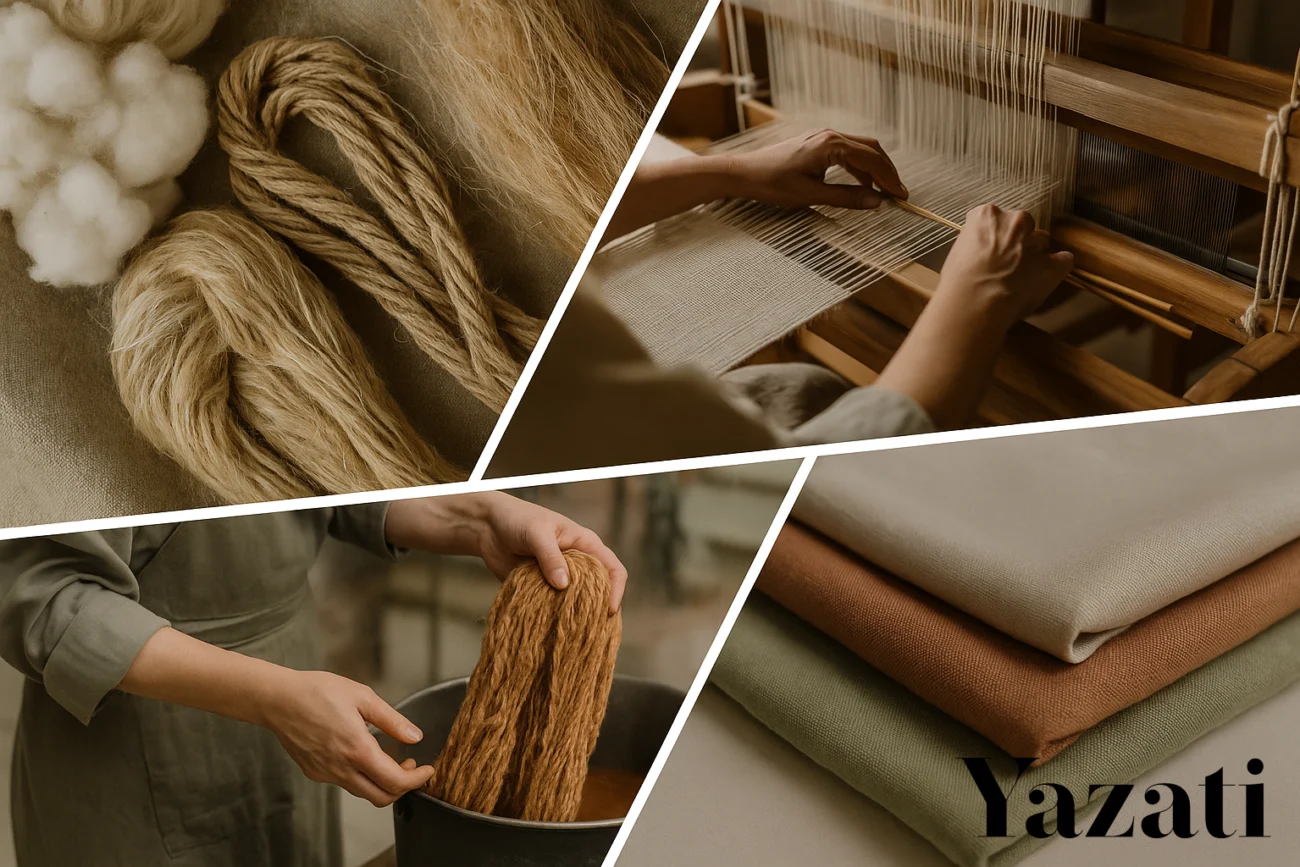
Introduction to Yazati and Its Sustainable Vision
In today’s fast-changing fashion landscape, sustainability isn’t just a buzzword — it’s a necessity. Yazati, a pioneering eco-conscious textile brand, has embraced this movement wholeheartedly. By focusing on natural fibres and environmentally friendly production techniques, Yazati is reshaping the way we view clothing — not just as garments but as symbols of responsible living.
The fashion industry is notorious for pollution, excessive water consumption, and unethical labor practices. Yazati’s approach challenges these norms. Through innovation and integrity, it offers a refreshing alternative — proving that style and sustainability can coexist beautifully.
The Rise of Eco-Friendly Fashion Brands
In recent years, consumer awareness has skyrocketed. Shoppers now demand more than trendy outfits; they want ethical transparency and eco-conscious choices. This has given birth to brands like Yazati that prioritize planet-friendly materials and fair labor systems.
Unlike fast fashion, which thrives on mass production and waste, Yazati promotes slow fashion — emphasizing quality, longevity, and thoughtful consumption.
Yazati’s Commitment to Ethical and Sustainable Practices
At its core, Yazati operates on three sustainability pillars:
- Nature-first design: Prioritizing natural, biodegradable materials.
- Ethical production: Ensuring fair wages and safe conditions for artisans.
- Minimal waste: Implementing zero-waste techniques throughout production.
This tri-fold commitment enables Yazati to produce not just beautiful clothing but also meaningful impact.
Understanding Natural Fibres: The Foundation of Sustainability
What Are Natural Fibres?
Natural fibres are materials derived from plants, animals, or minerals. Unlike synthetic fibres, which rely on petroleum-based compounds, natural fibres are biodegradable, renewable, and non-toxic. Examples include cotton, wool, hemp, linen, and silk.
Benefits of Using Natural Fibres in Textile Production
Natural fibres are loved not only for their comfort but also for their eco-benefits:
- They allow the skin to breathe.
- They decompose naturally without releasing harmful microplastics.
- Their cultivation supports biodiversity and healthy soil ecosystems.
Difference Between Natural and Synthetic Fibres
| Feature | Natural Fibres | Synthetic Fibres |
| Origin | Plants/Animals | Petroleum-based chemicals |
| Biodegradable | Yes | No |
| Comfort Level | Highly breathable | Less breathable |
| Environmental Impact | Low | High |
| Durability | Naturally strong | Artificially reinforced |
Yazati’s choice to rely on natural fibres aligns perfectly with its eco-friendly mission.
Types of Natural Fibres Used by Yazati
Cotton: The Timeless Eco Fabric
Yazati uses organic cotton, grown without pesticides or harmful chemicals. This reduces soil damage and conserves water, resulting in a softer, more breathable fabric ideal for everyday wear.
Linen: Breathable and Durable
Derived from the flax plant, linen is naturally antibacterial and requires fewer resources to grow. Yazati integrates linen into its summer collections for its lightweight, airy texture.
Hemp: The Future of Sustainable Textiles
Known as the “miracle fibre,” hemp is incredibly sustainable — it grows quickly, enriches the soil, and needs minimal water. Yazati uses hemp for creating strong, long-lasting fabrics that age beautifully over time.
Bamboo: Softness Meets Sustainability
Bamboo is naturally regenerative, meaning it grows back after harvest. The brand uses mechanically processed bamboo fibres to ensure minimal chemical exposure.
Silk and Wool: Luxurious Yet Responsible Choices
Yazati sources cruelty-free silk and responsibly farmed wool. These materials bring luxury and texture to its eco-collections, without compromising on ethics.
The Eco-Friendly Manufacturing Process at Yazati
Responsible Sourcing and Supply Chain Transparency
Every fibre used by Yazati can be traced back to its source. This traceability ensures transparency and helps build consumer trust. Farmers and suppliers are chosen based on sustainable agricultural practices and fair trade principles.
Eco-Dyeing and Water Recycling Techniques
Conventional dyeing uses harsh chemicals and vast amounts of water. Yazati’s plant-based dyeing process uses natural pigments extracted from roots, leaves, and minerals. Additionally, 90% of the dye water is recycled, drastically reducing waste.
Waste Reduction and Zero-Plastic Packaging Initiatives
To achieve zero waste, fabric scraps are reused to make accessories, and packaging is made entirely from recycled paper and compostable materials.
Yazati’s Design Philosophy: Beauty Meets Sustainability
Yazati believes in merging artistry with responsibility. Its collections celebrate the textures of nature, focusing on timeless silhouettes over fleeting trends.
Blending Tradition with Modern Aesthetics
By collaborating with skilled local weavers, Yazati preserves traditional techniques while infusing contemporary flair. This balance creates textiles that are both culturally rich and globally appealing.
Slow Fashion: Quality Over Quantity
Instead of producing hundreds of designs each season, Yazati focuses on limited, high-quality collections. This approach encourages mindful consumption and reduces inventory waste.
Collaborations with Local Artisans and Weavers
Yazati empowers rural communities by providing fair wages and consistent work. These collaborations not only preserve ancient weaving traditions but also uplift entire families economically.
Impact of Yazati’s Sustainable Textiles on the Environment
Yazati’s eco-conscious approach doesn’t just produce beautiful fabrics — it actively contributes to environmental preservation. Every stage of production, from fibre sourcing to packaging, is designed with the Earth in mind.
Reducing Carbon Footprint Through Natural Fibre Production
The use of natural fibres significantly cuts down on CO₂ emissions compared to synthetic materials. Synthetic textiles, like polyester, are made from fossil fuels and release greenhouse gases during production. In contrast, Yazati’s organic cotton, hemp, and bamboo fibres absorb CO₂ as they grow, making them carbon-neutral or even carbon-negative in some cases.
Additionally, Yazati’s local sourcing model minimizes transportation distances, reducing fuel usage and overall carbon output. This commitment to shorter supply chains ensures that sustainability isn’t compromised for the sake of convenience.
Water Conservation and Soil Health Preservation
Water scarcity is one of the most pressing environmental issues linked to fashion. Traditional cotton farming consumes vast quantities of water — up to 2,700 liters for one T-shirt. Yazati tackles this issue by:
- Sourcing rain-fed cotton that relies primarily on natural rainfall.
- Employing closed-loop water systems in its dyeing and finishing stages.
- Using organic farming methods that prevent soil degradation and maintain fertility.
These strategies collectively lead to a 70% reduction in water usage compared to conventional textile manufacturing methods.
Circular Fashion and Product Lifecycle Management
Yazati champions the concept of circular fashion, where every garment is designed with longevity and recyclability in mind. Instead of disposable trends, Yazati creates timeless pieces meant to be worn, repaired, and reused.
Once a product reaches the end of its life, Yazati encourages customers to return the garments for recycling or upcycling — a key step toward achieving zero textile waste.
Consumer Awareness and Education Initiatives by Yazati
Yazati understands that sustainability begins with awareness. The brand doesn’t just sell eco-friendly clothes — it inspires and educates consumers to make better fashion choices.
Campaigns Promoting Conscious Consumption
Yazati frequently runs campaigns under the motto “Buy Less, Choose Well.” These initiatives promote the idea that fewer, higher-quality items have a smaller environmental footprint.
Through social media storytelling, Yazati showcases the journey of each fabric — from raw fibre to finished garment — giving consumers a deeper connection to what they wear.
Community Workshops and Sustainability Talks
To further its mission, Yazati organizes workshops and community events that teach people about sustainable living. Topics often include:
- How to care for natural fabrics.
- DIY clothing repair and upcycling.
- Understanding eco-labels and certifications.
By engaging directly with consumers, Yazati transforms them from passive buyers into active participants in sustainability.
Challenges Faced by Yazati in the Sustainable Textile Industry
Despite its success, Yazati’s journey hasn’t been without obstacles. The road to sustainability is filled with financial, logistical, and market-based challenges.
High Cost of Organic Raw Materials
Natural and organic fibres are costlier to produce due to eco-farming practices and smaller-scale cultivation. Yazati absorbs part of these costs to keep prices accessible, but maintaining affordability while staying ethical remains a constant balancing act.
Balancing Style, Durability, and Affordability
Sustainable fashion must compete with fast fashion — both in style and price. Yazati invests heavily in research and innovation to create textiles that are fashionable yet built to last, ensuring customers get both value and elegance.
Overcoming Supply Chain Complexities
Building a fully transparent and sustainable supply chain requires partnerships with like-minded suppliers, which can be challenging. Yazati’s stringent sustainability standards mean it carefully vets each supplier, sometimes slowing down expansion but guaranteeing authenticity.
Yazati’s Role in Shaping the Future of Sustainable Fashion
Yazati isn’t just reacting to sustainability trends — it’s driving them forward. Through innovation, transparency, and global outreach, the brand continues to lead the charge toward a greener fashion future.
Expanding into Global Green Markets
Yazati’s sustainable textiles have gained attention in eco-conscious markets across Europe, North America, and Australia. The brand plans to expand its reach further by forming partnerships with international retailers that share its values.
Innovation in Fibre Blends and Eco-Technologies
Yazati’s R&D team is exploring new biodegradable fibre blends, such as hemp-bamboo and silk-linen hybrids. These materials promise even greater comfort, durability, and sustainability.
The brand is also testing AI-based supply chain monitoring tools to track environmental metrics in real time — ensuring continued improvement in resource efficiency.
FAQs About Yazati’s Sustainable Textiles
1. What makes Yazati’s textiles sustainable?
Yazati’s textiles are made from natural fibres like organic cotton, hemp, and bamboo. The company follows ethical sourcing, eco-friendly dyeing, and zero-waste production processes, ensuring minimal environmental impact.
2. Are Yazati products biodegradable?
Yes. Since Yazati uses 100% natural fibres and non-toxic dyes, most of its products are fully biodegradable and compostable.
3. How does Yazati ensure ethical labor practices?
Yazati partners with certified fair-trade suppliers and directly employs local artisans. Every worker receives fair wages, safe working conditions, and skill development opportunities.
4. Are Yazati’s clothes affordable?
While Yazati’s garments are slightly more expensive than fast fashion, they offer greater durability and timeless appeal, making them more cost-effective in the long run.
5. Where can I buy Yazati’s sustainable collections?
You can explore Yazati’s latest eco-friendly collections on their official website and select global marketplaces promoting ethical fashion.
6. What is Yazati doing to reduce packaging waste?
Yazati uses 100% compostable, plastic-free packaging made from recycled paper and cornstarch-based materials to ensure minimal environmental footprint.
Conclusion: Redefining Fashion with Nature’s Touch
Yazati is more than a fashion brand — it’s a movement toward mindful living. By using natural fibres to create sustainable textiles, the company is proving that luxury and responsibility can exist in harmony. Every piece tells a story of craftsmanship, respect for nature, and ethical innovation.
In a world overwhelmed by fast fashion, Yazati stands as a beacon of hope — reminding us that the future of fashion lies not in excess, but in balance, integrity, and connection to the Earth.
✨ Discover Global Sourcing Excellence with Netyex ✨
Netyex is your trusted B2B sourcing partner, connecting international buyers with India’s finest manufacturers and curated product lines—from handicrafts and home décor to kitchenware, textiles, hospitality essentials, and more. With verified suppliers and end-to-end support, we make global procurement seamless, reliable, and efficient.
👉 Elevate your sourcing experience—explore Netyex today.
📦 Bulk orders & customisation | 🌍 Worldwide delivery | 🤝 Trusted by global buyers
Visit Netyex to source premium Indian products with confidence.