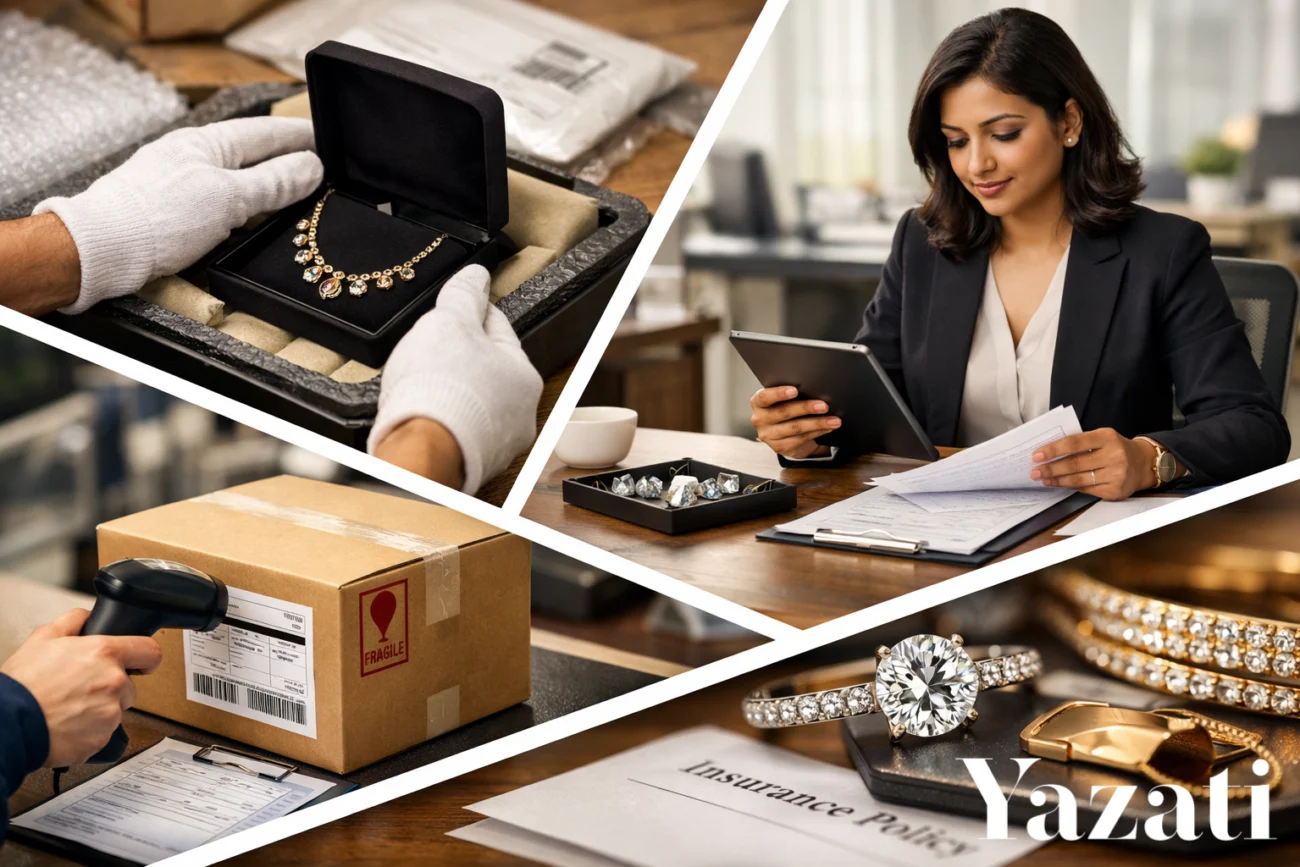
Understanding the Importance of Insurance and Shipping for Jewelry Importers
The jewelry industry deals with items that are small in size but extremely high in value. Because of this, importing jewelry requires special attention to both shipping and insurance. Without proper protection, even a small mistake during transportation can lead to significant financial losses.
For jewelry importers, shipments may include diamonds, gold ornaments, gemstones, silver jewelry, or luxury accessories. These items are highly attractive targets for theft and are also vulnerable to damage during transit. That is why understanding Insurance and Shipping Tips for Jewelry Importers is essential for businesses operating in global markets.
Insurance acts as a financial safety net. If the shipment is lost, stolen, or damaged, the importer can recover the value through a claim. Shipping strategies, on the other hand, focus on reducing the chances of those problems occurring in the first place.
A well-planned shipping process combined with appropriate insurance coverage allows importers to protect their inventory, maintain customer trust, and ensure consistent supply chains.
Why Jewelry Shipments Are Considered High-Risk Cargo
Jewelry shipments carry unique risks compared to regular products. Their high value and portability make them attractive to criminals and vulnerable during transportation.
High Value in Small Packages
Jewelry shipments often contain thousands or even millions of dollars worth of merchandise in a small parcel. Because of this, theft can occur easily if the shipment is not handled properly.
Target for Theft
Cargo theft is one of the biggest concerns for jewelry importers. Organized criminal groups sometimes target shipments containing valuable goods such as diamonds, watches, and precious metals.
Damage Risks During Transit
Jewelry pieces can be delicate. Loose gemstones, intricate designs, and precious metals can be scratched, bent, or damaged during transportation if packaging is inadequate.
Customs and Regulatory Risks
International shipments must pass through customs inspections. Any incorrect documentation or valuation may cause delays, fines, or confiscation of goods.
Understanding these risks is the first step toward applying effective Insurance and Shipping Tips for Jewelry Importers.
Types of Insurance Coverage for Jewelry Imports
Insurance plays a crucial role in protecting jewelry shipments. Importers must understand the different types of policies available before choosing the right one.
Cargo Insurance
Cargo insurance protects shipments while they are being transported by air, sea, or land. It covers losses due to accidents, theft, or mishandling during transit.
All-Risk Insurance
This type of insurance provides the most comprehensive coverage. It protects against almost all forms of damage or loss except those specifically excluded in the policy.
Named Perils Insurance
Named perils policies cover only specific risks listed in the contract, such as fire, collision, or theft. Although cheaper, they provide less protection compared to all-risk coverage.
Warehouse-to-Warehouse Insurance
This coverage protects the jewelry shipment from the seller’s warehouse to the importer’s warehouse. It includes transportation, temporary storage, and transit phases.
Selecting the right insurance type is one of the most important Insurance and Shipping Tips for Jewelry Importers because it determines the level of financial protection.
Choosing the Right Shipping Carrier for Valuable Jewelry
Selecting a reliable shipping partner can significantly reduce transportation risks.
Specialized Jewelry Logistics Companies
Some logistics providers specialize in transporting high-value goods like jewelry and precious stones. These companies often offer advanced security features such as armored transport and GPS tracking.
Reputation and Experience
Importers should always research the carrier’s history. Experienced carriers understand the security protocols needed for handling valuable shipments.
Tracking Capabilities
Real-time tracking allows importers to monitor their shipment from origin to destination. This helps detect delays or unusual movement patterns quickly.
Secure Handling Procedures
Reliable carriers follow strict handling procedures, including sealed containers, restricted access, and trained staff.
Choosing the right logistics partner is a critical part of effective shipping management.
Secure Packaging Methods for Jewelry Shipments
Proper packaging is essential to prevent damage and reduce the risk of theft.
Use Discreet Packaging
The outer package should never reveal that it contains jewelry. Plain boxes with no branding or labels indicating valuable contents help avoid unwanted attention.
Double Packaging
Jewelry should be placed inside secure inner boxes, which are then placed inside a larger shipping box. This method provides additional protection against impact.
Tamper-Evident Seals
Tamper-evident packaging allows importers to detect if a shipment has been opened or manipulated during transit.
Cushioning Materials
Soft materials such as foam, bubble wrap, or padded inserts protect jewelry pieces from scratches and movement inside the box.
Secure packaging is one of the most practical Insurance and Shipping Tips for Jewelry Importers, as it reduces the likelihood of damage claims.
Declaring Accurate Value for Insurance Purposes
Accurate valuation is critical when insuring jewelry shipments.
Importance of Proper Valuation
If the shipment is undervalued, the importer may receive insufficient compensation in case of loss. Overvaluation may increase insurance premiums unnecessarily.
Documentation for Valuation
Importers should maintain invoices, certificates of authenticity, and appraisal reports for each shipment.
Transparent Communication with Insurers
Providing detailed information about the shipment helps insurers determine the correct coverage and premium.
Accurate valuation ensures fair claim settlements and avoids disputes during insurance claims.
Understanding International Shipping Regulations
Jewelry importers must comply with international regulations and customs requirements.
Customs Documentation
Proper documents such as invoices, packing lists, and certificates of origin are required for smooth customs clearance.
Import Duties and Taxes
Different countries impose different duties on jewelry imports. Importers must calculate these costs in advance to avoid unexpected expenses.
Compliance with Trade Laws
Some gemstones and precious metals may require special permits due to international trade regulations.
Understanding legal requirements ensures that shipments move smoothly across borders.
Risk Management Strategies for Jewelry Importers
Effective risk management reduces financial exposure during transportation.
Diversifying Shipments
Instead of sending all items in a single shipment, importers may divide goods into multiple smaller shipments.
Using Secure Transport Routes
Shipping routes with lower crime rates and better infrastructure reduce the chances of theft or damage.
Partnering with Trusted Suppliers
Reliable suppliers ensure proper packaging, accurate documentation, and secure handover to carriers.
Regular Security Audits
Businesses should periodically review their shipping procedures and security measures to identify potential weaknesses.
Implementing these strategies strengthens overall supply chain security.
Leveraging Technology for Shipment Security
Technology has significantly improved shipment security in the jewelry industry.
GPS Tracking Systems
Real-time GPS tracking allows importers to monitor shipment movement and detect unusual activity.
Digital Shipment Monitoring
Advanced logistics systems provide automated updates on shipment status, delays, and location changes.
Smart Locks and Sensors
Modern shipping containers may include smart locks and sensors that detect unauthorized opening or environmental changes.
These technologies help importers maintain control over valuable shipments throughout the transportation process.
Managing Insurance Claims for Lost or Damaged Jewelry
Despite precautions, incidents may still occur. Knowing how to handle insurance claims is essential.
Immediate Reporting
Loss or damage should be reported to the insurance provider as soon as possible.
Collect Evidence
Photographs, shipping documents, and inspection reports help support the claim.
Cooperate with Investigations
Insurance companies may conduct investigations to determine the cause of the loss.
Maintain Clear Records
Detailed shipment records simplify the claim process and increase the chances of successful compensation.
Proper documentation and prompt communication make the claims process smoother.
Cost-Saving Strategies Without Compromising Security
Jewelry importers often seek ways to reduce costs while maintaining safety.
Bulk Shipping Discounts
Shipping multiple items together may reduce transportation costs.
Negotiating Insurance Premiums
Long-term relationships with insurers can lead to better premium rates.
Optimizing Packaging Materials
Using durable but lightweight packaging helps reduce shipping costs.
Selecting Efficient Shipping Routes
Shorter transit times often reduce handling risks and associated expenses.
Balancing cost and security is a key goal for successful import operations.
Common Mistakes Jewelry Importers Should Avoid
Avoiding common mistakes helps protect shipments and reduce financial risks.
Underinsuring Valuable Shipments
Some importers try to reduce insurance costs by choosing minimal coverage, which can lead to major losses.
Poor Packaging Practices
Inadequate packaging increases the risk of damage and insurance claims.
Ignoring Shipping Regulations
Failure to comply with customs regulations may result in shipment delays or penalties.
Choosing Cheap Carriers
Selecting carriers based only on price instead of reliability can compromise shipment security.
Learning from these mistakes helps businesses develop safer shipping processes.
Best Practices for Long-Term Jewelry Import Success
Successful jewelry importers build strong systems and partnerships over time.
Develop Strong Logistics Partnerships
Reliable shipping partners ensure consistent and secure delivery.
Maintain Insurance Coverage Reviews
Insurance needs may change as the business grows or expands into new markets.
Train Staff on Security Procedures
Employees involved in packaging, documentation, and logistics should understand best security practices.
Monitor Industry Trends
Staying informed about new technologies and regulations helps importers adapt quickly.
These best practices create a stable and secure foundation for jewelry import businesses.
Frequently Asked Questions
Why is insurance necessary for jewelry imports?
Insurance protects jewelry shipments from financial loss due to theft, damage, or accidents during transportation.
What type of insurance is best for jewelry shipments?
All-risk cargo insurance is usually the best option because it provides broad coverage for various potential risks.
How can jewelry importers reduce shipping risks?
Importers can reduce risks by using secure packaging, reliable carriers, shipment tracking, and proper insurance coverage.
Is declaring the full value of jewelry shipments important?
Yes, declaring the correct value ensures accurate insurance coverage and fair compensation if a claim is filed.
What packaging methods work best for jewelry shipments?
Double packaging, cushioning materials, and tamper-evident seals help protect jewelry during transit.
How can technology improve jewelry shipping security?
Technologies like GPS tracking, smart locks, and digital monitoring systems help track shipments and detect suspicious activity.
Conclusion
Importing jewelry is a complex process that requires careful planning and attention to security. Because jewelry shipments carry high value and high risk, businesses must take extra precautions to protect their investments.
By applying the right Insurance and Shipping Tips for Jewelry Importers, companies can reduce transportation risks, protect their shipments, and maintain smooth international operations. From selecting reliable carriers and securing proper insurance coverage to using advanced tracking technologies, every step plays an important role in ensuring safe delivery.
When jewelry importers combine strong logistics strategies with comprehensive insurance protection, they create a secure supply chain that supports long-term business growth and customer trust.
✨ Discover Global Sourcing Excellence with Netyex ✨
Netyex is your trusted B2B sourcing partner, connecting international buyers with India’s finest manufacturers and curated product lines—from handicrafts and home décor to kitchenware, textiles, hospitality essentials, and more. With verified suppliers and end-to-end support, we make global procurement seamless, reliable, and efficient.
👉 Elevate your sourcing experience—explore Netyex today.
📦 Bulk orders & customisation | 🌍 Worldwide delivery | 🤝 Trusted by global buyers
Visit Netyex to source premium Indian products with confidence.