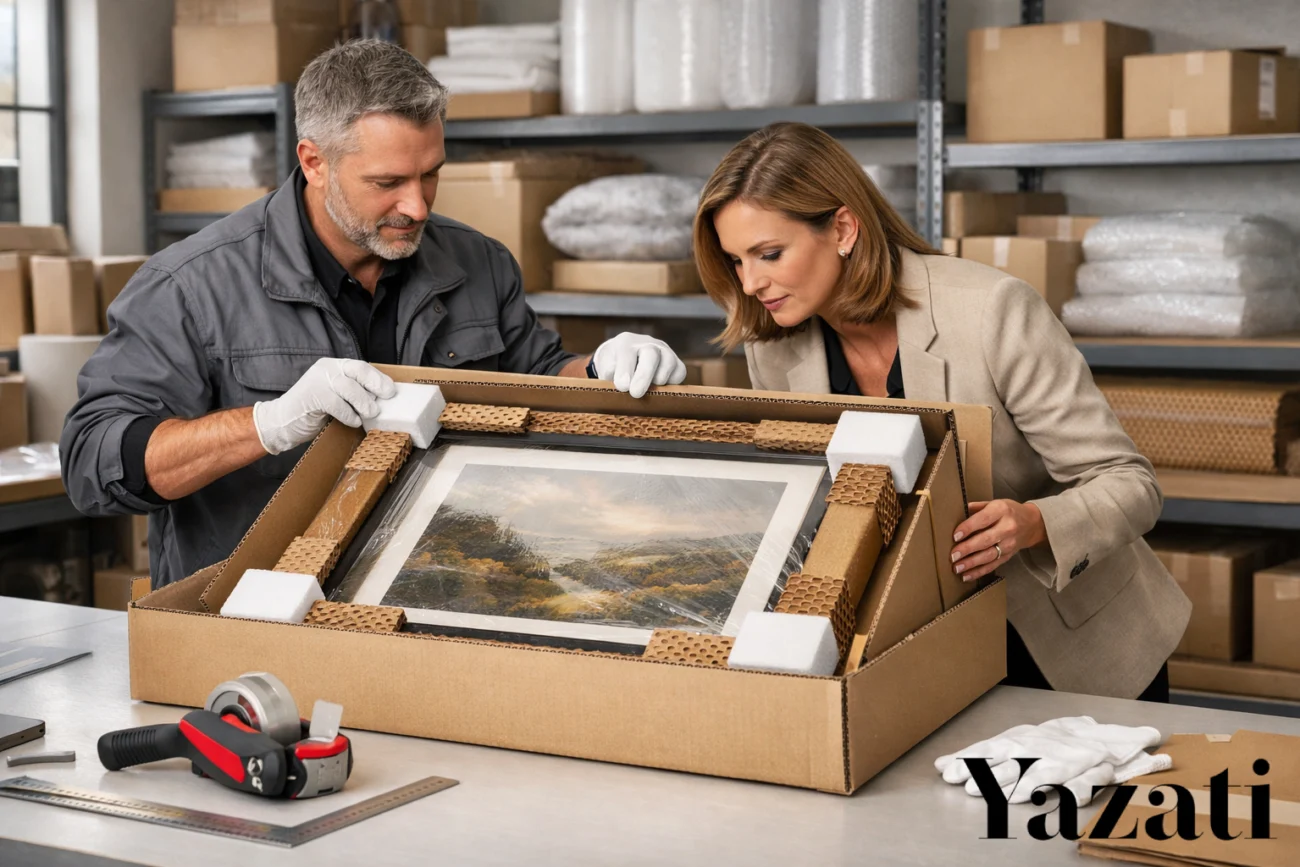
Introduction to Wall Art Packaging Challenges
Transporting artwork isn’t just about moving items from one place to another—it’s about preserving creativity, value, and emotional significance. Packaging Innovation: Keeping Wall Art Safe in Transit has become a critical focus for artists, galleries, and eCommerce sellers alike.
Wall art is fragile by nature. From delicate glass frames to stretched canvases, each piece demands careful handling. A small mistake in packaging can lead to scratches, cracks, or even total loss. That’s why innovative packaging solutions are now shaping how artwork is shipped globally.
Why Safe Transit Matters for Wall Art
Artwork often holds more than monetary value—it carries artistic effort, history, and personal meaning. Damage during transit can:
- Reduce or destroy its value
- Disappoint customers or collectors
- Harm brand reputation
- Lead to costly returns or replacements
Ensuring safe delivery is not optional—it’s essential.
Common Risks During Shipping
Wall art faces several threats during shipping, including:
- Impact shocks from drops or mishandling
- Pressure from stacking during transit
- Moisture exposure leading to warping
- Temperature fluctuations affecting materials
Understanding these risks is the first step toward better packaging innovation.
Understanding Different Types of Wall Art
Not all wall art is created equal. Each type has unique vulnerabilities that influence how it should be packaged.
Canvas Prints and Their Vulnerabilities
Canvas prints are lightweight but prone to:
- Stretching or sagging
- Surface scratches
- Frame warping
They require protective layers without applying excessive pressure.
Framed Artwork Protection Needs
Framed art is more rigid but introduces new risks:
- Frame corners can chip easily
- Glass may crack under pressure
- Hanging hardware can damage the artwork
Proper corner protection is crucial here.
Glass-Covered Art Risks
Glass is the most fragile component in wall art. Without proper cushioning:
- It can shatter during minor impacts
- Broken glass can ruin the artwork beneath
Packaging must isolate and protect glass surfaces effectively.
Core Principles of Protective Packaging
At the heart of Packaging Innovation: Keeping Wall Art Safe in Transit are three essential principles that guide every solution.
Cushioning and Shock Absorption
Cushioning materials absorb impact and prevent direct force from reaching the artwork. Common options include:
- Foam sheets
- Bubble wrap
- Air cushions
The goal is to create a buffer zone around the art.
Structural Integrity and Rigidity
Rigid packaging prevents bending or crushing. Strong outer boxes ensure:
- The artwork maintains its shape
- External pressure doesn’t damage the contents
Double-wall corrugated boxes are often used for this purpose.
Moisture and Environmental Protection
Humidity and temperature changes can cause severe damage. Protective measures include:
- Plastic wraps
- Silica gel packets
- Waterproof liners
These help maintain a stable environment inside the package.
Innovative Packaging Materials
Modern packaging innovation has introduced advanced materials that enhance protection while improving efficiency.
Corrugated Cardboard Advances
Corrugated cardboard has evolved significantly. New designs offer:
- Increased strength without added weight
- Multi-layer protection
- Better shock resistance
These innovations make cardboard a reliable choice for art shipping.
Foam Inserts and Corner Protectors
Foam inserts are custom-cut to fit artwork precisely. Benefits include:
- Preventing movement inside the box
- Absorbing shocks effectively
Corner protectors are especially important as corners are the most vulnerable points.
Sustainable Packaging Alternatives
Eco-conscious packaging is gaining popularity. Options include:
- Recycled cardboard
- Biodegradable foam
- Paper-based cushioning
These solutions reduce environmental impact without compromising safety.
Custom Packaging Solutions
Standard packaging often falls short when dealing with unique artwork sizes and shapes.
Tailored Boxes for Unique Art Sizes
Custom boxes ensure:
- Perfect fit for the artwork
- Reduced movement inside packaging
- Enhanced protection
They are ideal for high-value or irregularly shaped pieces.
Double Boxing Techniques
Double boxing involves placing the artwork inside one box and then placing that box inside another with cushioning in between. This method:
- Adds an extra layer of protection
- Reduces impact force significantly
It’s widely used for fragile and valuable art pieces.
Smart Packaging Technologies
Technology is transforming how artwork is protected during transit.
Shock Sensors and Tracking Devices
Smart sensors can detect:
- Drops or impacts
- Temperature changes
- Handling conditions
This data helps identify where damage occurs during shipping.
Tamper-Proof Seals
Tamper-proof packaging ensures:
- The artwork remains secure
- Unauthorized access is prevented
This is especially important for valuable or collectible pieces.
Step-by-Step Packaging Process
A proper process ensures consistency and safety.
Preparing Artwork Before Packing
Before packing:
- Clean the artwork surface
- Remove loose elements
- Cover with protective sheets
Preparation is key to avoiding damage.
Layering and Sealing Methods
Effective layering includes:
- Protective wrap (paper or plastic)
- Cushioning layer (foam or bubble wrap)
- Rigid support (cardboard sheets)
- Outer box sealing
Each layer adds protection.
Sustainability in Packaging Innovation
Sustainability is no longer optional—it’s a necessity.
Eco-Friendly Materials
Businesses are shifting toward:
- Compostable packaging
- Recycled materials
- Minimal plastic usage
This reduces environmental impact.
Reducing Waste in Shipping
Efficient packaging design minimizes:
- Excess materials
- Shipping weight
- Carbon footprint
Sustainable innovation benefits both businesses and the planet.
Cost vs Protection: Finding Balance
Balancing cost and safety is crucial.
Budget-Friendly Packaging Tips
To save costs:
- Use standard box sizes when possible
- Buy materials in bulk
- Optimize packaging design
Efficiency can reduce expenses without sacrificing safety.
When to Invest in Premium Solutions
High-value artwork requires premium packaging. Investing in:
- Custom foam inserts
- Double boxing
- Smart tracking
ensures maximum protection.
Role of Logistics and Handling
Even the best packaging can fail without proper handling.
Choosing Reliable Carriers
Select carriers with:
- Experience in fragile shipments
- Good handling practices
- Reliable delivery systems
This reduces risk significantly.
Handling Instructions and Labels
Clear labeling helps ensure careful handling:
- “Fragile” labels
- “Handle with Care” instructions
- Orientation indicators
These guide handlers during transit.
Common Mistakes to Avoid
Avoiding mistakes is just as important as using the right techniques.
Overpacking vs Underpacking
- Overpacking can add unnecessary weight and cost
- Underpacking increases risk of damage
Balance is key.
Ignoring Fragility Indicators
Failing to label packages properly can lead to rough handling. Always include clear instructions.
Future Trends in Art Packaging
The future of Packaging Innovation: Keeping Wall Art Safe in Transit looks promising.
Smart Packaging Evolution
Emerging trends include:
- Real-time tracking systems
- AI-based damage prediction
- Interactive packaging solutions
These innovations enhance safety and transparency.
AI and Automation in Logistics
Automation is improving:
- Packaging efficiency
- Error reduction
- Handling accuracy
AI-driven systems are shaping the future of shipping.
FAQs
1. What is the best way to protect wall art during shipping?
Using multiple layers like foam, bubble wrap, and rigid boxes ensures maximum protection.
2. Why is double boxing recommended?
It adds an extra protective layer, reducing impact and pressure on the artwork.
3. Can eco-friendly packaging protect artwork effectively?
Yes, modern sustainable materials offer strong protection while being environmentally friendly.
4. How do I prevent glass from breaking during transit?
Use corner protectors, foam padding, and ensure no direct pressure is applied to the glass.
5. Are custom boxes worth the investment?
For valuable or unique artwork, custom boxes provide better fit and enhanced protection.
6. What role do labels play in safe transit?
Labels guide handlers to treat packages carefully, reducing the risk of damage.
Conclusion
Packaging Innovation: Keeping Wall Art Safe in Transit is more than just a logistical concern—it’s a vital part of preserving artistic value. With the right materials, techniques, and technologies, businesses and individuals can ensure their artwork arrives safely and intact.
From advanced cushioning systems to smart tracking technologies, packaging innovation continues to evolve. By staying informed and adopting best practices, you can protect your artwork and deliver a flawless experience every time.
✨ Discover Global Sourcing Excellence with Netyex ✨
Netyex is your trusted B2B sourcing partner, connecting international buyers with India’s finest manufacturers and curated product lines—from handicrafts and home décor to kitchenware, textiles, hospitality essentials, and more. With verified suppliers and end-to-end support, we make global procurement seamless, reliable, and efficient.
👉 Elevate your sourcing experience—explore Netyex today.
📦 Bulk orders & customisation | 🌍 Worldwide delivery | 🤝 Trusted by global buyers
Visit Netyex to source premium Indian products with confidence.